Baby eczema, also known as infantile atopic dermatitis, affects up to 25% of infants, causing dry, itchy, inflamed skin that can disrupt sleep and comfort. This chronic condition stems from a weakened skin barrier, often linked to genetics and environmental factors, but effective management through consistent care can significantly reduce flare-ups and improve quality of life.
Recognizing the Signs of Eczema in Infants
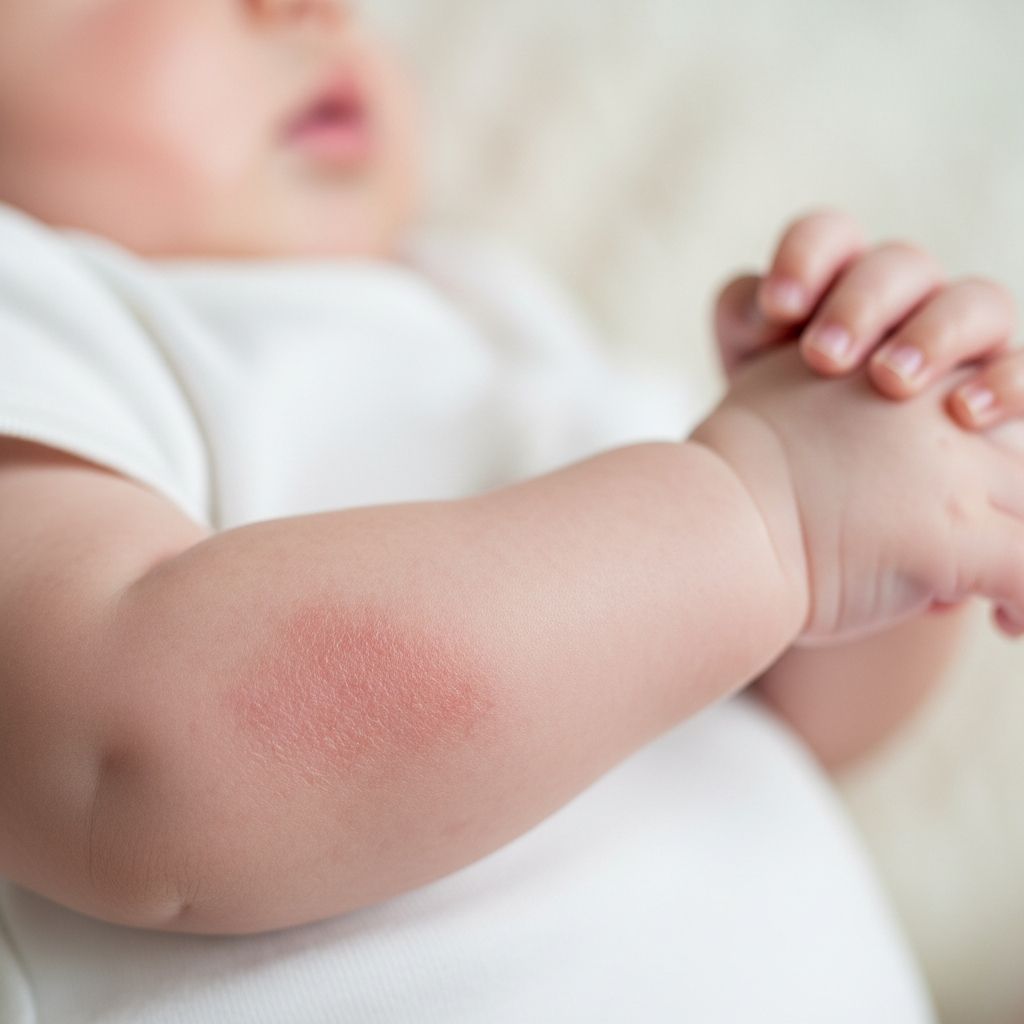
Early identification is crucial for prompt intervention. Baby eczema typically appears between 2 and 6 months, manifesting as red, inflamed patches on the cheeks, scalp, arms, or legs. The skin may feel rough, scaly, or develop small bumps that ooze clear fluid when scratched, leading to crusting. Severe itching is a hallmark symptom, often worsening at night and prompting babies to scratch, which can cause bleeding or secondary infections.
Unlike diaper rash, which is confined to the diaper area and responds to barrier creams, eczema often spares this region and persists despite standard remedies. Pay attention to patterns: flare-ups may cluster in skin folds like elbows or knees as the child grows. If symptoms include fever, pus-filled blisters, or widespread redness, suspect infection and consult a doctor immediately.
Root Causes Behind Baby Skin Irritation
Eczema arises from a combination of genetic predisposition and external influences. Many infants lack sufficient filaggrin, a protein essential for maintaining the skin’s protective barrier, allowing moisture to escape and irritants to penetrate. Family history plays a role; children with parents who have eczema, asthma, or hay fever face higher risks.
Environmental factors exacerbate this vulnerability. Dry air in winter, excessive sweating, or exposure to allergens like dust mites and pet dander weaken the skin further. Food sensitivities, particularly to eggs or dairy, may contribute in some cases, though not all eczema links directly to diet. Importantly, eczema is not contagious, easing parental concerns about spread.
Common Triggers That Spark Flare-Ups
Understanding triggers empowers parents to create a safer environment. Here’s a breakdown of frequent culprits:
- Irritants: Harsh soaps, fragranced detergents, wool clothing, or saliva from drooling irritate sensitive skin.
- Allergens: Pollen, pet dander, dust mites, and mold provoke immune responses leading to inflammation.
- Environmental: Dry or cold air, heat, sweat, and tobacco smoke dry out or inflame the skin.
- Lifestyle: Stress, rapid temperature changes, or bacterial infections like staph can worsen symptoms.
Track patterns with a journal noting flare-ups alongside recent exposures, baths, or weather changes to pinpoint personal triggers.
Daily Skincare Routine for Lasting Relief
A structured routine forms the cornerstone of eczema management. Focus on hydration, gentle cleansing, and barrier protection.
Gentle Bathing Practices
Bathe your baby daily or every other day in lukewarm water for 5-10 minutes to avoid stripping natural oils. Opt for fragrance-free, hypoallergenic cleansers over soap. Pat dry gently—never rub—and apply moisturizer within 3 minutes to seal in moisture.
Moisturizing Mastery
Apply thick, ointment-based moisturizers (like petroleum jelly) twice daily or after every diaper change. These outperform lotions by forming a robust barrier against water loss. Choose products labeled for sensitive skin without dyes or perfumes.
| Product Type | Best For | Application Tips |
|---|---|---|
| Ointments (e.g., petroleum jelly) | Severe dryness, overnight use | Thick layer on affected areas |
| Creams | Daily maintenance | Apply liberally post-bath |
| Lotions | Quick absorption | Avoid if skin is cracked |
Medical Interventions for Stubborn Cases
When daily care falls short, prescribed treatments target inflammation and infection.
- Topical Corticosteroids: Low-potency versions reduce redness and itch quickly; use as directed to avoid side effects.
- Calcineurin Inhibitors: Non-steroidal options for sensitive areas like the face.
- Antibiotics/Antihistamines: For infections or severe itching.
- Bleach Baths: Diluted bleach (rarely for infants) combats resistant bacteria under dermatologist guidance.
Consult a pediatrician or dermatologist for tailored plans, especially if over-the-counter efforts fail.
Preventing Scratching and Promoting Healing
Babies instinctively scratch, perpetuating the cycle. Mitigate with:
- Short, mittened nails trimmed weekly.
- Soft cotton pajamas and bedding; launder in dye-free detergent.
- Cool-room sleeping (68-72°F) with a humidifier to combat dryness.
- Petroleum jelly barriers around the mouth to block drool.
For nighttime relief, antihistamines may help, but only per doctor recommendation.
Long-Term Outlook and When to Worry
About 60% of cases emerge in the first year, with many outgrowing it by school age, though some persist lifelong. Consistent management prevents complications like infections or sleep issues. Seek urgent care for signs of impetigo (honey-crusted sores) or cellulitis (hot, swollen skin).
Pediatric dermatologists offer advanced options like wet wraps or biologics for severe, unresponsive eczema. Nutrition and probiotics show promise in research, but evidence remains preliminary.
Nutrition’s Role in Skin Health
While not a cure, breastfeeding may lower risk due to immune-modulating antibodies. For formula-fed babies, hypoallergenic options help if allergies are suspected. Introduce solids cautiously, monitoring for reactions. Omega-3-rich foods support barrier function long-term.
Frequently Asked Questions About Baby Eczema
Can baby eczema be cured?
No, it’s chronic, but symptoms can be controlled effectively with consistent care.
Is baby eczema caused by diet?
Sometimes; allergies to cow’s milk or eggs may contribute, but test via elimination under medical supervision.
How often should I moisturize my baby’s skin?
Twice daily minimum, more during flares or post-bath.
Does swimming worsen eczema?
Chlorine can irritate; rinse immediately after and moisturize.
When should I see a doctor?
If home care fails, infection signs appear, or eczema covers large areas.
Building a Trigger-Free Home Environment
Transform your space: use HEPA vacuums, encase mattresses in allergen-proof covers, and ban smoking. Choose breathable fabrics and maintain 40-60% humidity. Regular pet grooming reduces dander. These steps, combined with vigilance, minimize flares.
Parent support groups offer shared wisdom, but prioritize evidence-based advice from professionals.
References
- How to treat eczema in babies — American Academy of Dermatology. 2023. https://www.aad.org/public/diseases/eczema/childhood/treating/treat-babies
- Baby eczema: causes, symptoms, treatment and more — National Eczema Association. 2024. https://nationaleczema.org/children/
- Pediatric Eczema (Atopic Dermatitis) — Children’s National Hospital. 2024. https://www.childrensnational.org/get-care/health-library/eczema-atopic-dermatitis
- Baby eczema causes, symptoms and treatments — CVS Health. 2024. https://www.cvs.com/learn/health/childrens-health/baby-eczema
- What is Baby Eczema? Eczema Therapy for Baby & Toddler — Aveeno. 2024. https://www.aveeno.com/skin-concerns/baby-eczema
- How to treat baby eczema — Mayo Clinic. 2024-01-15. https://www.mayoclinic.org/diseases-conditions/atopic-dermatitis-eczema/expert-answers/baby-eczema/faq-20450999
- Eczema in Babies and Children: Symptoms and Causes — American Academy of Pediatrics. 2024. https://www.healthychildren.org/English/health-issues/conditions/skin/Pages/Eczema.aspx