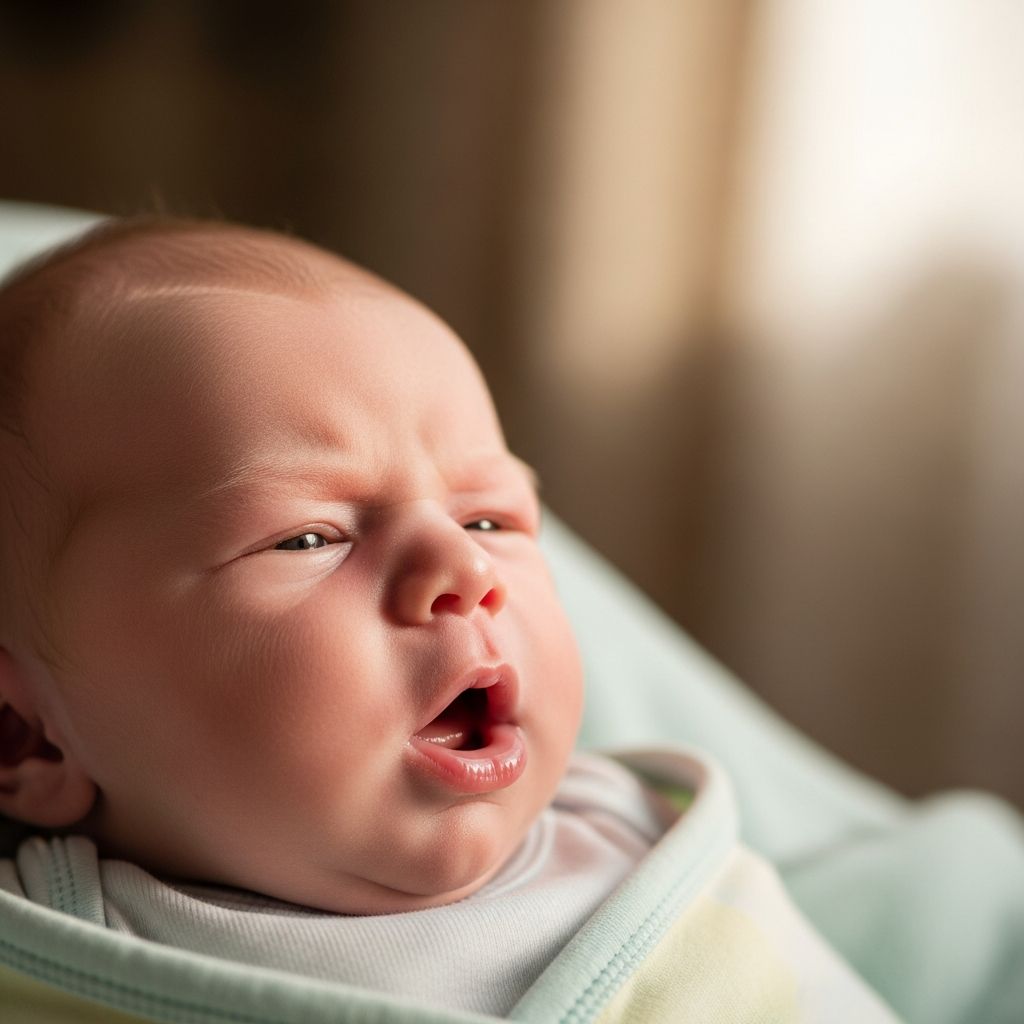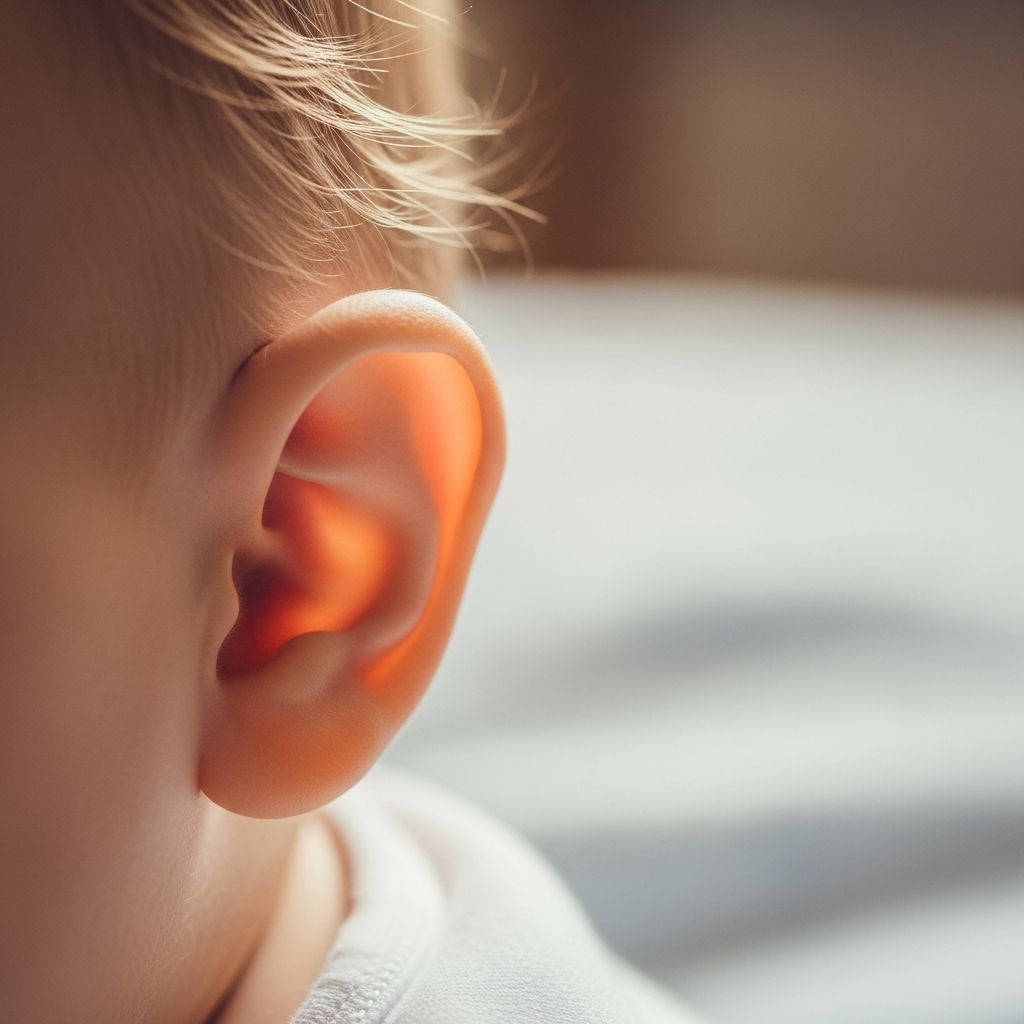
Earwax, or cerumen, plays a vital protective role in infants’ ears by trapping dust, bacteria, and other particles to safeguard the delicate ear canal and eardrum. In babies, this natural substance often appears as soft, yellowish buildup that migrates outward on its own. However, excessive accumulation can lead to discomfort or complications if not addressed properly.
The Natural Role of Earwax in Baby Ears
Earwax production begins early in life, serving as a self-cleaning mechanism. It lubricates the ear canal, preventing dryness and itchiness while acting as a barrier against infections. Infants produce wax similarly to adults, but their narrower ear canals make buildup more noticeable. Normally, jaw movements during feeding, crying, or babbling help push wax out naturally. Overproduction affects about 10% of children, increasing impaction risk.
Understanding cerumen’s composition—made of secretions from glands in the ear canal mixed with dead skin cells—helps parents appreciate its importance. Darker or drier wax in babies isn’t always problematic but warrants monitoring if accompanied by other signs.
Recognizing Normal vs. Problematic Earwax Buildup
Healthy earwax in infants is typically pale yellow, moist, and flakes off harmlessly. Parents might spot small amounts during diaper changes or baths without concern. Problematic buildup, or cerumen impaction, occurs when wax hardens and blocks the canal, often due to external factors.
| Normal Earwax Traits | Warning Signs of Buildup |
|---|---|
| Pale yellow or light brown color | Dark gray, black, green, or pus-like discharge |
| Soft, flaky texture that exits naturally | Hard plug visible in canal; foul odor |
| No associated discomfort | Ear tugging, irritability, or sleep issues |
| Baby responds to sounds normally | Muffled hearing or lack of reaction to noises |
Symptoms of impaction include ear pain, fullness sensation, ringing (tinnitus), dizziness, itchiness, or partial hearing loss. In babies, these manifest as frequent ear rubbing, crying during feeds due to pressure changes, or delayed speech milestones from temporary conductive hearing loss. Untreated blockages can trap water, leading to swimmer’s ear or exacerbate infections.
Common Causes of Excessive Earwax in Babies
- Cotton swab misuse: The leading cause, as swabs push wax deeper, compacting it into plugs. Even gentle probing packs material against the eardrum.
- Finger insertion or earplugs: Children’s natural curiosity or protective gear forces wax inward.
- Anatomical factors: Narrow canals, hairy outer ears, or bony growths predispose some infants.
- Overproduction or infections: Chronic ear issues prompt excess wax as a defense, overwhelming natural expulsion.
- Environmental contributors: Dust, allergies, or frequent water exposure harden wax.
Unlike myths, earwax doesn’t cause glue ear (middle ear fluid buildup); symptoms overlap but require distinct diagnosis.
Safe Home Strategies for Earwax Maintenance
Resist the urge to clean inside baby ears—nature handles most cases. Focus on prevention:
- Wipe outer ear with a soft cloth after baths to remove flakes without probing.
- Avoid cotton swabs, bobby pins, or objects deeper than the outer rim.
- Use pharmacy drops like olive oil or hydrogen peroxide (diluted) to soften visible buildup, applying 2-3 drops twice daily for a few days if no infection signs.
- Encourage feeding and play to promote jaw movement for natural migration.
For mild impaction, warm olive oil drops can loosen wax over 3-5 days, followed by gentle rinsing with a bulb syringe if advised by a pediatrician. Never irrigate without guidance, as forceful water can damage the canal.
Professional Removal Techniques for Infants
When home methods fail or symptoms persist, seek pediatric or ENT care. Providers use an otoscope to visualize buildup, then employ:
- Microsuction: Gentle vacuum extraction, safest for babies.
- Curette: Small instruments to scoop hardened wax.
- Irrigation: Controlled warm water flush post-softening, avoiding if eardrum perforation suspected.
These outpatient procedures are quick, with minimal discomfort. Repeat blockages may need regular checkups.
When to Seek Immediate Medical Attention
Not all buildup requires intervention, but prompt care prevents complications. Contact a doctor if:
- Baby shows severe pain, fever, discharge, or bleeding post-cleaning attempt.
- Hearing seems impaired, with no response to voices or sounds.
- Dizziness, unsteadiness, or unusual crying patterns emerge.
- Swelling, redness, or foul-smelling drainage indicates infection.
- Symptoms follow water exposure or trauma.
Early intervention averts hearing delays impacting development.
Preventing Recurrent Earwax Issues in Little Ones
Proactive habits reduce risks:
- Model swab-free ear care for older siblings.
- Schedule routine well-baby visits for ear exams.
- Manage allergies or eczema contributing to excess production.
- Use swim caps and earplugs sparingly, drying ears thoroughly post-bath.
- Monitor high-risk infants with narrow canals quarterly.
Education empowers parents: 5% of kids naturally produce more wax, benefiting from vigilant oversight without over-intervention.
Frequently Asked Questions (FAQs)
Is all dark earwax in babies a sign of trouble?
No, darker shades can be normal variations, but black/gray with symptoms or green/pus-like discharge needs evaluation for impaction or infection.
Can earwax buildup cause developmental delays?
Temporary conductive hearing loss from blockages may affect sound processing and language if prolonged, underscoring timely treatment.
Are home remedies safe for newborns under 3 months?
Consult a pediatrician first; avoid drops or irrigation in very young infants to prevent complications.
How often should I check my baby’s ears?
Visual outer inspections weekly suffice; only intervene if symptoms appear, as over-cleaning worsens issues.
Does breastfeeding influence earwax production?
No direct link, but sucking motions aid natural wax expulsion.
Long-Term Ear Health for Growing Children
As babies grow, teach hygiene habits to prevent future problems. Transitioning to toddlerhood increases swab temptation, so reinforce education. Regular hearing screenings catch subtle issues early. With awareness, earwax management becomes routine, ensuring clear hearing for milestones like first words.
Empowering parents with knowledge transforms earwax concerns from anxiety sources to manageable aspects of infant care.
References
- Earwax Buildup — Seattle Children’s Hospital. 2024. https://www.seattlechildrens.org/conditions/a-z/earwax-buildup/
- Signs, causes and what to do about impacted earwax — HealthPartners. 2024. https://www.healthpartners.com/blog/impacted-earwax/
- Ear wax in babies, children and teenagers — Raising Children Network. 2024. https://raisingchildren.net.au/guides/a-z-health-reference/ear-wax
- Is My Baby’s Earwax Normal? Warning Signs You Should Never Ignore — ENT Medical and Surgical Group. 2024. https://www.entmedicalsurgical.com/blog/is-my-baby-s-earwax-normal-warning-signs-you-should-never-ignore
- Earwax blockage – Symptoms & causes — Mayo Clinic. 2024-10-04. https://www.mayoclinic.org/diseases-conditions/earwax-blockage/symptoms-causes/syc-20353004
- Earwax Blockage: Symptoms, Causes & Removal — Cleveland Clinic. 2024. https://my.clevelandclinic.org/health/diseases/14428-ear-wax-buildup–blockage