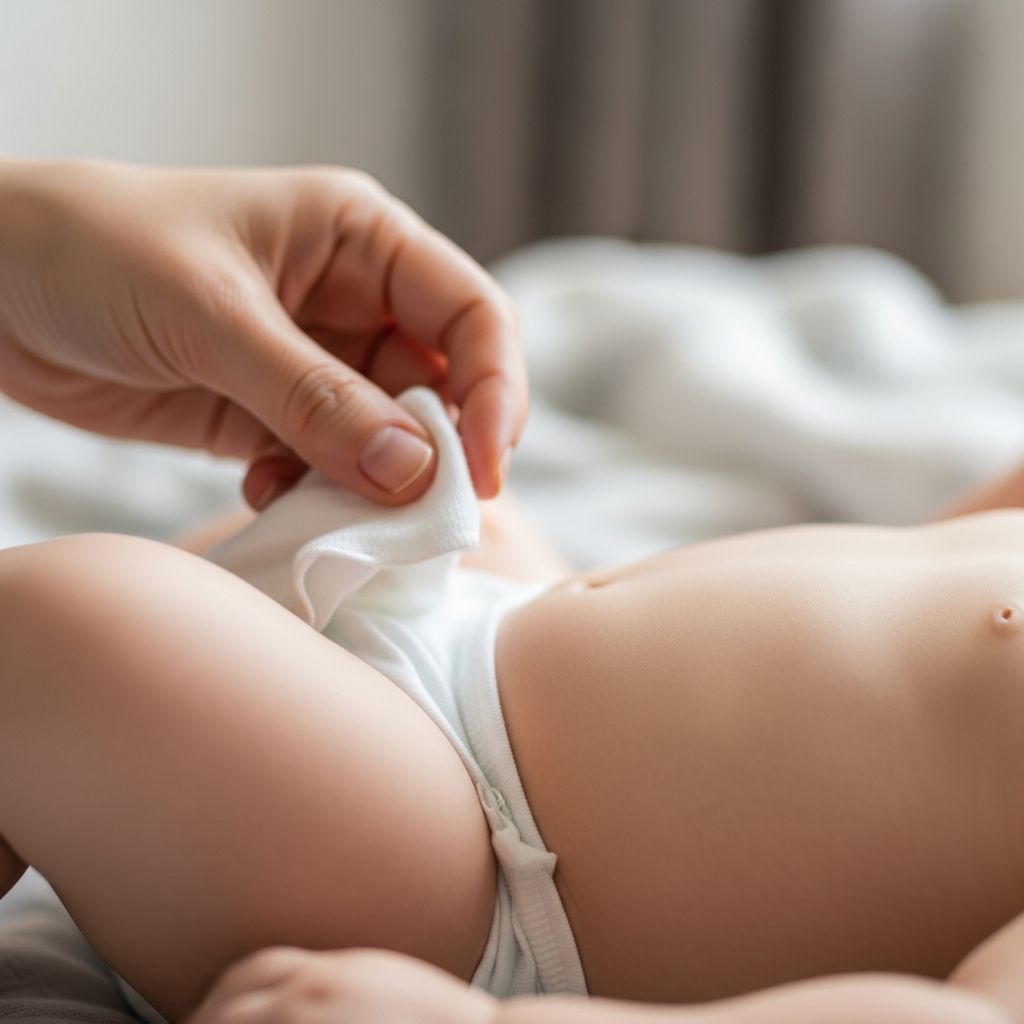
Recognizing Diarrhea in Your Infant
Diarrhea in babies manifests as looser or more watery stools than normal, occurring frequently throughout the day. While it can be concerning for new parents, understanding what constitutes diarrhea versus normal infant bowel patterns is essential. Healthy breastfed babies often have soft, seedy stools, and formula-fed infants typically produce slightly firmer but still soft bowel movements. The key distinguishing factor is a noticeable change in consistency and frequency—when your baby experiences three or more loose or watery stools in a day, this typically indicates diarrhea.
The duration of diarrhea varies considerably. In many cases, especially those caused by viral infections, diarrhea resolves within a few days to a week without intervention. However, some cases may persist longer, requiring closer monitoring and potentially additional evaluation by a healthcare provider.
Primary Triggers of Infant Diarrhea
Several factors can initiate diarrhea in babies, ranging from minor dietary adjustments to more significant infections. Understanding these triggers helps parents identify potential causes and respond appropriately.
Infectious Agents
Viral infections represent the most prevalent cause of acute diarrhea in infants. Rotavirus and norovirus are particularly common culprits, causing what parents often refer to as stomach flu or viral gastroenteritis. These viruses spread through contact with contaminated surfaces or through the fecal-oral route, often in settings with multiple children.
Bacterial infections occur less frequently than viral infections but can be more serious. Salmonella and other bacterial pathogens may contaminate food or water, leading to bacterial gastroenteritis. Parasitic infections, such as giardia, are more common in childcare settings and waterborne exposures.
Medication-Related Causes
Antibiotics represent one of the most common medication-related causes of diarrhea in infants. This occurs because antibiotics eliminate beneficial bacteria in the digestive tract while fighting infection. Some babies also experience diarrhea from over-the-counter pain and fever medications. Additionally, if a breastfeeding mother takes antibiotics or certain nutritional supplements, these substances can pass into breast milk and trigger diarrhea in sensitive infants.
Dietary Transitions and Changes
The introduction of solid foods around six months of age frequently triggers temporary diarrhea as the infant’s digestive system adapts to new food types. The combination of breast milk or formula with solid foods requires digestive adjustments that may take time to complete.
Maternal dietary changes significantly affect breastfed infants. When a nursing mother consumes spicy foods, excess sugar, or unfamiliar foods, these changes can alter breast milk composition and cause gastrointestinal upset in the baby. Essentially, nearly everything consumed by a breastfeeding mother can potentially influence breast milk and trigger diarrhea in susceptible infants, though this remains relatively uncommon.
Food Sensitivities and Allergies
Cow’s milk allergies cause loose, sometimes blood-streaked stools in affected babies, typically appearing within the first two months of life. Lactose intolerance, though rare in very young infants, involves difficulty digesting lactose (milk sugar), causing gas, loose stools, and abdominal bloating. Excessive fruit juice consumption can also trigger diarrhea in infants due to the high sugar content and osmotic effects in the intestinal tract.
Less Common Medical Conditions
While rare, certain serious conditions can manifest with persistent diarrhea. These include cystic fibrosis, which affects nutrient absorption; severe intestinal infections such as Shigella colitis; and C. difficile infection, which sometimes develops after prolonged antibiotic use. Malabsorption disorders—conditions where the intestines cannot properly absorb nutrients—frequently present with chronic diarrhea as a primary symptom. These serious causes typically involve additional symptoms and require professional diagnosis and treatment.
Recognizing Dehydration Risk
The most significant concern with infant diarrhea is dehydration, which occurs when the body loses excessive fluids. Babies under six months of age face particularly high dehydration risk. Warning signs demanding immediate medical attention include:
- Reduced urination or dry diapers for six or more hours
- Extreme fatigue or unusual drowsiness
- Sunken eyes or soft spot (fontanelle) on the head appearing more depressed than normal
- Dry mouth and lips
- Cold extremities or mottled skin
- Lack of tears when crying
Home Management Strategies
Maintaining Hydration
Keeping your baby hydrated represents the cornerstone of diarrhea management. For exclusively breastfed infants, continue nursing frequently—potentially more often than usual. Breast milk contains essential fluids and nutrients that support recovery.
For formula-fed babies or those eating solids, offer age-appropriate fluids. Oral rehydration solutions (ORS) specifically formulated with appropriate electrolyte balances are superior to plain water or juice. These solutions, available at pharmacies and supermarkets, contain fluids, salts, and glucose in proportions designed to facilitate intestinal absorption. Avoid sugary drinks like juice and soda, as excessive sugar can worsen diarrhea through osmotic effects.
Offer small, frequent sips rather than large volumes at once. Some babies accept rehydration solutions more readily when served at room temperature or slightly chilled.
Dietary Modifications
For infants consuming solid foods, introducing bland, starchy options supports recovery. Recommended foods include:
- Strained or mashed bananas
- Applesauce
- Rice cereal
- Plain cooked rice
- Toast without butter
Continue offering these foods until diarrhea resolves and normal bowel patterns return. For breastfeeding mothers, if dietary changes appear to trigger infant diarrhea, identify and temporarily avoid suspect foods. Common triggers include high-fat foods, excessive dairy, or unusually spicy foods.
Probiotic Support
Probiotics—beneficial bacteria such as Lactobacilli—may help reduce the number of diarrhea stools by restoring healthy gut bacteria. For infants aged four to six months and older eating solids, one to two ounces of plain yogurt twice daily provides accessible probiotic support. Lactose-free yogurts may be particularly beneficial for sensitive infants.
Critical Warning Signs Requiring Medical Evaluation
Contact your pediatrician promptly if your baby experiences:
- Diarrhea accompanied by a fever
- Persistent vomiting or frequent regurgitation alongside diarrhea
- Blood or mucus in stools
- White, red, or black-colored stools
- Diarrhea lasting longer than one week
- Any baby three months old or younger with diarrhea
- Signs of dehydration
- Unusual lethargy or behavioral changes
- Abdominal distension or excessive pain
Babies under three months warrant medical evaluation for any diarrhea, as their vulnerability to dehydration and infection complications is significantly higher.
When Professional Treatment Becomes Necessary
Your pediatrician may recommend specific interventions based on the identified cause. For bacterial infections, antibiotic therapy becomes essential for recovery and preventing complications[10]. For parasitic infections, prescription medications specifically targeting the parasite are required.
If antibiotic use is causing diarrhea but the antibiotic is necessary for treating an underlying infection, your doctor will typically recommend continuing the medication while monitoring symptoms. Some pediatricians prescribe probiotics concurrently to minimize antibiotic-related diarrhea.
Chronic diarrhea persisting beyond two weeks warrants investigation through tests that can identify malabsorption disorders, allergies, or other underlying conditions. Pediatric gastroenterologists possess specialized expertise in evaluating and treating persistent diarrhea when initial home management proves insufficient.
Prevention and Transmission Control
While some diarrhea causes remain unavoidable, transmission prevention reduces infection spread:
- Wash hands thoroughly with soap and water before food preparation and after diaper changes
- Ensure proper food handling and storage, particularly for perishable items
- Provide clean water for drinking and cooking
- Maintain excellent diaper hygiene, changing promptly and thoroughly cleaning the area
- Keep your baby’s environment sanitized, particularly frequently touched surfaces
- Limit contact with individuals experiencing active diarrhea or gastroenteritis
- Ensure age-appropriate vaccinations, including rotavirus vaccine which prevents one common cause
Natural Resolution and Recovery Timeline
Most infant diarrhea, particularly viral causes, resolves independently without medical intervention. Viral gastroenteritis often improves within several days to one week, though some viral infections may persist slightly longer.
During recovery, parents often notice gradual improvements: stool frequency decreases, consistency gradually firms, and the baby’s energy and appetite return to normal. There is no medication that immediately stops diarrhea naturally—the process requires patience as the gastrointestinal system heals.
Frequently Asked Questions
Is it normal for a baby to have diarrhea without appearing sick?
Yes, absolutely. Diarrhea can result from non-infectious causes such as antibiotic use, food allergies, sensitivities, or dietary changes, without the baby experiencing fever, vomiting, or other illness symptoms. This is particularly common when medication side effects or dietary triggers are responsible.
How quickly should I see improvements with home treatment?
Many cases improve within two to three days of consistent hydration and dietary management. However, some viral infections require a full week for complete resolution. If no improvement occurs after three days or symptoms worsen, contact your pediatrician.
Should I continue breastfeeding during diarrhea?
Yes, continue breastfeeding throughout diarrhea episodes. Breast milk provides necessary fluids, nutrients, and immune factors that support recovery. In fact, continued breastfeeding is one of the most effective home management strategies available.
Are antidiarrheal medications safe for babies?
Medications designed to reduce diarrhea are not recommended for young children. These medications can sometimes trap harmful bacteria or toxins in the system, potentially worsening the condition. Focus on hydration and supportive care instead.
What foods should I avoid when my baby has diarrhea?
Avoid high-fat foods, sugary items, fruit juices, dairy products (unless tolerated), spicy foods, and high-fiber foods until stools normalize. Stick with bland, easily digestible options like bananas, applesauce, and rice.
How do I know if my baby is becoming dehydrated?
Monitor for reduced urination, sunken eyes, dry mouth, unusual lethargy, and a more depressed soft spot on the head. These signs indicate dehydration requiring immediate medical attention.
Can teething cause diarrhea?
While teething increases drooling and babies may mouth objects more frequently (potentially exposing them to germs), true diarrhea during teething is typically coincidental rather than directly caused by tooth eruption. If diarrhea accompanies teething, investigate other potential causes.
References
- Baby Diarrhea: Causes, Symptoms, and Treatment Options — WebMD. Accessed January 17, 2026. https://www.webmd.com/parenting/baby/baby-diarrhea-causes-treatment
- Baby Diarrhea: Causes, Treatments, and When to Worry — Healthline. Accessed January 17, 2026. https://www.healthline.com/health/baby/baby-diarrhea
- Diarrhea (0-12 Months) — Seattle Children’s Hospital. Accessed January 17, 2026. https://www.seattlechildrens.org/conditions/a-z/diarrhea-0-12-months/
- Baby Diarrhea: Causes, Treatment & When to Worry — Cleveland Clinic. Accessed January 17, 2026. https://my.clevelandclinic.org/health/symptoms/baby-diarrhea
- Diarrhea in infants: MedlinePlus Medical Encyclopedia — U.S. National Library of Medicine. Accessed January 17, 2026. https://medlineplus.gov/ency/patientinstructions/000691.htm
- Diarrhea in children: At-home treatments and when to be concerned about diarrhea in your child — UC Davis Health. May 2025. https://health.ucdavis.edu/blog/cultivating-health/diarrhea-in-children-at-home-treatments-and-when-to-be-concerned-about-diarrhea-in-your-child/2025/05
- Diarrhoea in babies and children — Pregnancy Birth and Baby. Accessed January 17, 2026. https://www.pregnancybirthbaby.org.au/diarrhoea-in-babies-and-children