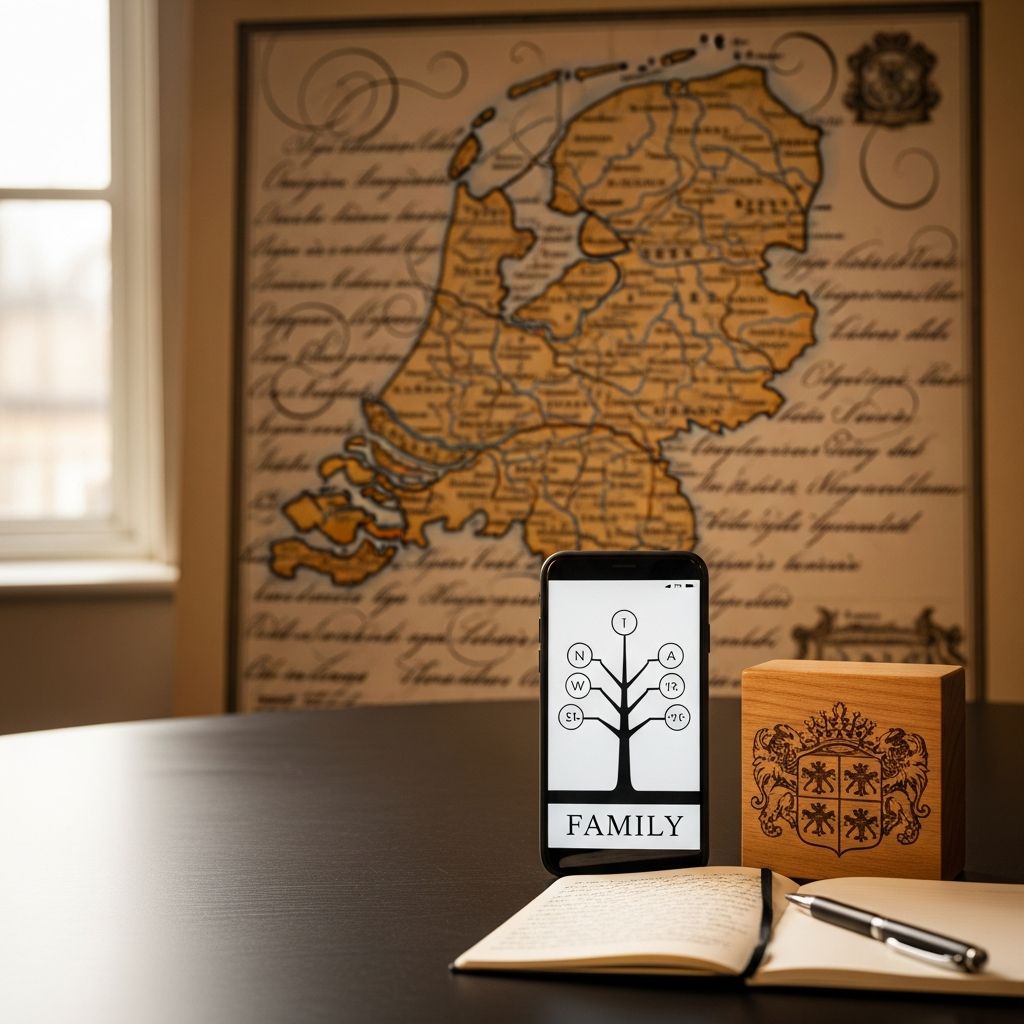
Dutch surnames carry centuries of history in just a few letters. Whether exploring family roots, choosing a baby name, or simply curious about European naming traditions, understanding Dutch last names opens a window into geography, language, and social life in the Low Countries.
Why Dutch Last Names Are So Fascinating
Many Dutch family names grew out of everyday details: where someone lived, who their father was, what job they did, or even a memorable personality trait. Taken together, they form a living archive of how people in the Netherlands and surrounding regions once saw themselves and their neighbors.
Because Dutch naming laws changed in the 19th century, a lot of surnames were chosen within a short time span. That moment in history left behind an unusually colorful mix of serious, practical, and sometimes very humorous names. Today, those same names help modern families trace ancestry and cultural identity.
Key Features of Dutch Surnames
To read a Dutch surname correctly, it helps to recognize several common building blocks: prefixes, endings, and patterns that reveal meaning. These elements are often subtle, but once you notice them, many unfamiliar names begin to make sense.
- Prefixes like van, van der, de, and te usually point to locations or descriptive phrases.
- Patronymic endings such as -sen, -s, or -sz hint at “son of” style names based on a father’s given name.
- Regional suffixes like -stra, -ma, or -inga often signal Frisian or northern Dutch roots.
Major Types of Dutch Family Names
Most Dutch surnames fall into a few broad categories. Knowing these helps you quickly classify a name and make an educated guess about its original meaning, even if you are not fluent in Dutch.
Below are the most common types, explained in everyday language and supported by typical patterns and examples.
Patronymic Surnames: “Child of” Names
For centuries, many Dutch people did not use fixed family names at all. Instead, they used patronymics: last names formed from the father’s given name. A son or daughter would be identified as “X’s child,” and that label could change from generation to generation.
When permanent surnames became required, many families simply froze their existing patronymic and passed it down unchanged. This is why so many modern Dutch surnames still look like “child of Jan,” “child of Willem,” or “child of Pieter,” even though the original parent is long forgotten.
How to Recognize Patronymics
- Look for endings like -sen, -se, -s, or -sz.
- Check whether the first part of the name looks like a traditional Dutch first name, such as Jan, Dirk, Klaas, or Hendrik.
- Remember that spelling shifted over time; one family line might appear with multiple historical spellings.
Place-Based Surnames: Names from the Map
Another large group of Dutch surnames refers to towns, landscapes, farms, and even small local features like bridges, dikes, and fields. These location-based names often began as practical descriptions of where someone came from or lived.
Because the Netherlands is crisscrossed by rivers, canals, and reclaimed land, many of these surnames describe water, marshes, meadows, or man-made structures designed to control flooding.
Common Clues in Location Names
- Prefixes such as van (“from”), van de or van der (“from the”), and te/ter (“at” or “on”).
- Words for landscape features, like fields, forests, dikes, bridges, banks, or meadows.
- References to towns or villages that can still be found on modern maps, though spellings may have shifted.
Occupational Surnames: Jobs Turned into Identities
Like many European countries, the Netherlands has a rich tradition of occupational surnames. These names once identified people by what they did for a living: farmer, butcher, miller, blacksmith, merchant, or town official.
Because certain trades were passed down from one generation to the next, job titles gradually hardened into family names. Today, these surnames no longer guarantee that someone works in that profession, but they still hint at the skills that once defined a family line.
Typical Job-Based Elements
- Words related to farming, milling, baking, and fishing.
- References to public roles, such as judges, stewards, or people responsible for collecting tolls or taxes.
- Combinations of occupations with prefixes like de (“the”), forming names that mean “the baker,” “the miller,” and so on.
Descriptive and Nickname-Based Surnames
A lively subset of Dutch surnames started out as nicknames, often highlighting a physical trait, personality, or reputation. Some of these are flattering, while others are blunt or humorous in a way that reflects the straightforward Dutch sense of humor.
Over time, nicknames that once helped distinguish two people with the same first name became formal surnames. That is why some modern Dutch last names still translate to surprisingly vivid phrases referring to hair color, height, or even quirky habits.
What Descriptive Names Might Reveal
- Body type or size, such as words meaning tall, short, strong, or thin.
- Color references, usually pointing to hair color, skin tone, or clothing.
- Animal names, where the animal symbolizes a trait like cleverness, strength, or stubbornness.
Prefixes and Suffixes: The Building Blocks
Many Dutch surnames are easier to interpret if you break them into pieces. The beginning and ending of a name often carry clear grammatical meaning, even if the root word itself is unfamiliar to non-Dutch speakers.
Learning these recurring elements is especially useful for genealogy, because they help you distinguish between unrelated families that happen to share a similar root word and families whose names evolved from the same original phrase.
Common Dutch Prefixes Explained
| Prefix | Literal sense | Typical use |
|---|---|---|
| van | from | Indicates place of origin or a family’s connection to a location. |
| van de / van der / van den | from the | Links a family to a specific feature, such as a bridge, dike, or field. |
| de / den | the | Often precedes occupational or descriptive words to form a title-like surname. |
| te / ter / ten | at / on the | Points to someone living at a particular farm, house, or geographic feature. |
| ver- | contracted form of “from the” | Compressed version of a place-based phrase; suggests older or dialectal forms. |
Suffixes and Regional Flavors
- Frisian-style endings like -ma, -stra, or -inga often signal northern coastal roots and sometimes translate to “people of” or “descendants of.”
- Patronymic-style endings such as -sen, -s, or -sz usually point to older “son of” naming patterns.
- Local variations mean that similar endings can appear in neighboring regions, especially where dialect boundaries blur.
Dutch Surnames and Regional Identity
The Netherlands may be a relatively small country, but its regions have distinct linguistic and cultural flavors, and surnames reflect that diversity. Certain endings, prefixes, or root words are far more common in the north than in the south, or in rural provinces compared to major port cities.
This regional character makes Dutch surnames a powerful tool for tracing not just national origin but also more specific local roots, such as a connection to Friesland, Zeeland, or the eastern borderlands.
Regional Tendencies at a Glance
| Broad region | Typical features | What it may suggest |
|---|---|---|
| Northern coastal areas | Frequent use of -ma, -stra, -inga, and compact, consonant-heavy names. | Historic Frisian influence and strong local clan or family group identities. |
| Western urban centers | Many names with van, de, and job-based roots; more foreign-influenced surnames. | Migration through ports, trade links, and mixed cultural backgrounds. |
| Eastern border provinces | Overlap with German naming patterns, including some shared roots and spellings. | Centuries of cross-border movement and blended dialects. |
Humor and Quirkiness in Dutch Last Names
One of the most charming aspects of Dutch surnames is how playful some of them are. A number of families chose names that were clearly jokes, puns, or tongue-in-cheek descriptions, perhaps not expecting them to become permanent markers for generations.
These quirky surnames can refer to everyday objects, embarrassing truths, exaggerated personality traits, or even the idea of not having a name at all. They add a distinct human touch to the otherwise formal world of civil registration and record-keeping.
Tips for Understanding a Dutch Surname You Encounter
When you come across a Dutch last name and want to interpret it, a step-by-step approach can reveal surprising details. Even without fluency in the language, you can often identify the type of surname and its likely origin.
- Break the name into parts. Separate prefixes like van or de from the main element.
- Look for obvious endings. Note suffixes that suggest a region ( ma, stra) or a patronymic origin ( sen, s).
- Check if the root matches a first name. If it does, the surname is probably patronymic.
- Consider geography. Ask whether the root looks like a town, river, or landscape feature.
- Consult a Dutch dictionary or map. Modern resources can help confirm whether your guess makes sense.
Using Dutch Surnames in Genealogy and Baby Naming
For family historians, Dutch surnames are invaluable clues. They can guide you toward specific regions to search, hint at older spelling variants, and help distinguish unrelated lines that only seem similar on the surface.
For parents and name enthusiasts, Dutch surnames can also inspire distinctive baby names. Some families choose to adapt a meaningful surname into a middle name or modernize an ancestral name to create a unique yet historically grounded first name.
Practical Ways to Use This Knowledge
- Combine a traditional Dutch surname root with an international first name for a balanced, cross-cultural full name.
- Use surname meanings to honor family trades, hometowns, or traits that matter to your story.
- In genealogical research, always record alternative spellings, especially for older handwritten records.
Frequently Asked Questions About Dutch Surnames
Are all Dutch surnames old?
Many Dutch surnames have roots stretching back centuries, but the moment when they became fixed and hereditary is relatively recent compared to some other European traditions. Some names were created or standardized within the last two hundred years, especially during periods of administrative reform.
Why do some Dutch families share a name but are not related?
Because many surnames describe common occupations, locations, or traits, different families could easily choose the same or very similar names independently. As a result, sharing a surname does not automatically guarantee a close family connection, particularly with widespread names based on popular first names or generic landscapes.
Why do Dutch surnames sometimes appear differently in foreign records?
When families emigrated, local officials often adapted names to fit the pronunciation or spelling rules of the new language. Prefixes were sometimes joined to the main name, capitalized differently, or simplified, and unfamiliar letters were replaced by more common ones in the receiving country.
Is it acceptable to adapt a Dutch surname as a baby name?
Many parents draw on surnames, including Dutch ones, for middle names or even first names as a way to honor heritage. When doing so, it helps to understand the meaning and cultural context of the original surname, both out of respect and to ensure the name carries the kind of message the family intends.
How can I find out more about a specific Dutch last name?
Online surname dictionaries, Dutch-language historical resources, and regional archives are good starting points. Genealogy forums and local historical societies can also provide insight into how a particular name evolved, which spellings are most authentic, and what stories have attached to that surname over time.
Exploring Dutch surnames blends language, history, and family memory into a single intriguing puzzle. Whether your goal is to trace ancestors, select a meaningful baby name, or simply understand the names you encounter, learning how these surnames work turns a familiar label into a rich story.