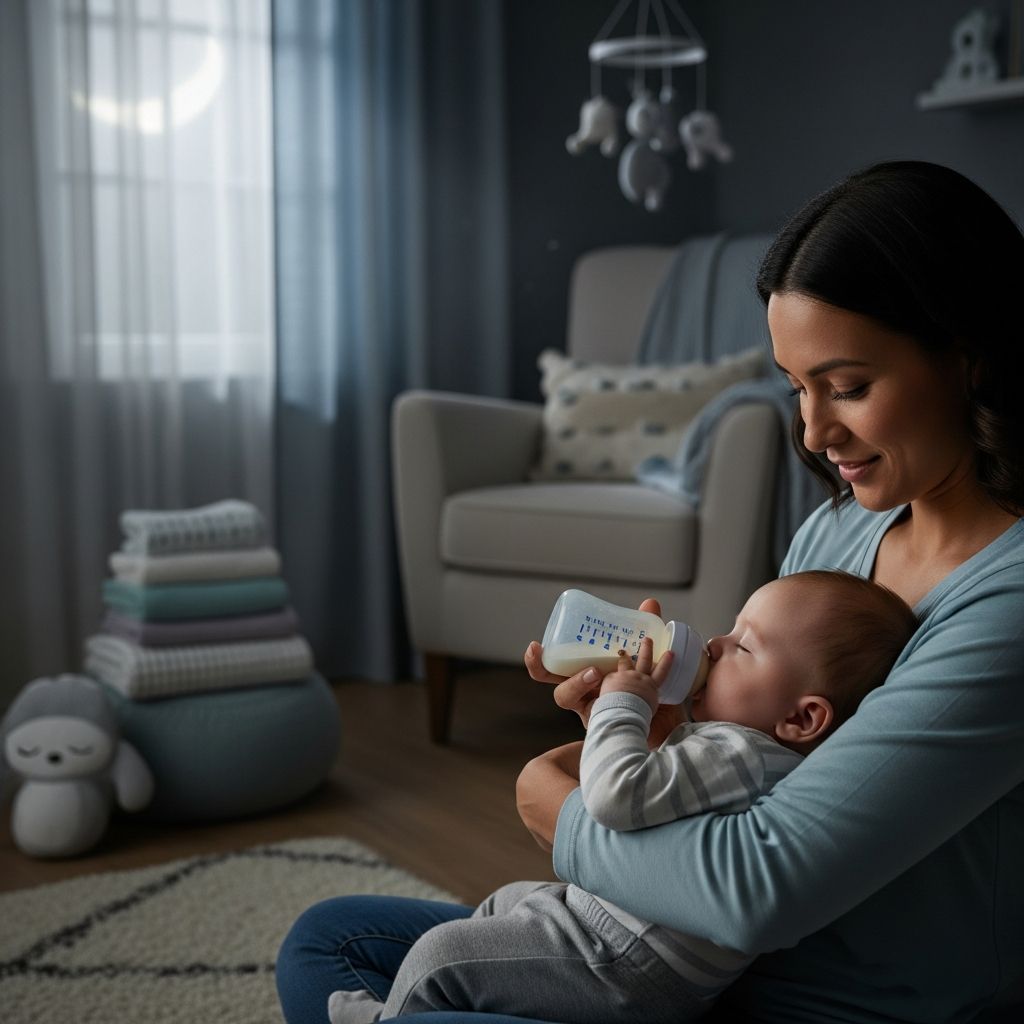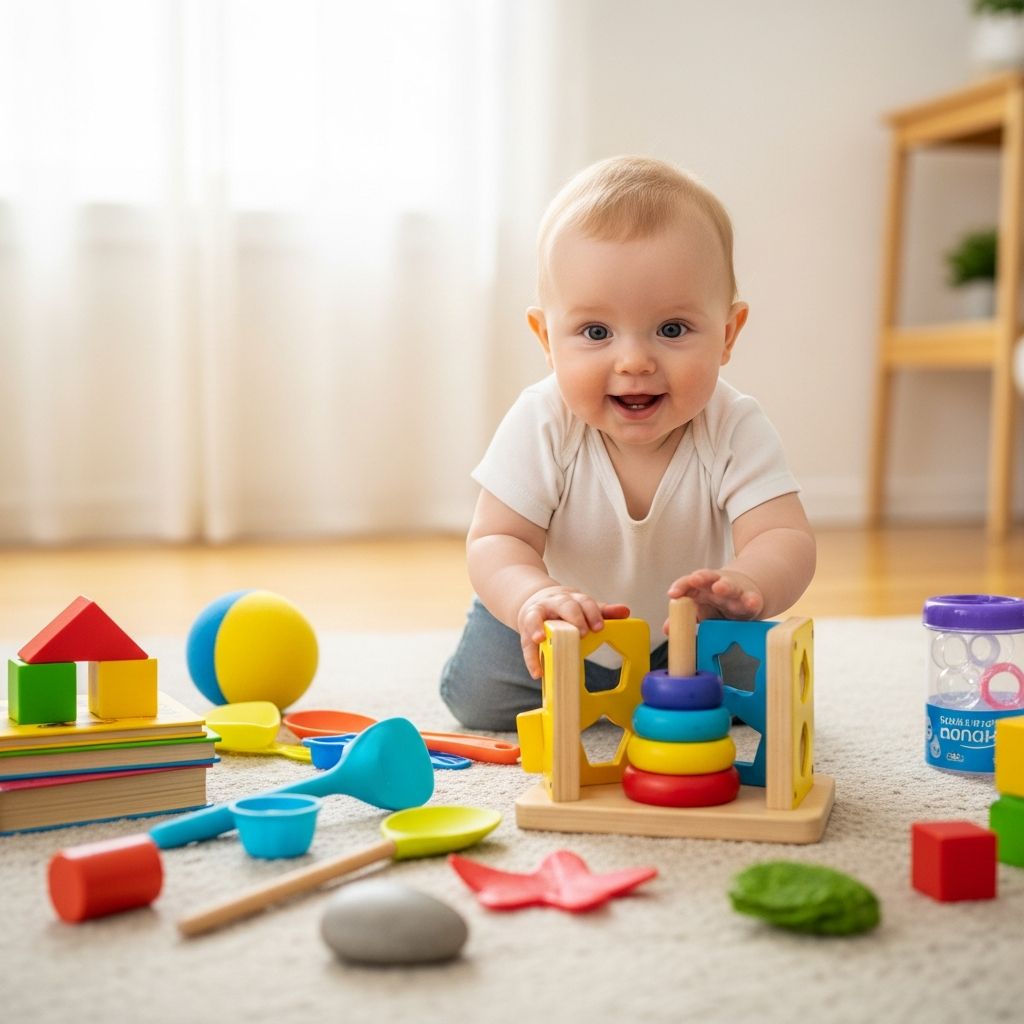
The first year of life is a critical window for cognitive development, when a baby’s brain forms millions of neural connections daily. Simple, consistent interactions can significantly enhance thinking, memory, problem-solving, and language skills. This guide offers 40 original, research-inspired strategies grouped by age and activity type to help parents nurture their infant’s intellect effortlessly.
Understanding Cognitive Milestones in the First Year
Babies progress rapidly in cognitive abilities. From birth, they differentiate self from surroundings and respond to stimuli. By 3-6 months, they coo, smile at mirrors, and grasp objects. At 6-9 months, exploration intensifies with cause-and-effect experiments like dropping items. By 9-12 months, they understand instructions, say first words, and enjoy repetitive games.
These milestones rely on sensory integration—combining sight, sound, touch, taste, and movement—and responsive caregiving that reinforces learning through repetition and encouragement.
Foundational Interactions: Building Secure Bonds
Responsive interactions form the bedrock of cognitive growth by making babies feel secure, encouraging exploration. Here are key strategies:
- Respond promptly to cues: Notice cries, smiles, or gazes and reply with words, touches, or mimicry. This teaches cause-and-effect and builds trust.
- Engage in face-to-face play: Exaggerate expressions and sounds during tummy time to boost attention and social cognition.
- Narrate daily routines: Describe actions like ‘We’re washing your hands now’ to expand vocabulary and comprehension.
- Mirror emotions: Reflect your baby’s feelings verbally, e.g., ‘You look happy!’ to foster emotional intelligence linked to cognitive skills.
Sensory Exploration: Awakening the Senses
Sensory play stimulates neural pathways, aiding pattern recognition and categorization. Introduce variety safely:
- Texture treasure hunt: Offer fabrics, wooden spoons, and soft balls for touching. Describe sensations: ‘This is fuzzy!’ Supervise to prevent mouthing hazards.
- Sound symphony: Shake bells, rattle containers with rice, or hum tunes. Vary pitches to sharpen auditory discrimination.
- Scent adventures: Safely expose to mild smells like citrus peels or spices during meals, linking scents to objects.
- Light and shadow play: Use flashlights to create patterns on walls, teaching visual tracking.
Daily Reading and Language Rituals
Reading from birth promotes language acquisition, memory, and imagination. Even non-verbal babies benefit from rhythmic exposure.
- Start with board books: High-contrast images for newborns; textured pages for 3+ months.
- Use voices and props: Animate characters with silly sounds or puppets for 6-12 months.
- Repeat favorites: Familiar stories build confidence and prediction skills.
- Create personal books: Paste family photos with labels to reinforce names and faces.
| Age | Book Type | Benefits |
|---|---|---|
| 0-3 months | Black/white patterns | Visual focus |
| 3-6 months | Cloth/textured | Sensory + motor |
| 6-12 months | Lift-the-flap | Cause-effect, surprise |
Movement and Physical Challenges
Physical activity ties directly to brain development via motor-sensory links.
- Tummy time treasures: Place toys just out of reach to encourage rolling and lifting.
- Roll and chase: Roll balls back and forth to teach trajectories.
- Pull-up stations: Secure furniture for cruising, building spatial awareness.
- Dance parties: Hold baby and sway to music, syncing rhythm with movement.
Cause-and-Effect Discoveries
By 8-12 months, babies test actions like pushing or dropping to learn outcomes.
- Action toys: Buttons that pop animals or lids that reveal surprises.
- Drop zones: Safe baskets for tossing items, predicting landings.
- Stack and knock: Build towers together, then topple for joy and physics lessons.
- Pull strings: Toys with activating pulls to grasp causality.
Bath and Mealtime Learning Labs
Routines become teachable moments with sensory twists.
- Water wonders: Float cups, pour between containers for volume concepts.
- Finger foods fun: Let baby self-feed soft pieces, exploring textures and coordination.
- Bubble bursts: Blow bubbles in bath; track and pop for hand-eye skill.
- Sink or float: Test safe objects to categorize properties.
Imitation and Make-Believe Sparks
Pretend play reinforces functions and names by 9-12 months.
- Demonstrate tools: Brush doll’s hair or ‘feed’ toy, praising imitation.
- Peekaboo variations: Hide under blankets or behind legs for object permanence.
- Mirror games: Make faces together; baby copies for self-awareness.
- Pat-a-cake: Clap rhythms, naming body parts.
Rest and Repetition Routines
Sleep consolidates learning; repetition strengthens pathways.
- Consistent naps: Follow active play with quiet time; watch for sleepy cues.
- Daily echoes: Repeat songs or actions to build mastery.
- Wind-down reads: Soft books before bed link calm with cognition.
- Same-story nights: Familiar tales aid memory retention.
Environmental Tweaks for Big Impact
A stimulating, safe space invites discovery without overwhelm.
- Discovery drawers: Stock low cabinets with pots, spoons, socks.
- Rotate treasures: Swap toys weekly to reignite curiosity.
- Nature touches: Safe leaves or pinecones for organic textures.
- Mobile gyms: Hang contrasting shapes overhead for tracking.
Frequently Asked Questions (FAQs)
What is the most important factor in baby cognitive development?
Responsive caregiving—quickly noticing and reacting to your baby’s signals—builds security and learning foundations.
How much daily play is needed for brain growth?
Throughout waking hours via interactions; aim for 15-30 minutes focused sensory/motor play multiple times daily.
Are screens helpful for infants under 12 months?
No; prioritize human interaction over screens for optimal neural development.
When should I worry about delays?
Consult a pediatrician if by 12 months no babbling, gestures, or response to name.
Can any household item boost cognition?
Yes, safe items like boxes, spoons, and fabrics teach more through real exploration than fancy toys.
References
- Play ideas for baby cognitive development — Raising Children Network. 2023. https://raisingchildren.net.au/babies/play-learning/play-baby-development/thinking-play-babies
- 7 Ways To Boost Your Baby’s Cognitive Development — The Motherhood Center. 2024. https://www.motherhoodcenter.com/boost-your-babys-cognitive-development/
- How to Encourage Healthy Baby Brain Development — Abbott. 2023-10-01. https://www.abbott.com/en-us/corpnewsroom/nutrition-health-and-wellness/how-to-encourage-healthy-baby-brain-development
- Cognitive Development in Infants: 8 to 12 Months — American Academy of Pediatrics (healthychildren.org). 2024. https://www.healthychildren.org/English/ages-stages/baby/Pages/Cognitive-Development-8-to-12-Months.aspx
- Positive Parenting Tips: Infants (0–1 years) — Centers for Disease Control and Prevention (CDC). 2025-01-15. https://www.cdc.gov/child-development/positive-parenting-tips/infants.html
- Cognitive Development — StatPearls, NCBI Bookshelf, NIH. 2023-07-17. https://www.ncbi.nlm.nih.gov/books/NBK537095/