A baby changing table can make diaper duty less stressful and more comfortable, but only when it is chosen, installed, and used with safety in mind. This guide walks you through how to pick the right changing surface, organize your supplies, and protect your baby from common hazards like falls.
Why Use a Changing Table at All?
You do not need a changing table to care for your baby, but many parents find that a dedicated changing area offers several advantages:
- Comfortable height for caregivers, which can reduce back strain during frequent diaper changes.
- Dedicated storage for diapers, wipes, creams, and clean clothes so everything is easy to reach.
- Defined routine that helps keep diaper changes predictable and organized.
- Easier cleaning when accidents happen, compared with changing on a couch or bed.
However, any elevated surface also introduces a fall risk, which is why understanding safety features and proper use is essential.
Key Safety Risks to Understand
Falls from changing tables are a significant cause of injuries in infants and toddlers. Consumer safety data show that thousands of babies are treated every year for injuries related to changing tables and other nursery products.
Common risks include:
- Rolling off the surface when a baby turns unexpectedly.
- Caregiver distraction, such as turning away to reach for supplies or answer a phone.
- Unstable or poorly assembled furniture that wobbles or tips.
- Nearby hazards within baby’s reach, like cords, window blinds, or bottles and creams that can be pulled down.
Recognizing these risks helps you evaluate products more critically and develop safer habits from the start.
Types of Baby Changing Solutions
Parents can choose from several types of changing setups depending on space, budget, and lifestyle.
| Type | Main Pros | Main Cons |
|---|---|---|
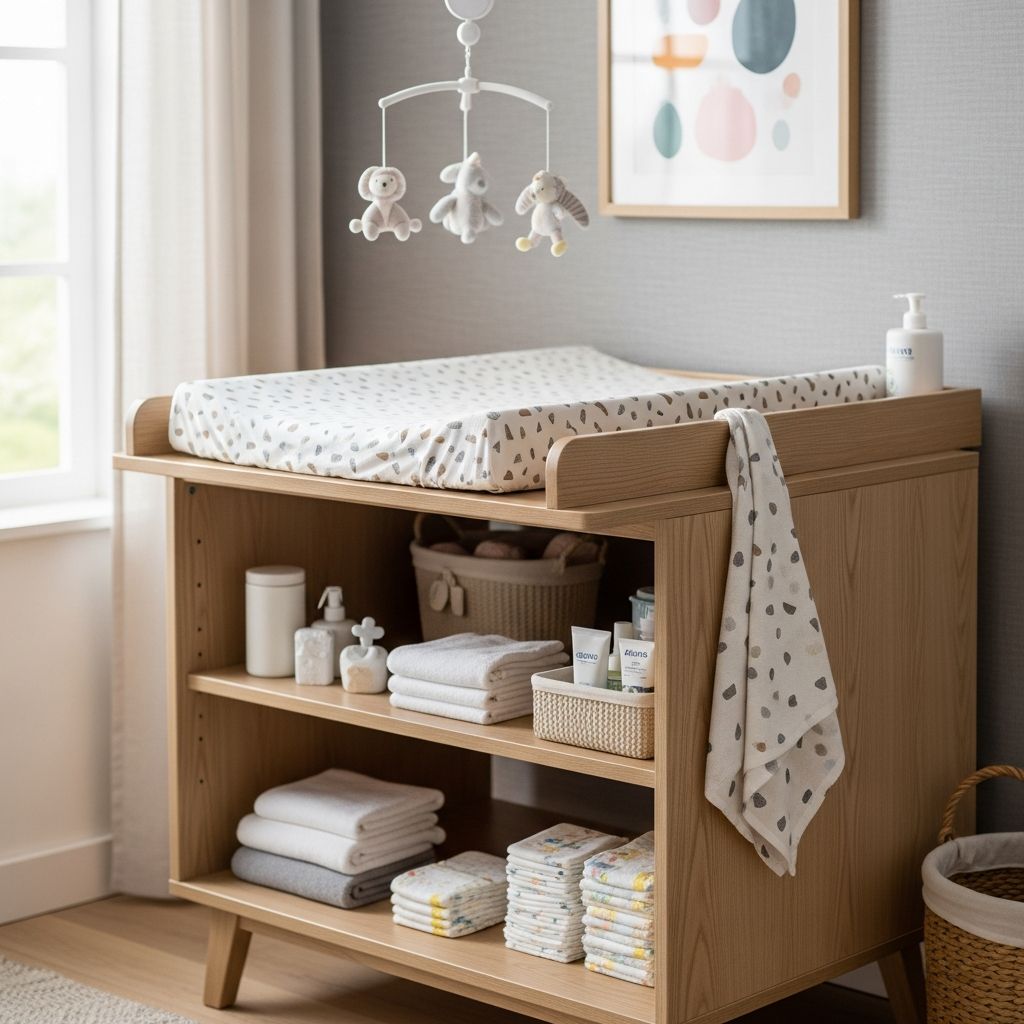
| Freestanding changing table | Dedicated space, built-in storage, often at ergonomic height. | Takes more room; must check stability and assembly. |
| Dresser with changing pad | Dual use as storage; can be used long-term once baby outgrows diapers. | Needs secure pad attachment and raised edges for safety. |
| Portable or foldable changing table | Good for small spaces or travel; can be put away when not in use. | May be less sturdy; check weight limits and locking mechanisms. |
| Floor-level mat | Virtually eliminates fall risk; can be used anywhere. | Less comfortable for adult’s back; needs a clean surface underneath. |
Essential Safety Features to Look For
Regardless of the style you choose, prioritize these core safety features when shopping.
1. Strong and Stable Structure
- Choose a table made of sturdy materials that does not wobble when gently pushed.
- Check the manufacturer’s weight limit and make sure it suits the age range you expect to use it.
- Look for a wide base or an anti-tip kit if the table is tall or top-heavy.
2. Raised Edges and Guardrails
- Select a changing surface with raised sides around the pad to help prevent roll-offs.
- Many safety experts recommend sides at least a few centimeters (about 2 inches) high, ideally around the full perimeter.
- Combine raised edges with a contoured or concave changing pad, which cradles the baby’s body.
3. Safety Straps
- Choose a pad or table with a sturdy restraint strap that buckles over the baby’s midsection.
- Straps should be adjustable to fit snugly without sagging and checked often for wear or damage.
- Remember: straps are a backup layer, not a substitute for keeping a hand on your baby.
4. Smooth Surfaces and Safe Gaps
- Inspect the table for sharp edges, protruding screws, or splinters that could scratch or cut.
- Avoid designs with gaps or openings where fingers, arms, or the head could become trapped.
- Check hinges and folding mechanisms to ensure they lock securely and do not pinch.
5. Easy-to-Clean Materials
- Opt for a water-resistant changing pad that can be wiped down quickly after accidents.
- Removable covers that can be machine-washed make routine cleaning easier.
- Non-porous, easy-clean materials help limit germ buildup when combined with regular disinfecting.
Safer Habits for Everyday Use
Even the safest changing table cannot prevent injuries without safe habits. Simple behavior changes make the biggest difference.
Never Leave Your Baby Unattended
- Keep one hand on your baby at all times while on an elevated surface, even when using straps and guardrails.
- Do not walk away to grab supplies, open the door, or answer your phone. If you must leave, take your baby with you.
Prepare Before You Start
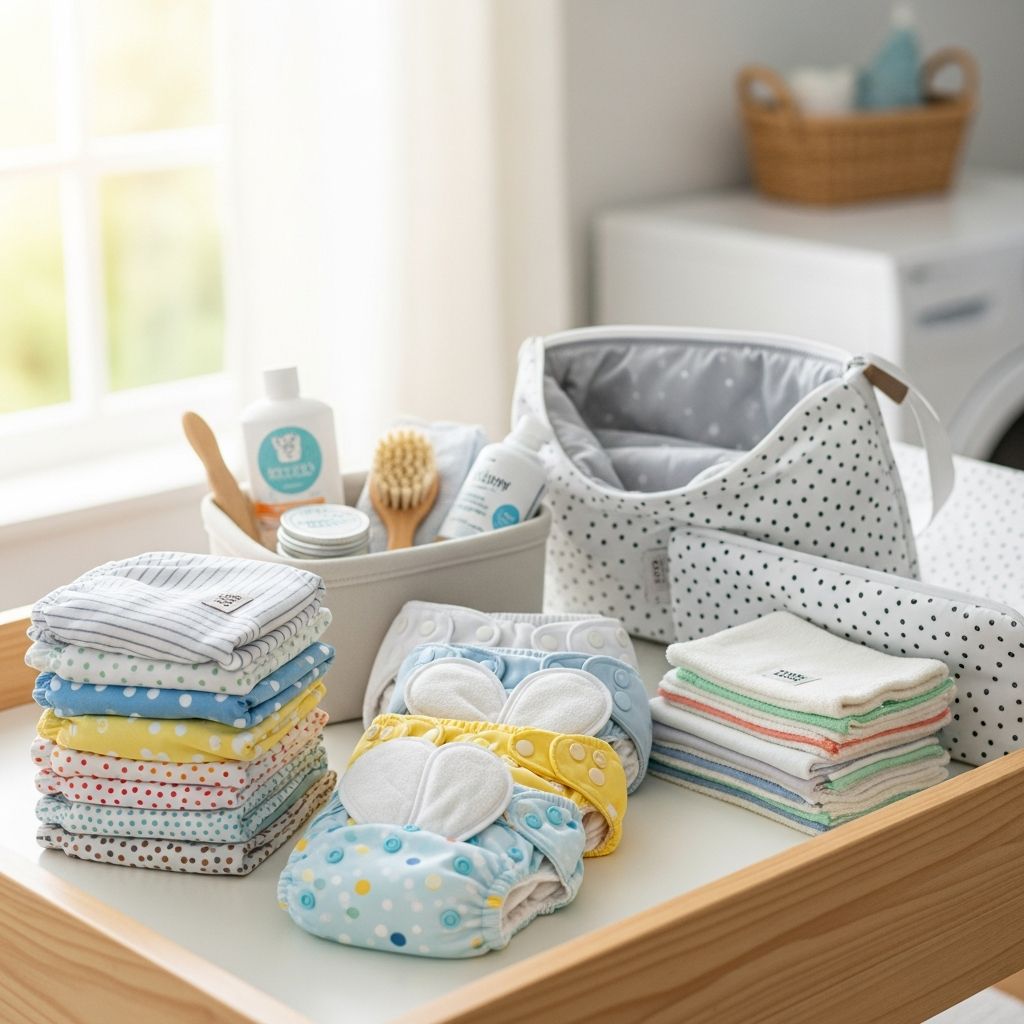
- Set up a small changing “zone” with important items within arm’s reach but out of the baby’s reach.
- Common items to keep handy include:
- Diapers in the correct size
- Wipes or cotton and warm water
- Diaper cream as recommended by your health professional
- A few spare onesies or outfits
- Disposable bags or a diaper pail
Planning ahead reduces the temptation to look away or step away mid-change.
Keep Hazards Out of Reach
- Do not store medications, creams, scissors, or heavy items on shelves where they can be pulled down.
- Make sure window blind cords, electrical cords, or strings are nowhere near the changing area.
- Avoid hanging heavy wall decor directly above the table.
Use the Floor When Needed
- If your baby is especially active or you feel tired or distracted, consider changing the diaper on a clean mat on the floor instead.
- Floor-level changing nearly eliminates fall risk, particularly for rolling or crawling babies.
Setting Up Your Changing Area at Home
A well-thought-out space can make dozens of daily diaper changes more efficient and less stressful.
Choosing the Right Location
- Place the table on a flat, level surface away from stairs or steps.
- Keep some space around the table so you can stand comfortably and move without bumping into furniture.
- Avoid locations directly under shelves with heavy or breakable items.
Organizing Storage
Consider dividing storage into zones:
- Top surface or top shelf: Diapers, wipes, rash cream, and a small toy.
- Middle shelves or drawers: Extra clothes, burp cloths, washcloths.
- Lower shelves: Bulk supplies like spare diaper packs and wipes refills.
Keep clutter to a minimum on the changing surface so there is plenty of room to lay your baby safely.
Lighting and Temperature
- Ensure the area is well lit so you can see what you are doing, especially for nighttime changes.
- A small nightlight nearby can help prevent trips or bumps during late-night diaper duty.
- Keep the room comfortably warm to avoid chilling your baby during clothing changes.
Cleaning, Maintenance, and When to Replace
Good hygiene protects your baby from infection and keeps the changing zone pleasant.
Routine Cleaning
- Wipe the pad and table after messy changes with a mild detergent or cleaner appropriate for nursery use.
- Wash any cloth covers or towels frequently.
- Regularly disinfect high-touch areas like straps and buckles.
Inspecting for Wear and Damage
- Check for cracks, loose screws, or wobbly legs every few weeks.
- Inspect restraint straps for fraying, stretching, or broken buckles.
- Look at the changing pad for tears or flattening that make it less supportive.
Signs It Is Time to Stop Using the Table
- Your child exceeds the manufacturer’s weight limit or height recommendation.
- Your child becomes too active to be safely restrained on an elevated surface.
- The table shows structural damage that cannot be repaired reliably.
Many families transition to a floor mat or bed-level changing once their child becomes more mobile.
Special Considerations for Public and Shared Changing Areas
Many public restrooms and community spaces now offer baby changing stations. Standards for these fixtures aim to keep babies safe.
- Look for sturdy wall-mounted units with a visible weight limit and a locking mechanism that holds them firmly open.
- Always buckle the safety strap provided on public units.
- Use a disposable liner, blanket, or changing mat between your baby and the surface, then clean your hands after use.
Frequently Asked Questions (FAQs)
Do I really need a changing table, or is a pad enough?
You do not have to buy a dedicated changing table. Many families safely use a changing pad on a sturdy dresser or bed, or a mat on the floor. The key is to ensure the surface is stable, the pad is secured and has raised sides, and you always keep a hand on your baby.
What is the safest place to change a very active baby?
For very active or rolling babies, the floor is often the safest choice because it removes the risk of falling from a height. If you still use an elevated surface, combine raised sides, safety straps, and constant supervision, and be prepared to transition to floor-level changing as your baby becomes more mobile.
How high should the guardrails or sides be?
Safety guidelines and expert recommendations generally favor guardrails or raised sides at least about 2 inches high around the changing surface, ideally combined with a contoured pad and safety straps. Higher and more complete barriers provide better roll-off protection, but they do not replace close supervision.
How long can I safely use a changing table?
Follow the manufacturer’s weight and height limits, and stop using the table once your child exceeds them or becomes too strong and active to stay safely in place, even with straps. Many parents transition to floor-level changes during toddlerhood.
Are wall-mounted commercial changing stations safe?
When properly installed according to safety standards and used as directed—with safety straps fastened and the surface not overloaded—commercial baby changing stations in public facilities are designed to be safe. Still, always keep a hand on your baby and never turn away while they are on the station.
References
- Change Table Safety — Kidsafe NSW. 2013-01-01. https://www.kidsafensw.org/imagesDB/documents/ChangeTablesSafety2013_1.pdf
- 5 Safety Pointers To Follow While Using a Changing Table — Simply Nursery Blog. 2021-05-01. https://www.simplynursery.com/blogs/simply-mom-and-baby/5-safety-pointers-to-follow-while-using-a-changing-table
- Smart Habits to Prevent Changing-Table Falls — Consumer Reports. 2009-11-01. https://www.consumerreports.org/cro/news/2009/11/smart-habits-to-prevent-changing-table-falls/index.htm
- Types of Changing Tables: The Best Baby Changing Station for Your Business — Berls. 2023-04-10. https://www.berls.com/blog/types-of-changing-tables
- Daycare Changing Table: Top Features to Look For — Kinderhuis. 2022-08-15. https://kinderhuis.co/blogs/news/daycare-changing-table-top-features-to-look-for
- The 8 Best Changing Tables To Make Diapering Easier — Forbes Health / Inspired Diagnostics. 2023-06-05. https://inspirediagnostics.com/the-8-best-changing-tables-to-make-diapering-easier/
- The Business Benefits of Commercial Baby Changing Tables — PHS Group. 2021-03-20. https://www.phs.co.uk/resources/the-business-benefits-of-commercial-baby-changing-tables/