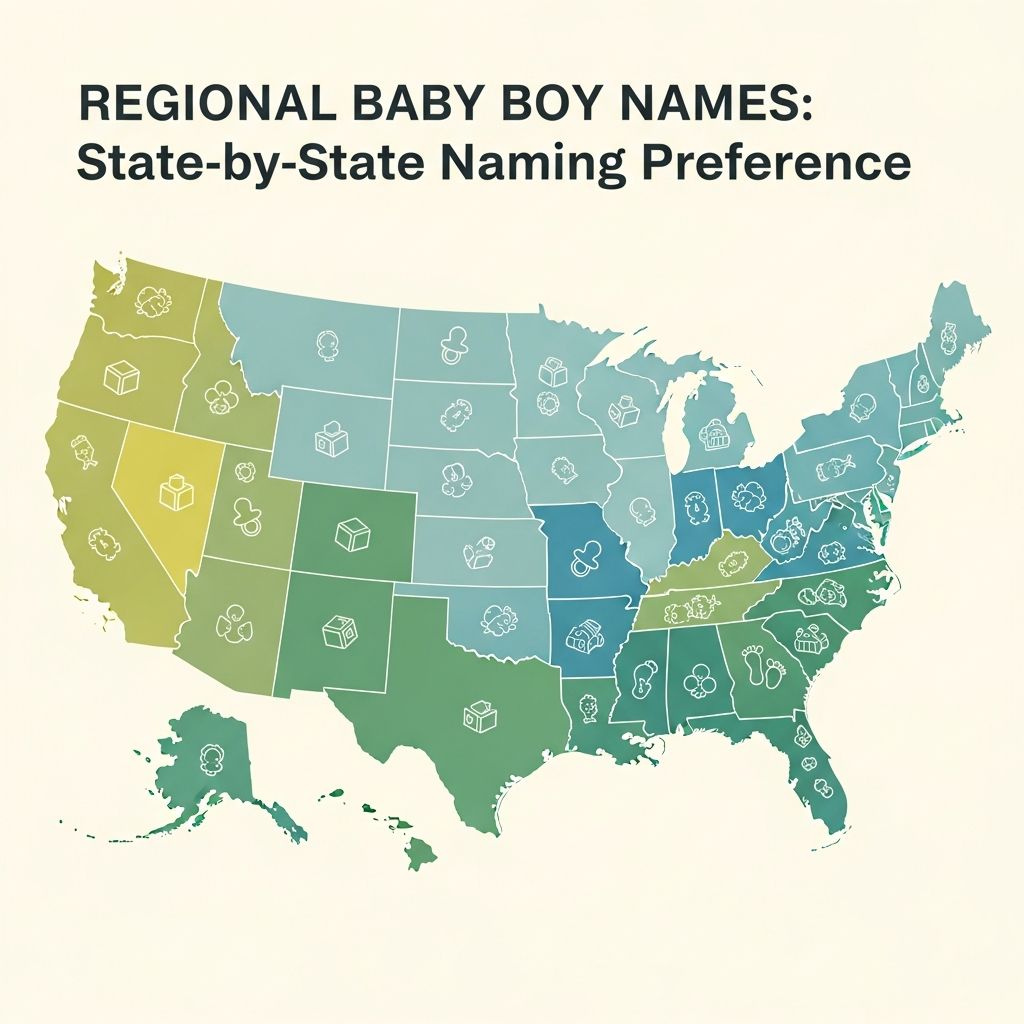
Understanding Baby Boy Names Across America’s Diverse Regions
The selection of a baby’s name represents one of the most meaningful decisions parents make. While national trends dominate conversations about popular baby names, the reality is far more nuanced. Regional preferences, cultural backgrounds, and local values create distinct patterns in how families across different states choose to name their sons. This geographic diversity in naming reflects the rich tapestry of American society, where various communities maintain unique traditions while also participating in broader cultural movements.
Recent data from naming organizations and birth registrars reveals that despite the dominance of names like Liam and Noah at the national level, individual states often prioritize different names for their newborn boys. These regional variations offer fascinating insights into community values, heritage considerations, and emerging cultural influences that shape parental decisions in specific geographic areas.
The National Naming Foundation and State Variations
While Liam maintains its position as the most popular boy name across the United States for eight consecutive years, and Noah holds steady in second place, this national consensus masks significant regional diversity. When examining individual states, a more complex picture emerges where certain names gain exceptional popularity in particular regions while remaining relatively uncommon elsewhere.
Several factors contribute to these regional differences:
- Demographic composition and cultural heritage of the state’s population
- Geographic location and associated lifestyle preferences
- Economic conditions and educational backgrounds of parents
- Influence of local celebrities, historical figures, or cultural icons
- Religious and community traditions unique to the region
- Immigration patterns and family lineage considerations
Emerging Naming Trends Across Different State Clusters
States can be grouped into clusters based on their naming preferences, revealing patterns that extend beyond individual selections. Certain names surge dramatically in specific regions while gaining slower traction elsewhere, suggesting that regional culture plays a meaningful role in family decision-making.
Names reflecting nature and environmental consciousness demonstrate particular strength in states with strong environmental movements and outdoor cultures. Western states, in particular, show pronounced preference for names like Wilder, River-inspired selections, and choices evoking open spaces. Meanwhile, states with strong traditional or religious communities often favor classical names with historical or biblical roots, including selections like Benjamin, Samuel, and Joshua that maintain consistent popularity across generations.
Urban Centers Versus Rural Preferences
A clear distinction emerges when comparing naming patterns between urban metropolitan areas and rural communities within states. Metropolitan regions tend to embrace more contemporary, unconventional names that reflect cosmopolitan values and cultural diversity. Parents in major cities show greater willingness to select names that feel modern, gender-neutral, or drawn from non-English linguistic traditions.
Rural and suburban areas, by contrast, frequently favor established names with deeper historical roots. These communities often prioritize names that feel familiar, timeless, and embedded within regional tradition. The divergence between urban and rural naming preferences within single states can be dramatic, with entirely different names ranking as top choices depending on population density.
Cultural and Heritage-Influenced Naming Patterns
States with significant populations from particular ethnic or cultural backgrounds demonstrate corresponding preferences in baby naming. Hispanic-influenced regions show distinctive patterns toward Spanish names and variations, while states with substantial Asian populations reflect corresponding naming traditions. Arabic names like Musa and Mustafa have registered significant gains in states with growing Middle Eastern communities.
This cultural dimension of regional naming reflects how communities maintain connection to heritage while participating in broader American society. Parents often select names that honor family history, cultural identity, and ancestral traditions while remaining accessible within their current geographic context. The intersection of heritage preservation and contemporary American culture creates unique regional naming signatures.
The Influence of Local Celebrity Culture and Media
Entertainment personalities, athletes, and public figures exert substantial influence on naming preferences, with effects that often concentrate geographically. States where particular celebrities maintain strong local connections or have roots sometimes show elevated popularity for names associated with those figures. Boy band member names, for instance, have registered extraordinary gains in popularity, with names like Jun from K-Pop group Seventeen rising 1,397 spots on popularity rankings.
Television and film production also shapes regional naming trends. States where production occurs or where particular shows maintain devoted audiences sometimes show corresponding increases in character-inspired names. This demonstrates how entertainment consumption patterns, which vary regionally, ripple into actual naming decisions for newborn children.
Modern Philosophy and Name Selection by Region
Broader philosophical shifts in parenting approaches manifest differently across regions. States emphasizing peaceful, nature-connected parenting often prioritize names like Cedar, Shepherd, and Truce, reflecting desires for calm and gentleness. These “peace-oriented” names demonstrate stronger adoption in regions where wellness culture, environmental consciousness, and holistic parenting philosophies maintain stronger influence.
Conversely, regions emphasizing traditional values and achievement-oriented parenting frequently favor names associated with strength, leadership, and historical significance. The name choices parents make often reflect their aspirations for their children and the broader values they hope to instill through identity and naming.
Gender-Neutral Naming Movements by State
The rise of gender-neutral names demonstrates particularly pronounced regional variation. Some states embrace this trend enthusiastically, with parents selecting names like River, Sage, and Parker for their sons at notably higher rates than national averages. Other states maintain more traditional gender-specific naming conventions, with this trend gaining traction more slowly.
Young, highly educated, urban populations tend to pioneer gender-neutral naming choices, while these selections gradually influence broader parenting communities. The geographic spread of this trend reflects changing social attitudes toward gender and identity, manifesting first in progressive urban centers before gradually extending to other regions.
Classic Names Making Regional Comebacks
Vintage naming represents another trend with significant regional variation. Names like Otis, Maeve, Silas, and Arlo demonstrate particular strength in certain states, often correlating with communities that embrace retro aesthetics and vintage culture. Urban creative communities, college towns, and regions with strong arts and culture scenes show exceptional enthusiasm for names that evoke earlier eras while feeling modern in context.
This vintage revival often accompanies broader aesthetic movements where mid-century design, vintage clothing, and retro culture enjoy substantial popularity. Parents selecting vintage names often view this choice as reflecting their appreciation for timeless quality and historical connection.
Mythology and Fantasy-Inspired Selections Across Regions
Names drawing from mythology, fantasy literature, and magical themes demonstrate growing adoption, with geographic concentrations in regions with strong fan communities and cultural engagement with fantasy entertainment. Names like Aurora, Freya, and Cassian appeal to parents who embrace wonder, imagination, and storytelling as central values. These selections often congregate in college towns, progressive urban areas, and communities with active fan cultures.
The popularity of mythology-inspired names reflects broader parental desires to instill sense of wonder and connection to meaningful narratives in their children’s identities. This trend demonstrates that naming choices increasingly reflect not just practical considerations but parents’ deepest values regarding imagination, meaning, and cultural connection.
Surname-Style Names and Regional Professional Identity
Surname-as-given-name selections like Callahan, Bennett, Rhodes, and Wells have registered significant gains across multiple regions. These names convey professionalism, heritage, and family connection. States with strong family business traditions or communities where family names carry particular significance show enhanced adoption of this naming style.
The appeal of surname-style names extends beyond mere aesthetics. Parents selecting these choices often seek to honor family heritage while providing names with inherent gravitas and professional quality. The geographic distribution of this trend correlates with regions where family business ownership, professional advancement, and heritage connection maintain particular cultural importance.
Short, Simplified Names Gaining Universal Appeal
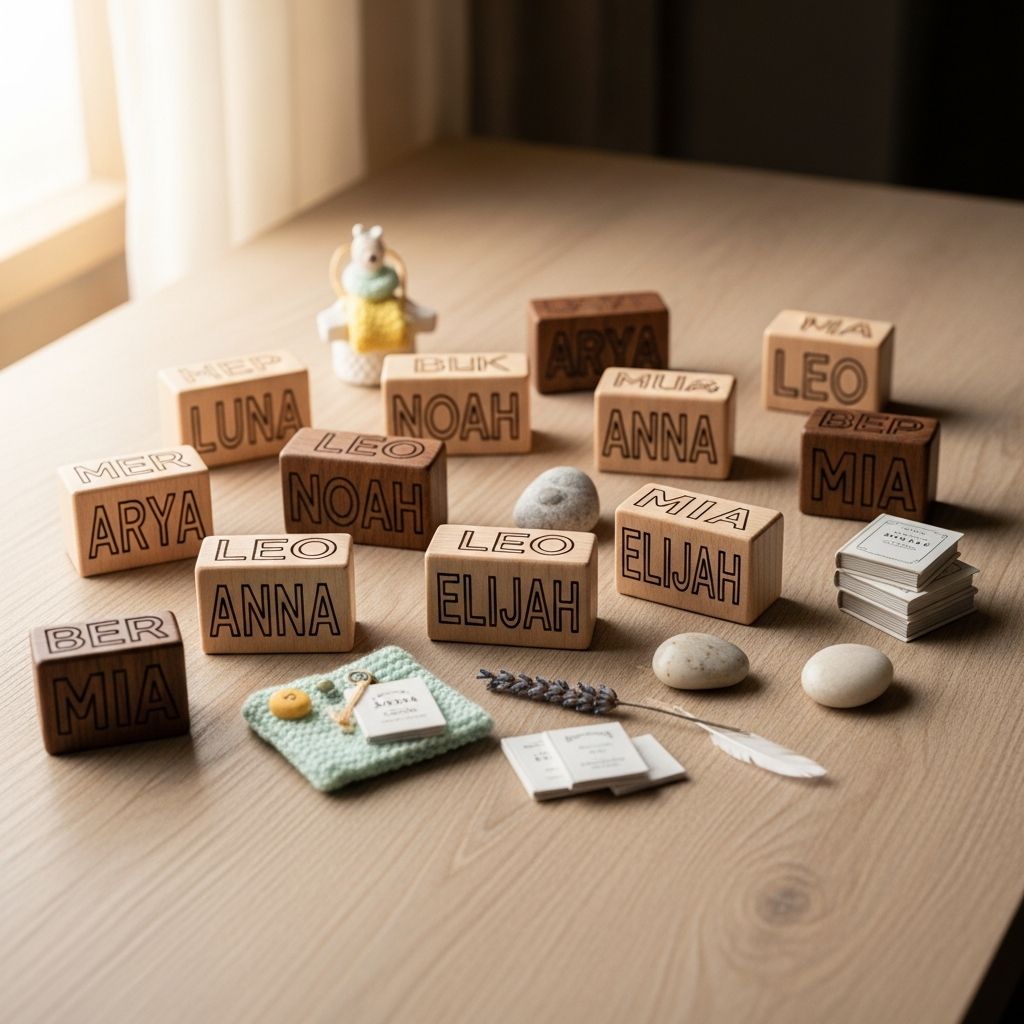
While most naming trends show regional variation, one pattern demonstrates nearly universal adoption: the preference for short, easily pronounced names. Selections like Leo, Noah, Noa, and other concise options appeal across all regions, demographics, and parenting philosophies. This represents one area where truly national consensus emerges, suggesting that practical considerations around communication and simplicity transcend regional boundaries.
Parents from all backgrounds increasingly recognize the value of names that children can easily spell, pronounce, and introduce without repeated explanation. This practical consideration apparently outweighs regional and cultural preferences, creating one area of genuine national consensus in baby naming.
Regional Prosperity and Naming Sophistication
Economic conditions and educational backgrounds in different states correlate with naming patterns, with more affluent and highly educated regions showing greater adoption of uncommon, creatively constructed, or literary-inspired names. States with high concentrations of university-educated parents demonstrate stronger enthusiasm for names like Cassian, Elio, and other contemporary selections requiring some familiarity with current naming discussions.
Conversely, regions with different economic profiles sometimes show stronger preference for established, easily recognized names that require less explanation or cultural context. This does not reflect naming quality or parental care, but rather different approaches to identity creation and the resources available for exploring contemporary naming options.
Religious Traditions and Name Selection Patterns
States with particular religious concentrations show corresponding naming patterns. Communities with strong Christian traditions may favor biblical names like Samuel, Joshua, and Jeremiah at higher rates than national averages. Similarly, states with significant Jewish, Muslim, or other religious populations demonstrate corresponding preferences for names from those traditions.
Religious naming traditions honor spiritual heritage while connecting children to communities of faith and historical spiritual lineages. These choices often carry profound meaning beyond mere preference, representing family commitments to religious identity and community participation.
Frequently Asked Questions
Q: Do baby boy names differ significantly between states?
A: Yes, substantial variation exists in baby boy name preferences across different states, reflecting regional demographics, cultural backgrounds, economic conditions, and local values. While national leaders like Liam and Noah appear widely, individual states often show distinctive preferences for regional favorites.
Q: What factors influence regional naming preferences?
A: Regional naming patterns result from demographic composition, cultural heritage, local celebrity influences, entertainment preferences, religious traditions, economic conditions, educational levels, and geographic lifestyle considerations specific to each state.
Q: Are gender-neutral names popular everywhere?
A: Gender-neutral naming shows pronounced regional variation, with stronger adoption in progressive urban centers and areas with younger, highly educated populations. These choices gain traction more slowly in traditionally-oriented regions.
Q: How do entertainment and celebrity culture affect baby naming?
A: Popular entertainers, athletes, and television characters inspire naming trends that often concentrate in regions where those figures maintain strong cultural influence. Some names register extraordinary popularity increases following media exposure.
Q: Why do some states prefer vintage or classic names?
A: Vintage name preferences often concentrate in creative urban communities, college towns, and regions with strong arts cultures. These selections appeal to parents who value timeless quality and historical connection in identity creation.
Q: What role does cultural heritage play in regional naming?
A: States with significant populations from particular ethnic backgrounds demonstrate corresponding naming preferences that honor cultural traditions while remaining accessible within contemporary American contexts.
References
- 8 Baby Name Trends We Expect to See in 2026 — Happiest Baby. 2026. https://www.happiestbaby.com/blogs/pregnancy/baby-name-trends-2026
- The Hottest Baby Boy Name Trends of 2026 — Good Housekeeping. 2026. https://www.goodhousekeeping.com/life/parenting/a69976771/2026-boy-name-trends/
- Best Boy Names 2026 — Lottie & Lysh. 2026. https://lottieandlysh.co.uk/blogs/news/best-boy-names-2026
- Baby Name Predictions for 2026 — Tinyhood. 2026. https://www.tinyhood.com/expert-articles/baby/baby-name-predictions-for-2026