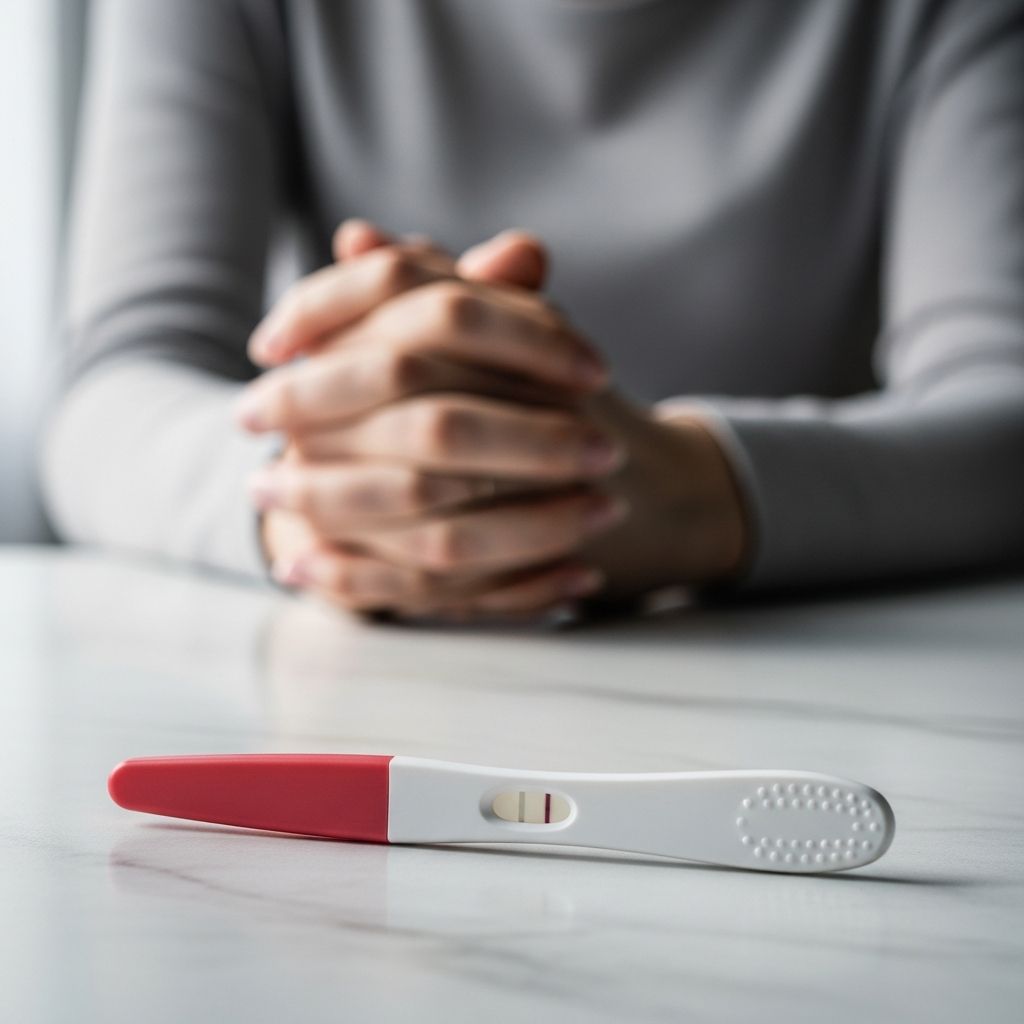
New parents often face a whirlwind of emotions after welcoming a baby. While joy is common, so are feelings of overwhelm, tearfulness, and mood swings known as **baby blues**. These typically resolve on their own within two weeks, affecting up to 80% of new mothers.
Defining Baby Blues and Postpartum Mood Changes
Baby blues refer to mild, temporary emotional fluctuations occurring in the days following childbirth. Unlike more severe conditions, they do not impair daily functioning significantly and fade without intervention. This distinction is crucial for parents to understand when seeking help.
Postpartum mood changes stem from the body’s adjustment to dramatic physiological shifts. Hormones like estrogen and progesterone plummet rapidly after delivery, influencing brain chemistry and emotional regulation. Sleep disruption from newborn care exacerbates these effects, creating a perfect storm of fatigue and sensitivity.
Common Symptoms of Baby Blues
Recognizing baby blues helps parents normalize their experience. Key indicators include:
- Frequent crying spells without clear reason
- Mood swings from euphoria to sadness
- Irritability or anxiety about baby care
- Feelings of overwhelm or inadequacy
- Difficulty sleeping when opportunity arises, despite exhaustion
These symptoms peak around days 3-5 postpartum and subside by week 2. If they persist or intensify, professional evaluation is recommended.
Physiological Contributors to Emotional Shifts
The postpartum period involves profound biological changes. A sharp decline in reproductive hormones—estradiol and progesterone—occurs within hours of birth, potentially triggering mood instability in susceptible individuals. Thyroid hormone fluctuations can mimic depressive symptoms, warranting screening.
Sleep deprivation compounds this, as new mothers average far less rest, impairing emotional resilience and cognitive function. Elevated cortisol from birth stress and low tryptophan levels further disrupt serotonin production, essential for mood stability.
Risk Factors for Prolonged Mood Issues
| Category | Risk Factors | Impact |
|---|---|---|
| Medical/Genetic | History of depression, family mental health issues, prior PPD | Increases susceptibility by 30% per pregnancy |
| Lifestyle | Sleep loss, lack of support, stressful events | Amplifies hormonal effects |
| Pregnancy-Related | Complications, unplanned pregnancy, birth trauma | Heightens emotional vulnerability |
Women with prenatal depression or bipolar history face elevated risks, as do those in unsupportive environments. Single parents or those with relationship conflicts are particularly vulnerable.
Baby Blues vs. Postpartum Depression: Key Differences
Distinguishing baby blues from **postpartum depression (PPD)** is vital. Baby blues are short-lived and mild, while PPD involves persistent, severe symptoms interfering with life.
| Aspect | Baby Blues | Postpartum Depression |
|---|---|---|
| Duration | Days to 2 weeks | Weeks to months or longer |
| Severity | Mild mood swings | Intense sadness, hopelessness |
| Symptoms | Tearfulness, irritability | Detachment, suicidal thoughts, inability to bond |
| Treatment | Self-resolves; support helps | Therapy, medication often required |
PPD affects 1 in 7 mothers, with symptoms like chronic fatigue, worthlessness, and harmful thoughts. Postpartum PTSD from birth trauma may overlap, featuring flashbacks and hypervigilance.
Strategies for Coping with Baby Blues
While baby blues often pass naturally, proactive steps ease the transition:
- Prioritize rest: Nap when baby sleeps; accept help with chores.
- Build support: Connect with partners, family, or new parent groups.
- Self-care basics: Eat nutrient-rich foods, stay hydrated, move gently.
- Mindful practices: Deep breathing or short meditations reduce anxiety.
- Track moods: Journaling identifies patterns early.
Partners play a key role by encouraging breaks and validating feelings, fostering resilience.
Self-Care Essentials in Early Postpartum
Postpartum recovery demands intentional nurturing. Focus on:
- Hydration and balanced meals to stabilize energy.
- Light activity like walking to boost endorphins.
- Limits on visitors to conserve energy.
- Skin-to-skin contact with baby for oxytocin release, aiding mood.
Avoid isolation by scheduling calls with loved ones, combating loneliness.
Role of Partners and Family Support
Support networks buffer emotional strain. Partners can:
- Share night feeds if bottle-feeding.
- Handle errands, allowing maternal rest.
- Listen without judgment.
- Encourage professional help if needed.
Family involvement reduces burden, with studies showing strong social ties halve PPD risk.
When to Seek Professional Help
Monitor for red flags signaling beyond baby blues:
- Symptoms lasting over 2 weeks.
- Intense anxiety, panic, or detachment from baby.
- Thoughts of harm to self or infant.
- Persistent physical issues like headaches.
Contact healthcare providers promptly; screening via tools like the Edinburgh scale is standard. Treatments include therapy (CBT), antidepressants safe for breastfeeding, and support groups. Early intervention prevents escalation.
Long-Term Emotional Wellness for New Parents
Beyond initial weeks, sustain well-being through routine check-ins, ongoing support, and mental health prioritization. Fathers and partners experience similar ‘paternal blues’ at rates up to 10%, underscoring family-wide care.
Preparation during pregnancy—discussing expectations, building networks—mitigates risks. Universal screening, as recommended by health authorities, ensures timely support.
Frequently Asked Questions (FAQs)
How long do baby blues typically last?
Baby blues usually resolve within 10-14 days postpartum. If symptoms persist, consult a doctor to rule out PPD.
Can fathers experience baby blues?
Yes, new fathers can have mood changes due to sleep loss and role shifts, though less studied than in mothers.
Is baby blues preventable?
Not entirely, but rest, support, and prenatal mental health discussions reduce intensity.
Does breastfeeding affect baby blues?
It may intensify fatigue but boosts bonding hormones; balance with rest is key.
What if I had PPD before—am I at higher risk now?
Prior PPD raises recurrence risk to 30%; proactive monitoring is essential.
References
- Why Causes PPD? – Causes of Postpartum Depression — PostpartumDepression.org. 2025. https://www.postpartumdepression.org/postpartum-depression/causes/
- Postpartum Depression Causes, Symptoms, and Treatments — UPMC. Accessed 2026. https://www.upmc.com/services/womens-health/conditions/postpartum-depression
- Postpartum Depression — Brown University Health. Accessed 2026. https://www.brownhealth.org/centers-services/multidisciplinary-obstetric-medicine-service-moms/postpartum-depression
- Perinatal Depression – StatPearls — NCBI Bookshelf. 2023-10-01. https://www.ncbi.nlm.nih.gov/books/NBK519070/
- Postpartum Blues vs Postpartum Depression — American Dental Association. Accessed 2026. https://www.ada.org/resources/practice/wellness/postpartum-blues-vs-postpartum-depression
- Postpartum Depression: Causes, Symptoms & Treatment — Cleveland Clinic. Accessed 2026. https://my.clevelandclinic.org/health/diseases/9312-postpartum-depression
- Postnatal depression – NHS — NHS.uk. Accessed 2026. https://www.nhs.uk/mental-health/conditions/post-natal-depression/overview/