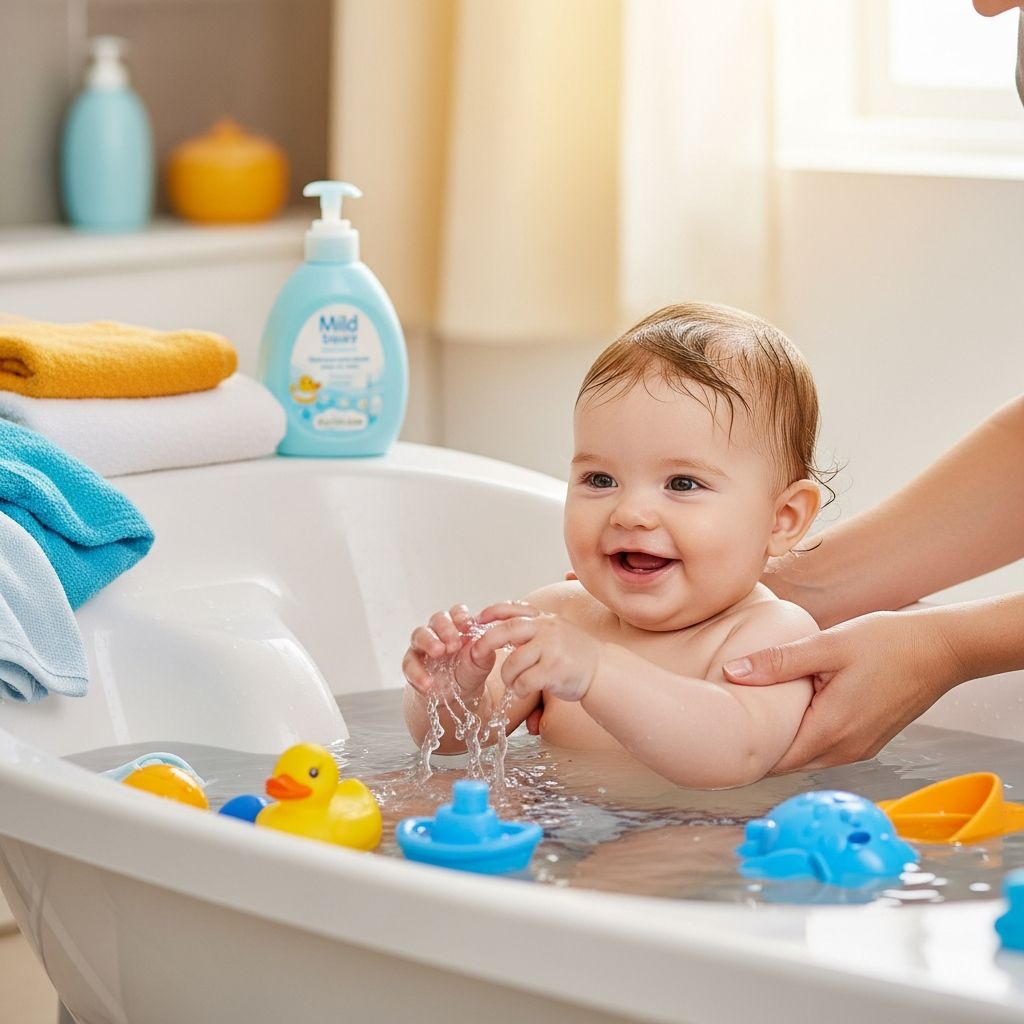
Bathing a baby requires careful attention to safety details to create positive experiences while minimizing risks like drowning or scalding. Parents can follow structured routines using appropriate equipment and temperatures around 100°F.
Understanding Newborn Bathing Needs
Newborns have delicate skin and poor temperature regulation, making baths a gentle necessity rather than daily events. Sponge baths suffice until the umbilical cord stump falls off, typically within 1-2 weeks, reducing infection risks. Once ready for tub baths, focus on quick sessions in warm rooms to prevent chilling.
Infants under six months need full body support due to weak neck muscles. Position them feet-first into water, cradling the head and neck securely. As babies grow more active, adapt techniques to handle wiggling while maintaining control.
Essential Preparation Before Bath Time
Gather all supplies within arm’s reach: mild baby soap, washcloths, towels, clean diaper, and pajamas. This setup ensures constant touch supervision without leaving the baby alone. Warm the bathroom to 75-80°F by closing doors or using a space heater safely away from water.
Test your water heater setting at or below 120°F to avoid scalds from fluctuating hot water. Prepare a flat surface nearby for dressing, stocked with lotion if needed for dry skin.
Selecting Secure Bathing Equipment
Opt for infant tubs manufactured after October 2017 to comply with U.S. Consumer Product Safety Commission standards, featuring sloped or textured surfaces for stability. Avoid bath seats, which tip easily and pose drowning hazards.
For sinks, add slip-resistant liners or a clean towel to prevent sliding and protect from faucets. Anti-slip mats inside and outside the tub further reduce fall risks. Newborn supports like cushioned props aid head positioning but must be sanitizable.
| Equipment Type | Key Features | Safety Benefits |
|---|---|---|
| Infant Tub | Post-2017 make, textured base | Prevents slipping, meets standards |
| Sink Liner | Non-slip material | Protects from hard surfaces |
| Bath Mat | Anti-slip exterior | Reduces post-bath falls |
| Avoid: Bath Seats | N/A | Tip-over risk, drowning danger |
Perfecting Water Temperature and Depth
Fill the tub with 2 inches of water—enough for cleaning without submersion risks. Ideal temperature is 100°F or slightly less; test with your elbow or wrist, as inner arm skin is sensitive. A bath thermometer provides precision for cautious parents.
Turn off the faucet before placing the baby in to avoid sudden temperature changes or overflows. For newborns, a warm washcloth over the chest retains body heat during washing.
- Elbow test: Feels comfortably warm, not hot.
- Thermometer: 98-100°F range.
- Depth: Shallow for newborns, gradually increase as baby grows.
Step-by-Step Bathing Technique
Undress baby on a towel, wrap in another for warmth, then lower feet-first while supporting head. Wash face first with a damp cloth—no soap—then body using minimal suds. Rinse thoroughly, avoiding eyes.
- Support head and neck with one arm.
- Use free hand for gentle washing from top down.
- Rinse with cupped hands or a soft cup.
- Lift out promptly, pat dry starting with face.
For active babies, keep them seated if able, using less water for quicker washes. Always maintain one hand contact.
Critical Supervision Rules
Never leave a baby unattended—not even for seconds—as drownings occur in inches of water within moments. If interrupted, wrap and carry the baby along. Touch supervision means one hand always on baby.
Post-bath, drain the tub immediately to eliminate standing water hazards for curious crawlers. Keep bathroom doors closed to prevent unsupervised access.
Post-Bath Care and Drying
Pat dry gently, avoiding rubbing delicate skin. Focus on folds like neck and groin to prevent irritation. Dress in layers to maintain warmth, delaying lotion until skin is fully dry.
Moisturize if needed with fragrance-free products. Cuddle time post-bath strengthens bonding.
Common Bath Time Challenges and Fixes
- Crying: Use soothing voices, toys, or familiar songs; keep sessions under 10 minutes.
- Slipperiness: Embrace with both hands firmly but softly.
- Cold room: Preheat space and use hooded towels.
- Overactive splashing: Redirect energy with floating toys, ensure seated position.
Frequently Asked Questions
How often should I bathe my newborn?
Twice weekly suffices; more dries skin. Sponge baths until cord heals.
Can I use adult tubs for babies?
Yes, with shallow water and constant support, but infant tubs offer better ergonomics.
What if water feels right but thermometer reads high?
Trust elbow test primarily; recalibrate thermometer. Prioritize below 100°F.
Is a bath seat safe for older infants?
No—experts universally advise against them due to tipping.
How do I bathe a wiggly 6-month-old?
Use distractions, firm holds, and quick routines. Less water helps control.
Advanced Safety Measures for Families
Enroll in pediatric CPR classes for emergency preparedness. Install non-slip flooring if possible. For multiples, bathe one at a time.
Monitor for skin reactions post-bath; consult pediatricians for rashes. Track bath frequency in a journal for skin health insights.
Seasonal adjustments: Warmer water in winter, quicker baths in summer heat. These practices build confidence and routines.
References
- Bath time with baby: What You need to know about bath safety — ThinkSun. Accessed 2026. https://thinksun.com/blogs/thinkblog/baby-bath-safety-tips
- 7 Bath Safety Tips from a Real Mom for Bath Safety Month — Regalo Baby. Accessed 2026. https://regalo-baby.com/blogs/news/7-bath-safety-tips-for-bath-safety-month-from-a-mom
- 7 Bath Safety Tips Parents Should Know — Happiest Baby. Accessed 2026. https://www.happiestbaby.com/blogs/baby/bath-safety-tips-babies
- Bathing Your Baby — American Academy of Pediatrics (healthychildren.org). Accessed 2026. https://www.healthychildren.org/English/ages-stages/baby/bathing-skin-care/Pages/Bathing-Your-Newborn.aspx
- National Bath Safety Month — Drowning Is Preventable. Accessed 2026. https://drowningispreventable.org/national-bath-safety-month/
- Baby bath basics: A parent’s guide — Mayo Clinic. 2023-10-12. https://www.mayoclinic.org/healthy-lifestyle/infant-and-toddler-health/in-depth/healthy-baby/art-20044438
- Bathing Your Baby — Nationwide Children’s Hospital. Accessed 2026. https://www.nationwidechildrens.org/family-resources-education/health-wellness-and-safety-resources/helping-hands/bathing-your-baby