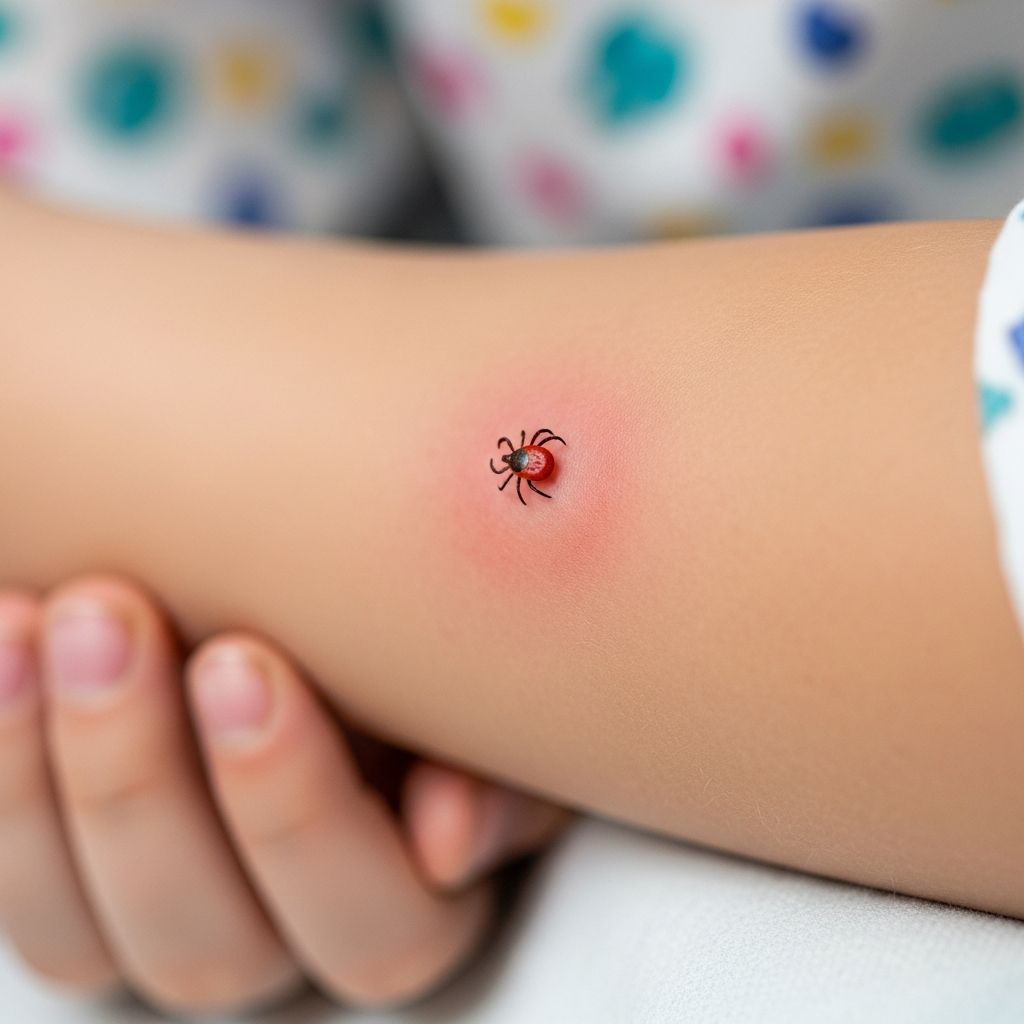
Babesiosis represents a growing concern for parents, particularly in regions where ticks thrive. This parasitic infection targets red blood cells and spreads primarily through bites from infected blacklegged ticks, also known as deer ticks. While many cases resolve without intervention, especially in healthy kids, it can pose serious risks for those with compromised immunity or underlying conditions. Parents need to recognize early signs and adopt preventive measures to safeguard their children.
Understanding the Parasite Behind Babesiosis
The illness stems from protozoan parasites in the genus Babesia, which invade and multiply within red blood cells, leading to their destruction—a process called hemolysis. In the United States, Babesia microti is the predominant species, though others like B. duncani appear on the West Coast. These parasites hitch a ride on ticks that feed on infected animal reservoirs, such as white-footed mice and deer.
Children exploring outdoors in wooded or grassy areas face heightened exposure during warmer months, from spring through fall, when ticks are most active. Unlike bacterial infections, babesiosis requires the parasite to complete its life cycle inside the tick before transmission, meaning bites must last several hours for infection risk.
Common Pathways of Transmission
- Tick Bites: The primary route, with blacklegged ticks picking up the parasite from small mammals and passing it to humans during prolonged attachment.
- Blood Transfusions: Rare but possible if donated blood contains infected red cells, prompting screening in endemic areas.
- Congenital Transfer: From mother to baby during pregnancy, though uncommon.
Geographically, the Northeast and upper Midwest of the U.S. report the highest incidence, but cases emerge elsewhere due to travel and climate shifts expanding tick habitats.
Recognizing Early Warning Signs in Kids
Symptoms emerge 1 to 4 weeks post-infection, mimicking flu or other viral illnesses, which complicates detection in children. Initial indicators include high fever, profound fatigue, chills, sweats, headaches, muscle aches, and joint pain. Kids might lose appetite, experience nausea, vomit, or complain of abdominal discomfort.
In mild cases, common among healthy youngsters, discomfort peaks for 1-2 weeks then fades. However, vigilant parents note persistent tiredness or night sweats as red flags. Severe manifestations, rarer in kids but critical, involve hemolytic anemia (evidenced by pale skin and weakness), low platelets (bruising easily), enlarged liver or spleen, jaundice, and breathing difficulties.
| Symptom Type | Mild Cases | Severe Cases |
|---|---|---|
| Fever/Chills | Intermittent, low-grade | High, persistent |
| Fatigue | Moderate tiredness | Extreme weakness |
| Anemia Signs | Rare | Pale skin, shortness of breath |
| Organ Involvement | None | Enlarged spleen, jaundice |
This table highlights progression, urging prompt medical consultation for any cluster of symptoms after outdoor play.
Why Children Face Unique Vulnerabilities
Young immune systems generally handle babesiosis well, often asymptomatically. Yet, kids under 5, those with sickle cell disease, HIV, cancer treatments, or no spleen (asplenia) endure harsher outcomes due to impaired parasite clearance. Coinfections with Lyme disease or anaplasmosis, frequent in tick-heavy zones, amplify severity, prolonging recovery.
Statistics from the CDC indicate rising pediatric cases, correlating with increased tick populations influenced by ecological changes. Parents of at-risk children should prioritize monitoring post-exposure.
Diagnostic Approaches for Accurate Identification
Diagnosis hinges on clinical suspicion plus lab confirmation. Doctors start with history—recent tick exposure or time in endemic areas—followed by physical exams for fever or splenomegaly. Definitive proof comes from microscopic examination of Giemsa-stained blood smears revealing intraerythrocytic ring forms or tetrads resembling ‘Maltese crosses,’ pathognomonic for Babesia.
Polymerase chain reaction (PCR) assays detect parasite DNA with superior sensitivity, especially low-level infections. Serologic tests for antibodies aid retrospect but falter in early or resolved cases. Complete blood counts often show anemia, thrombocytopenia, and elevated liver enzymes, supporting the picture.
For children, non-invasive tests minimize distress, with results guiding therapy within hours to days.
Effective Treatment Strategies Tailored for Young Patients
Most pediatric cases self-resolve, needing only symptom relief like acetaminophen for fever. Symptomatic or high-risk kids receive antiparasitic combos: atovaquone (750 mg twice daily) plus azithromycin (500-1000 mg day 1, then 250 mg daily) for 7-10 days—the first-line due to tolerability.
Alternative for intolerance or gravity: clindamycin plus quinine, monitoring for gastrointestinal side effects or cinchonism (tinnitus, nausea). Immunocompromised children may require extended courses, up to months, or IV formulations.
Hospitalization for severe anemia might involve transfusions or exchange transfusion if parasitemia exceeds 10% or complications like renal failure arise. Improvement typically starts in 48 hours, with full clearance verified by follow-up smears.
Prevention: Empowering Parents Against Ticks
Proactive steps slash risk dramatically. Teach kids to sidestep tall grass, leaf litter, and brushy edges; stick to trails. Daily tick checks post-outdoors—scalp, ears, armpits, groin—enable prompt removal with fine-tipped tweezers, grasping near skin and pulling steadily without twisting.
- Apply EPA-approved repellents: DEET (20-30% for kids over 2 months), picaridin, or oil of lemon eucalyptus.
- Dress defensively: light clothing, long sleeves/pants tucked in socks, permethrin-treated gear.
- Maintain yards: mow lawns, clear debris, use tick tubes with rodent acaricide.
- Vaccines absent, but Lyme shots in trials may cross-benefit.
For asplenic or immunocompromised kids, prophylactic doxycycline post-known exposure or pre-travel to hotspots.
Long-Term Outlook and Monitoring
Healthy children recover fully without sequelae. High-risk patients face relapse risk, necessitating surveillance for months via blood tests. Emerging therapies like endochin-like quinolones promise better clearance, but standard regimens suffice now.
Public health stresses reporting cases to track spread, aiding containment.
Frequently Asked Questions (FAQs)
Can babesiosis be fatal in children?
Rarely in healthy kids, but possible in those with weakened immunity, asplenia, or coinfections. Mortality nears 20% untreated in extremes.
How soon after a tick bite do symptoms start?
Typically 1-4 weeks, varying by parasite load and host factors.
Is treatment always necessary?
No, asymptomatic or mild cases often self-limit; treat based on symptoms and parasitemia.
Does babesiosis spread person-to-person casually?
No, only via ticks, transfusions, or congenitally.
What if my child shows flu-like symptoms after hiking?
Seek medical evaluation promptly, mentioning tick-prone activities for targeted testing.
References
- Babesiosis – Symptoms, Causes, Treatment — National Organization for Rare Disorders (NORD). 2023. https://rarediseases.org/rare-diseases/babesiosis/
- Babesiosis — Columbia University Lyme & Tick-Borne Diseases Research Center. 2024-10-15. https://www.columbia-lyme.org/babesiosis
- Babesiosis | Diagnosis & Disease Information — Infectious Disease Advisor. 2024. https://www.infectiousdiseaseadvisor.com/ddi/babesiosis/
- Treatment of Human Babesiosis: Then and Now — National Center for Biotechnology Information (PMC). 2021-09-28. https://pmc.ncbi.nlm.nih.gov/articles/PMC8469882/
- Babesiosis — MSD Manual Professional Edition. 2025. https://www.msdmanuals.com/professional/infectious-diseases/extraintestinal-protozoa/babesiosis
- Babesiosis — Nemours KidsHealth. 2024. https://kidshealth.org/en/parents/babesiosis.html
- About Babesiosis — Centers for Disease Control and Prevention (CDC). 2025-01-10. https://www.cdc.gov/babesiosis/about/index.html