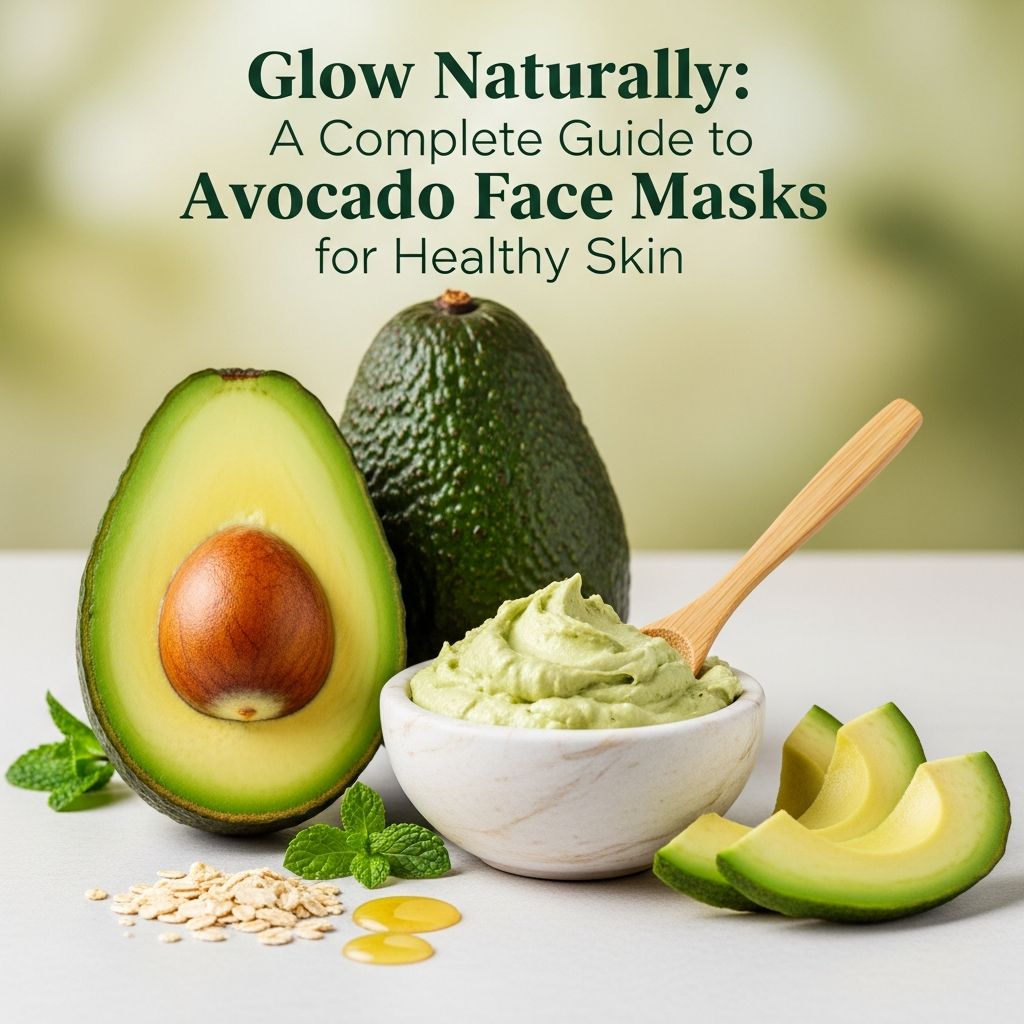
Avocado is more than a trendy toast topping; it is a rich source of healthy fats, vitamins, and antioxidants that can leave your skin feeling soft, calm, and hydrated when used in homemade face masks. This guide walks you through the science-backed benefits of avocado for skin, simple at-home recipes, and practical tips to get the most from this nourishing fruit.
Why Avocado Belongs in Your Skincare Routine
Avocado pulp and avocado oil contain a blend of monounsaturated fats, vitamins C and E, and other antioxidants that help support the skin barrier and lock in moisture. Regular topical use can help improve dryness, support collagen production, and protect the skin from everyday environmental stressors.
Because it is naturally emollient yet gentle, avocado can be adapted to many skin types by pairing it with the right ingredients, from hydrating yogurt to clarifying clay. Understanding what avocado offers helps you design masks that feel pampering and targeted, rather than random kitchen experiments.
The Skin Science Behind Avocado
To use avocado effectively in face masks, it helps to know which components actually benefit the skin. Below is a quick breakdown of the key nutrients and what they do for your complexion.
| Component | What It Is | How It Helps Skin |
|---|---|---|
| Monounsaturated fats | Skin-friendly lipids found in the pulp and oil | Help soften skin, support the moisture barrier, and reduce flakiness. |
| Vitamin E | Fat-soluble antioxidant naturally present in avocado | Helps protect against free-radical damage and supports smoother, more supple skin. |
| Vitamin C | Water-soluble antioxidant | Supports collagen formation and a more even-looking tone when used consistently. |
| Phytosterols & antioxidants | Plant compounds with soothing and protective properties | Help calm visible redness and support recovery from everyday irritation. |
| Biotin (B-vitamin) | Essential nutrient involved in skin health | Contributes to smoother, less dry texture when used as part of a regular routine. |
Together, these elements explain why avocado masks are popular for dryness, dullness, and mild irritation. Combined with other kitchen ingredients, they can be tailored to target specific skin concerns without complex formulas.
Choosing the Right Avocado Mask for Your Skin Type
Not all skin types respond to the same mask recipe, even when avocado is the star ingredient. Ideally, you want to match the add-ins to what your skin needs most, such as extra moisture, gentle exfoliation, or oil control.
Use the guidelines below as a quick reference before selecting a recipe. If your skin falls into more than one category, feel free to mix concepts or alternate masks during the month.
- Dry or dehydrated skin: Pair avocado with honey, yogurt, or oat flour to boost hydration and comfort.
- Oily or combination skin: Combine avocado with clay, plain yogurt, or a small amount of lemon juice for balancing benefits.
- Sensitive or easily reactive skin: Keep the recipe minimal, using avocado with plain yogurt or finely ground oats and avoiding strong acids.
- Mature or tired-looking skin: Mix avocado with yogurt and antioxidant-rich ingredients like green tea or pomegranate juice for extra radiance.
- Acne-prone skin: Use a very thin layer of avocado mixed with antibacterial ingredients like honey or diluted tea tree hydrosol, and rinse thoroughly.
Essential Preparation: Before You Apply Any Mask
Good preparation can make even the simplest avocado mask feel like a spa treatment. Starting with clean, slightly warm skin helps the ingredients sit more evenly and keeps pores from being clogged by leftover makeup or sunscreen.
Follow this basic routine each time you use a DIY mask so that you do not trap dirt or irritants under your nourishing ingredients.
- Remove all makeup using a gentle cleanser or cleansing balm.
- Wash your face with lukewarm water and a mild cleanser suitable for your skin type.
- Gently pat your face dry, leaving it slightly damp but not dripping.
- If desired, hold a warm, damp washcloth against your face for 20–30 seconds to help soften the skin surface.
- Secure hair away from your face with a band or clips so the mask can be applied evenly.
Creamy Hydration Mask for Dry Skin
This mask focuses on replenishing moisture and softening rough patches. It is ideal after travel, cold weather, or any time your face feels tight and uncomfortable.
Ingredients
- 1/2 ripe avocado, mashed until completely smooth
- 1 tablespoon plain full-fat yogurt
- 1 teaspoon honey
- Optional: 1 teaspoon finely ground oats for extra comfort
Instructions
- Blend the mashed avocado, yogurt, and honey in a small bowl until the texture is creamy and uniform.
- If using oats, stir them in last until evenly distributed.
- Apply a thin, even layer over your face, avoiding the eye area and lips.
- Leave on for 10–15 minutes, checking that your skin feels comfortable throughout.
- Rinse with lukewarm water, gently massaging in circles, and follow with your usual moisturizer.
Use this mask once or twice a week as a quick rescue for dull, flaky skin. Over time, your complexion may feel softer and look more luminous with less visible dryness.
Balancing Avocado Mask for Oily and Combination Skin
If your skin is shiny in some areas and normal in others, a carefully designed avocado mask can provide nourishment without feeling heavy. The addition of clay and yogurt helps gently absorb excess oil while keeping the skin comfortable.
Ingredients
- 1/4 ripe avocado, well mashed
- 1 tablespoon plain low-fat yogurt
- 1 teaspoon cosmetic clay (such as kaolin or French green clay)
- Optional: 3–4 drops of freshly squeezed lemon juice (avoid if skin is sensitive)
Instructions
- In a clean bowl, combine avocado and yogurt until smooth.
- Sprinkle the clay over the mixture and stir until there are no lumps.
- Add the lemon juice if your skin tolerates mild acidity, and blend again.
- Apply mainly to oilier areas such as the T-zone, using a thinner layer on dry areas.
- Leave on for up to 10 minutes; do not let the mask fully crack or become extremely tight.
- Rinse thoroughly with lukewarm water and finish with a lightweight, non-comedogenic moisturizer.
Because clay can be slightly drying, keep this mask to once a week or apply it only on the most oil-prone zones. This targeted use helps refine the look of pores without stripping the rest of your face.
Soothing Avocado Mask for Sensitive Skin
Those with easily irritated or redness-prone skin need masks that calm rather than stimulate. In this recipe, avocado teams up with oats and yogurt to create a soft, cushiony layer that feels comforting on the skin.
Ingredients
- 1/4 ripe avocado, mashed into a smooth paste
- 1 tablespoon plain yogurt or unsweetened coconut yogurt
- 1 tablespoon very finely ground oats (almost powder)
- Optional: 1–2 drops of chamomile or calendula hydrosol
Instructions
- Stir the avocado and yogurt together until creamy.
- Add the ground oats gradually, mixing until the mask has a soft, spreadable consistency.
- If you are using hydrosol, add only a drop or two to avoid making the mask runny.
- Apply a thin layer over clean skin, keeping a small distance from the eyes.
- Relax for 8–12 minutes, then rinse gently without vigorous rubbing.
- Pat the skin dry with a soft towel and follow with a simple moisturizer formulated for sensitive skin.
This mask can be used once a week, or even as an occasional “skin first aid” treatment after wind or sun exposure, as long as you do not have personal allergies to any of the ingredients.
Revitalizing Avocado Mask for Tired or Mature Skin
As skin matures, it often benefits from extra antioxidants and support for the natural barrier. This brightening recipe combines avocado with fermented dairy and a splash of antioxidant-rich tea to leave the complexion looking more refreshed.
Ingredients
- 1/2 ripe avocado, mashed very smoothly
- 1 tablespoon unsweetened Greek yogurt
- 1 teaspoon cooled, strong green tea or white tea
- 1 teaspoon honey or agave nectar
Instructions
- Combine avocado and Greek yogurt until the mixture is velvety and uniform.
- Stir in the tea and honey until everything is fully blended.
- Apply an even layer to the face and neck, avoiding the delicate eye contour.
- Leave on for 10–15 minutes while you relax.
- Rinse with lukewarm water, using gentle circular motions with your fingertips.
- Follow with a hydrating serum and your favorite moisturizer to seal in the benefits.
Used regularly, this type of mask can help your skin appear smoother and more radiant, though it will not replace professional treatments or targeted anti-aging products. Think of it as a nurturing weekend ritual that supports the rest of your skincare routine.
Best Practices for Applying and Removing Avocado Masks
How you apply and remove a mask has almost as much impact as the ingredients you choose. A gentle, consistent approach ensures that you enjoy benefits without causing unnecessary stress to the skin.
Application Tips
- Use freshly prepared masks; do not store avocado mixtures for long periods.
- Apply with clean fingers or a dedicated mask brush to maintain hygiene.
- Keep layers thin and even to avoid drips and uneven drying.
- Avoid areas with broken skin, active infections, or very irritated patches.
Removal Tips
- Rinse with lukewarm water to avoid shocking the skin with extremes of temperature.
- Use gentle circular motions instead of scrubbing, especially if the mask contains oats or clay.
- Pat dry with a soft towel; do not rub, which can trigger redness.
- Apply a moisturizer afterward to lock in hydration and support the barrier.
Safety, Allergies, and When to Skip a Mask
Natural ingredients are not automatically safe for everyone, so it is wise to treat avocado masks with the same respect you would give to any new product. A simple patch test can help you identify potential reactions before applying the mask to your entire face.
If you have a history of allergies to latex, certain fruits, or plant oils, consider talking with a dermatologist before using avocado on your skin. Discontinue use if you notice burning, intense itching, swelling, or a rash developing during or after a mask session.
Simple Patch Test
- Apply a small amount of the prepared mask to a discreet area, such as behind your ear or along the jawline.
- Leave on for 10–15 minutes, then rinse thoroughly.
- Monitor the area for 24 hours to watch for delayed irritation.
- If no reaction occurs, the recipe is more likely to be suitable for your face, though complete safety can never be guaranteed.
Incorporating Avocado Masks into a Weekly Skincare Routine
Like any treatment, avocado masks work best as part of a routine rather than a one-time event. The key is consistency without overuse, allowing the skin time to respond and recover.
- Frequency: Most skin types do well with one to two avocado mask sessions per week.
- Timing: Evenings are ideal so that your skin can rest afterward without makeup.
- Pairing: Use gentle, non-stripping cleansers and avoid strong exfoliants on mask days.
- Rotation: Alternate between a hydrating mask and a balancing or brightening one to address different needs.
As you observe how your skin responds, you can adjust the frequency or tweak ingredients, adding more soothing elements during winter and lighter combinations during warmer months.
Frequently Asked Questions About Avocado Face Masks
How often can I use an avocado face mask?
Most people can comfortably use avocado masks once or twice per week without overloading the skin. Very dry or resilient skin may tolerate slightly more frequent use, while sensitive or reactive complexions may prefer a gentler schedule of once every one to two weeks.
Can avocado clog my pores?
Avocado is naturally rich and emollient, which means that very oily or acne-prone skin could feel congested if the masks are too heavy or left on for too long. To minimize this risk, use thin layers, rinse thoroughly, and choose recipes that include balancing ingredients like yogurt or clay when dealing with oil-prone areas.
Is it safe to put avocado directly on my skin without mixing it?
Many people use plain mashed avocado on clean skin without issues, but this is not guaranteed to be safe for everyone. Mixing it with other ingredients such as yogurt or oats can make the texture smoother and easier to remove, while also diluting the richness for more delicate complexions.
Can I store leftover avocado mask for later use?
Because avocado oxidizes and homemade mixtures lack preservatives, it is best to prepare only what you need and discard any leftovers. Storing masks, even in the refrigerator, can invite bacterial growth and reduce both safety and effectiveness.
Do avocado masks replace my regular moisturizer or serum?
Avocado masks are occasional treatments rather than complete replacements for your daily skincare products. Think of them as supplements that enhance hydration, comfort, and radiance, while your usual cleanser, moisturizer, and sun protection provide the foundation of your routine.
Final Thoughts: Treat Your Skin with Care
Avocado-based face masks offer a simple, sensory way to support your skin using ingredients you can recognize and pronounce. By understanding your skin type, respecting safety guidelines, and choosing recipes thoughtfully, you can turn this humble fruit into a regular, comforting ritual that leaves your complexion looking and feeling more nourished.
Experiment slowly, listen to how your skin responds, and enjoy the process as much as the results. Skincare works best as a habit of kindness rather than a quick fix, and avocado masks can be a soothing part of that ongoing self-care.