Introduction to Auditory Brainstem Response Testing
Hearing is one of the most important senses for child development, affecting speech, language acquisition, and social interaction. When concerns arise about a child’s hearing, medical professionals have access to sophisticated diagnostic tools that can provide objective measurements without requiring verbal responses from the patient. One of the most valuable of these tools is auditory brainstem response testing, commonly referred to as ABR testing. This specialized diagnostic procedure allows healthcare providers to evaluate how sound travels through the auditory system and reaches the brain, offering crucial insights into potential hearing difficulties that might otherwise go undetected.
What Constitutes an Auditory Brainstem Response Test
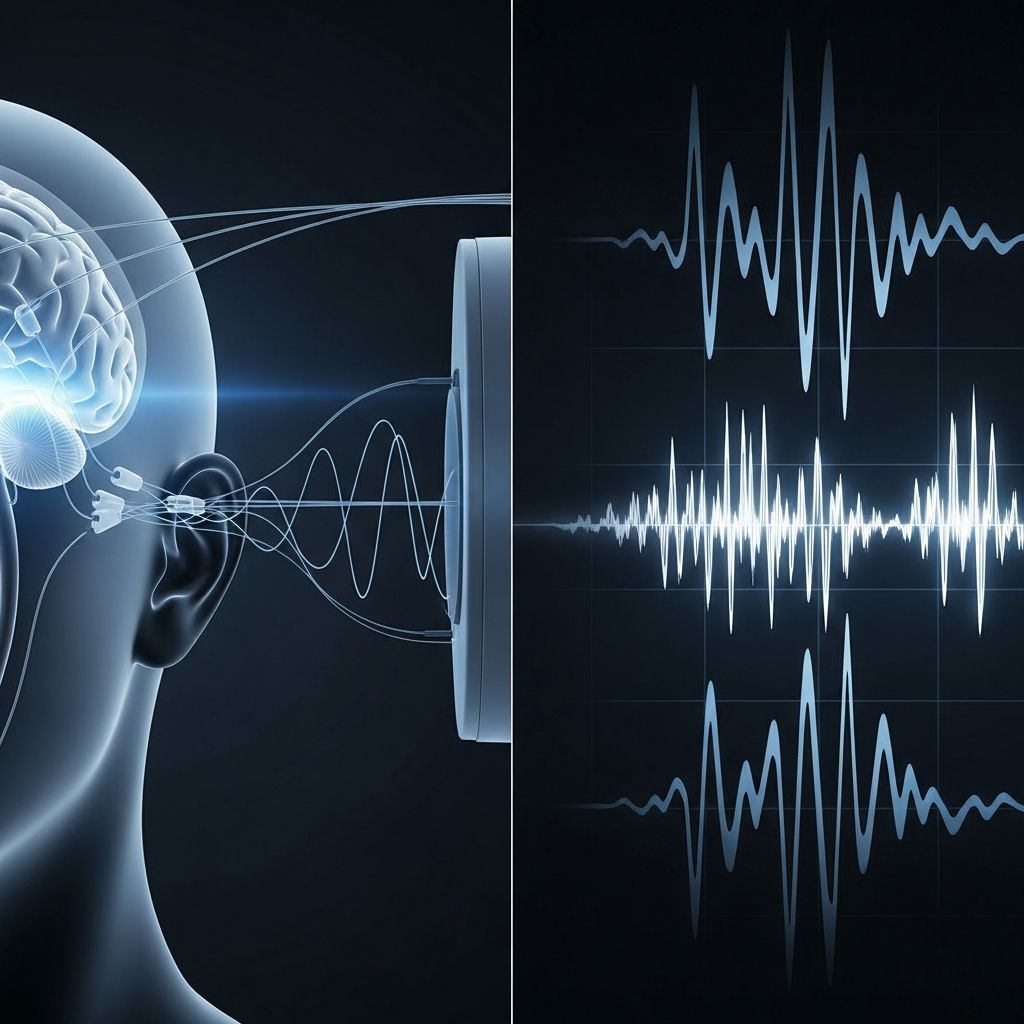
An auditory brainstem response test represents a non-invasive, objective method for assessing hearing function by measuring the electrical activity generated by the auditory nerve and brainstem structures in response to acoustic stimuli. The auditory nerve serves as the communication pathway between the ear and the brain, transmitting electrical signals that the brain interprets as recognizable sounds such as speech, music, or environmental noise. During an ABR test, specialized equipment detects and records these electrical responses, creating a detailed picture of how effectively the entire auditory pathway functions from the moment sound enters the ear until the brain processes that information.
The fundamental advantage of ABR testing lies in its objectivity. Unlike traditional hearing tests that require patients to raise their hands or press buttons when they hear sounds, ABR testing measures biological responses that occur automatically without conscious participation. This characteristic makes it particularly valuable for assessing hearing in very young children, patients with developmental delays, or individuals who cannot reliably report what they hear through behavioral methods.
When Healthcare Providers Recommend ABR Testing
Healthcare providers recommend ABR testing in several important clinical scenarios:
- Infants who do not pass newborn hearing screening programs
- Children too young to participate in standard hearing tests administered in soundproof booths
- Patients with developmental conditions that make it difficult to remain still and respond appropriately during conventional hearing assessments
- Individuals with suspected neurological abnormalities affecting the auditory pathway
- Cases where accurate hearing sensitivity estimation is needed but behavioral responses are unreliable
- Monitoring of known hearing conditions or post-treatment assessment
The test has become the gold standard for confirming hearing loss in infants, as it provides definitive objective data that guides early intervention decisions. Early identification of hearing problems is critical, as untreated hearing loss during the first few years of life can significantly impact speech and language development, academic performance, and social-emotional growth.
The Technical Foundation of ABR Testing
Understanding the mechanics of ABR testing helps parents appreciate why this procedure is so valuable. The test operates on the principle that the auditory system generates measurable electrical potentials when exposed to sound stimuli. These electrical responses can be detected using sensitive electrodes placed on the skin surface, then amplified and analyzed by specialized computer software.
The auditory pathway consists of several anatomical structures that work in concert to process sound. When sound reaches the ear, it triggers activity in the auditory nerve, which then carries this signal upward through the brainstem toward higher brain centers responsible for conscious hearing perception. Each stage of this journey produces characteristic electrical patterns that ABR testing can identify and measure. The timing and strength of these electrical responses reveal information about the integrity and function of each component of the auditory system.
The ABR Testing Procedure: What Families Experience
The ABR testing experience differs somewhat depending on the child’s age and ability to remain still during the procedure. For infants and very young children who fall asleep naturally, the test can often be performed while the child sleeps without additional medication. The procedure typically unfolds as follows:
Preparation Phase
Before the actual test begins, the audiologist carefully cleans small areas of skin on the child’s forehead and behind both ears. This cleaning removes dry skin and oils that could interfere with electrode contact. The audiologist uses either a mild exfoliating paste or a small abrasive pad for this preparation. Once the skin is properly cleaned and dried, small adhesive electrode stickers are carefully positioned on these prepared sites.
Recording Phase
With the electrodes in place, the audiologist inserts soft earphones into the child’s ear canals or positions them carefully near the ears. These earphones deliver carefully calibrated sound stimuli, typically consisting of clicking sounds or specific tones. As the auditory system responds to these sounds, the electrodes detect the resulting electrical activity. This activity flows through wires connected to a specialized computer system equipped with ABR analysis software. The computer records and displays these responses, creating visual representations called waveforms that the audiologist analyzes.
During testing, the child must remain as still and quiet as possible. Movement and muscle activity can create artifacts that interfere with the electrical recordings. For infants and very young children who naturally sleep during the test, this requirement is easily met. For slightly older children, keeping the child calm and still becomes important for obtaining clear, interpretable results.
Duration and Completion
A complete ABR test typically takes between thirty and ninety minutes to perform. The exact duration depends on factors such as the child’s cooperation level, the specific testing protocol being followed, and the clarity of the electrical responses obtained. Once testing concludes, the audiologist carefully removes the electrode stickers and discusses the findings with parents or caregivers, explaining what the results reveal about the child’s hearing and any recommended follow-up actions.
Interpreting ABR Test Results
ABR results provide several different types of information about hearing function:
Latency Measurements
Latency refers to the time interval between when sound enters the ear and when the brainstem generates its electrical response. The auditory system processes sound through several distinct neural structures, each contributing to the overall latency. Healthcare providers compare the actual latencies obtained from the patient against established normal values. When latencies are abnormally prolonged, this suggests that sound is not traveling efficiently through the auditory pathway, indicating either hearing loss or possible neurological abnormality affecting the auditory structures.
Waveform Configuration
The electrical responses recorded during ABR testing appear as waveforms on the computer screen. These waveforms display characteristic peaks and troughs at specific latencies. The shape, size, and clarity of these waveforms provide information about the health and function of different auditory structures. Clear, well-defined waveforms suggest normal auditory pathway function, while abnormal waveform patterns may indicate pathology at specific locations along the auditory system.
Response Amplitude
Amplitude describes the strength or magnitude of the electrical response. Reduced amplitude can suggest hearing impairment, as a weaker response indicates that the auditory system is not generating normal electrical activity in response to sound. Audiologists compare amplitude measurements across different sound intensities to understand how the system responds across the hearing range.
Hearing Threshold Determination
One of the most clinically important applications of ABR testing is determining the softest sound level a child can detect. Audiologists present sounds at progressively lower intensities while monitoring the ABR responses. The threshold is the quietest sound that still produces detectable electrical responses. This information directly reflects the child’s actual hearing sensitivity and guides decisions about whether intervention is needed.
Bilateral Comparison Analysis
By comparing ABR results between the right and left ears, audiologists can determine whether hearing loss is unilateral (affecting one ear) or bilateral (affecting both ears). This distinction carries important implications for treatment planning and educational support.
Special Considerations for Older Children
When ABR testing is performed on children six months of age and older who cannot be reliably tested while naturally asleep, sedation or general anesthesia may be recommended. This medication-induced sleep state allows the child to remain completely still and quiet throughout the testing process, ensuring high-quality recordings and accurate results. Healthcare providers carefully evaluate the risks and benefits of sedation for individual patients, considering the child’s medical history, medications, and overall health status. When sedation is used, trained anesthesia professionals monitor the child throughout the procedure, with recovery occurring in a supervised post-anesthesia care area.
Bone Conduction Testing Components
For children suspected of having hearing loss, ABR testing often includes an additional component called bone conduction testing. In this variation, rather than presenting sounds through earphones, a small vibrating device called a bone conductor is placed behind the ear. This device transmits vibrations directly through the skull to the inner ear, bypassing the outer and middle ear structures. By comparing air conduction responses (sounds delivered through earphones) with bone conduction responses, audiologists can determine the specific type of hearing loss present—whether it involves the outer/middle ear (conductive loss), the inner ear (sensorineural loss), or both.
Safety and Comfort Considerations
Parents often wonder whether ABR testing is safe for their children. ABR testing is completely non-invasive and painless. The electrode stickers adhere to the skin surface without penetrating it, and the sounds delivered through earphones are carefully controlled to safe levels. The test involves no radiation, no needles, and no discomfort. For infants tested during natural sleep, there is essentially no stress or disturbance to the child. For slightly older children undergoing sedation, the risks are minimal when the procedure is performed by experienced professionals in appropriate medical settings with proper monitoring equipment and trained personnel.
What Happens After Testing
Following completion of ABR testing, the audiologist conducts a thorough review of the results with parents or caregivers. The audiologist explains what the findings indicate about the child’s hearing function and discusses any recommended next steps. If the results suggest normal hearing, reassurance can be provided and follow-up may consist of routine monitoring only. If results indicate hearing loss, the audiologist discusses treatment options, which may include hearing aids, cochlear implant evaluation, educational support, speech therapy, or other interventions depending on the severity and type of hearing loss identified.
The Broader Impact of Early Detection
ABR testing plays a crucial role in early hearing detection and intervention programs. Identifying hearing loss within the first few months of life enables families to access services and support that can dramatically improve a child’s developmental outcomes. Children who receive timely intervention for hearing loss develop language skills more effectively, perform better academically, and experience fewer social and emotional difficulties related to communication challenges. This reality underscores the importance of ABR testing as a tool for identifying potential problems early, when intervention is most effective.
Frequently Asked Questions About ABR Testing
Q: Will ABR testing hurt my child?
A: No. ABR testing is completely painless. The electrode stickers simply adhere to the skin surface, and sounds are delivered through soft earphones. The test causes no discomfort to children.
Q: Can ABR testing be performed on newborns?
A: Yes. ABR testing can be performed on newborns and is often done while infants sleep naturally. This makes it ideal for evaluating hearing in the earliest days and weeks of life.
Q: How long does ABR testing take?
A: The test typically takes thirty to ninety minutes depending on the child’s cooperation and the specific testing protocol being followed.
Q: What if my child moves during testing?
A: While movement can create artifacts in the recording, experienced audiologists work with children’s natural behaviors. For children who cannot be tested while sleeping, sedation may be recommended to ensure the best possible results.
Q: Does my child need to fast before ABR testing?
A: If sedation is not being used, no fasting is required. If sedation will be used, your healthcare provider will give you specific fasting instructions to follow beforehand.
Q: How reliable are ABR results for determining if my child has hearing loss?
A: ABR testing is considered the gold standard for objective hearing assessment in infants and young children. Results are highly reliable and correlate well with other hearing assessment methods.
Q: What should I expect regarding results timing?
A: The audiologist will typically discuss initial findings immediately following the test. Detailed interpretation and any recommendations will be explained during a results consultation.
References
- Auditory Brainstem Response — National Center for Biotechnology Information (NCBI). 2024. https://www.ncbi.nlm.nih.gov/books/NBK564321/
- Auditory Brainstem Response (ABR) Testing — Aurora Health Care. 2024. https://www.aurorahealthcare.org/services/audiology-and-hearing-services/auditory-brainstem-response-abr
- Auditory Brainstem Response (ABR) with Sedation or Anesthesia — Nationwide Children’s Hospital. 2024. https://www.nationwidechildrens.org/family-resources-education/health-wellness-and-safety-resources/helping-hands/auditory-brainstem-response-with-sedation-or-anesthesia
- Auditory Brainstem Response (ABR) Testing — Advocate Health Care. 2024. https://www.advocatehealth.com/health-services/rehabilitation-services/audiology/auditory-brainstem-response-abr
- What to Expect: Auditory Brainstem Response Tests (ABRs) — Texas Hearing. 2022. https://www.texashearing.org/2022/10/08/what-to-expect-auditory-brainstem-response-tests-abrs/
- BAER – Brainstem Auditory Evoked Response — UCSF Health. 2024. https://www.ucsfhealth.org/medical-tests/baer—brainstem-auditory-evoked-response
- Hearing Test for Newborns: Auditory Brainstem Response (ABR) Evaluation — Children’s Hospital of Philadelphia. 2024. https://www.chop.edu/treatments/hearing-test-newborns-auditory-brainstem-response-abr-evaluation-using-natural-sleep