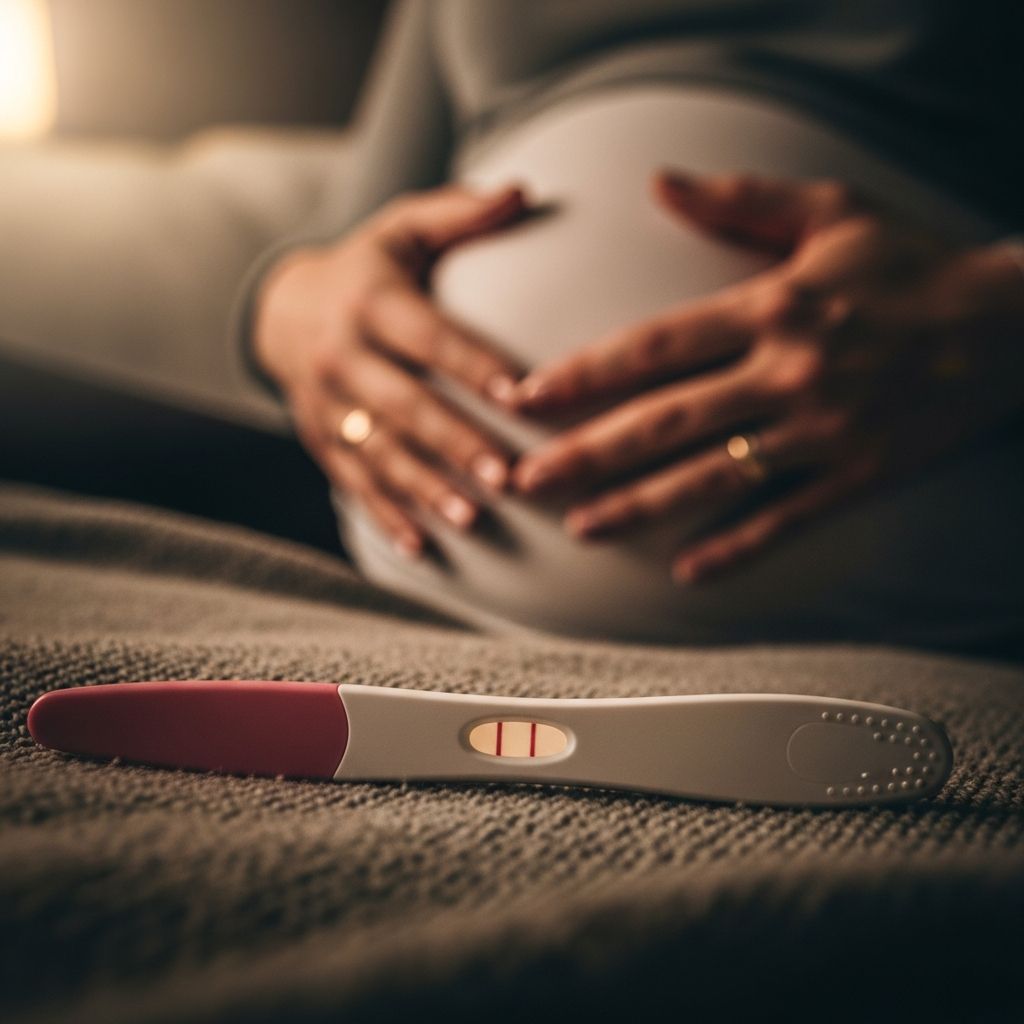
Portable ultrasound technology is emerging as a game-changer in maternal health, allowing expectant parents to conduct scans from the comfort of home. This innovation bridges gaps in traditional prenatal care by enabling frequent, non-invasive checks on fetal development without repeated clinic visits.
The Evolution of Prenatal Imaging Technology
Prenatal ultrasounds have long been a cornerstone of pregnancy monitoring, providing vital insights into fetal growth, position, and health. Traditionally, these scans require specialized equipment and trained sonographers in clinical settings. However, advancements in miniaturization and smartphone integration are making this technology accessible at home.
Devices like those developed by innovative companies pair with smartphones via docking cradles, turning everyday mobiles into powerful scanning tools. Users follow app-guided instructions to perform transabdominal scans, transmitting images instantly to healthcare providers for expert analysis. This shift not only democratizes access but also supports high-risk pregnancies through regular, remote oversight.
Benefits for Expectant Parents and Providers
At-home ultrasounds offer **convenience** by minimizing travel, especially beneficial during pandemics or for those in remote areas. They foster greater parental involvement, reducing anxiety through visual confirmations of baby’s well-being.
- Frequent Monitoring: Ideal for high-risk cases, allowing weekly or bi-weekly checks without appointments.
- Cost-Effectiveness: Potential insurance subsidies, as seen in some regions, lower overall healthcare expenses.
- Empowerment: Parents gain skills in basic fetal assessment, enhancing confidence in their pregnancy journey.
- Timely Interventions: Real-time data sharing enables swift medical responses to anomalies.
For healthcare providers, these tools streamline workflows, freeing resources for complex cases while maintaining continuity of care.
How At-Home Ultrasound Devices Work
These systems typically consist of a compact probe that attaches to a smartphone. The accompanying app provides step-by-step tutorials, ensuring accurate probe placement over the abdomen. Scans capture 2D or 3D images of the fetus, measuring key metrics like heartbeat, size, and amniotic fluid levels.
Post-scan, data uploads securely to a cloud platform where obstetricians review and annotate findings. Feedback returns via the app, often with scheduled video consultations. Safety is paramount; ultrasound uses sound waves, deemed low-risk by major medical bodies when used appropriately.
| Feature | Traditional Clinic Ultrasound | At-Home Ultrasound |
|---|---|---|
| Accessibility | Scheduled appointments only | On-demand from home |
| Frequency | Monthly or as needed | Multiple times weekly |
| User Involvement | Passive observer | Active participant |
| Cost | High per visit | Lower with subsidies |
Addressing Pregnancy Anxiety and High-Risk Scenarios
Pregnancy anxiety affects many, amplified by past losses or advanced maternal age. Visual reassurances from home scans can alleviate worries, offering tangible proof of progress. For those over 35, studies show increased ultrasound frequency correlates with better outcomes, including reduced preterm births.
In cases of complications like placental issues, early detection is critical. Symptoms such as abdominal pain or reduced fetal movement prompt immediate scans, potentially averting crises through prompt intervention like bed rest or delivery planning.
Safety Considerations and Medical Guidelines
Ultrasounds are non-ionizing and safe, with no proven links to fetal harm. Organizations like ACOG endorse routine use but caution against overuse for non-medical purposes, such as entertainment “keepsake” scans.
- Follow device instructions precisely to avoid misreads.
- Consult professionals for interpretations; apps do not replace OBGYN expertise.
- Limit sessions to recommended durations to minimize thermal exposure.
Regulatory approvals ensure device reliability, with ongoing research validating efficacy in diverse populations.
Real-World Adoption and Future Prospects
Insurance-backed programs in select countries demonstrate viability, with expansion anticipated globally. Telehealth integration amplifies reach, combining scans with virtual check-ins for holistic care.
Future iterations may include AI-driven analytics for instant preliminary reports, further reducing response times. As adoption grows, expect standardized protocols to integrate these into mainstream prenatal routines.
Potential Challenges and Solutions
Challenges include user learning curves and data privacy concerns. Solutions involve intuitive apps with tutorials and robust encryption. Equity issues, like device affordability, are being addressed through subsidies and rentals.
Training modules and support hotlines mitigate misuse, ensuring benefits outweigh risks.
Frequently Asked Questions (FAQs)
What is an at-home ultrasound device?
A portable scanner that connects to a smartphone, allowing users to perform abdominal fetal scans with app guidance and remote professional review.
Are at-home ultrasounds safe for the baby?
Yes, they use the same safe sound wave technology as clinic scans, with no evidence of harm when used as directed.
Who benefits most from this technology?
High-risk pregnancies, remote dwellers, and those with anxiety seeking frequent monitoring.
Can I buy one without a doctor’s prescription?
Availability varies by region; often requires provider recommendation for insurance coverage.
How accurate are home scans compared to professional ones?
Highly accurate for basic metrics when instructions are followed, though complex diagnostics still need clinic visits.
Preparing for At-Home Prenatal Scans
To maximize effectiveness:
- Charge your device and ensure a stable internet connection.
- Perform in a quiet, comfortable space with a full bladder for better imaging.
- Record sessions if advised, for longitudinal tracking.
- Discuss results promptly with your care team.
This preparation ensures reliable data, supporting informed decision-making throughout pregnancy.
References
- Could At-Home Ultrasounds Soon Be Part of Prenatal Care? — Motherly. 2023-05-15. https://www.mother.ly/health-wellness/womens-health/at-home-ultrasounds/
- Obstetric Ultrasound Examinations: Practice Recommendations — American College of Obstetricians and Gynecologists (ACOG). 2024-02-01. https://www.acog.org/clinical/clinical-guidance/committee-opinion/articles/2020/06/ultrasonography-in-pregnancy
- Placental Abruption — Mayo Clinic. 2025-08-20. https://www.mayoclinic.org/diseases-conditions/placental-abruption/symptoms-causes/syc-20376458
- Telemedicine in Obstetrics — World Health Organization (WHO). 2024-11-10. https://www.who.int/publications/i/item/9789240091920
- Advanced Maternal Age and Prenatal Care Outcomes — National Institutes of Health (NIH), PubMed. 2023-07-12. https://pubmed.ncbi.nlm.nih.gov/37412345/