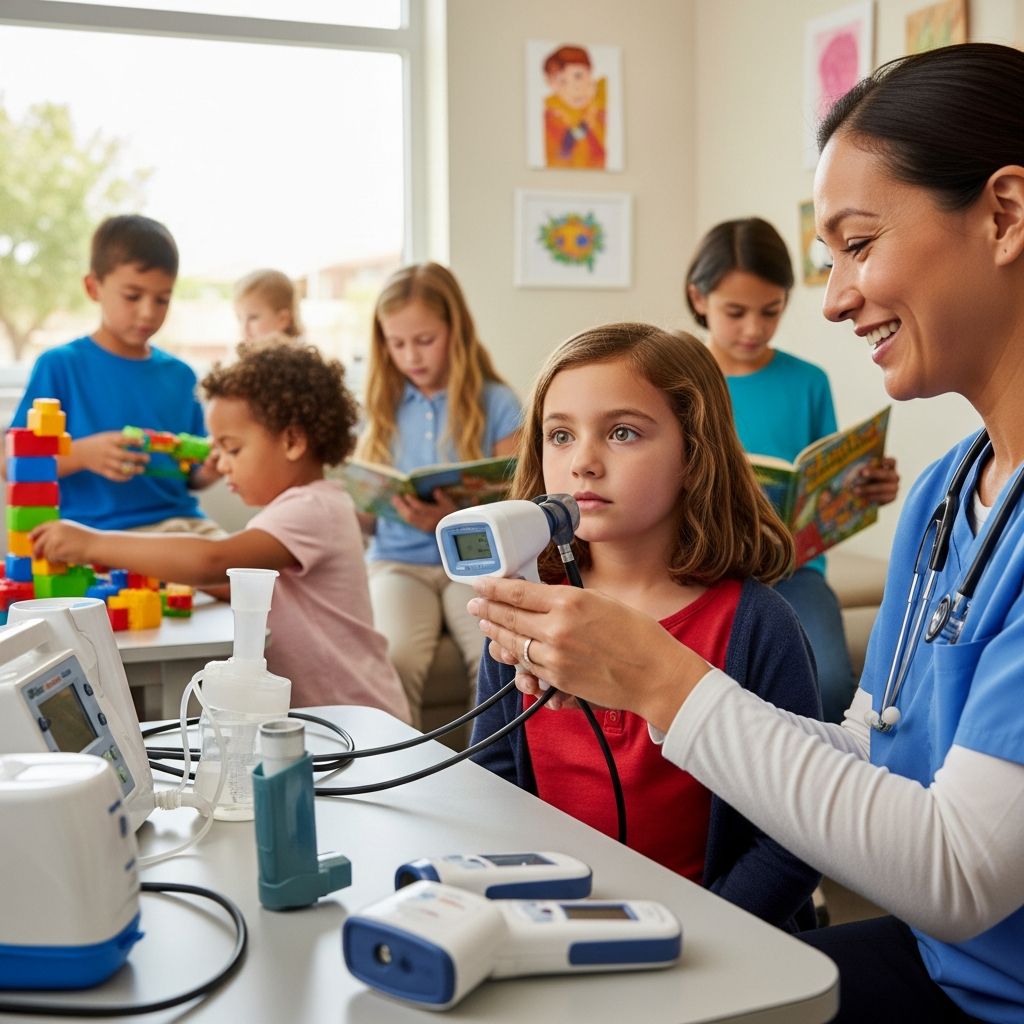
When a child has frequent coughing, wheezing, or trouble catching their breath, doctors often consider asthma as a possible cause. Parents are then introduced to a world of lung tests, medical terms, and follow-up visits that can feel overwhelming at first. Understanding how asthma is tested in children can make the process less frightening and help families take an active role in their child’s care.
This article explains why asthma tests are done, what the main types of assessments look like, how to prepare your child, and what questions to ask about the results. It is designed for parents and caregivers who want clear, practical information written in everyday language.
Why Doctors Test Children for Asthma
Asthma is a long-term condition in which the airways become inflamed and narrow, making it harder for air to move in and out of the lungs. Because many illnesses share similar symptoms, doctors use asthma testing to separate asthma from other possible causes such as infections, allergies, or structural problems in the airways.
The goals of asthma testing in children usually include:
- Confirming whether asthma is the most likely explanation for breathing symptoms.
- Measuring how well the lungs are working at the time of the visit.
- Checking how the lungs respond to asthma medications.
- Guiding decisions about treatment strength and follow-up.
Common Signs That May Lead to Asthma Testing
Most children are not tested for asthma after a single cold or mild cough. Testing is usually considered when symptoms are frequent, long-lasting, or severe enough to affect daily life. Parents can help by keeping track of patterns and triggers that seem to worsen breathing.
Doctors may recommend asthma testing if a child has:
- Repeated episodes of coughing that linger for weeks, especially at night or early morning.
- Wheezing sounds when breathing out, described as a musical or whistling noise.
- Complaints of chest tightness or “hurting” when running or playing.
- Shortness of breath with exercise, laughing, or crying that seems more than expected.
- Breathing problems that improve noticeably with asthma medications.
How Age Affects Asthma Testing
Asthma tests often require a child to blow forcefully or follow detailed instructions, which can be difficult for very young children. For that reason, the approach to diagnosis depends a great deal on age and developmental stage.
| Age Range | How Doctors Usually Assess | Common Tools Used |
|---|---|---|
| Under 5 years | Focus on symptoms, family history, and response to trial medicines. | Physical exam, symptom diary, trial of inhaled medications. |
| 5–7 years | Begin simple lung function tests if the child can follow directions. | Basic spirometry, peak flow meter, allergy evaluation if needed. |
| Over 7 years | Use more complete lung testing and formal asthma work-up. | Full spirometry, bronchodilator response tests, nitric oxide tests, allergy tests. |
The Building Blocks of an Asthma Evaluation
Asthma testing is not just a single machine or number. It is a combination of history, physical examination, and lung measurements, all viewed together. A normal test does not always rule out asthma, especially if the child is not having symptoms that day.
Most evaluations include several key pieces:
- Questions about symptoms, daily routine, and triggers.
- A careful exam of the chest, breathing pattern, skin, and nose.
- One or more objective tests that measure lung function or airway inflammation.
- Sometimes, tests related to allergies, imaging, or blood work.
History and Symptom Discussion
The conversation at the beginning of the visit is as important as any machine-based test. Doctors rely on parents and older children to describe what is happening at home, school, and during activities, because lung tests capture just one moment in time.
Questions commonly cover:
- How long coughing, wheezing, or shortness of breath have been present.
- Whether symptoms are worse at night, early morning, or with exercise.
- Exposure to tobacco smoke, pets, dust, mold, or seasonal pollen.
- Any hospital visits, urgent clinic trips, or need for oral steroids.
- Family history of asthma, hay fever, eczema, or food allergies.
Physical Examination: What the Doctor Looks For
During the exam, the child’s breathing pattern, chest movement, and overall comfort are observed. The doctor may note whether the child is breathing quickly, using extra neck or chest muscles, or pausing when speaking because of breathlessness.
The provider typically:
- Listens to the lungs for wheezes, crackles, or reduced airflow.
- Checks the nose and throat for signs of congestion or postnasal drip.
- Looks at the skin for eczema or hives, which may suggest allergies.
- Measures oxygen saturation with a fingertip sensor if the child seems very short of breath.
Introduction to Lung Function Tests
Lung function tests measure how much air a child can move and how quickly it flows. They are often called pulmonary function tests and are usually painless. Many children describe them as “blowing games” because they involve blowing into a tube or device.
Although some tests can be done in a regular office, others require a special laboratory. The exact choice depends on the child’s age, health status, and how clear or uncertain the diagnosis appears after initial assessment.
Spirometry: The Core Breathing Test
Spirometry is the most common lung function test used in older children. During this test, the child takes a deep breath and then blows out as hard and as long as possible into a mouthpiece connected to a machine. The device records how much air comes out and how fast.
Results from spirometry help doctors answer questions such as:
- Is air flow through the lungs lower than expected for the child’s age, height, and sex?
- Does the pattern of air flow suggest narrowed airways consistent with asthma?
- How much does breathing improve after using a quick-relief inhaler?
Bronchodilator Response Testing
A common next step is to see how the lungs behave after a dose of medicine that opens the airways, called a bronchodilator. The child first performs spirometry, then takes several puffs of an inhaler under supervision, and repeats the test after a short waiting period.
If the air flow measurements improve significantly after the medication, it supports the idea that the airways are reactive and can become narrowed but also relax with treatment, which fits asthma more than many other breathing problems.
Peak Flow Meter Readings
A peak flow meter is a small, handheld device that measures how fast a child can blow air out in a single strong breath. It is easy to use at home, so some families use it daily or during illness to track trends over time. The child usually stands, takes a deep breath, and blows into the mouthpiece as hard and fast as possible.
Peak flow readings can be written down in a log or app, creating a picture of the child’s routine lung function. Falling numbers may signal worsening control even before obvious symptoms appear, helping families adjust medications under medical guidance.
Tests That Measure Airway Inflammation
In addition to airflow, doctors sometimes want to measure how irritated or inflamed the airways are. One tool for this is a test that estimates the level of certain substances in the breath that rise with airway inflammation. The child usually breathes out slowly into a special device through a mouthpiece.
These measurements can help:
- Support a diagnosis of asthma when the picture is unclear.
- Guide how strongly anti-inflammatory medicines should be used.
- Monitor whether long-term treatment is calming down airway irritation.
Allergy Testing and Asthma
Because many children with asthma also have allergies, doctors often explore whether substances such as pollen, pet dander, or dust mites are contributing to breathing problems. Identifying these triggers can significantly improve long-term control.
Two main methods are commonly used:
- Skin tests, in which drops of diluted allergens are placed on the skin and then gently scratched to see if small, itchy bumps develop.
- Blood tests, which measure immune system responses to specific allergens and can be helpful when skin testing is not possible.
Other Specialized Breathing Tests
Some children need more detailed assessments, especially when symptoms do not follow a typical asthma pattern or do not improve with usual treatments. Specialized tests are usually done in hospitals or dedicated lung function laboratories.
Depending on the situation, a child might have:
- More advanced lung function testing that looks at how air moves through the chest in different conditions, such as during controlled exercise.
- Tests that expose the lungs briefly to a mild challenge, such as cold air or a specific chemical, while carefully monitoring how the airways react.
- Breathing tests using sound waves or pressure changes to measure airway resistance without requiring very forceful blowing, which can be useful in younger children.
Imaging and Additional Studies
While asthma is usually diagnosed without advanced imaging, doctors may occasionally order chest X-rays or other scans if they suspect infections, structural issues, or other lung diseases that could mimic asthma symptoms. These tests help rule out alternative explanations when the story is not straightforward.
In rare and complex cases, a thin flexible tube with a camera may be used to look directly into the airways while the child is sedated. This kind of procedure is reserved for situations in which doctors must carefully inspect the breathing tubes or collect samples from deep inside the lungs.
How Doctors Interpret Asthma Test Results
Asthma testing rarely leads to a simple “yes” or “no” answer based on a single number. Instead, doctors piece together information from history, physical exam, and multiple tests. They compare lung measurements to expected normal values and look at how results change over time or in response to medication.
The final assessment might be described in several ways, such as “very likely asthma,” “possible asthma needing follow-up,” or “symptoms better explained by another condition.” When the picture is uncertain, doctors may repeat tests after several weeks or months or refer the child to a specialist.
Helping Your Child Prepare for Testing
Preparation can make asthma testing smoother and reduce anxiety. Children often do better when they know what to expect and feel that a trusted adult is staying calm and encouraging. Clear instructions from the medical team should always be followed, especially about which medications to use or skip before lung function tests.
Parents can help by:
- Explaining that the tests should not be painful, only tiring from blowing and breathing.
- Practicing “big breath in, big breath out” at home as a game.
- Bringing a favorite toy or book to help pass waiting time.
- Ensuring the child wears comfortable clothing that does not restrict chest movement.
Questions to Ask Your Child’s Doctor
Parents have the right to understand why tests are being done and what the results mean. Asking questions not only supports informed decisions but also models for children how to take part in their own health care as they grow older.
Helpful questions include:
- What specific problem are you looking for with these tests?
- Are there any medicines my child should avoid before the appointment?
- How will these results change my child’s treatment plan?
- Should the tests be repeated in the future, and if so, how often?
- Is there anything I should monitor at home between visits?
Living With the Possibility or Diagnosis of Asthma
Receiving test results that confirm asthma can be emotional, but it can also bring relief by offering a clear explanation and a path forward. Many children with asthma participate fully in school, sports, and play when their condition is recognized and managed well. Treatment often includes daily controller medicine, quick-relief inhalers for flare-ups, and an action plan for parents and schools.
When results are uncertain, ongoing observation and repeat testing may be required. Keeping a record of symptoms, medications, and activity levels between visits gives doctors helpful clues about how the child’s lungs behave in real life, not just in the clinic.
Frequently Asked Questions
Is there a single test that proves my child has asthma?
No, there is no single test that absolutely proves asthma in every child. Diagnosis usually comes from a combination of symptom patterns, physical examination, and test results, sometimes over several visits.
Can my child still have asthma if the tests look normal?
Yes. Some children have normal lung function at rest but develop symptoms only during colds, exercise, or certain seasons. In such cases, doctors may rely on symptom history, trial treatment, and repeat testing at different times.
Will asthma tests hurt?
Standard lung function tests do not involve needles or surgery and are generally not painful. Children may feel tired from repeated blowing or slightly uncomfortable during certain procedures, but the staff should explain each step and stop if the child becomes distressed.
How long do asthma tests take?
The time varies. A basic spirometry session can often be done within 30 minutes, while more complex testing or specialist evaluations may require an hour or more, especially if several different measurements are needed.
What happens after we get the results?
After reviewing the results, the doctor will discuss whether asthma appears likely and recommend a treatment or monitoring plan. This might include starting or adjusting medications, avoiding certain triggers, scheduling follow-ups, or referring to an asthma or allergy specialist.
Key Takeaways for Parents
Asthma testing in children is a step-by-step process rather than a single event. Understanding the purpose of each test and how it fits into the bigger picture can reduce anxiety and help families feel confident in their decisions.
By asking questions, preparing your child, and carefully observing symptoms at home, you become an essential partner in your child’s care team—helping ensure breathing problems are recognized early and managed effectively.