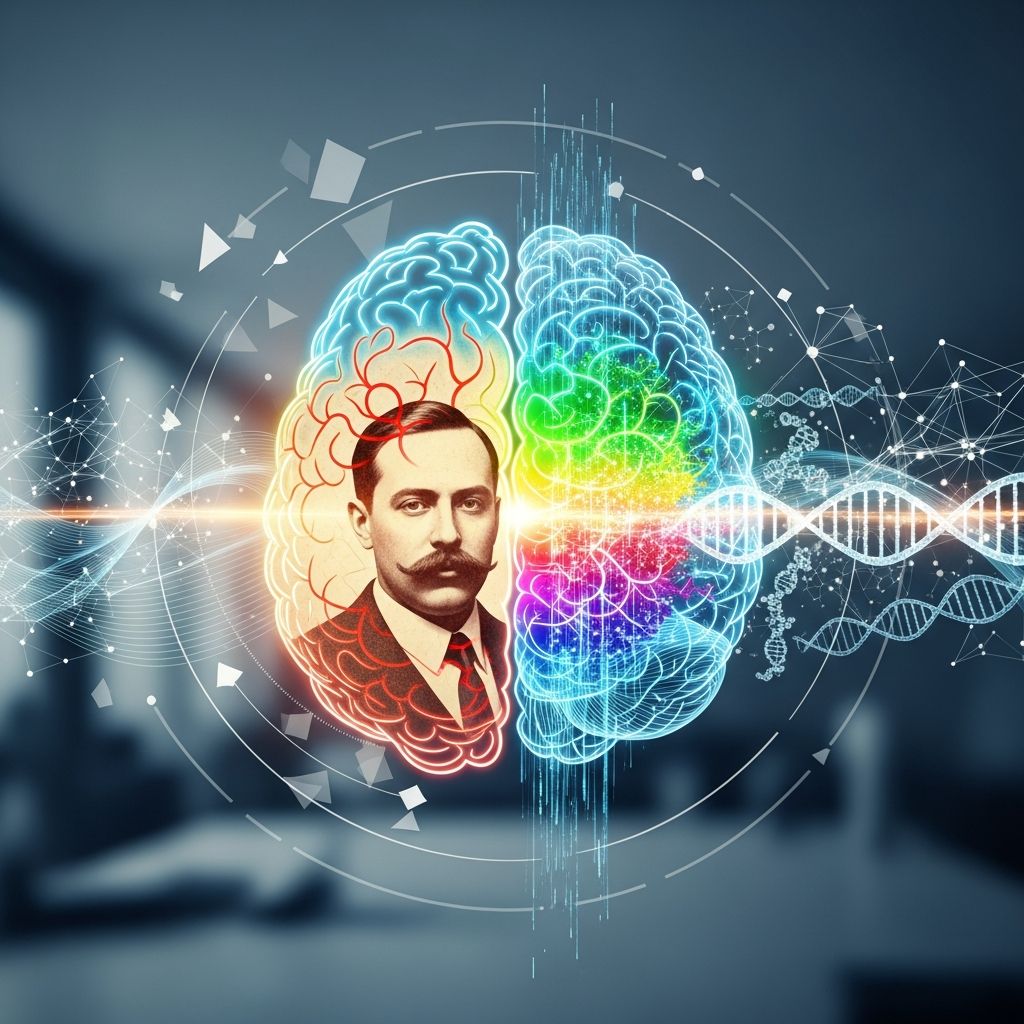
The landscape of neurodevelopmental diagnoses has transformed significantly over recent decades, particularly regarding what was once known as Asperger’s syndrome. Today, it falls under the broad umbrella of autism spectrum disorder (ASD), reflecting a more inclusive understanding of these conditions. This shift, formalized in 2013 with the DSM-5, recognizes that traits previously labeled separately exist on a continuum rather than as distinct categories.
Defining the Autism Spectrum Disorder
Autism spectrum disorder encompasses a range of neurological and developmental variations affecting social interaction, communication, and behavior. Individuals may experience challenges in interpreting social cues, maintaining conversations, or adapting to changes, alongside strengths like intense focus on preferred topics or exceptional memory in specific areas.
Core features include:
- Persistent difficulties in social communication and interaction across multiple contexts.
- Restricted, repetitive patterns of behavior, interests, or activities.
- Symptoms present from early childhood, even if not fully recognized until later.
ASD’s “spectrum” nature means support needs vary widely—from those requiring substantial daily assistance to highly independent adults thriving in specialized fields.
Historical Roots: Introducing Asperger’s Syndrome
In the 1940s, Austrian pediatrician Hans Asperger described a group of children with unique social and behavioral traits. These youngsters exhibited average to above-average intelligence, no significant language delays, but struggled profoundly with peer relationships and flexible thinking. Asperger termed this “autistic psychopathy,” highlighting their originality and potential despite social awkwardness.
For decades, this condition was diagnosed separately from classic autism, which often involved more noticeable delays. The term “Asperger’s syndrome” gained traction in the 1980s through British psychiatrist Lorna Wing, bridging European and English-speaking research communities.
Key Distinctions in the Pre-DSM-5 Era
Before 2013, clinicians differentiated Asperger’s from autism based on specific criteria. Here’s a comparison of hallmark traits:
| Aspect | Asperger’s Syndrome (Historical) | Classic Autism |
|---|---|---|
| Language Development | No delays; often advanced vocabulary, but pragmatically challenged (e.g., literal interpretations, monologues on niche topics). | Frequent delays; may include echolalia or minimal speech. |
| Cognitive Abilities | Average or superior IQ; no clinically significant impairment required for diagnosis. | Variable; often includes intellectual disability. |
| Social Challenges | Desire for friendships but clumsiness in execution; one-sided interactions. | Broader impairments, potentially less interest in social bonds. |
| Behaviors | Intense special interests, routines; motor clumsiness common. | Repetitive actions, sensory sensitivities; more severe in some cases. |
These differences meant Asperger’s was often identified later, such as during school entry when social demands intensified.
The DSM-5 Revolution: One Spectrum, Many Levels
The fifth edition of the Diagnostic and Statistical Manual of Mental Disorders (DSM-5) eliminated Asperger’s as a standalone diagnosis, integrating it into ASD with levels of severity (1-3) based on support required.
- Level 1: Requiring support (akin to former Asperger’s)—social challenges without support, inflexibility causing interference.
- Level 2: Requiring substantial support—marked deficits, even with help.
- Level 3: Requiring very substantial support—severe impairments limiting verbal communication.
This unified approach reduces stigma, streamlines services, and acknowledges overlapping traits. Research supports minimal reliable distinctions between historical categories, with brain imaging showing shared anatomical patterns like grey matter variations.
Unpacking Common Symptoms Across the Spectrum
Social and Communication Hurdles
People on the spectrum often misread nonverbal signals, such as facial expressions or tone, leading to misunderstandings. Those with Asperger’s-like traits might engage in lengthy discussions on favored subjects without noticing disinterest, while others prefer solitude or scripted exchanges.
Repetitive Patterns and Sensory Processing
Rigidity manifests as insistence on sameness—specific routes, clothing textures, or schedules. Sensory sensitivities (hypersensitivity to noise/light or hyposensitivity seeking intense input) are prevalent. Stimming behaviors like hand-flapping or pacing provide self-regulation.
Strengths and Unique Profiles
Many exhibit remarkable abilities: pattern recognition, deep expertise, or creative problem-solving. Historical Asperger’s cases frequently excelled in tech, arts, or sciences, leveraging hyper-focus.
Controversies Surrounding Hans Asperger
Recent investigations have darkened Asperger’s legacy. Reports indicate he collaborated with Nazi eugenics programs, referring children deemed “unfit” to the Am Spiegelgrund clinic, where many perished. A 2018 study in EMBO Molecular Medicine detailed his involvement in assessing children’s “value” for the regime, complicating the eponymous term.
This history prompted organizations like the National Autistic Society to advocate dropping “Asperger’s,” favoring “autism” to honor affected communities without tainted associations.
Diagnosis in Today’s World
Early identification improves outcomes. Pediatricians screen at 18-24 months using tools like the M-CHAT, followed by comprehensive evaluations involving observation, parent interviews (e.g., ADOS-2), and developmental history.[10]
Challenges persist: Girls often mask symptoms, leading to later diagnoses. Adults may seek assessment amid career or relationship strains. No medical test exists; diagnosis relies on behavioral criteria.
Support Strategies and Interventions
Tailored supports enhance quality of life:
- Behavioral Therapies: Applied Behavior Analysis (ABA), Pivotal Response Training (PRT) build skills incrementally.
- Speech and Occupational Therapy: Address pragmatics, sensory integration, motor issues.
- Educational Supports: IEPs/504 plans accommodate learning styles.
- Social Skills Groups: Practice real-world interactions.
- Medications: Target co-occurring anxiety, ADHD, not core ASD traits.
Early intensive behavioral intervention (EIBI) for young children shows strong evidence for adaptive gains.
Living Well on the Spectrum
Adults with Level 1 ASD (former Asperger’s) often lead fulfilling lives, with many in STEM professions. Accommodations like clear communication and routine predictability aid success. Advocacy groups emphasize neurodiversity—viewing ASD as a difference, not deficit.
Frequently Asked Questions
Can adults be diagnosed with autism if they had Asperger’s traits?
Yes, DSM-5 allows diagnosis at any age. Many adults pursue evaluation for clarity and access to supports.
Is Asperger’s milder than other autism forms?
Historically viewed as such due to no language delay, but severity varies individually under ASD levels.
Does vaccination cause autism?
No; extensive studies, including CDC and WHO reviews, debunk this myth.[10]
How can parents support a child on the spectrum?
Encourage strengths, provide structure, seek professional therapies, and foster acceptance.
Are there genetic factors in ASD?
Yes, heritability is high (up to 90%), with hundreds of associated genes.
References
- Asperger’s vs. Autism: What’s the Difference? — Healthline. 2023-05-15. https://www.healthline.com/health/aspergers-vs-autism
- What is the difference between Asperger’s syndrome and autism? — Medical News Today. 2024-02-10. https://www.medicalnewstoday.com/articles/aspergers-vs-autism
- What is the difference between autism and Aspergers? — BlueSprig Autism. 2023-11-20. https://www.bluesprigautism.com/blog/what-is-the-difference-between-autism-and-aspergers/
- Asperger’s vs. Autism: What’s The Difference? — Drake Institute. 2024-01-05. https://drakeinstitute.com/aspergers-vs-autism
- Difference Between Autism and Aspergers Syndrome — Autism SA. 2023-08-12. https://autismsa.org.au/autism-diagnosis/what-is-autism/autism-vs-aspergers/
- Can Asperger syndrome be distinguished from autism? An anatomic likelihood estimation meta-analysis of MRI studies. — PMC (National Library of Medicine). 2011-10-01. https://pmc.ncbi.nlm.nih.gov/articles/PMC3201995/
- Asperger’s vs. Autism: What’s the Difference? — Cleveland Clinic. 2023-09-18. https://health.clevelandclinic.org/aspergers-vs-autism