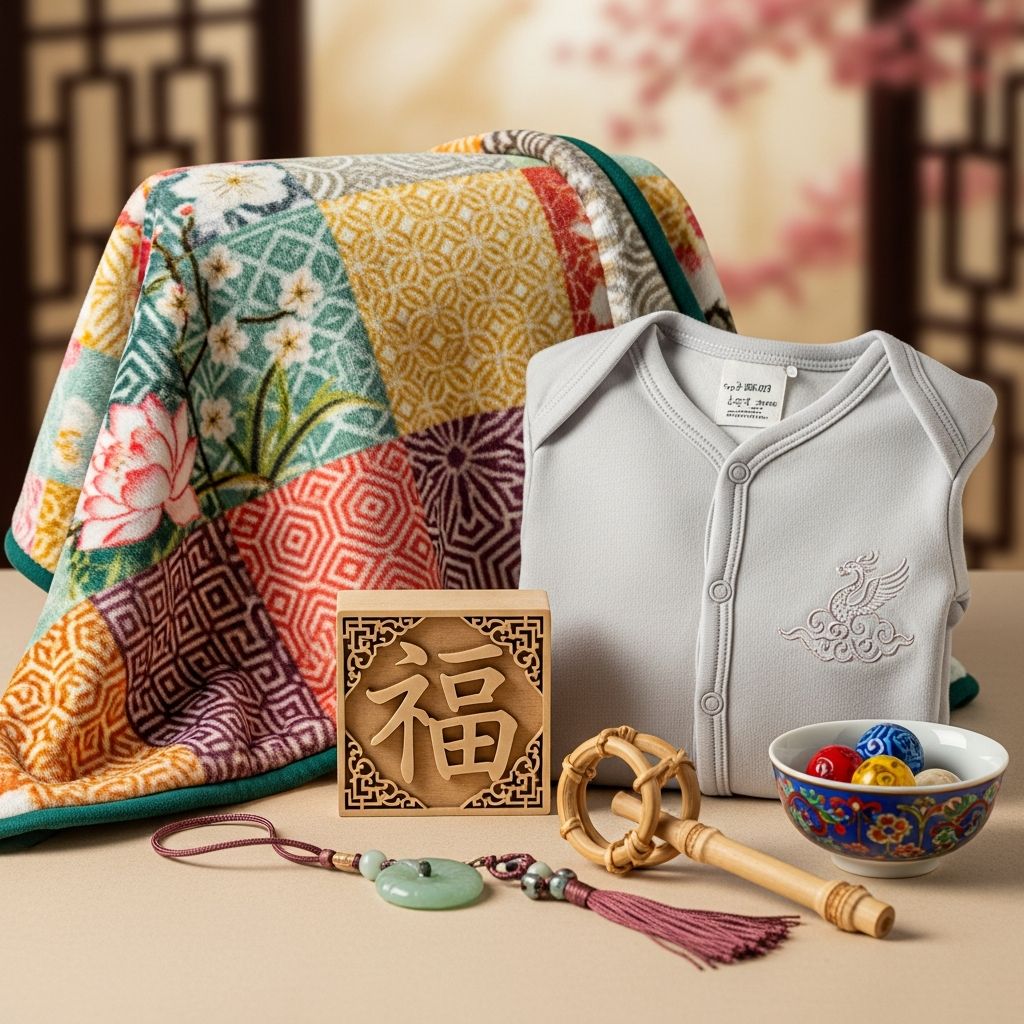
Choosing a baby’s name is a profound act that weaves together family history, cultural identity, and hopes for the future. In Asian cultures, names often transcend simple labels, serving as vessels for blessings, natural elements, and ancestral wisdom. This article delves into the vibrant tapestry of naming practices across Asia, offering parents inspiration drawn from time-honored traditions. By selecting names rich in meaning, families can instill a sense of pride and connection in their children from the very start.
The Philosophy Behind Asian Naming Customs
Asian naming traditions are deeply intertwined with philosophy, spirituality, and cosmology. Unlike Western conventions where given names often precede surnames, many Asian societies prioritize family lineage by placing the surname first. This structure underscores collectivism and respect for forebears. For instance, in Chinese culture, the surname—such as Wang or Li—comes first, followed by a given name crafted to reflect parental aspirations or astrological alignments.
Fortune-telling plays a pivotal role in several traditions. Parents consult experts who analyze birth details like date, time, and even weather conditions to recommend characters that balance elemental forces. A child born during a drought might receive a name evoking water, symbolizing abundance and flow. These practices ensure the name harmonizes with the child’s destiny, promoting prosperity and health.
In Japan, the shichiya ceremony on the seventh night after birth announces the name via a decorative meimeisho poster, emphasizing the name’s role in shaping the child’s path. Similarly, Indonesian communities like the Batak tribe assign initial communal names before personalizing them, reflecting patriarchal structures and community bonds. These rituals highlight how names are not chosen lightly but through ceremonies that bind generations.
Chinese Names: Auspicious Symbols of Strength and Grace
Chinese naming is a blend of ancient wisdom and modern creativity. Traditional given names aspire to virtues like strength for boys (e.g., Wei meaning ‘great’) or beauty for girls (e.g., Li meaning ‘beautiful’). Generation names, a shared character among siblings, reinforce family unity—such as wén in Wáng Jiāwén and Wáng Guówén.
Fortune tellers often incorporate radicals tied to nature or luck. Pine (song) denotes perseverance for boys, while phoenix (feng) evokes regality for girls. Dragon-year babies might bear names like Qing (‘noble’) or Ri (‘sun’), amplifying zodiac luck. Contemporary parents favor gender-neutral options like Xīn (‘joy’) or Ān (‘peace’), mirroring societal shifts toward individuality.
- Hai: Sea – Balances dryness, invites prosperity.
- Lian: Water lily – Purity and resilience.
- Chenxi: Morning sun – Brightness and vitality.
- Zhaodi: Beckoning brother – Family expansion hopes.
These names carry phonetic elegance and profound intent, making them timeless choices for global families.
Japanese Names: Harmony, Nature, and Achievement
Japanese names draw from kanji characters symbolizing harmony, seasons, and personal growth. The thread motif in names like Tsumugi (‘to spin silk’) represents interpersonal connections essential for balance. Yui, meaning ‘successful heart’ or ‘achievement,’ is popular for girls aspiring to excellence.
Naming ceremonies emphasize aesthetics, with calligraphy immortalizing the choice. Parents select kanji for their layered meanings, often evoking nature’s tranquility or aspirational qualities. Boys might receive robust names tied to mountains or winds, while girls’ names bloom with floral imagery.
| Name | Meaning | Gender | Cultural Note |
|---|---|---|---|
| Yui | Bind heart / Achievement | Girl | Success attractor |
| Tsumugi | Silk thread | Girl | Harmony symbol |
| Kai | Sea / Shell | Boy | Endless potential |
| Hana | Flower | Girl | Delicate beauty |
Modern trends blend tradition with uniqueness, ensuring names resonate in international contexts while honoring roots.
Indian and South Asian Names: Caste, Stars, and Purity
India’s diverse naming landscape reflects regional, caste, and astrological influences. Southern communities layer village, father’s name, given name, and caste—e.g., A.P.J. Abdul Kalam. Tamil Namakarana ceremonies, held 11-41 days post-birth, involve whispering the name into the child’s ear for blessings.
Sinhalese Nam tebina offers choices like Aloka (‘light’) for boys or Dilani (‘moonlight’) for girls. Bali’s caste-based order assigns Wayan to firstborns, Made to seconds, preserving social structure. These names embody purity (Amala), elements (Anil – ‘wind’), or divinity (Lakshmi).
- Aloka: Light – Enlightenment.
- Avya: First – Pioneer spirit.
- Sanath: Eternal – Timeless wisdom.
Sikhs append Singh (lions) for boys and Kaur (princesses) for girls, promoting equality.
Southeast Asian Traditions: Rituals and Regional Flavors
Southeast Asia brims with unique customs. Balinese sequential naming (Wayan, Putu) maintains caste legacies. Javanese Ngayun delays naming until day seven, with shamans guiding choices like Suharto (‘good hero’). Batak Toba starts with Unsok (boys) or Butet (girls), evolving to personal names like Bonar.
Thai and Vietnamese practices often align with lunar calendars, favoring melodic sounds and benevolent meanings. These rituals foster community involvement, turning naming into a celebratory milestone.
Modern Twists on Timeless Names
Globalization inspires fusion: Western-sounding names like Vivian or Sharon appear in Chinese families, echoing old Hollywood glamour. Parents blend cultures, creating hyphenates or phonetic adaptations that honor heritage without isolation. Gender-neutral trends, seen in Chinese Xīn or Japanese Rei (‘bell’), promote inclusivity.
Urban parents research via apps, prioritizing ease of pronunciation abroad while retaining depth. This evolution ensures cultural pride evolves with the diaspora.
Practical Tips for Choosing an Asian-Inspired Name
Research kanji/hanzi variations for nuanced meanings. Consult cultural experts for authenticity. Test pronunciation across languages. Consider legal name laws in your country. Ultimately, select a name that resonates emotionally and culturally.
- Align with birth stars or elements.
- Seek family input for generational ties.
- Visualize monograms and signatures.
- Ensure positive global associations.
Frequently Asked Questions
What makes Asian names culturally significant?
They encode blessings, elements, and lineage, often chosen via rituals to guide destiny.
Can non-Asian parents use these names?
Yes, with respect and understanding, honoring the culture enhances appreciation.
How do Chinese surnames work?
Surname first (e.g., Li), followed by given name(s) reflecting aspirations.
Are there gender-neutral Asian names?
Many, like Kai or Xīn, suit modern preferences.
What ceremonies accompany naming?
Japanese shichiya, Indian Namakarana, and more.
References
- Asian Ceremonies around Names — Namepedia Blog. 2022-07-01. https://blog-en.namepedia.org/2022/07/asian-ceremonies-around-names/
- How Chinese Names are Given: Unpacking Naming Traditions — Lingoinn. Accessed 2026. https://www.lingoinn.com/how-chinese-names-are-given-unpacking-naming-traditions/
- Why are old fashioned names popular with Chinese parents for children? — Chinese-Forums. 2013-10-01. https://www.chinese-forums.com/forums/topic/42033-why-are-old-fashioned-names-popular-with-chinese-parents-for-children/
- A basic guide to using Asian names — Asia Media Centre. Accessed 2026. https://www.asiamediacentre.org.nz/features/a-guide-to-using-asian-names
- Child-naming traditions in Southeast Asia — Thai PBS World. Accessed 2026. https://world.thaipbs.or.th/detail/childnaming-traditions-in-southeast-asia/57733