Creating a baby registry can feel like shopping for a person you have never met while trying to predict a routine you have never lived. It is exciting, but it can also be overwhelming, especially when every brand promises that their product is a “must-have.” This guide walks through how to build a registry that truly supports your everyday life, not just your fantasy nursery.
Instead of focusing on brands or trends, this article breaks things down by how you will actually use items: feeding, sleeping, diapering, traveling, playing, and taking care of yourself. Use it as a framework to decide what belongs on your list and what you can comfortably skip or borrow.
Start With Your Lifestyle, Not the Store
Before adding a single product, take a step back and think about your daily life, your home, and the support system around you. The same baby item can feel essential in one household and completely unnecessary in another.
Questions to Ask Yourself First
- Where will the baby sleep in the first 3–6 months (your room, nursery, small apartment)?
- Do you expect lots of hand-me-downs from family or friends?
- Will you primarily breastfeed, formula feed, or keep options open?
- How often do you drive, walk, or use public transportation?
- Do you live in a house with storage, or a smaller space where every item must earn its keep?
- Do you plan to have more children and want items that will last through multiple babies?
Use your answers to guide decisions. For example, city families who walk most places might prioritize a sturdy stroller and carrier, while suburban families may care more about a car seat system and an easy-fold stroller for the trunk.
Core Categories for a Functional Baby Registry
While every family is different, certain needs are universal: safe sleep, feeding, diapering, getting around, cleanliness, and basic comfort. Below is an overview of categories to cover and how to think about each one.
| Category | Primary Purpose | Examples of Items |
|---|---|---|
| Sleep & Nursery | Safe and comfortable rest for baby | Crib, mattress, bassinet, sheets, swaddles |
| Feeding | Supporting breast, bottle, or combo feeding | Bottles, breast pump, nursing pillow, high chair |
| Diapering | Clean, efficient diaper changes | Diapers, wipes, changing pad, diaper pail |
| Travel & On-the-Go | Safe transport and mobility | Car seat, stroller, baby carrier, diaper bag |
| Bath & Health | Hygiene and basic wellness | Baby tub, gentle wash, thermometer, nail clippers |
| Clothing & Comfort | Warmth, softness, easy changes | Onesies, sleepers, socks, sleep sacks |
| Parent Care | Supporting recovery and mental health | Postpartum supplies, water bottle, nursing bras |
Sleep & Nursery: Build a Calm, Safe Base
The nursery does not need to look like a catalog page to work well. Focus on safety, comfort, and enough storage to keep essentials easy to reach when you are tired and holding a squirmy baby.
Essential Sleep Items
- Safe sleeping surface (crib, mini-crib, or bassinet that meets current safety standards)
- Firm mattress designed to fit your chosen sleep space
- 2–3 fitted sheets for quick changes after leaks or spit-up
- 2–3 wearable blankets or sleep sacks appropriate for your climate
- Optional but helpful: white noise machine and blackout curtains for long naps
Nursery Furniture & Storage
- A stable dresser or storage unit for clothes and linens
- A changing surface: dedicated changing table or a secured pad on top of a dresser
- Small baskets or bins for diapers, wipes, and creams near your main changing area
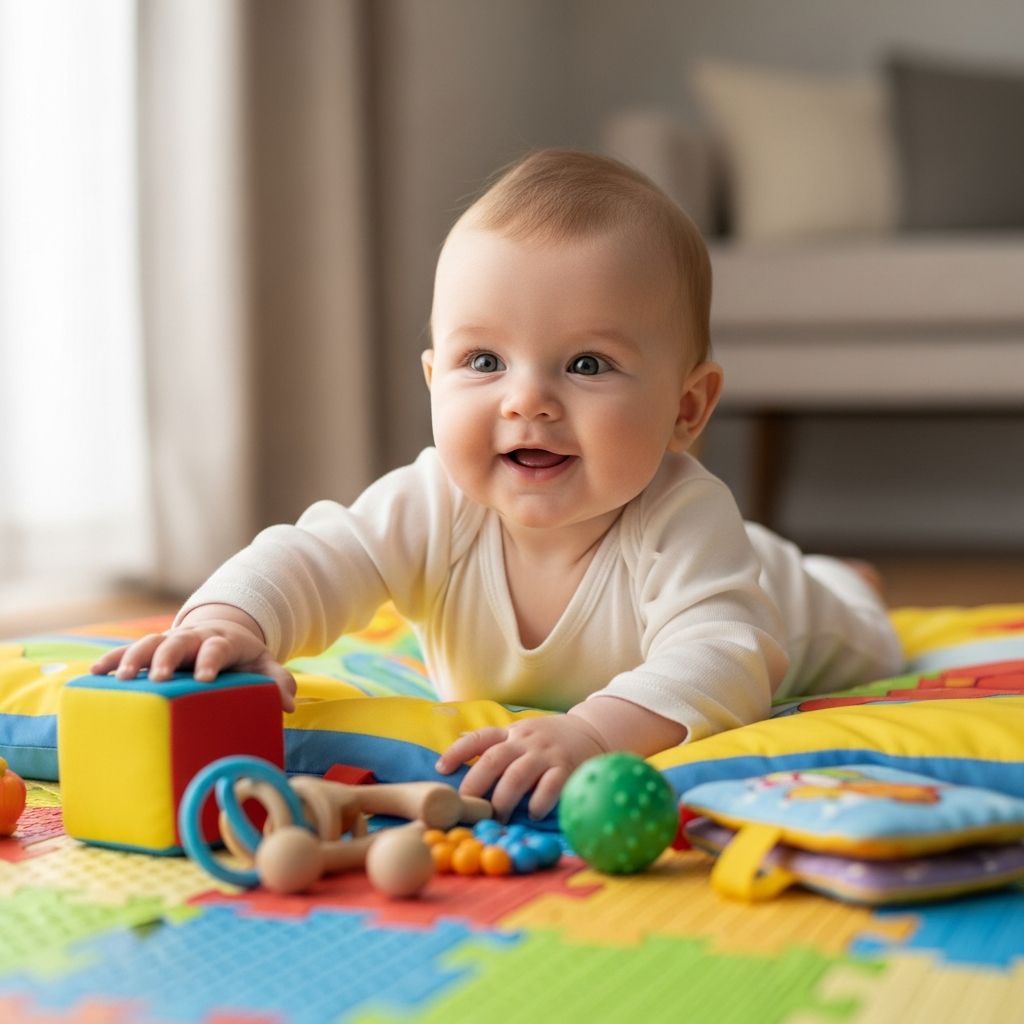
- Soft, washable rug or play mat for tummy time as baby grows
While rocking chairs and gliders are often highlighted, they are not mandatory. If seating space is limited, a comfortable armchair you already own can be paired with a small side table for water, burp cloths, and your phone.
Feeding: Plan for Flexibility
Feeding is one of the most personal aspects of early parenting, and it rarely goes exactly as expected. When creating your registry, build in flexibility so that you have what you need regardless of how feeding evolves.
Breast and Bottle Basics
- A small set of bottles in different sizes (newborn and larger) so you can test what baby prefers
- Nipples with slow flow for newborns and a couple of faster-flow options for later
- Nursing pillow or firm support cushion to reduce strain on your back and arms
- Burp cloths or small, soft cloth diapers for spills and spit-up
- Bottle brush and drying rack to keep feeding gear organized
If You Plan to Pump
- Double electric breast pump or manual pump, depending on your needs and schedule
- Milk storage bags or reusable containers
- Pump parts replacement sets (valves and membranes wear out)
- Hands-free pumping bra for convenience
- Nipple cream and cooling/warming pads for comfort
As solid foods become part of your routine, items like a high chair, suction bowls, soft spoons, and bibs will be helpful. These can go on your registry even if you will not use them until months after birth, since friends and family often enjoy buying items that feel more “fun” than diapers.
Diapering: Set Up for Speed and Sanity
Diaper changes happen many times each day, often at the least convenient moment. A little planning on the front end can make the process faster, cleaner, and easier on tired parents.
Diapering Staples
- Newborn and size 1 diapers (or cloth diaper system, including covers and inserts)
- Unscented baby wipes or reusable wipes with a small spray bottle of water
- Thick diaper cream or ointment for preventing and treating irritation
- Changing pad with at least one washable or wipeable cover
- Portable changing mat for use on the couch, bed, or when traveling
Managing Odors and Mess
- Dedicated diaper pail or simple lidded trash can with regular bag liners
- Small basket or caddy stocked with diapers and wipes in more than one room
- Extra set of baby clothes within reach of your changing station for quick outfit changes
Remember that you can always add more diapers later. Your registry is a good place to request a few different brands or styles in small quantities so you can see what fits your baby’s shape and skin best.
Travel & On-the-Go Gear
Getting out of the house with a baby is both liberating and intimidating. Choosing the right travel gear for your lifestyle can make outings feel manageable instead of daunting.
Car and Stroller Essentials
- Rear-facing car seat that fits both your vehicle and your budget
- Stroller that matches your main use (daily walks, car travel, public transit, or jogging)
- Optional stroller frame that your infant car seat can click into for quick errands
- Simple backseat mirror so you can glance at baby while driving (if allowed where you live)
Diaper Bag and Carriers
- Roomy but lightweight diaper bag with pockets for bottles, diapers, and personal items
- Portable changing pad that folds into your bag or clips onto a stroller
- Soft baby carrier or wrap for hands-free contact and easier movement in crowds
- Structured carrier for longer outings as baby grows heavier
If storage is limited, consider prioritizing one excellent stroller and one versatile carrier rather than multiple specialized options. Many parents find that a single, well-chosen setup gets far more use than a collection of niche products.
Bath Time & Health Essentials
Bath time does not need to be elaborate to be enjoyable. A few simple items can keep your baby clean and comfortable while giving you confidence in handling a slippery little body.
Bath Basics
- Infant bath tub or support insert that fits your sink or bathtub
- 2–3 soft, hooded towels
- Several washcloths for gentle cleaning
- Mild, fragrance-conscious baby wash and shampoo
- Baby lotion or moisturizer for dry skin
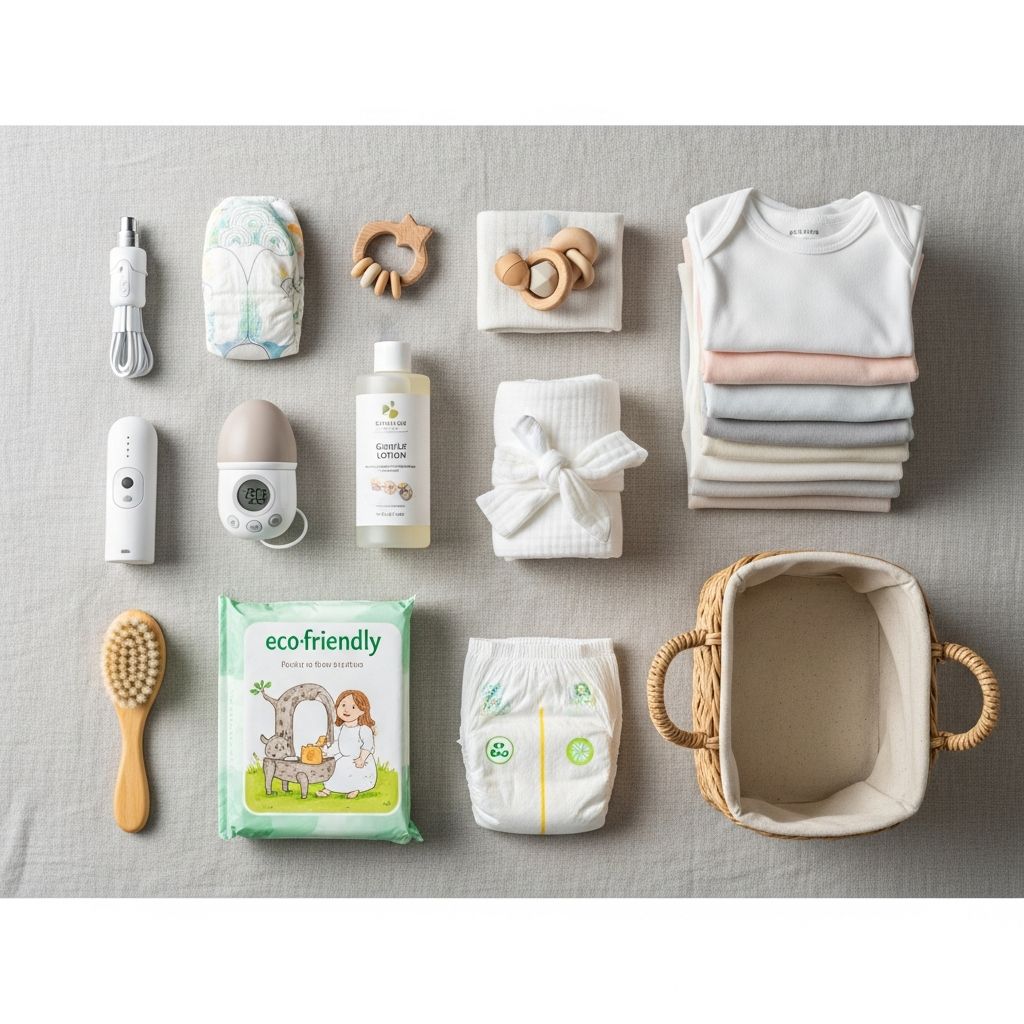
Health & Grooming Tools
- Digital thermometer appropriate for infants
- Baby nail clippers or file, since tiny nails grow quickly
- Bulb syringe or nasal aspirator for stuffy noses
- Soft baby brush and comb for hair and cradle cap care
- Basic first aid kit with bandages and saline drops, assembled with guidance from your pediatrician
Many parents like to keep a small basket of health and grooming supplies in the same area as diapers, so everything is available during nightly routines without rummaging through drawers.
Clothing & Comfort: Keep It Simple
Baby clothes are fun to buy and receive, but they can pile up quickly. When building your registry, aim for comfort, easy changes, and pieces that mix and match rather than a closet full of single-use outfits.
Daily Clothing Essentials
- Short-sleeve bodysuits in newborn and 0–3 month sizes
- Long-sleeve bodysuits or footed sleepers for cooler weather
- Soft pants or leggings that pull on easily
- Socks that stay on, plus a couple of hats for warmth or sun protection
- Season-appropriate outerwear, such as a fleece suit or lightweight jacket
Comfort Items
- 2–3 swaddling blankets or swaddle wraps if your baby likes being snug
- Pacifiers in a couple of shapes and brands
- Soft lovey or small blanket for later months (follow safe sleep guidelines)
Friends and relatives often gravitate toward the cutest outfits, so do not be afraid to include plenty of basic bodysuits and pajamas on your registry. These workhorses will see daily use long after the special-occasion pieces have been outgrown.
Parent Care: Add Yourself to the Registry
It is easy to focus entirely on the baby and forget that your body, sleep, and emotional needs are about to undergo a major shift. Including parent-focused items on your registry is not indulgent; it is practical.
Postpartum and Comfort Needs
- Comfortable nursing bras or tanks if you plan to breastfeed
- Large water bottle and snacks that can be eaten with one hand
- Perineal care items or postpartum support garments recommended by your provider
- Soft robe and slippers for late-night feeds
- Organizational tools like small caddies or rolling carts to keep essentials nearby
Consider also asking for help in the form of meal delivery gift cards, cleaning services, or contributions toward a postpartum doula or lactation consultant. Practical support often makes a bigger difference than more gear.
Balancing Budgets and Generosity
A thoughtful registry includes items at a range of price points so that everyone who wants to give can find something that fits their budget. It also leaves space for group gifts for the larger items you truly want and will use.
Strategies for Smart Spending
- Identify three to five “big ticket” items (like a crib, stroller, or monitor) for group gifting.
- Include plenty of smaller necessities such as diapers, wipes, bath products, and basic clothes.
- Borrow or buy secondhand items that are easy to sanitize, like some toys or extra blankets.
- Always buy certain things new for safety, such as car seats and crib mattresses.
Some registry programs offer completion discounts, allowing you to buy remaining items at a reduced price after your event. When planning what to list, consider which things you are happy to purchase yourself later with that discount.
Practical Tips for Organizing Your Registry
Once you have decided what you want, the next step is organizing your list so that it is easy to understand and pleasant for others to browse. Clear categories and brief notes can make a big difference.
Make Your List Easy to Use
- Group items under simple headings like Sleep, Feeding, Diapering, Travel, and Parent Care.
- Add short notes where helpful, such as “open to any brand” or “neutral colors preferred.”
- Limit duplicates unless you genuinely need multiples for different floors or caregivers.
- Review your registry monthly and adjust as you learn more or receive hand-me-downs.
Remember that your registry is a tool, not a test. You do not need to get everything perfect in advance. Babies arrive with their own preferences, and you will continue to adapt your setup as you get to know this new person.
Frequently Asked Questions About Baby Registries
How early should I start my baby registry?
Many parents begin a private registry toward the end of the first trimester or early in the second so they can add items gradually. Making it public closer to a baby shower or third trimester gives you time to research and edit before others see the list.
How many items should be on my registry?
There is no perfect number, but most people end up with dozens of items spread across categories. Focus less on hitting a target count and more on covering your real needs with a mix of essential gear, consumables like diapers, and a few fun extras.
Is it rude to include expensive items?
It is completely acceptable to add a few higher-priced pieces as long as you also include plenty of lower-cost choices. Big-ticket items are often purchased as group gifts by families, workplaces, or friend circles who enjoy contributing together.
What if my registry feels too minimalist?
If your list looks short, that can actually be a strength. A smaller registry full of truly wanted items is easier for loved ones to shop from and results in fewer things to store, clean, and eventually donate.
Can I change my registry after people start buying?
Yes. It is normal to adjust your list as you receive items, hear new advice, or learn more about your baby’s needs. Just avoid constantly swapping out similar items so that people who have already purchased are not confused.
Final Thoughts: Your Registry, Your Rules
A baby registry is part practical checklist and part reflection of your hopes for early parenthood. Instead of trying to copy anyone else’s list exactly, use guides like this to understand the categories of things that support a new baby and then adapt them to your space, budget, and values.
Most importantly, remember that no registry decision is permanent. You can borrow, swap, resell, or donate items as your child grows and your needs change. What matters most is that you feel supported, not perfectly outfitted.