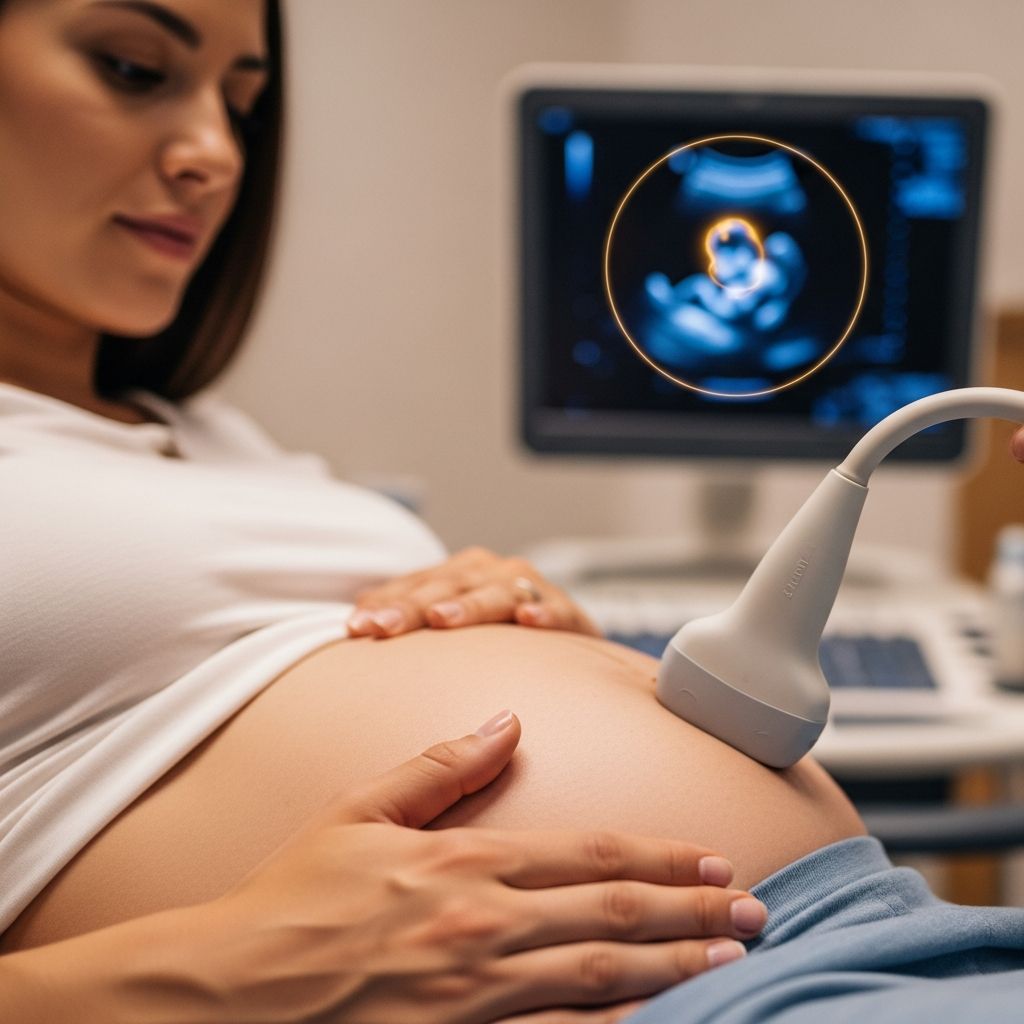
The period immediately following childbirth, often called the **fourth trimester**, brings a whirlwind of physical and emotional changes for new mothers. Ashley Tisdale, known for her roles in High School Musical and her vibrant career, recently opened up about her experiences after welcoming daughter Jupiter with husband Christopher French. Her story highlights the raw, unfiltered side of recovery that many moms face but few discuss openly.
Understanding the Fourth Trimester: What It Means for New Moms
The fourth trimester refers to the first three months after birth, a critical time when a mother’s body readjusts from pregnancy and delivery. Hormones fluctuate wildly, the uterus contracts back to size, and energy levels can plummet. Tisdale described this phase as intensely demanding, both physically and mentally, echoing sentiments shared by countless women worldwide.
Common symptoms include heavy postpartum bleeding (lochia), which can last up to six weeks, night sweats that soak through bedding, and profound fatigue. These are normal as the body expels remaining pregnancy tissues and stabilizes milk production if breastfeeding. Tisdale noted extreme night sweats just two weeks postpartum, emphasizing how drenched and uncomfortable they felt, alongside ongoing bleeding that felt gross but was part of healing.
- Physical adjustments: Uterus shrinking, hormonal shifts leading to hair loss or mood swings.
- Emotional rollercoaster: Baby blues affect up to 80% of new moms, with potential escalation to postpartum depression.
- Sleep deprivation: Newborns feed every 2-3 hours, disrupting rest.
Diastasis Recti: The Hidden Postpartum Challenge Tisdale Faced
One of the most discussed aspects of Tisdale’s journey is her battle with **diastasis recti (DR)**, a separation of the abdominal muscles caused by pregnancy stretching. This condition affects up to 60% of postpartum women, creating a gap wider than two finger-widths along the midline. Tisdale revealed she struggled with this for a year, impacting her confidence despite her fit pre-pregnancy physique.
Symptoms include a bulging belly, core weakness, back pain, and discomfort during coughing or lifting. Risk factors encompass multiple pregnancies, advanced maternal age over 35, large babies, or multiples. Tisdale’s trainer, Harley Pasternak, highlighted her routine of 12,000 daily steps plus resistance training to combat it.
| Risk Factors for Diastasis Recti | Description |
|---|---|
| Multiple or close pregnancies | Less recovery time between stretches |
| Age over 35 | Reduced muscle elasticity |
| Large baby or multiples | Greater abdominal pressure |
| Obesity or weak core pre-pregnancy | Compromised muscle support |
According to Dr. Jennifer Ashton, ABC News chief medical correspondent and OBGYN, DR is uncomfortable rather than dangerous and doesn’t affect future pregnancies. Prevention starts pre-pregnancy with core strengthening.
Tisdale’s Path to Physical Recovery: Exercise and Therapies
Tisdale turned to non-invasive methods to heal her diastasis recti and regain strength. She credited yoga and Pilates for gentle core rebuilding, avoiding traditional crunches that could worsen the gap. Pilates focuses on deep transverse abdominis activation, proven effective for DR closure in studies.
Additionally, she incorporated Emsculpt Neo sessions, electromagnetic muscle stimulation treatments that induce 25,000 supramaximal contractions per session, equivalent to rigorous workouts without strain. Combined with her trainer’s regimen—strength training most days and high step counts—this approach helped her feel ‘back to herself’ without exhaustion.
Key recovery exercises Tisdale used:
- Yoga poses like cat-cow for spinal mobility and gentle engagement.
- Pilates moves emphasizing breathwork and pelvic floor strength.
- Resistance training tailored to avoid intra-abdominal pressure.
- Daily walking for cardiovascular health and mental clarity.
Experts recommend starting postpartum exercise 6-8 weeks after clearance, progressing slowly. The Mayo Clinic notes DR often improves with targeted therapy, though severe cases may need surgery.
Mental and Emotional Healing in the Postpartum Period
Beyond the body, Tisdale emphasized mental recovery. ‘During this fourth trimester, you’re physically going through it, but you’re also mentally going through it,’ she shared, acknowledging the psychological toll. Postpartum anxiety or depression impacts 1 in 7 women, exacerbated by sleep loss and identity shifts.
Tisdale practiced body gratitude, posting about presence in her changing form. This mindset shift fosters resilience, aligning with research on positive self-talk reducing postpartum distress. Support networks, therapy, and partner involvement are crucial.
Practical Tips for Moms in Their Fourth Trimester
Drawing from Tisdale’s experience and medical insights, here are actionable strategies:
- Prioritize rest: Nap when baby naps; accept help from loved ones.
- Monitor symptoms: Seek medical advice for heavy bleeding beyond 6 weeks or severe pain.
- Build a gentle routine: Start with walks, add yoga/Pilates post-clearance.
- Focus on nutrition: Hydrate heavily, eat protein-rich foods for tissue repair.
- Cultivate self-compassion: Journal gratitude; avoid social media comparisons.
For diastasis recti specifically, check for separation by lying down and lifting head gently—feel for gap above navel.
Long-Term Wellness: Lessons from Tisdale’s Year of Healing
A year postpartum, Tisdale reported feeling healthy and strong, a testament to consistent effort. Her story inspires by normalizing imperfections; even celebrities face these hurdles. Long-term, maintaining pelvic floor exercises prevents issues like incontinence, affecting 25% of women post-delivery.
Professionals stress holistic care: combining physical therapy, mental health check-ins, and lifestyle tweaks. Tisdale’s openness destigmatizes these topics, encouraging moms to seek help without shame.
Frequently Asked Questions (FAQs)
What is the fourth trimester?
The first 12 weeks postpartum, focusing on recovery and newborn adjustment, marked by hormonal and physical changes.
How common is diastasis recti?
It affects about 60% of women post-delivery, often resolving with proper exercise within 6-12 months.
Can diastasis recti be fixed without surgery?
Yes, through targeted physical therapy like Pilates and yoga; surgery is for persistent severe cases.
What are signs of postpartum complications?
Fever, foul-smelling discharge, heavy bleeding soaking a pad hourly, or severe mood changes warrant immediate medical attention.
How did Ashley Tisdale recover her core strength?
Via yoga, Pilates, Emsculpt Neo, daily steps, and resistance training under professional guidance.
Expert Insights on Postpartum Recovery
Dr. Jennifer Ashton advises pre-pregnancy core prep and postpartum avoidance of sit-ups, favoring dynamic movements. The American College of Obstetricians and Gynecologists (ACOG) supports gradual return to activity, emphasizing listening to one’s body.
In summary, Tisdale’s journey underscores patience, professional input, and self-kindness as pillars of thriving through the fourth trimester.
References
- Ashley Tisdale on her unexpected postpartum side effects — Cosmopolitan UK. 2021-10-01. https://www.cosmopolitan.com/uk/body/health/a36259602/ashley-tisdale-postpartum-side-effects/
- Ashley Tisdale opens up about healing from postpartum diastasis recti condition — Good Morning America (ABC News). 2021-10-04. https://www.goodmorningamerica.com/wellness/story/ashley-tisdale-opens-healing-postpartum-diastasis-recti-condition-84288510
- Ashley Tisdale gets candid about the fourth trimester — Mother.ly. 2021-09-28. https://www.mother.ly/life/ashley-tisdale-fourth-trimester/
- Diastasis recti — Mayo Clinic. 2023-05-12. https://www.mayoclinic.org/diseases-conditions/diastasis-recti/symptoms-causes/syc-20356282