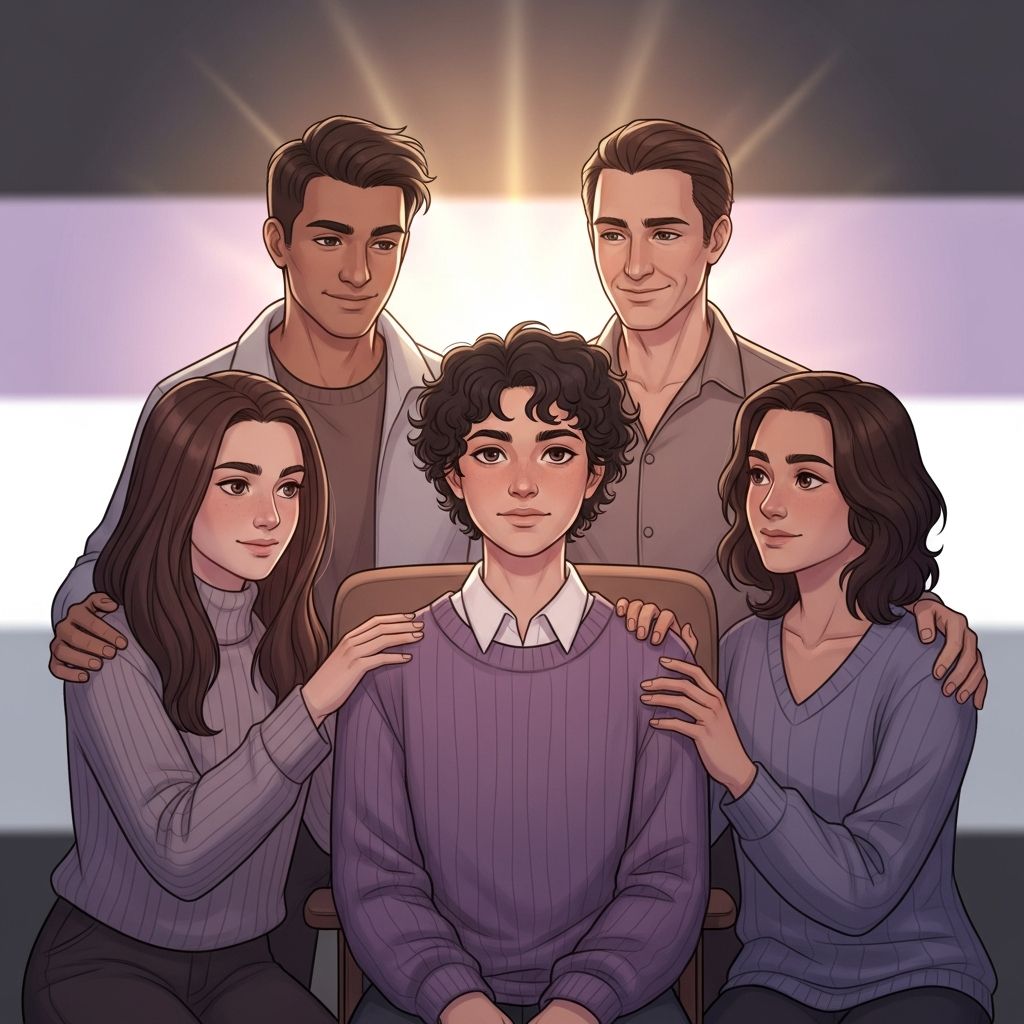
Asexuality represents a legitimate sexual orientation where individuals experience little to no sexual attraction to others, distinct from choices like celibacy or abstinence.
Defining Asexuality in the Context of Youth
Asexuality, often shortened to ‘ace,’ describes people who do not feel sexual attraction toward anyone, regardless of gender. This orientation emerges during adolescence for many, as teens navigate hormonal changes and peer influences without the typical sexual urges others describe. Unlike temporary phases, asexuality is an enduring trait, not a phase to outgrow or a problem to fix.
For teenagers, this can feel isolating amid a culture saturated with sexual messaging. Aces might enjoy close friendships or romantic feelings but lack the drive for physical intimacy that dominates teen discussions. The Asexual Visibility and Education Network (AVEN) clarifies that asexuality centers on attraction, not behavior—some aces masturbate or engage in sex for other reasons, like pleasing a partner, without inherent desire.
The Spectrum of Asexual Experiences
Asexuality exists on a broad spectrum. Core aces feel no sexual attraction, while gray-asexuals (gray-aces) experience it rarely or faintly. Demisexuals, a subset, only develop attraction after strong emotional bonds form.
- Gray-Asexuality: Occasional or conditional attraction, bridging asexual and allosexual experiences.
- Demisexuality: Attraction tied exclusively to deep emotional connections, uncommon in casual teen scenarios.
- Aromantic Asexuality (Aro-Ace): Lacking both sexual and romantic attraction, focusing on platonic bonds instead.
These variations highlight that no single ace experience defines the community. Teens might explore labels over time, refining their understanding as they mature.
Why Teens Identify as Asexual Now
Adolescence amplifies identity exploration, with hormones sparking questions about attraction. Aces often realize their difference around ages 13-15, feeling out of sync with peers fixated on crushes or hookups. Online communities like AVEN provide validation, countering school silence on the topic.
Research indicates aces report lower sexual desire and distress compared to those with hypoactive sexual desire disorder (HSDD), affirming it’s not pathology but orientation. Prevalence estimates suggest 1% of people are asexual, though underreporting skews data due to invisibility.
Common Myths and Misunderstandings
Society often erases asexuality, assuming everyone desires sex. Parents might worry it’s trauma-induced or a late-blooming phase. Key myths include:
| Myth | Reality |
|---|---|
| Asexuality equals celibacy. | Celibacy is a behavior; asexuality is absent attraction. Some aces have sex without desire. |
| Aces are broken or repressed. | Aces typically lack distress over their orientation, unlike clinical conditions. |
| It’s a teen fad. | Identities solidify in adolescence; many know by 15. |
| Aces can’t have relationships. | Many form romantic, queerplatonic, or familial bonds. |
Dispelling these fosters empathy. Teens face erasure in media and education, amplifying self-doubt.
Recognizing Signs in Your Teen
Teens might share directly: ‘I’m ace’ or ‘I don’t like anyone that way.’ Subtler cues include disinterest in sexual media, avoiding dating talk, or questioning peers’ obsessions. They may research online, hinting at confusion.
Listen without judgment. Phrases like ‘That’s not for me’ about hookups signal alignment. Avoid probing traumas unless they initiate—most aces aren’t motivated by pain.
Steps for Parents to Provide Support
Support starts with belief. Validate their feelings: ‘I hear you, and I’m here.’ Educate yourself via credible resources to ask informed questions.
- Educate Yourself: Read AVEN or Trevor Project guides to grasp nuances.
- Open Dialogue: Create safe spaces for questions, sans assumptions.
- Affirm Identity: Use their terms; avoid ‘wait and see’ dismissals.
- Monitor Mental Health: Aces face higher depression risks from invalidation; watch for isolation.
- Encourage Community: Suggest ace forums for peer connection.
Respect privacy—don’t out them. If dating arises, discuss boundaries emphasizing consent.
Navigating Family Dynamics and Relationships
Families vary; siblings might tease, grandparents confuse it with abstinence. Normalize discussions: ‘Asexuality is like being gay—it’s innate.’ For romantic interests, affirm non-sexual intimacy options like cuddling or shared hobbies.
In mixed-orientation partnerships later, communication prevents pressure. Many aces thrive single or in platonic setups, prioritizing fulfillment over norms.
Building Resilience Against External Pressures
Peers may mock or pressure experimentation. Equip teens with comebacks: ‘It’s who I am, like you’re straight.’ Schools lack coverage, so supplement with home talks. Media rarely portrays aces positively, reinforcing invisibility—point to rare reps for hope.
Foster self-esteem via non-sexual strengths: academics, arts, sports. Therapy from LGBTQ-affirming pros helps if doubts persist, distinguishing exploration from coercion.
Health and Wellness Considerations
Aces have typical health needs; puberty doesn’t alter orientation. Masturbation, if any, is bodily normalcy, not contradiction. Discuss consent, STIs if active, focusing on agency.
Mental health: Invalidation links to low self-esteem (33% aces vs. 25-29% others). Promote mindfulness, hobbies for joy beyond romance.
Essential Resources for Families
- Asexual Visibility and Education Network (AVEN): Forums, FAQs for aces and allies.
- The Trevor Project: LGBTQ youth crisis support, asexuality guides.
- What Is Asexuality?: Teen-friendly explainers debunking myths.
- Local LGBTQ centers: In-person groups for connection.
Books like ‘The Invisible Orientation’ offer deeper dives.
Frequently Asked Questions (FAQs)
Can asexual teens change their mind later?
Labels evolve, but core asexuality endures. Support fluidity without pressure.
Does asexuality affect future relationships or kids?
No—aces date, marry, parent via adoption or non-sexual conception.
How do I talk to my teen without invalidating them?
Ask open questions: ‘What does ace mean to you?’ Listen actively.
Is asexuality linked to autism or hormones?
Some overlap exists, but it’s independent; consult pros for concerns.
What if my teen seems distressed about it?
Affirm and suggest affirming counseling; distress often stems from societal pressure.
Empowering ace teens builds confident adults. Parental allyship transforms potential isolation into pride.
References
- Asexuality in Teens and Young People — Asexuality.org. 2023. https://www.asexuality.org/en/topic/147307-asexuality-in-teens-and-young-people/
- [Queeriosity] The ‘A’ Stands for Asexual — The Amherst Student. 2022-10-12. https://amherststudent.com/article/a-stands-asexual/
- Asexuality — Wikipedia (citing peer-reviewed studies incl. AVEN, Bogaert research). 2026-01-10. https://en.wikipedia.org/wiki/Asexuality
- Am I Ace? A Teenager’s Guide to Asexuality — What Is Asexuality. 2024. https://www.whatisasexuality.com/am-i-ace/teen/
- What Does It Mean to Be Asexual? — Seventeen Magazine. 2018-06-20. https://www.seventeen.com/love/a22864083/what-is-asexual-meaning-definition/
- Understanding Asexuality: FAQs & Supportive Resources — The Trevor Project. 2025. https://www.thetrevorproject.org/resources/article/understanding-asexuality/