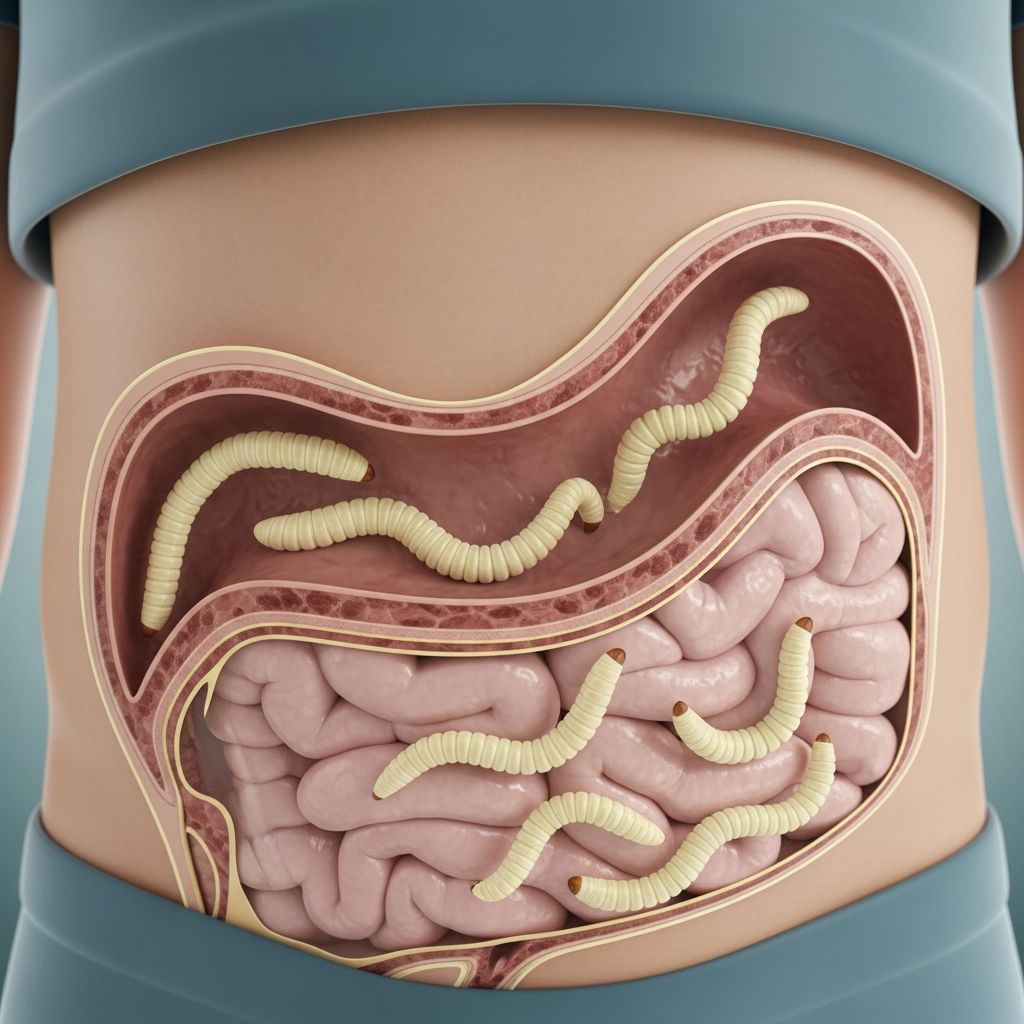
Ascariasis is a common intestinal infection caused by a parasitic roundworm that lives in the human gut. It affects people of all ages but is especially frequent in children who play on the ground and may accidentally swallow contaminated soil or food. Understanding how this infection spreads and how to recognize it early helps families protect their children’s health.
What Is Ascariasis?
Ascariasis is an infection of the intestines caused by a large roundworm called Ascaris lumbricoides. These worms can grow to several inches long and live primarily in the small intestine, where they feed on nutrients from partially digested food. In many cases, an infected child may not look very sick at first, but a heavy worm load can interfere with growth, nutrition and overall well-being.
This infection is considered a soil-transmitted helminth disease, which means the parasite’s eggs develop in soil that has been contaminated with human feces. Children who live in or travel to regions with inadequate sanitation, limited access to clean water, or where open defecation is common are at a higher risk of infection.
How Do Children Get Infected?
To understand how ascariasis spreads, it is helpful to follow the journey of the worm from egg to adult. The life cycle of Ascaris relies on both the environment and the human body to complete each stage.
- Contaminated soil: When a person infected with adult worms passes stool, microscopic eggs are released into the environment. In areas without proper waste disposal, these eggs remain in the soil and can survive for months.
- Hand-to-mouth contact: Children often play outdoors, touch the ground, and then put their fingers or objects into their mouths. If their hands are contaminated with eggs and not washed properly, the eggs may be swallowed.
- Food and water: Fruits, vegetables or drinking water that have been in contact with contaminated soil or unclean water sources can also carry eggs if they are not washed, peeled or cooked thoroughly.
Once swallowed, the eggs hatch inside the intestine into tiny larvae. These larvae penetrate the intestinal wall, travel through blood vessels, and reach the lungs. After maturing for a short time, they move up the airways, are coughed up, swallowed again, and finally settle in the small intestine where they develop into adult worms.
Who Is Most at Risk?
Although anyone can become infected, certain groups are more vulnerable. Young children are especially at risk because of their behavior and still-developing hygiene habits, along with their smaller body size, which makes the effects of many worms more serious.
- Children between 2 and 10 years old who frequently play in dirt or sand.
- Families living in rural or peri-urban areas with poor sanitation or limited access to clean water.
- People who use untreated human waste as fertilizer for crops.
- Travelers spending time in regions where intestinal worms are common and hygiene conditions are challenging.
Malnutrition and weakened immune systems can make the consequences of ascariasis more severe, as affected children may already be struggling to receive enough nutrients for normal growth.
Common Signs and Symptoms
Many children with ascariasis have no obvious symptoms, especially when only a few worms are present. As the number of worms increases, symptoms become more noticeable and may involve both the lungs and the intestines at different stages of the infection.
Early symptoms related to the lungs
When the larvae pass through the lungs, some children develop respiratory symptoms that can be mistaken for other conditions like viral infections or asthma. These may include:
- Dry cough that persists for several days.
- Mild fever or feeling unwell.
- Wheezing or shortness of breath.
- Chest discomfort or pain when breathing deeply.
Digestive symptoms in the intestines
After the worms mature in the intestines, gastrointestinal symptoms may appear. These vary from mild to severe and depend on how many worms are present:
- Intermittent or cramping abdominal pain.
- Nausea, occasional vomiting or loss of appetite.
- Changes in bowel habits such as diarrhea, loose stools, or sometimes constipation.
- Visible worms in the stool, vomit, or occasionally emerging from the nose or mouth.
In children, chronic infections can contribute to poor weight gain and difficulty growing normally. Teachers and parents may notice fatigue, less interest in play, or trouble concentrating in school when the infection affects nutrition and energy levels.
When Ascariasis Becomes an Emergency
Most infections can be treated with medications on an outpatient basis, but a very large number of worms can cause dangerous complications. Parents should know the warning signs that require urgent medical attention.
| Complication | What Happens | Warning Signs |
|---|---|---|
| Intestinal blockage | A mass of worms obstructs the intestine, preventing stool and gas from passing. | Severe belly pain, vomiting, bloated abdomen, no bowel movements, child is very uncomfortable or restless. |
| Blockage of bile or pancreatic ducts | Worms move into narrow tubes that drain the liver, gallbladder or pancreas. | Intense upper abdominal pain, fever, yellowing of skin or eyes, persistent vomiting. |
| Perforation and infection | The intestinal wall may be damaged, allowing contents to leak into the abdomen. | Sudden severe pain, rigid abdomen, high fever, child looks very ill, refuses to move. |
If any of these signs are present, the child should be seen by a doctor or taken to an emergency department immediately. Quick evaluation and treatment can prevent life-threatening complications.
How Do Doctors Diagnose Ascariasis?
Health professionals use a combination of history, physical examination and tests to diagnose ascariasis. Parents help by describing symptoms, recent travel, living conditions, and possible exposure to contaminated soil or water.
- Physical examination: The doctor checks for signs such as abdominal tenderness, bloating, poor growth, or respiratory issues. In rare cases, a worm may be seen in the throat or mouth.
- Stool tests: A small sample of stool is examined under a microscope to look for Ascaris eggs. Several samples collected on different days may be needed because eggs might not appear in every specimen.
- Imaging studies: In complicated cases, abdominal ultrasound, X-ray or other imaging tests may be used to detect clusters of worms or blockages in the intestines or bile ducts.
Diagnosing ascariasis early allows for simple treatment and lowers the risk of serious complications or long-term nutritional problems.
Treatment Options for Children
The main treatment for ascariasis is medication that kills the worms so that the body can pass them naturally. These drugs are called anthelmintic or deworming medicines and are usually given by mouth for a short course.
- Single- or short-course medicines: Commonly used treatments are given once or for a few days and are highly effective at clearing most infections.
- Follow-up stool tests: In some cases, the healthcare provider may request a repeat stool examination to ensure that the infection has been fully cleared.
- Treatment of complications: If a child develops an intestinal blockage or other serious problem, hospitalization, intravenous fluids, and sometimes surgery may be needed.
Parents should always follow the doctor’s instructions carefully, including the dosage and timing of medication. It is important not to share prescription medicines between family members without medical advice, because dosing often depends on the child’s weight and health status.
Living With and Recovering From Ascariasis
After treatment, most children recover well and quickly regain their strength and appetite. However, when the infection has been present for a long time, there may be a period of catch-up growth as the child starts to absorb nutrients more effectively.
- Offer balanced meals that include protein, fruits, vegetables and whole grains to support recovery.
- Encourage adequate hydration, especially if the child has had diarrhea or vomiting.
- Attend all recommended follow-up visits to monitor growth, weight gain and overall health.
In families living in high-risk areas, healthcare providers may recommend periodic deworming for all children, even when they do not have obvious symptoms. This strategy helps to reduce the overall number of worms in the community.
Practical Prevention Tips for Families
Preventing ascariasis focuses on breaking the cycle of fecal contamination and accidental swallowing of eggs. Good hygiene and safe food practices are the most effective tools parents have at home.
Handwashing and personal hygiene
- Teach children to wash their hands with soap and clean water after using the toilet, after playing outside, and before eating.
- Trim children’s fingernails regularly to reduce the amount of dirt that can collect under them.
- Discourage nail-biting, thumb-sucking and putting toys or objects from the ground into the mouth.
Food and water safety
- Wash fruits and vegetables thoroughly, especially those eaten raw. When in doubt, peel or cook them.
- Use safe drinking water; if water quality is uncertain, boil or filter it before use.
- Avoid using untreated human waste as fertilizer in home gardens, or ensure it is properly composted and managed according to local health guidelines.
Community-level measures
- Support efforts to improve sanitation, including proper toilet facilities and safe waste disposal.
- Participate in school- or community-based deworming programs when recommended by public health authorities.
- Share information with neighbors and caregivers so that everyone caring for the child follows similar hygiene practices.
These simple, consistent steps lower the risk of parasitic infections in general and contribute to a healthier environment for all children.
Frequently Asked Questions (FAQs)
1. Can ascariasis spread from one child to another directly?
Children do not typically catch ascariasis by playing next to each other, sharing toys or hugging. The infection spreads through contact with eggs in contaminated soil, food or water that are then swallowed. However, if an infected child’s unwashed hands or soiled clothing contaminate the environment, others sharing the same space may eventually come into contact with the eggs.
2. Is ascariasis only a problem in low-income countries?
Ascariasis is more common in regions with poor sanitation, but cases can occur anywhere in the world. Families who travel to endemic areas, live in rural settings, or have limited access to clean water may face a higher risk. Even in higher-income countries, localized outbreaks can happen when sanitation systems fail or when hygiene practices are inadequate.
3. Do pets play a role in ascariasis?
The main species responsible for human ascariasis lives in people, not in dogs or cats. While pets can have their own types of roundworms, the species that usually infects humans has a human-to-human cycle through contaminated soil and food. Regular veterinary care and deworming for pets are still important, but they do not replace the need for human hygiene and sanitation measures.
4. Can a child get reinfected after treatment?
Yes, treatment removes current worms but does not provide lifelong protection. A child who continues to be exposed to contaminated soil or unsafe food and water can become infected again. That is why prevention strategies—such as handwashing, clean toilets, and safe food handling—are essential even after a successful course of medication.
5. When should a parent ask for a stool test?
Parents should talk with a healthcare provider if their child has persistent abdominal pain, poor weight gain, chronic diarrhea or constipation, or if worms are seen in the stool or vomit. Children who have lived in or traveled to areas where intestinal worms are common may benefit from testing even when symptoms are mild or unclear. A simple stool examination can provide important information and guide appropriate treatment.
Key Takeaways for Parents
- Ascariasis is a common intestinal roundworm infection that spreads through eggs in contaminated soil, food and water.
- Many children have no symptoms at first, but heavier infections can cause coughing, abdominal pain, poor appetite and impaired growth.
- Diagnosis is usually made with stool tests, and treatment with deworming medicines is safe and effective in most cases.
- Good hygiene, clean water, safe food practices and improved sanitation are the most powerful tools to prevent infection and reinfection.
With awareness, early recognition and consistent prevention habits, families can significantly reduce the impact of ascariasis on their children’s health and development.