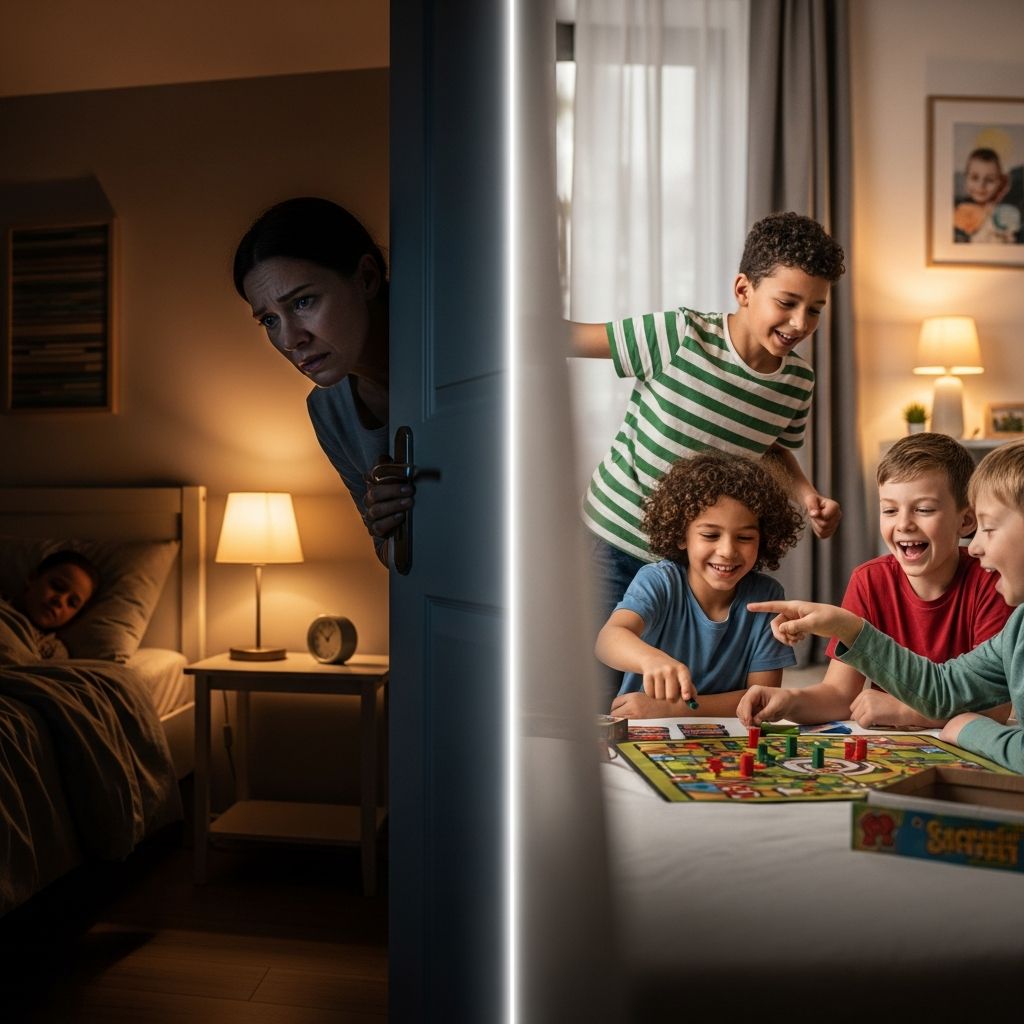
Childhood sleepovers, once celebrated as quintessential rites of passage, now spark intense parental divisions. Many families grapple with whether to permit these overnight stays, balancing potential dangers against opportunities for social development. This article unpacks the key arguments, risks, benefits, and practical alternatives shaping modern parenting choices.
Why Parents Are Saying No to Overnight Stays
A rising number of guardians enforce strict no-sleepover policies, driven by fears of unseen hazards in unfamiliar homes. Primary concerns include insufficient adult oversight, exposure to inappropriate content, and vulnerability to serious harms like physical or sexual abuse.
Lack of reliable supervision stands out as a top issue. Overnight gatherings often mean children are left to their own devices for hours, fostering impulsive behaviors or unchecked peer pressure. Parents note that even well-meaning hosts may retire early, leaving kids unsupervised during vulnerable nighttime hours.
- Unpredictable environments: Homes with unsecured firearms, illicit substances, or explicit media pose immediate threats.
- Hidden family dynamics: Differing household rules on screen time, language, or bedtime can clash with a child’s upbringing.
- Abuse statistics: Experts highlight that most child sexual assaults occur in known settings like friends’ residences, amplifying overnight risks.
Online forums buzz with personal anecdotes reinforcing these worries. Videos from child safety advocates, viewed millions of times, detail real-world incidents where sleepovers led to trauma, prompting viewers to reconsider their stances.
Potential Dangers Lurking in the Night
Beyond general supervision gaps, specific threats demand attention. Sexual abuse emerges as a chilling reality; investigations reveal that predators often exploit sleepover settings due to lax monitoring and group dynamics that mask misconduct.
Other hazards include bullying escalation in unsupervised packs, accidental injuries from midnight antics, or exposure to adult vices like alcohol or drugs. A survey indicates about 13% of adults view sleepovers negatively for child well-being, citing these multifaceted perils.
| Risk Factor | Description | Prevalence Insight |
|---|---|---|
| Sexual Abuse | Opportunistic assaults by peers or relatives | Common in acquaintance settings |
| Bullying/Pranks | Escalation without intervention | Frequent in multi-child groups |
| Substance Exposure | Access to alcohol, drugs, or porn | Reported in teen sleepovers |
| Firearm Access | Unsecured weapons in host home | U.S. homes often have guns |
These elements explain why some parents liken sleepovers to unnecessary gambles with their children’s security.
The Case for Sleepovers: Building Resilience and Bonds
Not all voices oppose overnights. Proponents argue that banning them entirely stifles essential life skills. Sleepovers teach adaptability, conflict resolution, and homesickness management—preparing kids for future independence like college dorms.
A majority in polls—around 52%—see positive impacts on emotional growth. Shared giggles, late-night confessions, and new perspectives broaden horizons, strengthening friendships that endure into adulthood. Denying these experiences risks isolating children socially, especially when peers partake freely.
- Independence training: Navigating new routines fosters self-reliance.
- Social skill honing: Group dynamics build empathy and negotiation.
- Memorable milestones: Iconic in media, they create cherished narratives.
Psychologists note that moderated participation, with vetted hosts, yields benefits without excessive peril. Total prohibition might hinder adjustment to real-world separations.
Middle-Ground Strategies: Selective Permissions and Safeguards
Rather than absolutes, many adopt nuanced approaches. A baseline “no” rule simplifies decisions, with exceptions for trusted families met through prior visits and deep rapport.
Key vetting questions include:
- Who supervises throughout the night?
- What are sleeping setups—shared rooms or isolated?
- Are house rules aligned on media and behavior?
Some host reciprocal late-nights, ending with pickups at midnight, mimicking sleepovers sans full overnights. Grandparent stays offer safe alternatives, blending fun with known safety nets.
Communicating Boundaries with Kids and Peers
Enforcing rules invites pushback from disappointed children and judgmental outsiders. Transparent explanations empower kids: frame it as prioritizing their protection, not punishment.
To counter FOMO, emphasize family-hosted events or group outings. For other parents, polite firmness works: “We have a household policy focused on safety.” Discernment trumps uniformity—exceptions for proven allies reduce resentment.
Age matters too; stricter for preteens, looser for mature teens with proven judgment and exit strategies.
Expert Perspectives on Risk vs. Reward
Child development specialists advocate balance. While risks exist, open dialogues on body autonomy, consent, and discomfort signals equip children resiliently. Trauma-informed views link stricter policies to parents’ past experiences or media saturation.
Communities once knit tighter via neighborhood ties now rely on digital alerts, heightening vigilance. Yet, overprotection can breed anxiety; measured exposure builds confidence.
Alternatives to Traditional Sleepovers
Creative swaps maintain excitement safely:
- Extended playdates: All-day fun with evening pickup.
- Campouts in backyard: Adventure under parental watch.
- Virtual hangouts: Late-night video chats for stories.
- Family-hosted overnights: Invite friends with clear guidelines.
These preserve bonding minus relinquished control.
Frequently Asked Questions (FAQs)
What age is safe for first sleepover?
Many wait until early teens, after assessing maturity and host reliability. Younger kids benefit more from daytime alternatives.
Does banning sleepovers harm social life?
Not if supplemented with group activities. Kids adapt, valuing quality over quantity in friendships.
How to handle peer pressure?
Role-play responses like “My parents have a safety rule,” and highlight fun family options.
Are sleepovers riskier for boys or girls?
Risks apply universally, though dynamics differ; consistent rules for all promote equity.
What if relatives host?
Evaluate individually—known histories matter, but vigilance remains key.
Navigating the Debate in Your Family
Ultimately, sleepover decisions hinge on values, risk tolerance, and circumstances. Informed by data and stories, parents craft policies safeguarding while nurturing growth. Regular family talks ensure alignment, turning potential conflicts into trust-building moments.
This evolving conversation reflects broader shifts: hyper-connected awareness meets helicopter tendencies, urging intentional parenting amid uncertainties.
References
- Perspective: The great sleepover debate — Deseret News. 2024-02-06. https://www.deseret.com/2024/2/6/24062193/child-sleepover-debate-parenting/
- Sleepovers were once an American rite of passage. Now parents are rethinking their value — Analyst News. 2023. https://www.analystnews.org/posts/sleepovers-were-once-an-american-rite-of-passage-now-parents-are-rethinking-their-value
- Are Sleepovers Still Safe for Kids? For Many Parents It’s Complicated — YouTube (Institute of Child Psychology discussion). 2023. https://www.youtube.com/watch?v=zyIImnZOxOE