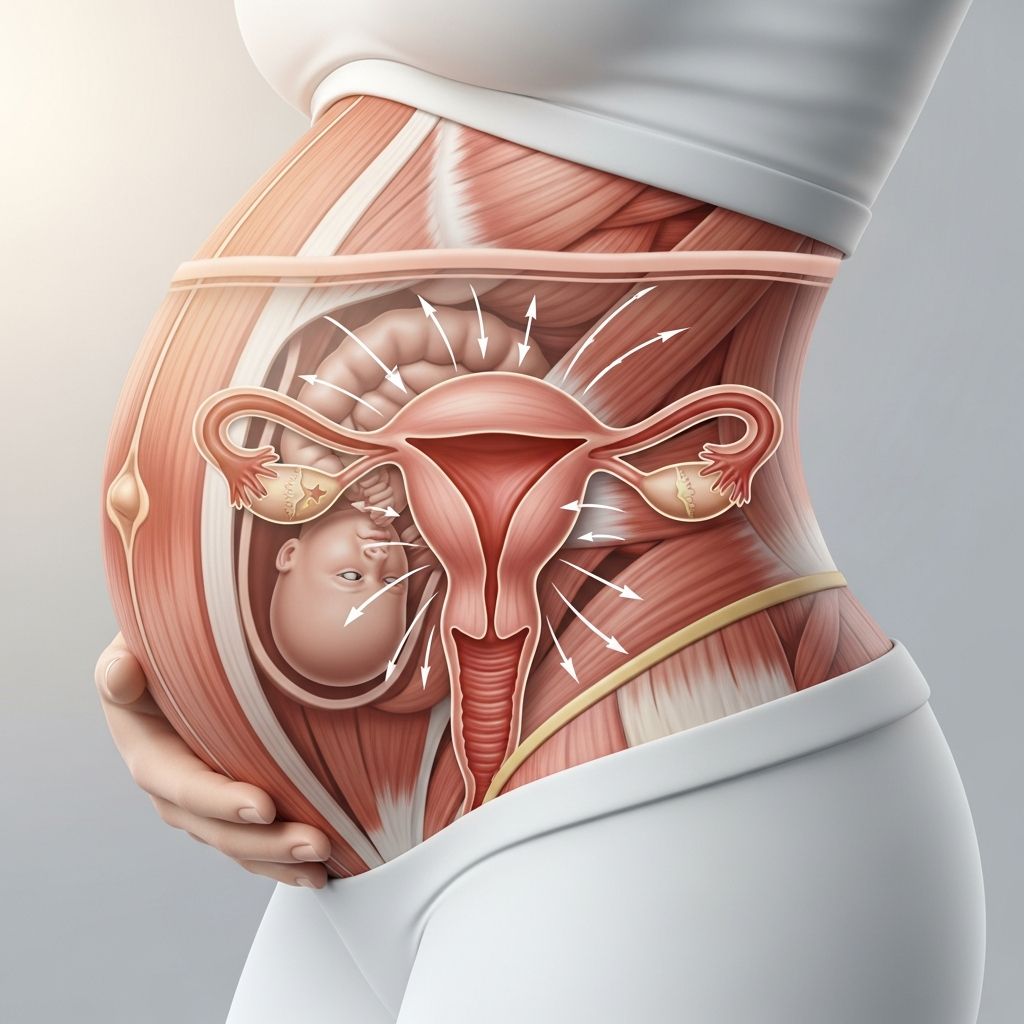
Expectant mothers in the third trimester often seek ways to alleviate common discomforts like back pain, swelling, and fatigue. Soaking in a warm bath emerges as a popular choice for relaxation. Medical experts confirm that warm baths—kept at appropriate temperatures—are generally safe during late pregnancy, provided certain precautions are followed to avoid overheating and other risks.
Understanding the Appeal of Baths During Late Pregnancy
As pregnancy advances into the final weeks, physical strain intensifies. The growing uterus shifts the body’s center of gravity, leading to muscle aches and joint pressure. Warm water immersion offers hydrostatic support, reducing gravitational pull on the body and easing edema in the legs and feet. This natural buoyancy can mimic the sensation of weightlessness, promoting better circulation and muscle relaxation without medication.
Beyond physical relief, baths provide mental respite. The ritual of drawing a bath encourages mindfulness, helping combat pregnancy-related anxiety or insomnia. Studies on hydrotherapy highlight its role in lowering cortisol levels, fostering a calmer state conducive to restful sleep—crucial in the third trimester when sleep disruptions peak.
Core Safety Principles for Third-Trimester Bathing
Safety hinges on temperature control. Health authorities, including the American College of Obstetricians and Gynecologists (ACOG), advise against raising core body temperature above 102.2°F (39°C), particularly due to risks observed in early pregnancy that may extend later. In late pregnancy, while organ formation risks diminish, overheating can still cause maternal hypotension or dizziness, potentially leading to falls.
- Maintain water below 100°F (37.8°C): This threshold prevents significant core temperature elevation, as bathtub water cools naturally and the upper body remains exposed.
- Limit duration to 10-15 minutes: Prolonged exposure increases dehydration risk and blood flow shifts away from the uterus.
- Use a thermometer: Kitchen or bath thermometers ensure precision; aim for mid-90s°F for added caution.
Adjust your home water heater to a maximum of 120°F to prevent accidental scalding, a standard recommendation for households with infants or pregnant individuals.
Potential Risks and How to Mitigate Them
While benefits abound, improper bathing poses concerns. Overly hot water dilates peripheral blood vessels, diverting flow from vital organs and risking fetal distress via reduced placental perfusion. Lightheadedness from vasodilation heightens fall risks, especially with a protruding belly impairing balance.
| Risk Factor | Description | Mitigation Strategy |
|---|---|---|
| Overheating | Raises maternal core temp, potentially stressing fetus | Thermometer check; water <100°F |
| Dizziness/Falls | Blood pressure drop upon standing | Slow entry/exit; non-slip mats |
| Infection | Bacterial growth in stagnant warm water | Clean tub; avoid additives with irritants |
| Dehydration | Insensible water loss in warm environments | Hydrate before/after; short soaks |
Infections are rare but possible if hygiene lapses. Clean the tub thoroughly before use and pat dry afterward to maintain vaginal pH balance.
Enhancing Your Bath Experience Safely
To maximize comfort, incorporate pregnancy-friendly elements. Epsom salts (magnesium sulfate) dissolve to provide anti-inflammatory effects, soothing sore muscles and reducing swelling—safe in moderation without absorption concerns through intact skin.
- Opt for unscented varieties to avoid irritation.
- Add a cup or two to lukewarm water.
- Combine with gentle stretches for deeper relief.
Avoid bath bombs, bubbles, or oils containing essential oils like lavender or peppermint, which may trigger allergies or uterine contractions. Fragrance-free options preserve skin barrier integrity.
Positioning matters: Recline with knees bent to support the back, using a contoured pillow if needed. Keep a cool cloth on the forehead to regulate overall temperature.
Comparing Bathing to Other Hydrotherapy Options
| Method | Safety in Third Trimester | Pros | Cons |
|---|---|---|---|
| Warm Bath | Safe if <100°F, <15 min | Full-body relief, easy access | Temp monitoring required |
| Shower | Very safe; cooler water | Less overheating risk | Less buoyancy |
| Hot Tub | Unsafe; sustained high heat | Relaxing jets | Core temp rise >102°F quickly |
| Foot Soak | Safe; targeted | Reduces leg swelling | Limited scope |
Showers offer a lower-risk alternative, with running water preventing stagnation and easier temperature adjustment.
Special Considerations for Late Pregnancy Symptoms
Third-trimester swelling (edema) responds well to warm soaks, as buoyancy counters fluid retention. For hemorrhoids or pelvic pressure, sitz baths—shallow warm water targeting the perineum—provide targeted relief.
Monitor for Braxton Hicks contractions; if baths seem to trigger them, opt for cooler water. Those with high-risk conditions like preeclampsia should consult providers, as blood pressure fluctuations warrant caution.
Frequently Asked Questions
Can warm baths help with labor preparation in late pregnancy?
Warm baths relax pelvic muscles and may ease false labor pains but do not reliably induce true labor. Evidence shows no causal link, though they comfort during prodromal phases.
Is it okay to add Epsom salts to my third-trimester bath?
Yes, in limited amounts (1-2 cups), for muscle relief. Avoid if you have open wounds or kidney issues; topical absorption is minimal.
What if I feel dizzy after a bath?
Stand slowly, holding rails. Dehydration or low blood pressure may contribute—drink water and rest. Seek medical advice if recurrent.
Are baths safe with gestational diabetes?
Generally yes, but monitor blood sugar post-bath, as warmth can affect readings. Temperature control remains key.
How often can I bathe in the third trimester?
Daily short soaks are fine if guidelines are met. Overuse risks skin dryness; moisturize afterward.
Expert Insights from Leading Organizations
The ACOG emphasizes avoiding hot tubs and saunas throughout pregnancy due to rapid core temperature spikes, a principle extending to baths. Cleveland Clinic reinforces warm-only soaks to safeguard fetal circulation. These align with research linking prolonged hyperthermia to developmental concerns, though third-trimester risks focus more on maternal stability.
Pregnancy transforms daily routines, but simple adjustments make favorites like baths viable. Prioritize communication with your healthcare team for personalized advice, ensuring this self-care staple supports your journey safely.
References
- Can You Take Baths While Pregnant? — The Bump. 2023. https://www.thebump.com/a/pregnant-women-should-not-take-baths
- What To Know About Taking a Bath While Pregnant — Cleveland Clinic. 2023. https://health.clevelandclinic.org/baths-while-pregnant
- Does a Hot Bath Induce Labor? — WebMD. 2023. https://www.webmd.com/baby/does-a-hot-bath-induce-labor
- A case–control study of maternal bathing habits and risk for birth defects — PMC (National Library of Medicine). 2014-05-12. https://pmc.ncbi.nlm.nih.gov/articles/PMC4015781/
- Can You Take a Bath While Pregnant? Let’s Debunk This! — Mommy Labor Nurse. 2023. https://blog.mommylabornurse.com/bath-while-pregnant
- Hot Tubs & Pregnancy | A Guide to Safety and Risks — American Pregnancy Association. 2023. https://americanpregnancy.org/healthy-pregnancy/is-it-safe/hot-tubs-during-pregnancy/