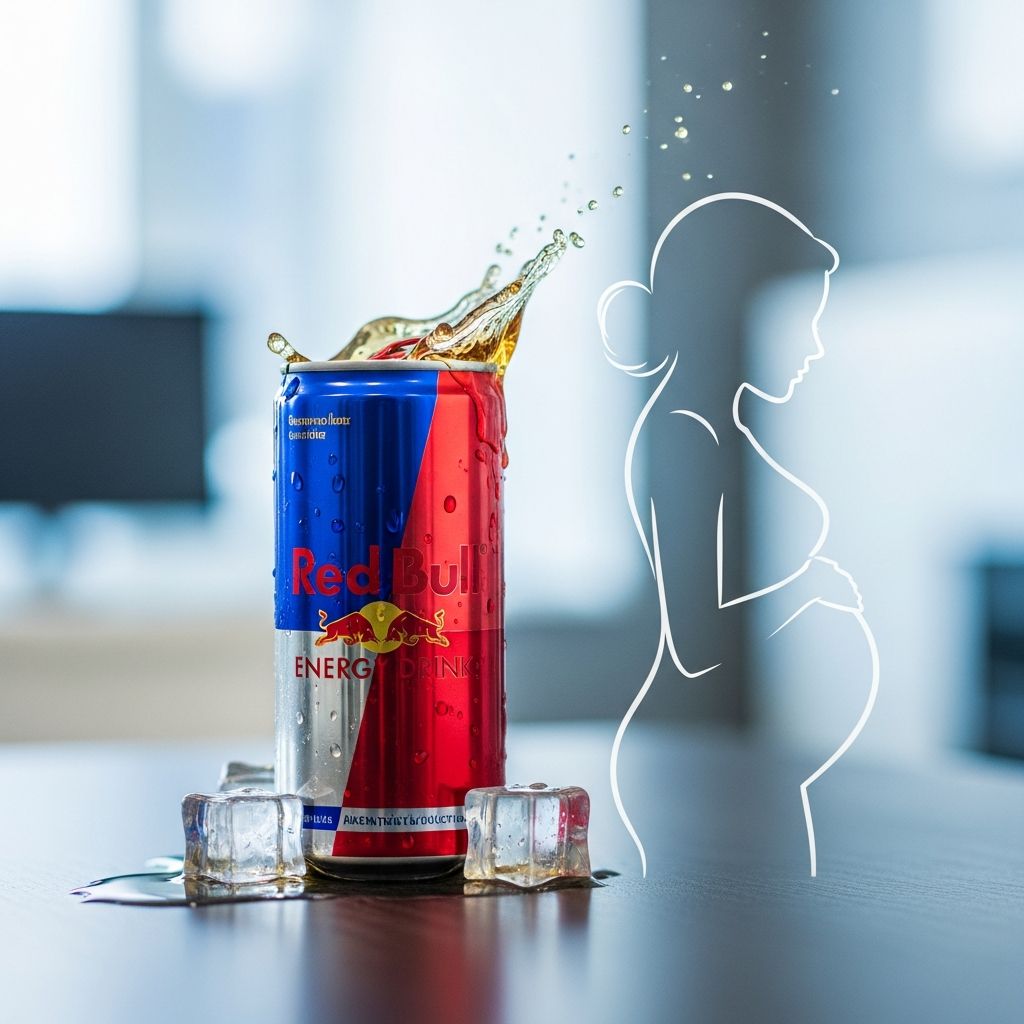
Pregnancy brings unique challenges, including fatigue that tempts many women toward quick energy fixes like Red Bull. However, these beverages pack potent ingredients that can impact both mother and baby. This article explores the composition of Red Bull, associated health concerns, and evidence-based recommendations to help you make informed choices.
Understanding the Makeup of Popular Energy Drinks
Energy drinks such as Red Bull are formulated for rapid stimulation. A standard 8.4-ounce can contains approximately 80 milligrams of caffeine, alongside taurine, sugar, and B vitamins. Larger sizes escalate this: a 16-ounce version holds about 151 milligrams of caffeine. These elements synergize to boost alertness but raise flags in pregnancy due to their pharmacological effects.
Caffeine acts as a central nervous system stimulant, crossing the placenta easily. Fetuses metabolize it slowly, leading to prolonged exposure. Taurine, an amino acid at around 1,000 milligrams per can, lacks extensive pregnancy safety data, though dietary sources appear fine. Sugars contribute up to 27 grams per serving, posing risks for gestational diabetes.
Potential Health Impacts on Expectant Mothers
Consuming Red Bull may trigger immediate effects like elevated heart rate and blood pressure from caffeine’s vasoconstrictive properties. For pregnant women, this heightens preeclampsia risks, a serious hypertensive disorder. Studies link pre-pregnancy energy drink use to gestational hypertension, suggesting carryover effects.
Added sugars exacerbate insulin resistance, critical amid pregnancy’s hormonal shifts. High intake correlates with excessive weight gain and delivery complications. Some formulations include herbal extracts like ginseng, unproven safe for fetal development.
- Caffeine overload: May induce jitteriness, insomnia, or nausea.
- Sugar surge: Risks blood sugar spikes, especially with diabetes predisposition.
- Stimulant synergy: Combined ingredients amplify cardiovascular strain.
Fetal Development Concerns
The fetus faces direct vulnerabilities. Caffeine correlates with low birth weight, preterm birth, and miscarriage in high doses. March of Dimes notes caffeine passes to the baby, potentially causing fetal distress. A PMC study associates energy drink consumption with adverse outcomes like hypertension.
UNM Health highlights unclear long-term effects, urging caution as excessive intake may elevate pregnancy loss risks. Taurine’s supplemental form remains under-researched, unlike natural intake.
| Risk Factor | Potential Fetal Impact | Evidence Source |
|---|---|---|
| High Caffeine | Low birth weight, preterm delivery | |
| Sugars & Additives | Developmental delays | |
| Taurine (Supplemental) | Unknown; limited studies |
Official Guidelines and Safe Limits
Health authorities recommend capping caffeine at 200 milligrams daily during pregnancy. This equals roughly two 8.4-ounce Red Bulls, but experts advocate avoidance due to cumulative sources like coffee or chocolate. ACOG echoes moderation, prioritizing total intake.
No major body endorses energy drinks; labels often warn pregnant women. Consult providers for personalized advice, as sensitivities vary.
Healthier Alternatives for Sustained Energy
Opt for nutrient-dense options over stimulants. Hydration combats fatigue effectively.
- Water with electrolytes: Balances minerals without sugars.
- Herbal teas: Caffeine-free like ginger or peppermint for nausea relief.
- Fresh fruits: Natural sugars and vitamins from bananas or oranges.
- Yogurt smoothies: Protein-rich for steady energy.
- Nut butters: Healthy fats sustain without crashes.
Sports drinks like BODYARMOR offer hydration sans caffeine but check sugars. Prioritize whole foods aligning with prenatal needs.
Lifestyle Strategies to Combat Pregnancy Fatigue
Beyond beverages, holistic approaches prevail. Aim for 7-9 hours of sleep nightly, incorporating naps. Light exercise like walking enhances circulation and mood.
Balanced meals with iron-rich foods prevent anemia-related tiredness. Prenatal vitamins support energy metabolism. Stress management via yoga or meditation proves invaluable.
Common Myths About Energy Drinks in Pregnancy
Myth: “One can won’t hurt.” Reality: Cumulative effects matter; even low doses add up.
Myth: “Taurine is natural, so safe.” Reality: Supplemental doses differ from food sources.
Myth: “Sugar provides harmless energy.” Reality: Spikes lead to crashes, risking health.
Frequently Asked Questions
Is any amount of Red Bull safe during pregnancy?
Limited intake under 200mg total caffeine may align with guidelines, but avoidance is ideal due to other additives. Consult your doctor.
What if I crave energy drinks occasionally?
Choose decaf alternatives or nutrient boosts. Cravings signal needs like hydration or protein.
Are all energy drinks equally risky?
Yes, varying caffeine (e.g., C4 at 200-300mg) and herbs amplify concerns. Read labels.
Can I drink Red Bull while breastfeeding?
Caffeine transfers via milk; limit strictly and monitor baby for irritability.
What are signs of caffeine sensitivity in pregnancy?
Watch for rapid heartbeat, headaches, or sleep issues. Reduce immediately.
Empowering Choices for a Healthy Pregnancy
Prioritizing safety means scrutinizing labels and heeding expert consensus. While Red Bull tempts with instant lift, long-term wellness favors sustainable habits. Track intake via apps, discuss with providers, and embrace nourishing routines for optimal outcomes.
Pregnancy thrives on informed vigilance. Swap risky boosts for vitality-building practices, ensuring you and your baby flourish.
References
- Red Bull During Pregnancy: The Hard Truth About Its Risks — Isomum. 2023. https://www.isomum.com/blogs/news/red-bull-pregnancy-risks
- Can You Drink Energy Drinks (Like Red Bull) While Pregnant? — The Bump. 2023. https://www.thebump.com/a/can-you-drink-energy-drinks-while-pregnant
- Can Pregnant Women Drink Red Bull? — Carroll Pregnancy Center. 2023. https://www.carrollpregnancy.org/blog/can-pregnant-women-drink-red-bull
- Intake of Energy Drinks Before and During Pregnancy and Adverse Outcomes — PMC (NCBI). 2023-11-01. https://pmc.ncbi.nlm.nih.gov/articles/PMC10660164/
- Caffeine in Pregnancy — March of Dimes. 2023. https://www.marchofdimes.org/find-support/topics/pregnancy/caffeine-pregnancy
- How Much Caffeine is Safe During Pregnancy? — UNM Health Blog. 2022-06-01. https://unmhealth.org/stories/2022/06/how-much-caffeine-safe-during-pregnancy.html