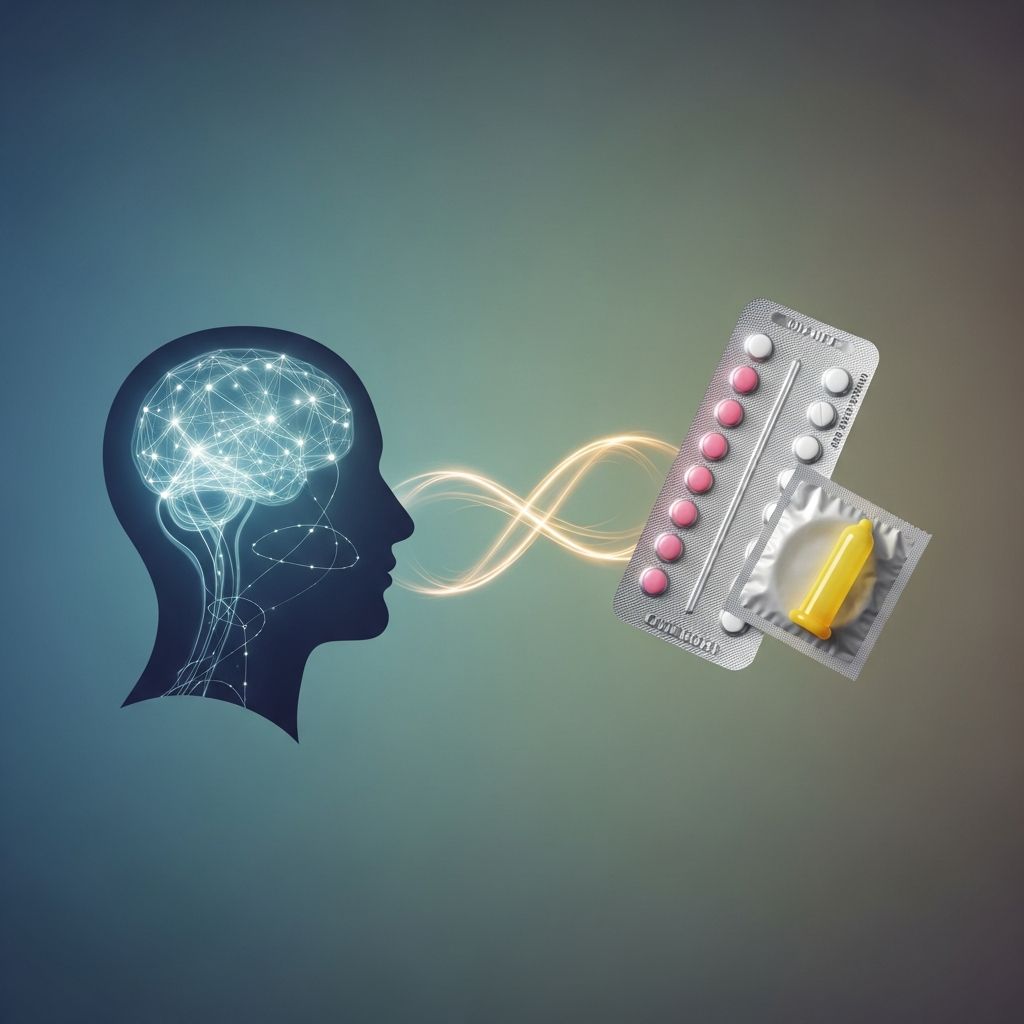
Understanding Antidepressants and Hormonal Birth Control Compatibility
Women managing depression often face important questions about medication safety when considering contraception or pregnancy. The intersection of mental health treatment and reproductive choices requires careful consideration of medical evidence and individualized healthcare planning. Many women wonder whether the medications that help manage their depression might interfere with birth control effectiveness or create unexpected health risks. The good news is that current medical evidence demonstrates that antidepressants and hormonal contraceptives can generally be used together safely, though some specific combinations warrant closer attention.
How Antidepressants and Birth Control Interact
The relationship between antidepressants and oral contraceptives involves understanding how medications are processed in the body. Most antidepressants, particularly selective serotonin reuptake inhibitors (SSRIs), do not significantly interfere with how the body absorbs or metabolizes hormonal contraceptives. This means that for most women taking common antidepressants like sertraline, citalopram, or escitalopram, birth control pills maintain their expected effectiveness rates.
However, certain classes of antidepressants present different considerations. Tricyclic antidepressants and some older medications may have minor interactions with contraceptive hormones, though clinically significant effects remain uncommon. The enzyme systems in the liver that process both medications operate differently depending on the specific drugs involved, which is why personalized medical consultation matters.
Common Antidepressants and Their Contraceptive Compatibility
SSRIs: The Most Commonly Prescribed Class
SSRIs represent the most frequently prescribed antidepressants today, and research confirms their compatibility with hormonal birth control. Medications in this category include fluoxetine, sertraline, paroxetine, and citalopram. Despite their widespread use, no substantial evidence suggests that SSRIs reduce the contraceptive efficacy of birth control pills. Women using these medications can expect their hormonal contraception to work as intended when taken correctly.
SNRIs and Other Modern Antidepressants
Serotonin-norepinephrine reuptake inhibitors (SNRIs) such as venlafaxine and duloxetine also demonstrate safe concurrent use with hormonal contraceptives. These medications work through different neurochemical pathways but maintain the same favorable safety profile regarding contraceptive interactions. Newer antidepressants like bupropion similarly pose no contraceptive concerns for most users.
Pregnancy Planning While Taking Antidepressants
Weighing Risks and Benefits
The decision to continue antidepressants during pregnancy involves understanding both the risks of medication exposure and the risks of untreated depression. Major medical organizations recognize that this is not a straightforward decision but rather requires careful individual assessment. The American College of Obstetricians and Gynecologists affirms that robust evidence demonstrates SSRIs are safe in pregnancy and that most do not increase the risk of birth defects. However, the context of maternal mental health status significantly influences this calculation.
Untreated depression during pregnancy carries documented risks including substance use, preterm birth, preeclampsia, reduced engagement in medical care, low birth weight, impaired bonding with the infant, and in severe cases, suicide. These maternal health consequences directly affect fetal development and newborn outcomes. Therefore, the absence of antidepressant treatment does not automatically mean a healthier pregnancy.
Which Antidepressants Warrant Special Consideration
While most SSRIs demonstrate safety in pregnancy, certain medications require more cautious discussion. Paroxetine has received specific regulatory attention due to research suggesting a potential link to cardiovascular defects when exposed during the first trimester. In 2005, the FDA reclassified paroxetine to pregnancy category D, indicating that evidence of fetal risk exists, but potential benefits might still outweigh risks if no alternatives are available. Women currently taking paroxetine who are planning pregnancy should discuss medication adjustment with their healthcare provider, though abrupt discontinuation carries its own risks.
Sertraline is generally considered a first-line choice for pregnant women due to extensive safety data and minimal transmission into breast milk. Fluoxetine has also been studied extensively throughout pregnancy with reassuring outcomes regarding birth defects, though individual circumstances vary.
Understanding Potential Pregnancy Outcomes
Birth Defects and Developmental Concerns
Large population-based studies conducted in the United States and Nordic countries have found no substantial increase in overall congenital malformations among infants with prenatal SSRI exposure. While earlier studies raised concerns about specific cardiac defects, particularly with paroxetine, subsequent meta-analyses indicate that risks remain small and must be contextualized within normal birth defect prevalence rates.
Questions about autism spectrum disorder and developmental delays have also received research attention. A comprehensive study published in JAMA Internal Medicine found that children whose mothers took antidepressants during pregnancy showed no increased risk for autism spectrum disorder, learning disabilities, or attention-deficit/hyperactivity disorder when followed into childhood. Some research has identified differences in brain regions regulating emotions among prenatally exposed children, but these findings call for continued research rather than definitive conclusions about functional outcomes.
Pregnancy Complications and Third-Trimester Considerations
Research indicates that antidepressant use in late pregnancy may be associated with neonatal adaptation challenges, characterized by low Apgar scores, low blood sugar, weak muscle tone, respiratory difficulties, and increased restlessness. These effects typically resolve within several days as the infant’s system adjusts. Healthcare providers may discuss timing strategies with pregnant women, such as whether tapering medication near delivery could reduce these temporary effects while weighing discontinuation risks.
Some studies have suggested modest associations between SSRI use and adverse outcomes including preterm birth and low birth weight; however, these associations may reflect confounding factors such as depression severity itself rather than direct medication effects. Untreated maternal depression independently increases risks for preterm birth and low birth weight, making the comparison between treated and untreated depression crucial.
The Reality of Untreated Depression in Pregnancy
The consequences of untreated depression during pregnancy extend throughout pregnancy and into the postpartum period. Maternal depression increases risks for eclampsia and preeclampsia, serious hypertensive complications of pregnancy. The disruption of maternal-child bonding due to depression affects infant development and family dynamics. Postpartum depression following untreated pregnancy depression occurs at higher rates, perpetuating mental health challenges into the child’s early years.
Additionally, untreated depression may influence prenatal care engagement, substance use patterns, and overall health behaviors during pregnancy. These behavioral and lifestyle factors directly impact fetal development independent of any direct medication effects.
Medication Changes and Pregnancy Planning
When to Adjust Antidepressant Regimens
Women newly diagnosed with depression who are also planning pregnancy should discuss medication selection with their healthcare provider. Starting with antidepressants known to have extensive pregnancy safety data, such as sertraline, allows for medication optimization before conception. For women already established on effective antidepressant therapy, the question becomes whether switching medications offers sufficient benefit to justify the risks of destabilizing mental health during the critical conception and early pregnancy period.
Discontinuation Considerations
Stopping antidepressants abruptly carries risks of withdrawal symptoms and depression relapse. Women considering pregnancy who are currently taking antidepressants should work with their healthcare provider on any medication adjustments, avoiding sudden discontinuation. Some women may benefit from gradual tapering if discontinuation is appropriate for their situation, while others may choose to continue medication throughout pregnancy.
Breastfeeding and Antidepressants
The safety considerations for antidepressants shift somewhat during breastfeeding. Different SSRIs transmit into breast milk at varying rates, with sertraline and paroxetine showing minimal breast milk transfer. This makes certain antidepressants preferable during the breastfeeding period compared to pregnancy. Women planning to breastfeed should discuss medication selection with their healthcare team to optimize mental health treatment while minimizing infant exposure.
Making Informed Decisions About Mental Health and Reproduction
Key Factors in Decision-Making
- Personal history of depression severity and treatment response
- Current antidepressant effectiveness and whether switching is necessary
- Family history of depression and postpartum depression risk
- Overall physical health and pregnancy-specific risk factors
- Support systems and mental health resources available
- Individual values regarding medication use during pregnancy
Communication with Healthcare Providers
Effective reproductive healthcare for women on antidepressants requires open dialogue with both mental health providers and obstetricians. Neither specialty alone possesses complete information; collaborative care ensures that depression treatment doesn’t get deprioritized in pursuit of avoiding medication exposure, and that obstetric care doesn’t ignore mental health realities. Women should feel empowered to discuss their specific situation, ask questions about evidence supporting different approaches, and express their preferences and concerns.
Frequently Asked Questions
Q: Will antidepressants make my birth control less effective?
A: Most antidepressants, particularly SSRIs, do not interfere with hormonal contraceptive effectiveness. However, some medications may have minor interactions, making individual consultation with healthcare providers important for your specific medication combination.
Q: Is it safe to take antidepressants during pregnancy?
A: Yes, antidepressants can be safe during pregnancy for many women. SSRIs are generally considered safe and do not substantially increase birth defect risk. The decision should involve weighing the risks of medication against the risks of untreated depression, which carries its own pregnancy complications.
Q: Should I stop my antidepressant if I’m trying to conceive?
A: This decision varies individually. Abruptly stopping antidepressants risks withdrawal symptoms and depression relapse. Work with your healthcare provider to determine whether continuing your current medication, switching to an alternative, or gradual discontinuation is most appropriate for your situation.
Q: Is paroxetine safe during pregnancy?
A: Paroxetine carries specific FDA warnings regarding potential cardiovascular defects in early pregnancy exposure. If you take paroxetine and are planning pregnancy, discuss medication alternatives with your provider, though this is not an absolute contraindication.
Q: Can I breastfeed while taking antidepressants?
A: Many antidepressants are safe during breastfeeding, with sertraline and paroxetine transmitting minimally into breast milk. Discuss your specific medication with your healthcare provider to ensure your choice supports both your mental health and safe breastfeeding.
Q: What happens to my baby if I take antidepressants during pregnancy?
A: Research shows that most babies exposed to SSRIs in utero develop normally without increased birth defects. Some studies note temporary neonatal adjustment effects in late pregnancy exposure, which typically resolve within days. The larger concern involves untreated maternal depression’s effects on fetal development.
Q: Does depression itself affect pregnancy outcomes?
A: Yes, untreated depression significantly increases risks for preterm birth, low birth weight, preeclampsia, reduced prenatal care engagement, and postpartum depression. These outcomes make depression treatment during pregnancy an important health consideration.
References
- Statement on the Benefit of Access to SSRIs During Pregnancy — American College of Obstetricians and Gynecologists. 2025-07. https://www.acog.org/news/news-releases/2025/07/statement-on-benefit-of-access-to-ssris-during-pregnancy
- Antidepressants: Safe during pregnancy? — Mayo Clinic. https://www.mayoclinic.org/healthy-lifestyle/pregnancy-week-by-week/in-depth/antidepressants/art-20046420
- Antidepressant Use During Pregnancy — InfantRisk Center. https://infantrisk.com/content/antidepressant-use-during-pregnancy
- Risks of using SSRI / SNRI antidepressants during pregnancy and lactation — National Center for Biotechnology Information. https://pmc.ncbi.nlm.nih.gov/articles/PMC6096863/
- The truth about taking antidepressants during pregnancy — UCHealth. https://www.uchealth.org/today/the-truth-about-antidepressants-during-pregnancy/
- Antidepressant Use Before, During, and After Pregnancy — JAMA Network Open. https://jamanetwork.com/journals/jamanetworkopen/fullarticle/2829728
- Weighing the Evidence: Response to the FDA’s Recent Panel on SSRIs and Pregnancy — Women’s Mental Health. https://womensmentalhealth.org/posts/fda-expert-panel-on-ssris-and-pregnancy/
- What to Know About Using Birth Control and Antidepressants — Healthline. https://www.healthline.com/health/birth-control/birth-control-and-antidepressants