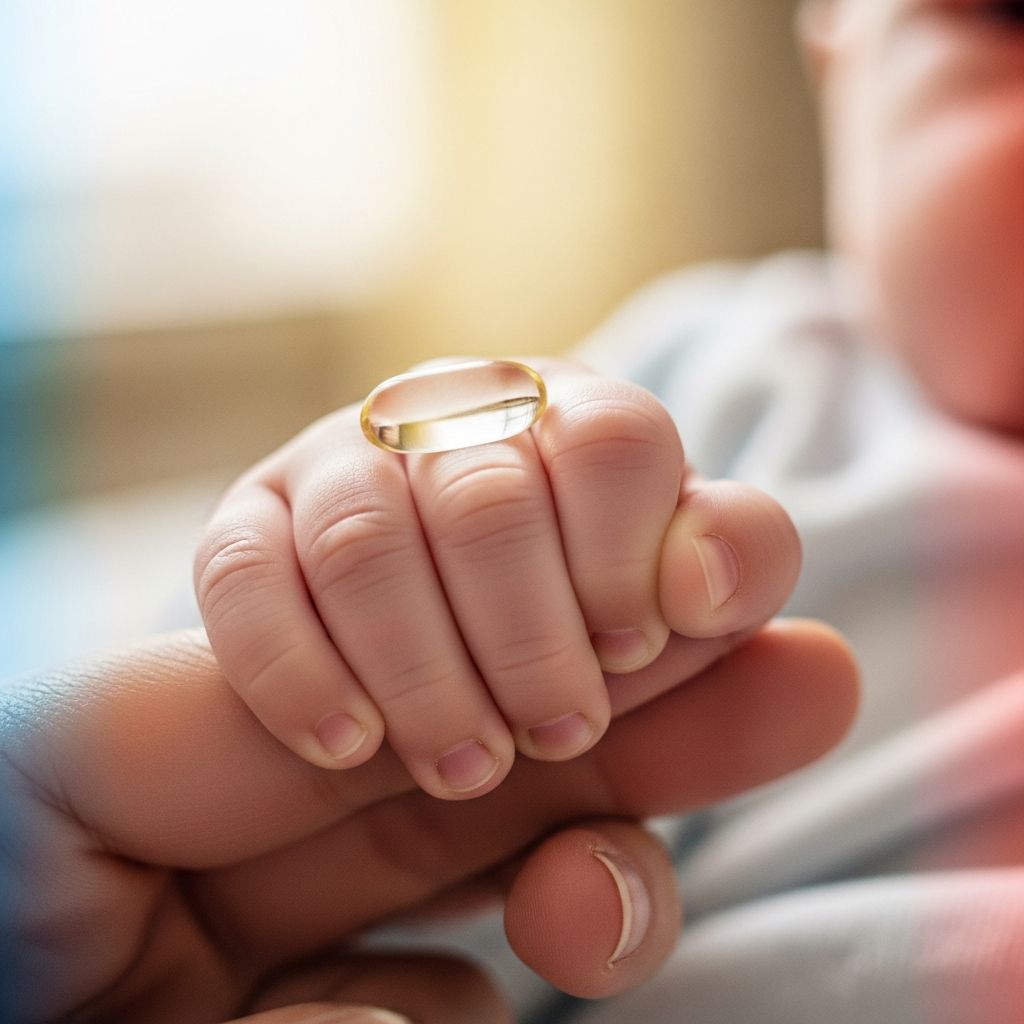
Antibiotics play a vital role in treating bacterial infections in infants, often proving lifesaving, especially for premature or vulnerable newborns. However, emerging research reveals significant drawbacks, including disruption of the developing gut microbiome, impaired immune function, and elevated risks for chronic conditions later in life.
Why Infants Receive Antibiotics So Frequently
Newborns, particularly those born prematurely or spending time in the neonatal intensive care unit (NICU), face heightened vulnerability to bacterial infections that can rapidly become life-threatening. Nearly all preemies get antibiotics in their first weeks to prevent or combat such threats. Broad-spectrum antibiotics, targeting a wide range of bacteria, are standard under current guidelines for 4-10% of all newborns with suspected infections, even if many cases later prove unnecessary.
This precautionary approach stems from the need for swift intervention, as delays can be fatal. Yet, it often leads to overuse, exposing healthy microbiomes to unnecessary disruption. Maternal antibiotic use during pregnancy or via breast milk can also transfer effects to the baby, altering early immune responses.
How Antibiotics Disrupt the Infant Gut Microbiome
The gut microbiome in babies is an immature, evolving ecosystem critical for digestion, immunity, and overall development. It stabilizes around age 2-3, making early disruptions particularly harmful. Antibiotics wipe out beneficial bacteria while sparing or promoting pathogens and resistant strains.
- Premature infants heavily treated with antibiotics show reduced microbial diversity at 21 months, with more disease-linked bacteria like Enterococcus and Klebsiella, and fewer health-promoting species.
- Newborns treated in the first week experience sharp drops in Bifidobacterium species, essential for breaking down breast milk and bolstering gut health.
- Even short courses (e.g., seven days) in preemies enrich pathogens such as Streptococcus and Pseudomonas, alongside antimicrobial resistance genes.
These shifts persist long-term, slowing microbiome maturation compared to untreated peers. While diversity eventually recovers, the composition remains altered, potentially seeding future health issues.
Long-Term Health Impacts on Growing Children
Early antibiotic exposure correlates with higher risks of chronic conditions, with effects compounding from multiple courses or very early administration (first six months). Rutgers researchers linked under-age-2 exposure to asthma, allergies, eczema, celiac disease, obesity, and ADHD.
| Condition | Associated Risk Factors | Key Studies |
|---|---|---|
| Asthma & Allergies | Multiple courses before age 2 | Rutgers/Mayo Clinic |
| Obesity | Early-life disruption of gut flora | Multiple cohort studies |
| ADHD & Eczema | Exposures in first 6 months | Olmsted County data |
| Infection Susceptibility | Maternal/preemie use | Danish cohort |
Preemies with heavy antibiotic regimens harbor more drug-resistant bacteria at 21 months, raising concerns if these escape the gut into the bloodstream. Mouse models confirm lasting immune deficits, such as fewer protective lung T-cells, impairing responses to flu-like viruses into adulthood.
Effects on Developing Immunity
Infants rely on their microbiome for immune training. Antibiotics hinder production of key metabolites like inosine, signaling immune cell development. Exposed infant mice show reduced CD8+ T-cells and tissue-resident memory cells in lungs, leading to poorer reinfection protection.
Human studies echo this: antibiotic-treated newborns have altered immunity against pathogens, with neonatal mice models showing worse outcomes against E. coli and Klebsiella. Maternal antibiotics increase severe infection risks in children up to age six. Dysbiosis also weakens vaccine responses and heightens infection susceptibility.
When Antibiotics Are Truly Essential for Babies
Not all illnesses require antibiotics; they target bacteria, not viruses causing most colds, earaches, or sore throats. Children’s Hospital Colorado advises caution to minimize side effects like diarrhea and long-term microbiome harm.
- Bacterial infections: Confirmed cases like strep throat, urinary tract infections, or pneumonia warrant them.
- High-risk scenarios: Preemies, sepsis suspects, or post-surgical prophylaxis.
- Avoid for: Viral illnesses, mild symptoms resolving naturally.
Clinicians now prioritize judicious use: start only with strong evidence, stop once bacteria clear, favoring narrower-spectrum options when possible.
Strategies to Protect Your Baby’s Microbiome
Parents can take proactive steps alongside medical guidance:
- Breastfeed exclusively when possible: Human milk fosters beneficial bacteria, countering some antibiotic effects.
- Probiotics post-treatment: Emerging evidence supports strains to restore balance, though consult pediatricians.
- Boost natural immunity: Vaccinations, hygiene, and nutrition support healthy flora.
- Question prescriptions: Ask if viral or bacterial, necessity, and alternatives.
- Monitor diet: Fiber-rich foods later aid microbiome recovery.
For preemies or high-risk infants, biotherapeutics—live microbes to rebuild gut communities—show promise in trials.
Parental Decision-Making: Balancing Risks and Needs
Antibiotics save lives but demand careful consideration. Discuss family history, exposure frequency, and monitoring plans with providers. Research urges shifting from ‘better safe than sorry’ to evidence-based prescribing, reducing use without raising adverse outcomes.
In pregnancy, unnecessary antibiotics risk fetal microbiome via maternal transfer, potentially hiking childhood infections. Track exposures; even one early course matters, multiples amplify harm.
Frequently Asked Questions About Antibiotics in Babies
Are antibiotics safe for newborns?
They are lifesaving for bacterial infections but disrupt the gut microbiome, raising long-term risks like allergies and obesity. Use only when essential.
Can antibiotics during pregnancy affect my baby?
Yes, they alter the maternal microbiome, increasing the child’s infection risk up to age six and impacting early immunity.
How soon do antibiotics harm a baby’s gut?
Effects begin within days, reducing beneficial bacteria like Bifidobacterium and promoting resistance, with changes lasting months to years.
Should I give my baby probiotics with antibiotics?
Discuss with a doctor; some strains help restore balance, especially in infants, but evidence varies.
Do all babies recover their microbiome after antibiotics?
Diversity often rebounds by 21 months, but composition differs, linked to ongoing health risks.
Expert Guidelines for Safer Antibiotic Stewardship
Pediatric bodies recommend diagnostics like rapid tests to confirm bacteria before prescribing. Narrow-spectrum drugs minimize broad disruption. For suspected newborn sepsis, targeted combos like penicillin plus gentamicin preserve more beneficial microbes.
Global health orgs emphasize stewardship to combat resistance, vital as gut reservoirs of resistant strains threaten future treatments.
References
- Use of antibiotics in preemies has lasting, potentially harmful effects — Washington University School of Medicine. 2023-10-10. https://medicine.washu.edu/news/antibiotics-in-preemies-has-lasting-potentially-harmful-effects/
- Antibiotic Exposure in Children Under Age 2 Associated With Chronic Conditions — Rutgers University. 2023-05-15. https://www.rutgers.edu/news/antibiotic-exposure-children-under-age-2-associated-chronic-conditions
- Antibiotics affects gut microbes of newborns — University of Edinburgh. 2022-11-21. https://www.ed.ac.uk/news/2022/antibiotics-after-birth-affects-gut-microbes-of-ba
- Early Antibiotics Alter Immune Function in Infants — University of Rochester Medical Center. 2023-08-17. https://www.urmc.rochester.edu/news/story/early-antibiotics-alter-immune-function-in-infants
- Antibiotics before birth and in early life can affect long-term health — University of Melbourne. 2023-06-12. https://findanexpert.unimelb.edu.au/news/5877-antibiotics-before-birth-and-in-early-life-can-affect-long-term-health
- The Dark Side of Antibiotics: Adverse Effects on the Infant Immune System — PMC (NCBI). 2020-10-01. https://pmc.ncbi.nlm.nih.gov/articles/PMC7593395/
- When Do Kids Need Antibiotics? — Children’s Hospital Colorado. 2024-02-20. https://www.childrenscolorado.org/just-ask-childrens/articles/antibiotics/