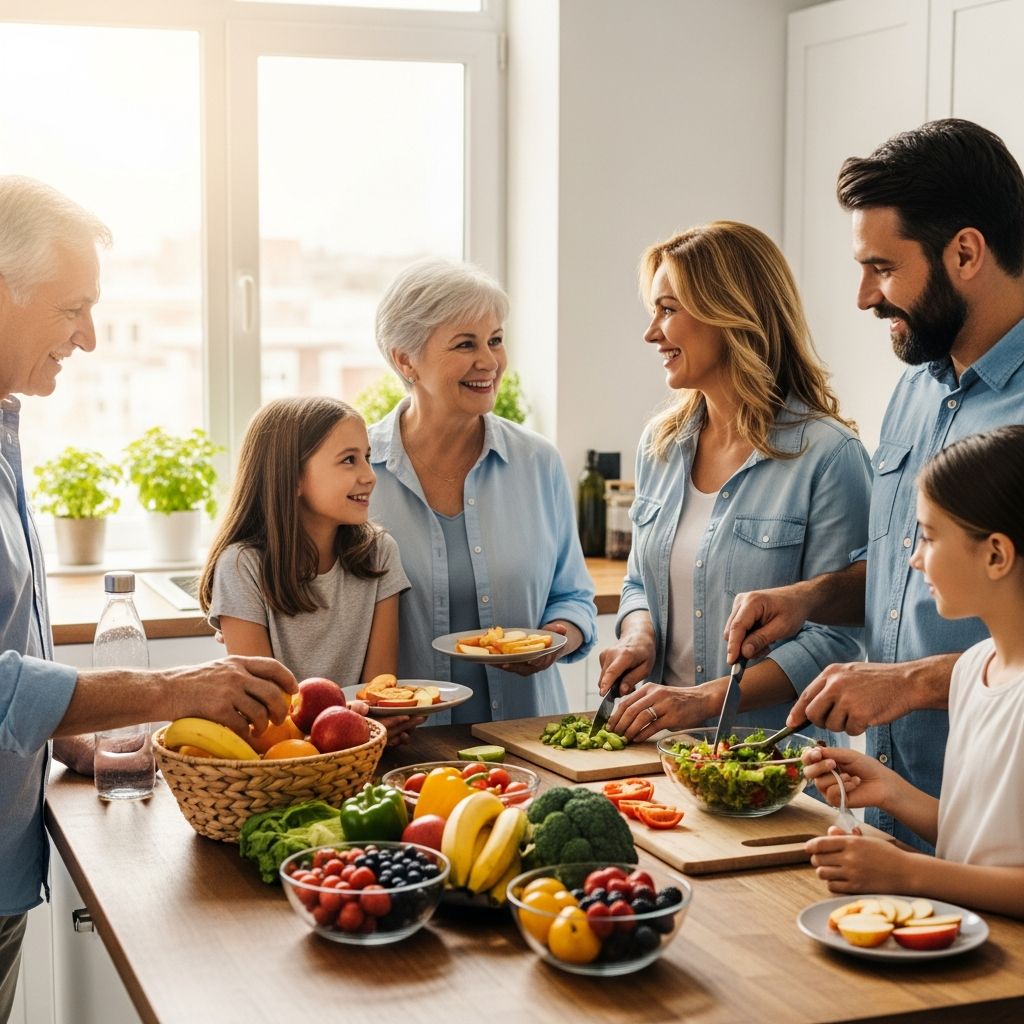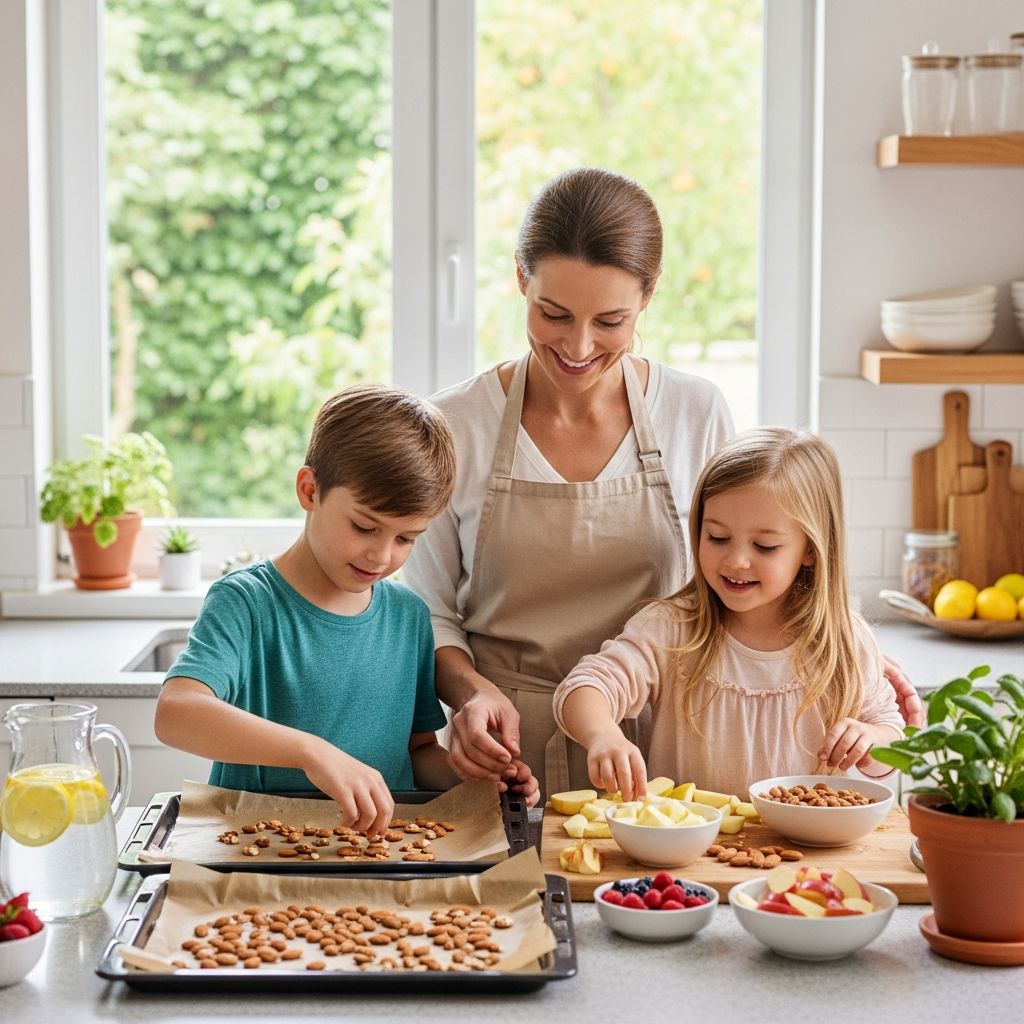
Parenting styles around food and body image have come under scrutiny in recent years, with the ‘almond mom’ label highlighting a common yet problematic approach. This term describes parents who, often with good intentions, emphasize restrictive eating and thinness as markers of health, inadvertently passing on disordered habits to their children. Originating from viral social media trends, it reflects broader diet culture influences that prioritize calories over nourishment and joy in eating.
Origins and Meaning of the Almond Mom Label
The phrase ‘almond mom’ gained traction on platforms like TikTok, symbolizing parents who suggest bland, low-calorie foods like almonds as ideal snacks while critiquing higher-calorie choices. It’s not limited to mothers; any caregiver exhibiting these traits fits the description. These parents often stem from their own experiences in environments where body size equated to virtue or discipline, viewing interventions like portion control as protective guidance.
At its core, this mindset equates slimness with morality, turning meals into moral battlegrounds. Comments on food choices or body changes, even casual ones, signal to kids that their natural appetites are suspect. Research underscores how such attitudes shape lifelong perceptions, with parental modeling being a primary vector for children’s food beliefs.
Psychological and Behavioral Impacts on Children
Children raised under almond mom influences face heightened risks for negative outcomes. Studies link parental dieting commentary to increased body dissatisfaction, with up to 50% of preteen girls and 30% of boys reporting poor self-image tied to family food dynamics. College-aged emerging adults from these homes show elevated worry over nutrition, rigid good/bad food categorizations, and disordered patterns like restrictive eating or binging.
| Impact Area | Description | Long-Term Effects |
|---|---|---|
| Emotional Triggers | Food labeled ‘good’ or ‘bad’ fosters guilt around hunger | Disordered eating, anxiety at meals |
| Body Image | Size commentary erodes self-trust | Chronic dissatisfaction, low self-esteem |
| Hunger Cues | Discourages intuitive eating | Binge-restrict cycles, metabolic issues |
| Family Dynamics | Meals become stressful | Reduced family bonding, picky habits |
These effects persist into adulthood, moderated by factors like impulsivity and socioeconomic access to ‘clean’ foods, amplifying rigid thinking. Experts note that even subtle modeling—parents avoiding treats or gym-logging meals—teaches kids food has punitive power.
Common Phrases and Their Hidden Messages
- “Do you really need that extra helping?”: Undermines hunger signals, planting seeds of self-doubt and restraint.
- “This is just a cheat day.”: Moralizes food, turning enjoyment into transgression.
- “I’ll burn it off later.”: Ties eating to exercise penance, not pleasure.
- “Eat your veggies or no dessert.”: Creates hierarchies, where food becomes reward or punishment.
- “Look at that waistline!”: Normalizes body surveillance, even on others.
These utterances, often well-meant, convey that bodies need constant policing. Kids internalize them, leading to emotional eating or avoidance. Recognizing patterns is key to change.
Roots in Diet Culture and Generational Transmission
Diet culture permeates society, promoting thin ideals through media and wellness trends. Parents, especially those from eras of pervasive fad diets, absorb and relay these norms. A registered dietitian notes family food culture directly molds kids’ views, transcending gender. Gen Z identifies these issues fluently but still grapples with inherited pressures.
Almond parenting reinforces rather than counters cultural fatphobia, where movement serves shape control, not joy. Without intervention, it cycles: dissatisfied parents raise watchful kids who become restrictive adults.
Practical Strategies to Avoid Almond Mom Tendencies
Shifting requires intentionality. Start by modeling neutral food attitudes: eat diverse foods visibly and enjoy them without apology. Structure meals with variety at set times, sans screens, letting kids self-regulate portions.
- Neutralize Language: Describe foods by taste and texture—’crunchy’ over ‘healthy’—avoiding moral tags.
- Honor Preferences: Picky phases are normal; track exposures over time, not per meal.
- Consistent Access: Offer treats routinely to demystify them, curbing binges.
- Body Respect: Discuss media messages critically; praise function over form.
- Self-Reflection: Audit personal habits—emotional eating or hiding snacks teaches restriction.
Experts advocate: ‘Food is food,’ not reward or vice. This empowers kids, reducing power struggles.
Building a Positive Family Food Environment
Create dignity-centered homes: respect bodies, preferences, and movement for delight. Shared family meals boost social skills and reduce pickiness. Parents eating relaxedly encourages trying new items.
Reframe emotionally: ‘I crave something savory’ beats ‘I deserve chips post-stress’. For veggies, pair without coercion. Over time, this fosters intuitive eaters who trust themselves.
Expert Insights on Lasting Change
Nutritionists like Maya Feller stress parental example over policing: kids mimic more than they heed broccoli counts. Journalists observe parents as counternarratives to pop culture’s barrage. Research on maternal attitudes confirms links to offspring risks, urging proactive shifts.
Frequently Asked Questions
Can dads be almond parents too?
Yes, the term applies to any caregiver pushing diet culture; family-wide modeling impacts equally.
How does almond parenting affect teens?
It heightens disordered eating risks, body worries, and rigid food views into emerging adulthood.
What if my child is overweight—should I intervene?
Focus on health behaviors like joyful activity and varied nutrition, not weight talk, to avoid shame.
Is intuitive eating safe for kids?
With structured offerings and parental modeling, it builds healthy self-regulation without extremes.
How do I unlearn my own diet habits?
Seek therapy, follow neutral dietitians, and practice consistent, shame-free eating yourself.
This 1678-word guide equips parents to break cycles, prioritizing joy and trust over control for thriving families.
References
- Am I an Almond Mom? How Not to Body Shame Your Kids — UVA Health. 2023-10-12. https://www.uvahealth.com/healthy-balance/am-i-an-almond-mom/
- What the ‘almond mom’ trend on TikTok says about parenting and diet culture — ABC News. 2023-05-15. https://abcnews.go.com/GMA/Wellness/almond-mom-trend-tiktok-parenting-diet-culture/story?id=96706555
- The Almond Mom Movement: How Your Own Relationship with Food Can Affect Your Child — Axis.org. 2023-08-22. https://axis.org/blog/the-almond-mom-movement-how-your-own-relationship-with-food-can-affect-your-child/
- “Almond Moms” and Their Influence on College-Aged Emerging Adults — University of Dayton eCommons. 2024-04-15. https://ecommons.udayton.edu/stander_posters/3889/
- What is an Almond Mom? Meaning, Behaviors, & Diet Culture — White Pine Center. 2023-11-05. https://www.whitepinecenter.org/blog/almond-mom-parenting-diet-culture