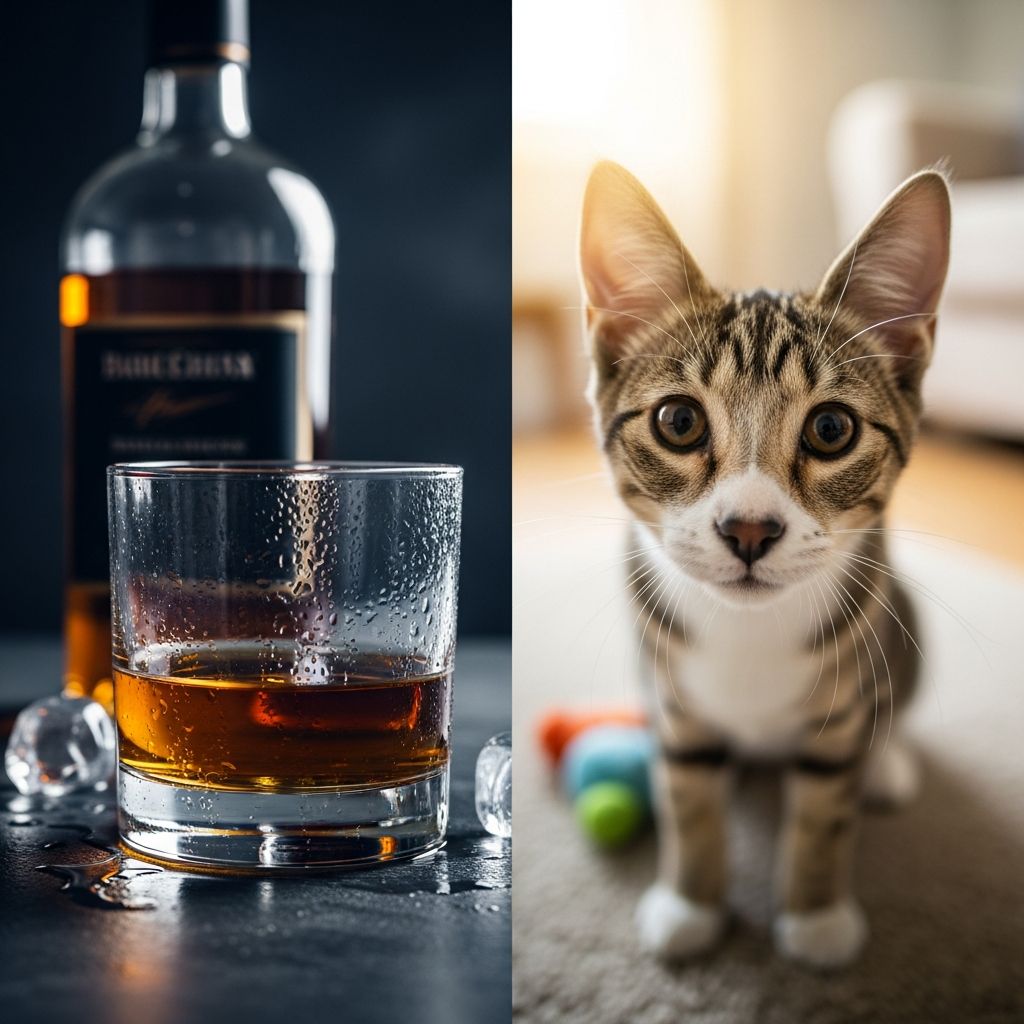
Offering a dog a sip of beer or letting a cat lick a creamy cocktail might look funny on social media, but for the animal it can quickly turn into a medical emergency. Even small amounts of alcohol and alcohol-like substances can overwhelm a pet’s body, leading to confusion, vomiting, organ damage, and in severe cases, death. This guide explains, in clear and practical terms, why alcohol is unsafe for dogs and cats and how to protect them at home, during parties, and all year round.
Why Pets React So Badly To Alcohol
Dogs and cats process chemicals, including alcohol, very differently from humans. Their bodies are smaller, their organs are more easily overwhelmed, and they have no understanding of what they are drinking. A quantity that seems trivial to an adult human can represent a massive dose for a ten-pound dog or a six-pound cat.
Alcohol (ethanol and other related alcohols) depresses the central nervous system. In people, this may cause relaxation or mild disinhibition at low doses. In pets, similar blood concentrations can quickly shift from wobbliness to collapse because their tolerance and metabolic capacity are much lower and their safety margin is extremely narrow.
Hidden Sources Of Alcohol In Everyday Life
Many owners assume the only risk comes from beer, wine, and liquor glasses left on the coffee table. In reality, modern homes contain a surprising number of alcohol sources that a curious pet can lick, chew, or inhale. Recognizing these sources is the first step in prevention.
- Drinks and cocktails: Beer, wine, spirits, mixed drinks, hard seltzers, and spiked punches often smell sweet or milky, attracting pets that like cream, sugar, or fruit flavors.
- Alcohol-laced foods: Desserts made with rum, brandy, liqueurs, or fortified wines, as well as sauces and flambé dishes, may retain significant alcohol content even after cooking.
- Fermenting doughs: Bread and pizza doughs containing yeast continue to ferment in a warm stomach, producing alcohol internally while also causing painful gas expansion.
- Medicinal products: Cough syrups, herbal tinctures, mouthwashes, some liquid medications, and many sanitizing or disinfecting products rely on high alcohol concentrations.
- Household and personal-care items: Hand sanitizers, perfume, aftershave, cleaning sprays, and rubbing alcohol can be licked from skin, fur, or surfaces.
- Home-brewing setups: Buckets of fermenting beer or wine, spills on the floor, or discarded mash can be irresistible to some dogs that like strong smells.
How Alcohol Affects A Pet’s Body
Once a dog or cat ingests alcohol, it is rapidly absorbed from the stomach and intestine into the bloodstream. From there it circulates to the brain, liver, heart, and other organs. Because pets are small and cannot understand that something is wrong, they often keep moving and stressing their bodies even while intoxicated.
| System | What Alcohol Does | Visible Signs |
|---|---|---|
| Brain and nerves | Depresses activity in the brain and spinal cord, slowing reflexes and interfering with coordination. | Staggering, falling over, confusion, difficulty standing, eventual loss of consciousness. |
| Breathing | Weakens the drive to breathe and relaxes muscles that keep the airway clear. | Slow or shallow breathing, snoring-like sounds, bluish gums in severe cases. |
| Heart and circulation | Lowers blood pressure and can cause abnormal heart rhythms at high doses. | Weakness, collapse, pale gums, cold paws and ears. |
| Digestive tract | Irritates the stomach and intestines and can damage the protective lining. | Drooling, vomiting, diarrhea, refusal to eat. |
| Metabolism | Disrupts blood sugar control and fluid balance, especially in young or small animals. | Tremors, seizures, extreme weakness, collapse from low blood sugar or dehydration. |
| Liver and kidneys | Force detoxification and elimination of alcohol and its breakdown products. | Subtle at first; prolonged or heavy exposures may cause long-term organ damage. |
Why ‘Just A Sip’ Is Still Too Much
People often underestimate how little alcohol is needed to harm a pet. A single mouthful of a strong spirit or a few licks of a sweet, high-proof liqueur can deliver a dose that would be equivalent to several drinks for a human when adjusted for body weight. Because pets also lack the social cues and self-limiting behavior that people develop, they may keep drinking as long as the taste appeals to them.
Another problem is delayed recognition. Owners may assume their animal is tired, excited, or clumsy rather than intoxicated, giving the alcohol more time to be absorbed. By the time obvious signs of distress appear, blood levels can be high enough that professional treatment and hospitalization are necessary.
Early Warning Signs Of Alcohol Poisoning In Pets
Knowing what alcohol intoxication looks like allows owners to respond before symptoms spiral out of control. Signs usually appear within minutes to a couple of hours after ingestion, depending on how much was consumed, whether the stomach was full, and the animal’s size and health.
- Sudden clumsiness: stumbling, sliding on floors, or misjudging distances.
- Changes in behavior: unusual quietness, clinginess, agitation, or whining.
- Drooling, licking the lips, or obvious nausea.
- Vomiting or retching, sometimes repeatedly.
- Glassy or unfocused eyes, dilated pupils, or slow responses to their name.
- Exaggerated thirst or, conversely, refusal to drink water.
These signs should never be dismissed as merely “acting funny.” They indicate that the nervous system is being affected and that the situation can deteriorate quickly.
Emergency Signs That Require Immediate Veterinary Care
In more serious cases, alcohol exposure pushes the body beyond its ability to compensate. At this stage, home monitoring is no longer safe. Waiting “to see if it passes” can be the difference between recovery and fatal complications.
- Inability to stand, repeated falls, or lying on one side and not getting up.
- Slow, shallow, or irregular breathing, or periods where breathing seems to pause.
- Very low body temperature; ears and paws feel cold, and the pet may shiver.
- Tremors or seizures, which may appear as jerking limbs or stiffening of the body.
- Unresponsiveness: not reacting to voice, touch, or familiar sounds.
- Gums that are pale, gray, or blue-tinged, suggesting poor oxygenation.
Any of these signs justify an urgent trip to a veterinary clinic or emergency hospital. When possible, bringing the suspected substance or its packaging can help the medical team plan the best treatment.
What Vets Can Do That Owners Cannot
Once at the clinic, the veterinary team’s first priority is to stabilize breathing, circulation, and body temperature. Oxygen support, intravenous fluids, and warming techniques may be used to keep the animal safe while the alcohol is metabolized or removed. In some cases, medications are given to support blood pressure, control vomiting, or stop seizures.
Depending on when the pet was exposed, the veterinarian may also attempt to limit further absorption. This can involve inducing vomiting under professional supervision or using activated charcoal or other agents if appropriate. Blood tests help assess blood sugar, electrolyte balance, and organ function, which guides ongoing care. The earlier treatment begins, the better the chances of a full recovery.
Alcohol Isn’t The Only Liquid Threat
While beverage alcohol gets the most attention, other household liquids can cause similar or even more severe problems. Some of these substances contain different types of alcohols or chemicals that are significantly more toxic than the alcohol found in wine or beer. Because pets cannot read labels, any strong-smelling liquid is a potential risk.
- Isopropyl (rubbing) alcohol: Commonly used as a disinfectant, it is more potent and more irritating than drinking alcohol.
- Mouthwash and antiseptic rinses: Many formulas combine high alcohol levels with additional chemicals that can upset the stomach or cause nervous system signs.
- Windshield washer fluid and similar products: Some contain methanol, a type of alcohol that is far more dangerous and can damage the nervous system and other organs.
- Fermentation byproducts: Spilled home-brew mash, discarded fruit used for cider or wine, and rotting fruit under trees can all generate alcohol as they ferment.
Because these fluids often have bright colors or interesting odors, a bored dog or cat may investigate and lick them. Treat any non-food liquid exposure as a reason to call a veterinary professional for advice.
Common Myths About Pets And Alcohol
Misinformation encourages risky behavior, especially online, where staged or joking videos of “drunk” animals may circulate. Understanding the myths behind these clips helps owners avoid copying dangerous behavior for entertainment or curiosity.
- Myth: A little beer is good for a dog’s coat.
In reality, there is no reliable evidence that alcohol improves skin or fur health. Any tiny potential benefit is outweighed by the very real risk of poisoning, especially in small or young dogs. - Myth: Pets know when to stop drinking.
Unlike humans, animals do not associate taste with long-term consequences. If a drink is sweet, creamy, or smells like food, they may continue until the glass or bowl is empty. - Myth: Cooking removes all alcohol.
Some cooking methods leave behind a significant portion of the original alcohol content, particularly in baked goods, sauces, and desserts, so these items still pose a risk. - Myth: If the pet seems fine, there’s no danger.
Early stages of intoxication can look subtle or even amusing, but blood alcohol levels may still be climbing. Serious complications often appear later, when intervention becomes more difficult.
Practical Steps To Keep Pets Safe Around Alcohol
Prevention is far easier and less traumatic than managing an intoxication emergency. With a few simple habits, households can enjoy parties, dinners, and holidays without placing pets at unnecessary risk. Many of these practices also help reduce exposure to other toxins like chocolate, grapes, and certain medications.
- Control access during gatherings: Keep pets in a separate room or behind a baby gate when guests have open drinks, especially in crowded, distracted settings.
- Clear surfaces promptly: Pick up glasses, cans, and bottles as soon as people leave the table or move to another room.
- Store alcohol securely: Keep bottles and cans in closed cupboards or refrigerators, not on low shelves or countertops where a jumping pet can reach.
- Label and separate food items: Store alcohol-containing desserts, sauces, and marinades away from pet-safe snacks, and clearly mark them so no one offers them to animals by mistake.
- Secure home-brewing setups: Place fermenting carboys and buckets in rooms that can be closed off, and clean spills thoroughly before pets return.
- Train and supervise: Teaching “leave it” and reinforcing good manners around tables reduces the chance your pet will snatch food or drink unattended.
What To Do If Your Pet Drinks Alcohol
Accidents can still happen, even in careful homes. Quick, calm action makes a real difference. Owners should resist the urge to try complicated remedies and instead focus on getting professional guidance and keeping the animal safe while help is arranged.
- Remove access immediately: Take away the drink, food, or product and move the pet away from any spilled liquid.
- Estimate the amount: Note what was consumed, how much might be missing, and how long ago the incident likely occurred.
- Contact a veterinarian or poison hotline: Call for advice, giving your pet’s weight, age, and the product name and strength if known.
- Follow professional instructions: Do not induce vomiting or give home remedies unless directed; some approaches can worsen the situation.
- Monitor closely on the way to care: Keep the pet warm, quiet, and restrained so they do not fall or injure themselves while disoriented.
Safer Ways To Include Pets In Celebrations
Many people want to involve their animals in family events and holidays. Fortunately, it is entirely possible to make a pet feel included without exposing them to risky drinks or foods. With a little planning, you can create a fun atmosphere that is both festive and safe.
- Offer special pet-safe treats: Choose commercially produced treats or homemade recipes specifically designed for dogs or cats, free from alcohol, onions, chocolate, or grapes.
- Use themed toys instead of drinks: Holiday- or party-themed chew toys, puzzle feeders, or catnip toys can give pets their own sense of celebration.
- Schedule dedicated playtime: A short walk, game of fetch, or interactive play session before guests arrive helps reduce anxiety and prevents attention-seeking that might lead to counter-surfing.
- Create a quiet retreat: Set up a comfortable, quiet room with water, bedding, and familiar items where your pet can relax away from noisy guests and spilled drinks.
Frequently Asked Questions About Pets And Alcohol
Can my dog have non-alcoholic beer?
Non-alcoholic products are not automatically safe for dogs. Some may still contain traces of alcohol, high levels of salt or sugar, carbonation that causes gas, or flavorings that upset a dog’s digestive system. It is safer to stick with fresh water or treats specifically designed for animals.
What if my cat just licked some wine from the floor?
A brief lick may deliver only a tiny dose, but there is no way to be sure how much was swallowed, and cats are particularly sensitive because of their small size. Rinse the area thoroughly, observe your cat closely, and call a veterinary professional for guidance if there is any doubt or if your cat seems even slightly unwell.
Are alcohol-free hand sanitizers safe around pets?
Products labeled as alcohol-free may use other active ingredients that can still cause stomach upset or irritation if licked. Avoid letting pets lick hands immediately after using any sanitizer and store bottles out of reach, regardless of their advertised formula.
Does cooking always remove alcohol from food?
No. The amount of alcohol remaining after cooking depends on time, temperature, and method. Baked or simmered dishes can still retain a meaningful percentage of their original alcohol content, so it is best not to share them with animals.
How can I talk to guests about not feeding my pets?
Clear, friendly communication works best. Place a small sign near the food table reminding guests not to share people food or drinks, and let them know you have special pet-safe treats available if they want to offer something. Many people simply do not realize which human foods are risky and will gladly cooperate when informed.
Key Takeaways For Pet Owners
Alcohol and alcohol-containing products pose a real, preventable danger to dogs and cats. Their bodies are not built to handle intoxication, and even small exposures can lead to serious neurological, respiratory, and metabolic problems. Treat any alcohol ingestion as an exposure that deserves attention, information, and often professional care.
By understanding where alcohol hides in the home, recognizing early symptoms of intoxication, and creating simple prevention routines, owners can protect their animals while still enjoying social events and celebrations. The safest policy is straightforward: keep alcoholic drinks and related products for humans only, and celebrate pets with treats, toys, and attention instead.