Understanding Air Travel Safety in Pregnancy
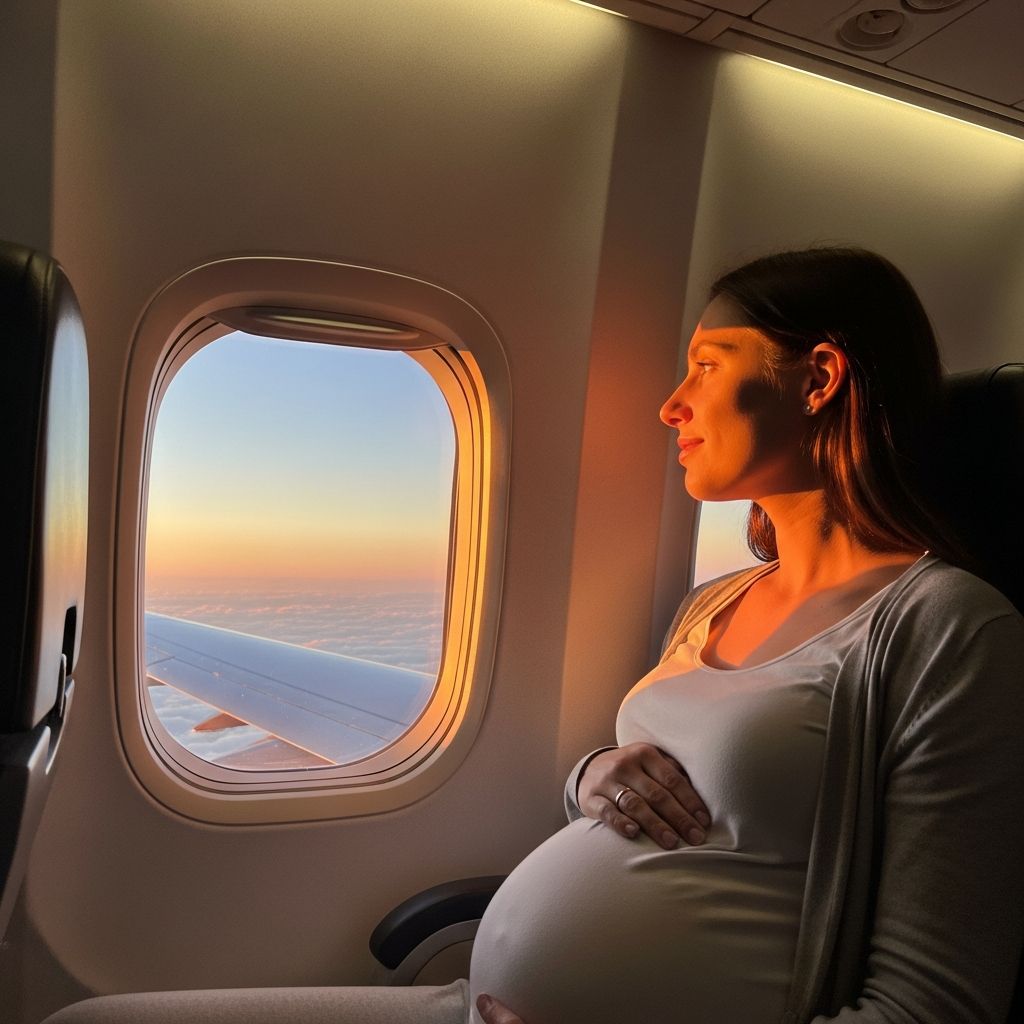
Expectant mothers often wonder whether traveling by air is a safe option during their pregnancy. The reassuring news is that for most healthy pregnancies without complications, air travel remains a viable choice. However, understanding the nuances of flying while pregnant, recognizing when travel may not be advisable, and taking appropriate precautions can significantly enhance both safety and comfort throughout the journey.
The decision to fly during pregnancy should involve collaboration between the expectant mother and her healthcare provider. While most medical professionals agree that occasional air travel poses minimal risk during a healthy pregnancy, individual circumstances may warrant different recommendations. Factors such as gestational age, medical history, and the presence of any pregnancy-related complications play crucial roles in determining whether flying is appropriate for a particular patient.
Optimal Timing for Pregnancy Air Travel
Timing significantly influences the safety and comfort of air travel during pregnancy. Healthcare experts have identified specific windows when flying presents the least risk to both mother and baby.
The period between the 14th and 28th week of pregnancy is considered the ideal timeframe for air travel. During this window, the risk of miscarriage and premature labor reaches its lowest point, and many of the physical discomforts associated with early pregnancy have typically subsided. The expectant mother usually feels more energetic and experiences fewer mobility challenges compared to the final trimester.
Most commercial airlines permit pregnant passengers to fly until approximately the 36th week of gestation. However, this policy varies among different carriers, and some international airlines may impose earlier restrictions. Once a pregnancy reaches 37 weeks with a single baby, or 32 weeks with a multiple pregnancy, the possibility of spontaneous labor increases substantially. For this reason, many airlines decline to board pregnant passengers who are beyond these thresholds, and obtaining travel insurance becomes considerably more difficult after the 37-week mark.
The safest approach involves checking with the specific airline before booking any flight. Some carriers require documentation from a healthcare provider confirming gestational age and the appropriateness of travel, particularly for international flights or pregnancies approaching term.
Health Conditions That Warrant Caution
While most healthy pregnancies tolerate air travel well, certain medical and obstetric situations make flying inadvisable. Healthcare providers typically recommend avoiding air travel if a pregnant woman has experienced or currently has:
- A history of miscarriage or ectopic pregnancy
- Vaginal bleeding during the current pregnancy
- High blood pressure or diabetes that remains uncontrolled despite medication
- A previous diagnosis of preeclampsia
- A current multiple pregnancy (twins, triplets, or more)
- Severe anemia
- Significant heart or lung conditions that compromise breathing capacity
- Recent history of blood clots or deep vein thrombosis
- Premature rupture of membranes
Additionally, expectant mothers should exercise particular caution when considering flights to regions with high altitude, areas experiencing disease outbreaks, or locations where certain infectious diseases are endemic. Destinations where vaccinations are recommended for travelers warrant careful consideration, as some pregnancy-related vaccine restrictions may apply.
Physical Discomforts Associated with Flying
Beyond safety considerations, pregnant air travelers frequently experience physical discomforts specific to their condition. Understanding these potential challenges allows for proactive management strategies.
Abdominal distention often worsens during flights, as pressure changes and reduced cabin humidity can exacerbate normal pregnancy-related bloating. Swelling in the feet and ankles occurs more frequently in pregnant passengers than in non-pregnant travelers, a phenomenon known as pedal edema. The combination of immobility, cabin pressure, and pregnancy’s natural tendency toward fluid retention creates an environment where leg swelling becomes nearly inevitable on longer flights.
General discomforts may include back pain intensified by prolonged sitting, increased urinary frequency requiring frequent lavatory visits, heartburn potentially aggravated by cabin food choices, and general fatigue. Some expectant mothers experience nausea or heightened queasiness during air travel, particularly if turbulence occurs.
Deep Vein Thrombosis and Immobility Risks
One of the more significant health risks associated with air travel for pregnant women involves the development of deep vein thrombosis, a condition where blood clots form in leg veins. Pregnancy itself increases clotting risk due to physiological changes, and air travel compounds this danger through prolonged immobility.
The risk of developing a blood clot increases directly with flight duration, making longer journeys more problematic than short trips. Pregnant women with additional risk factors—such as a personal or family history of blood clots, obesity, or recent surgical procedures—face heightened vulnerability.
To minimize thrombosis risk during medium and long-haul flights exceeding four hours, healthcare providers recommend several preventive strategies:
- Wearing loose-fitting clothing that doesn’t restrict circulation, particularly around the legs and abdomen
- Selecting aisle seats whenever possible to facilitate easy standing and walking
- Taking regular walks around the cabin every 2-3 hours
- Performing seated leg exercises and calf stretches approximately every 30 minutes
- Maintaining adequate hydration by consuming water regularly throughout the flight
- Limiting caffeine intake, which can increase dehydration
- Considering graduated compression stockings, which should be properly fitted by a healthcare provider
A healthcare provider can assess individual risk factors and determine whether compression stockings are appropriate for a specific pregnant traveler.
Radiation Exposure and Cabin Pressure Concerns
Prospective air travelers sometimes express concern about radiation exposure at high altitudes. While all individuals flying at cruising altitude receive a slight increase in cosmic radiation exposure, occasional flights pose negligible risk to both mother and baby. Only pregnant women who fly frequently as part of their employment should discuss radiation concerns with occupational health specialists.
Modern commercial aircraft maintain pressurized cabins equivalent to altitudes between 6,000 and 8,000 feet above sea level. The oxygen tension at these levels is unlikely to cause fetal complications in a normal pregnancy. Research demonstrates that air pressure changes and cabin humidity reduction have no harmful effects on pregnancy outcomes when the pregnancy is uncomplicated.
Airport security screening equipment, whether older magnetometer technology or newer millimeter-wave scanners, poses no threat to fetal development. Experts agree that radiation exposure from airport security devices presents an extremely low risk for pregnancy complications.
Practical Recommendations for Comfortable Air Travel
| Travel Aspect | Recommendation | Rationale |
|---|---|---|
| Seat Selection | Choose aisle seat | Easier to stand, walk, and access lavatories without disturbing others |
| Seatbelt Usage | Wear low across hip bones, below abdomen | Protects both mother and baby while preventing abdominal compression |
| Clothing | Wear loose, comfortable garments | Prevents circulation restriction and reduces discomfort from swelling |
| Footwear | Select comfortable, slip-on shoes | Accommodates swelling and facilitates easy removal for cabin movement |
| Hydration | Drink water regularly; limit caffeine | Prevents dehydration from low cabin humidity; avoids bladder irritation |
| Diet | Avoid gas-producing foods | Gases expand at altitude, causing discomfort and bloating |
Beyond these core strategies, expectant mothers should inform flight attendants about their pregnancy condition. Many airlines offer upgraded seating options or additional accommodations for pregnant passengers, and attendants can facilitate easier access to lavatories or provide extra blankets and pillows.
Traveling with important medical documentation proves invaluable. Carrying a letter from the healthcare provider confirming gestational age and medical clearance for air travel can address any airline concerns and expedite boarding procedures. This documentation becomes particularly important when flying internationally or approaching the later stages of pregnancy.
Insurance and Healthcare Considerations
Before traveling while pregnant, expectant mothers must verify that their health insurance provides adequate coverage for pregnancy-related and neonatal health issues at the intended destination. Many standard health insurance policies have geographic limitations or exclude coverage for pregnancy complications occurring abroad.
If existing insurance lacks international pregnancy coverage, obtaining specialized travel health insurance specifically designed for pregnant women becomes essential. This additional coverage ensures access to appropriate medical care should complications arise during travel, eliminating potential financial hardship and ensuring the pregnant woman can access emergency obstetric services if needed.
Communication With Healthcare Providers
Healthcare providers should be consulted well before any air travel plans are finalized. These consultations allow physicians to review individual risk factors, assess whether any pregnancy-related complications contraindicate flying, and provide personalized recommendations based on the specific pregnancy’s status.
The healthcare provider needs to know the flight duration, destination altitude and climate conditions, and the specific gestational ages on both departure and return dates. This information enables the provider to offer targeted advice and, if necessary, supply documentation required by airlines or foreign health authorities.
Pregnant women who experience sudden symptoms such as vaginal bleeding, severe abdominal pain, shortness of breath, chest pain, or signs of labor should delay travel until their healthcare provider has evaluated these symptoms thoroughly.
Addressing Common Questions About Pregnancy Air Travel
Q: Can flying during pregnancy cause miscarriage?
A: No. Research demonstrates that air travel does not cause miscarriage, early labor, or rupture of membranes in healthy pregnancies. However, pregnancies with elevated miscarriage risk due to medical conditions may warrant avoiding travel after consulting with a healthcare provider.
Q: What is the best week of pregnancy to fly?
A: The period between 14 and 28 weeks is considered optimal for air travel, as miscarriage and premature labor risks are lowest during this timeframe. However, many women fly successfully both earlier and later in pregnancy when appropriate medical clearance is obtained.
Q: How should the seatbelt be worn during pregnancy?
A: The lap belt should sit low across the hip bones, below the abdomen, while a diagonal shoulder strap should cross between the breasts. This positioning protects both mother and baby while preventing abdominal compression.
Q: Are compression stockings necessary for all pregnant air travelers?
A: Compression stockings are most beneficial for flights exceeding four hours or for pregnant women with additional blood clot risk factors. A healthcare provider can determine whether they are necessary for individual circumstances and ensure proper fitting.
Q: Can I fly internationally while pregnant?
A: Yes, but international travel may have additional restrictions. Some airlines limit international flights earlier in pregnancy, and destination-specific considerations such as required vaccinations, altitude, or endemic diseases require careful evaluation with a healthcare provider.
References
- Air Travel and Pregnancy — Royal College of Obstetricians and Gynaecologists (RCOG). 2024. https://www.rcog.org.uk/for-the-public/browse-our-patient-information/air-travel-and-pregnancy/
- Air Travel During Pregnancy — Nemours KidsHealth. 2024. https://kidshealth.org/en/parents/flying-pregnancy.html
- Pregnant Travelers — Centers for Disease Control and Prevention (CDC) Yellow Book. 2024. https://www.cdc.gov/yellow-book/hcp/family-travel/pregnant-travelers.html
- Air Travel During Pregnancy: Is It Safe? — Mayo Clinic. 2023. https://www.mayoclinic.org/healthy-lifestyle/pregnancy-week-by-week/expert-answers/air-travel-during-pregnancy/faq-20058087
- Travelling in Pregnancy — National Health Service (NHS). 2024. https://www.nhs.uk/pregnancy/keeping-well/travelling/
- Travel During Pregnancy — American College of Obstetricians and Gynecologists (ACOG). 2024. https://www.acog.org/womens-health/faqs/travel-during-pregnancy
- Travel During Pregnancy — Kaiser Permanente Health Encyclopedia. 2024. https://healthy.kaiserpermanente.org/health-wellness/health-encyclopedia/he.travel-during-pregnancy.hw194989