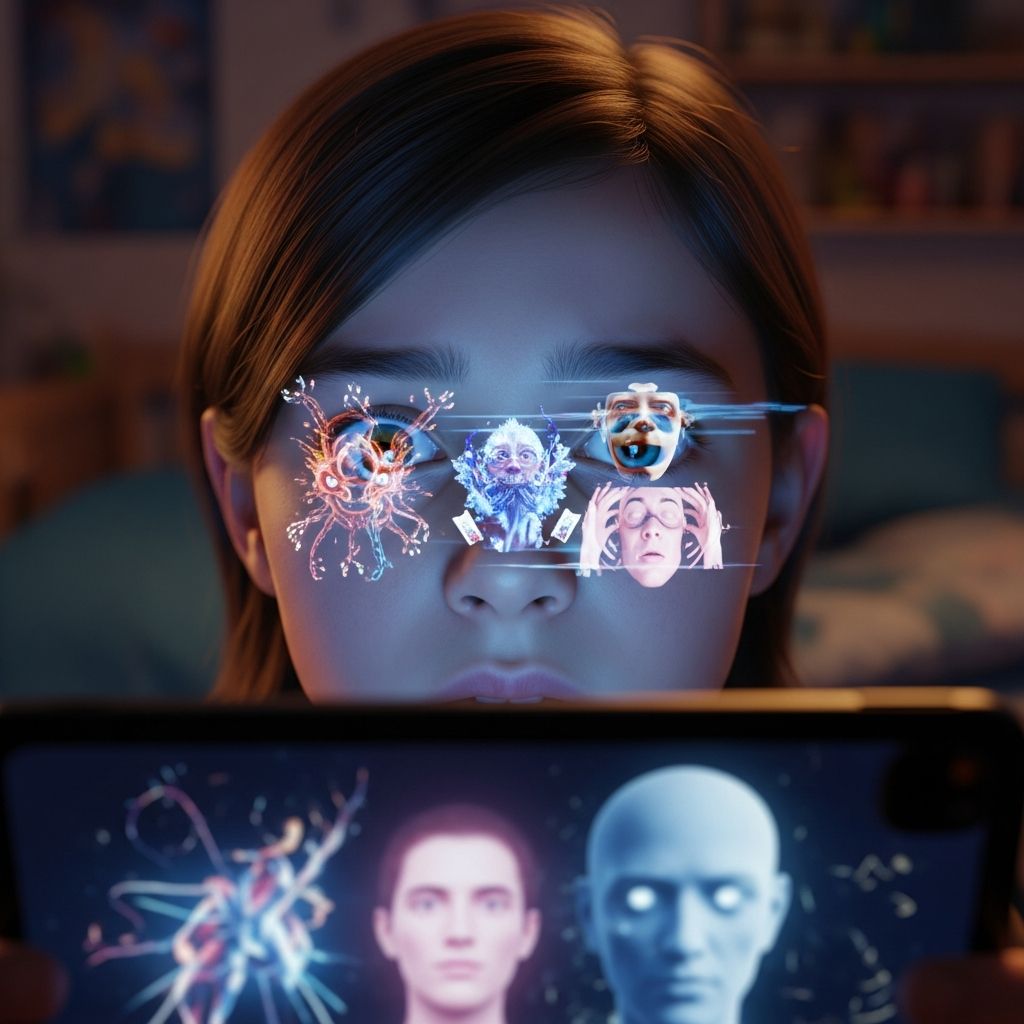
Artificial intelligence is reshaping online content creation, but its rapid infiltration into children’s programming on platforms like YouTube raises serious concerns for parents and educators. These algorithmically produced clips, often featuring unnatural animations and questionable narratives, are captivating young audiences while potentially undermining healthy cognitive growth.
The Explosion of AI-Driven Children’s Entertainment
YouTube has become a staple in many households, with dedicated apps like YouTube Kids designed to offer a safer viewing environment for children aged 2 to 12. However, recent data reveals that even infants under two are heavy users, flocking to short-form videos in unprecedented numbers. This trend coincides with a boom in AI-generated content, where creators leverage tools to produce videos at minimal cost and effort, flooding feeds with what experts derisively call “AI slop.”
These videos promise educational value—teaching ABCs, numbers, or basic social skills—but often deliver bizarre, glitchy experiences. Characters exhibit jerky movements, crossed eyes, and surreal scenarios, such as animals performing odd rituals or babies in unnatural feeding animations. While marketed as fun learning aids, the low production threshold allows anyone to upload without rigorous quality checks, prioritizing views over substance.
Spotting the Signs of AI-Generated Kid Content
Identifying AI-made videos isn’t always straightforward, but telltale signs help discerning parents. Visual glitches like mismatched lip-sync, unnatural blinking, or disproportionate features are common hallmarks. Audio often features robotic intonations or repetitive phrases that don’t align perfectly with on-screen action.
- Unrealistic animations: Creatures that blend impossibly or move in stiff, inhuman ways.
- Repetitive loops: Content that cycles through the same sequences to inflate watch time.
- Sensational titles: Promises of miracles or extreme learning outcomes to hook algorithms and viewers.
- Length extremes: Clips ranging from addictive 15-second bursts to marathon four-hour compilations, far exceeding recommended screen time.
Unlike human-crafted shows with narrative depth, AI videos prioritize algorithmic appeal, optimizing for retention through bright colors, rapid cuts, and hypnotic patterns that ensnare impressionable minds.
Developmental Dangers Lurking in Pixelated Playtime
Exposure to subpar AI content poses tangible risks to children’s brains, particularly during critical formative years. Experts warn that the hyper-stimulating, low-narrative format can rewire neural pathways, shortening attention spans and impairing focus. Infants and toddlers, whose brains are wired for real-world interactions, may confuse artificial stimuli with reality, leading to distorted perceptions.
Research highlights how generative AI tools mislead young users. Children aged 9-11 in controlled workshops reported confusion over fabricated images, like mythical beasts presented as real, eroding trust in visual media. For babies, the peril amplifies: unnatural movements and voices disrupt language acquisition and emotional bonding, substituting genuine human connection with synthetic substitutes.
| Age Group | Potential Impact | Expert Concern |
|---|---|---|
| Under 2 years | Attention fragmentation, delayed speech | Overstimulation from short clips |
| 2-5 years | Reality distortion, poor motor mimicry | Glitchy models confuse learning |
| 6-12 years | Critical thinking erosion | Misleading AI outputs |
This table summarizes key vulnerabilities, underscoring the need for age-appropriate scrutiny.
Parental Conflicts: Convenience vs. Caution
Many parents face a dilemma: YouTube Kids offers a convenient babysitter amid busy schedules, yet harbors unvetted content. Surveys show moms and dads are torn—reliant on the platform for downtime but anxious about its influence. Some report children fixating on eerie videos, mimicking odd behaviors or demanding endless replays.
The platform’s safety claims ring hollow when AI floods bypass human moderation. While YouTube employs algorithms for filtering, they struggle with novel generative outputs, allowing harmful or nonsensical material to thrive. In regions like Australia, YouTube Kids evades broader social media bans for minors, amplifying the urgency for proactive oversight.
Expert Perspectives on AI’s Double-Edged Sword
Researchers advocate for balanced AI integration in education, emphasizing tools designed with child development principles. Harvard’s Graduate School of Education notes that principled AI can enhance learning, but only alongside robust digital literacy training. Children must learn to discern AI artifacts, questioning outputs rather than accepting them blindly.
Workshops with schoolchildren reveal optimism tempered by caution: kids enjoy creative AI uses but demand transparency, like labels for generated media. Governing bodies should enforce age-gated content and mandate disclosures, ensuring tech serves rather than supplants human creativity.
Empowering Parents: Actionable Defense Strategies
Reclaiming control starts with intentional habits. Limit screen time to AAP guidelines: none for under 18 months, under one hour daily for ages 2-5, with co-viewing. Curate playlists manually, prioritizing verified creators over algorithmic suggestions.
- Enable strict mode: Activate YouTube Kids’ toughest filters to block suspect channels.
- Monitor analytics: Review watch history weekly to spot patterns in AI-heavy views.
- Foster alternatives: Opt for physical play, books, or human-led apps like interactive storytelling platforms.
- Discuss media: Chat post-viewing: “Was that character real? How did it make you feel?” to build discernment.
- Advocate collectively: Join parent forums pushing for platform reforms, like mandatory AI watermarking.
Tech aids abound: parental control apps track usage, block keywords like “AI miracle,” and enforce breaks. Educating kids on AI fosters resilience, turning passive consumers into savvy critics.
Platform Responsibilities and Future Reforms
YouTube must evolve beyond reactive measures. Experts call for AI detection tools, human review queues for kid-directed uploads, and partnerships with child psychologists for content vetting. Transparent metrics on AI prevalence would empower users, while incentives for quality human content could crowd out slop.
Global regulations loom: the EU’s AI Act classifies high-risk child applications, demanding audits. Platforms ignoring these risk fines, spurring innovation in ethical AI. Parents play a pivotal role by reporting violations, amplifying voices for change.
Building a Healthier Digital Ecosystem for Kids
The AI video surge on YouTube underscores a broader shift: technology’s pace outstrips safeguards, especially for vulnerable users. By blending vigilance, education, and advocacy, families can navigate this landscape. Prioritize real-world wonders over virtual illusions, nurturing well-rounded growth in an AI-saturated world.
Frequently Asked Questions (FAQs)
What makes AI videos harmful for babies?
They feature unnatural visuals and sounds that confuse sensory development, potentially shortening attention spans and hindering language skills.
How can I tell if a YouTube Kids video is AI-generated?
Look for glitches like awkward movements, repetitive audio, or surreal scenarios—hallmarks of generative tools.
Is YouTube Kids safe for children under 2?
YouTube advises against it for under-2s, yet usage is high; experts recommend no screens at this age.
What are the best alternatives to YouTube for kids?
Choose ad-free apps with human-curated content, like PBS Kids or local libraries’ story hours.
Should parents ban YouTube entirely?
Not necessarily—supervised, limited use with quality channels can be fine; focus on balance.
References
- Understanding the Impacts of Generative AI Use on Children — The Alan Turing Institute. 2025-06-13. https://www.youtube.com/watch?v=KO9awcYxH9s
- AI Is Ruining YouTube Kids… — YouTube Creator. 2025. https://www.youtube.com/watch?v=KHLnnTOF-T8
- YouTube Creators Serving ‘AI Slop’ to Babies — Bloomberg Technology. 2025-12-03. https://www.youtube.com/watch?v=BlYJ1iJETx8
- Expert Warns YouTube ‘AI Slop’ Can Rewire Kids’ Brains — Men’s Journal. 2025. https://www.mensjournal.com/news/expert-warning-youtube-ai-slop-rewire-child-brain
- The Impact of AI on Children’s Development — Harvard Graduate School of Education. 2024-10. https://www.gse.harvard.edu/ideas/edcast/24/10/impact-ai-childrens-development