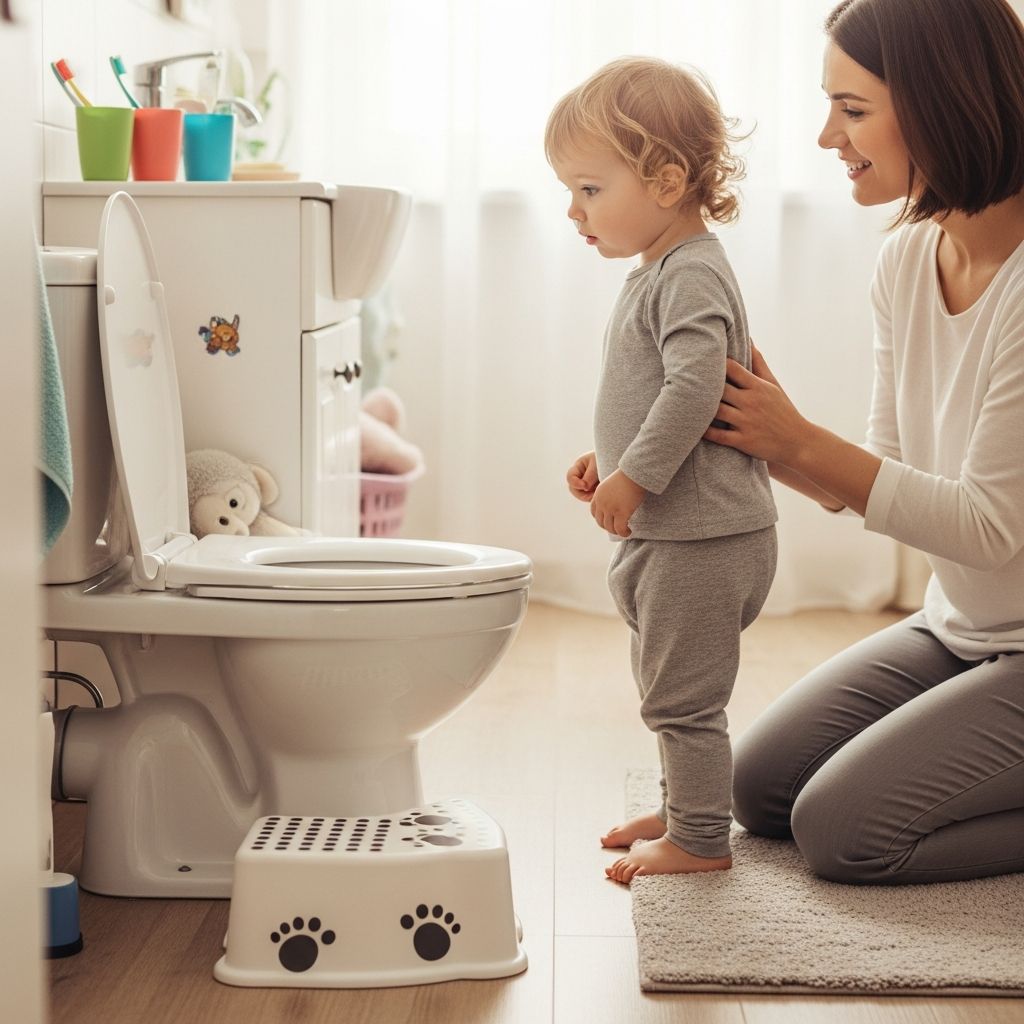
Assigning household tasks to children is a proven strategy for developing responsibility, self-reliance, and practical abilities. Starting from toddlerhood, kids can participate in family duties matched to their physical and cognitive capabilities, gradually increasing complexity as they mature. This approach not only lightens the family load but also equips young ones with essential life skills.
Why Involve Children in Home Duties Early?
Early participation in home tasks correlates with better executive functioning, improved self-esteem, and stronger family connections. Research from child development experts emphasizes that consistent, age-matched responsibilities teach time management, perseverance, and accountability without overwhelming young minds. Parents report reduced household stress and children who transition smoother into adulthood with these habits ingrained.
Key advantages include:
- Enhanced motor skills and coordination through hands-on activities.
- Fostering a sense of contribution and belonging within the family unit.
- Preparation for independent living by mastering daily routines.
- Promotion of healthy work ethic and discipline.
Tasks for the Youngest Helpers: Ages 2-3
At this stage, toddlers thrive on imitation and simple successes. Focus on fun, supervised activities that build fine motor skills and basic habits. Supervision ensures safety while praise reinforces positive behavior.
- Sort toys into bins after playtime.
- Place dirty outfits in the laundry basket.
- Wipe small spills with a cloth.
- Fill pet bowls with measured scoops.
- Dust low areas using a sock-covered hand.
- Stack books neatly on shelves.
These tasks take 5-10 minutes and should be framed as games to maintain enthusiasm.
Preschool Power: Ages 4-5
Preschoolers gain independence and can handle slightly more structured duties. They enjoy routines and feel proud completing them solo, boosting confidence. Introduce visual charts for tracking progress.
| Task | Skills Developed | Tips for Success |
|---|---|---|
| Make bed (pull up covers) | Fine motor, routine building | Use fun bedding designs |
| Clear plates from table | Gross motor, table manners | Provide step stools |
| Water indoor plants | Responsibility for living things | Use small cans, supervise |
| Empty small wastebaskets | Organization | Line bins for easy cleanup |
| Match socks from clean laundry | Sorting, matching | Turn it into a pairing game |
| Dust surfaces with cloth | Cleaning basics | Reach-safe tools only |
Early Elementary: Ages 6-7
School-aged children in this group manage personal care independently and assist with family chores. They benefit from daily checklists to build consistency.
- Sweep simple floor areas.
- Set table with utensils.
- Pack simple lunches.
- Rake leaves in yard.
- Vacuum rugs with handheld tool.
- Put away groceries in low cabinets.
- Prepare cereal or snacks.
- Walk pet on short leash (supervised).
Expect 15-20 minutes daily; rotate tasks weekly for variety.
Middle Childhood Mastery: Ages 8-9
These kids handle multi-step processes and basic hygiene without prompts. Encourage them to lead younger siblings in tasks.
- Load/unload dishwasher safely.
- Fold and store own clothes.
- Wipe counters and sinks.
- Prepare basic meals like sandwiches.
- Mop floors with kid-sized tools.
- Take trash to outdoor bins.
- Peel veggies for cooking.
- Care for pet needs fully.
Incorporate rewards like extra playtime to sustain motivation.
Tween Transitions: Ages 10-12
Tweens develop organizational skills and can manage laundry cycles or meal prep. Assign weekly rotations for deeper learning.
| Indoor Tasks | Outdoor Tasks | Personal Tasks |
|---|---|---|
| Wash/dry dishes independently | Wash family vehicle | Do full laundry loads |
| Clean bathroom fixtures | Mow small lawns | Iron simple garments |
| Change bed linens | Pull weeds/garden | Track personal schedule |
| Deep clean fridge sections | Shovel light snow | Babysit siblings (home) |
Teen Team Players: Ages 13-18
Teens approach adult-level contributions, including budgeting and repairs. They can run errands or cook full meals, preparing for independence.
- Complete full grocery shops with lists.
- Prepare family dinners from recipes.
- Clean entire rooms/appliances deeply.
- Perform yard maintenance like trimming.
- Babysit externally short-term.
- Handle minor home fixes (e.g., unclog drains).
- Wash, detail cars thoroughly.
- Manage allowance budgets.
Teens average 30-60 minutes daily; link to privileges for accountability.
Implementing Effective Systems
Success hinges on clear communication and tools. Create visible charts dividing chores by person, due dates, and completion checks. Daily rhythms work best: mornings for personal tasks, evenings for shared ones. Rotate to prevent boredom and teach versatility.
Tips for motivation:
- Praise effort over perfection.
- Use timers for focus.
- Offer choices within age limits.
- Model enthusiasm yourself.
- Tie to family meetings for input.
Common Hurdles and Fixes
Resistance often stems from unclear expectations or overload. Start small, demonstrate first, and adjust based on feedback. If forgetfulness occurs, gentle reminders via apps or magnets help.
Frequently Asked Questions
What if my child refuses chores?
Address underlying issues like overload or lack of modeling. Use natural consequences, like no screen time until done, and involve them in planning.
Should chores link to allowance?
Optional; core duties build character, extras can earn pay to teach finance.
How often to rotate tasks?
Weekly or monthly prevents resentment and broadens skills.
Are there safety concerns?
Always match to ability; supervise chemicals/tools until proficient.
Benefits for special needs kids?
Adapt tasks; visuals and breakdowns aid success, promoting inclusion.
References
- Chore Lists for Children and Kids by Age [Free Printable Checklist] — Treehouse Schoolhouse. 2023-05-15. https://treehouseschoolhouse.com/blog/chore-lists-for-kids-by-age-printable-checklist
- Age-Appropriate Chores for Children: Chore Ideas and Allowances — WebMD. 2024-08-20. https://www.webmd.com/parenting/features/chores-for-children
- Age-Appropriate Chores for Children – HealthyChildren.org — American Academy of Pediatrics. 2025-01-10. https://www.healthychildren.org/English/family-life/family-dynamics/communication-discipline/Pages/Chores-and-Responsibility.aspx
- Age-Appropriate Chores For Kids — Focus on the Family. 2023-11-05. https://www.focusonthefamily.com/parenting/age-appropriate-chores-for-kids/
- The Ultimate List of Age-Appropriate Chores for Children and Teens — Child Development Institute. 2024-03-12. https://childdevelopmentinfo.com/chores/the-ultimate-list-of-age-appropriate-chores/