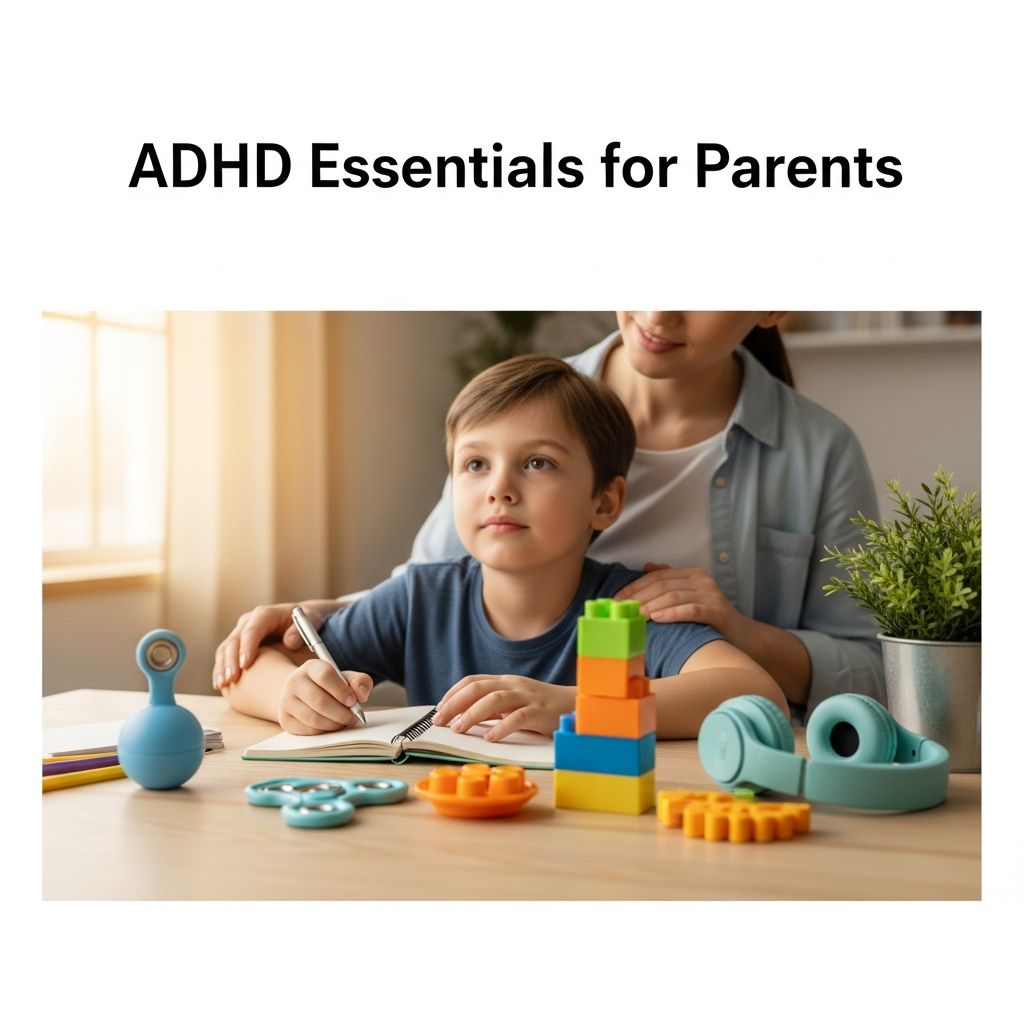
Attention-Deficit/Hyperactivity Disorder (ADHD) affects millions of children worldwide, influencing their ability to focus, control impulses, and manage energy levels. As a parent, recognizing and addressing ADHD early can significantly improve your child’s quality of life, academic success, and social interactions. This guide draws from authoritative health resources to provide clear, actionable insights into ADHD, empowering families to navigate challenges effectively.
Defining ADHD and Its Core Characteristics
ADHD is a neurodevelopmental disorder characterized by persistent patterns of inattention, hyperactivity, and impulsivity that interfere with daily functioning. These traits typically emerge before age 12 and can persist into adolescence and adulthood. Unlike typical childhood behaviors, ADHD symptoms are more intense, frequent, and disruptive across multiple settings like home, school, and social environments.
The disorder stems from differences in brain development and function, particularly in areas controlling executive functions such as planning, attention, and self-regulation. It is not caused by poor parenting, excessive sugar, or too much screen time, though environmental factors can exacerbate symptoms.
Prevalence and Who It Affects
Approximately 8.4% of children and 2.5% of adults in the U.S. have ADHD, with up to 10% of school-aged children impacted globally. Boys are diagnosed more frequently than girls, often due to externalizing behaviors like hyperactivity, while girls more commonly exhibit inattentive symptoms that may go unnoticed.
Symptoms evolve with age: young children display high energy and impulsivity; school-aged kids struggle with focus and organization; teens may show restlessness and risk-taking; adults experience inner turmoil like irritability and poor time management.
Recognizing the Three Main Types of ADHD
ADHD manifests in three primary presentations, based on dominant symptoms:
- Predominantly Inattentive: Difficulty sustaining attention, frequent careless mistakes, trouble organizing tasks, avoidance of mentally demanding activities, forgetfulness in daily life.
- Predominantly Hyperactive-Impulsive: Excessive fidgeting, inability to stay seated, running or climbing inappropriately, talking excessively, interrupting others, difficulty waiting.
- Combined: A mix of inattentive and hyperactive-impulsive symptoms, the most common type.
Diagnosis requires at least six symptoms (five for those over 16) in one or more categories persisting for six months, causing impairment in two or more settings, and not better explained by another condition.
Symptoms Across Developmental Stages
| Age Group | Common Symptoms | Impact Areas |
|---|---|---|
| Preschool (Under 6) | High energy, constant motion, interrupting, difficulty with quiet play | Daycare disruptions, early social issues |
| School-Age (6-12) | Inattention to details, daydreaming, fidgeting, blurting answers | Poor grades, peer conflicts, homework struggles |
| Teens (13+) | Restlessness, disorganization, risky behaviors like unsafe driving | Academic decline, substance risks, relationship strains |
| Adults | Chronic lateness, mood swings, job instability | Career challenges, marital issues |
This table illustrates how ADHD evolves, highlighting the need for age-appropriate interventions.
The Diagnostic Journey: Steps and Evaluations
Diagnosing ADHD involves a comprehensive evaluation by specialists like pediatricians, psychiatrists, or psychologists. No single test exists; instead, clinicians gather input from parents, teachers, and the child via interviews, rating scales, and behavioral observations.
- Review developmental history to confirm symptoms before age 12.
- Assess symptom severity across settings using standardized questionnaires.
- Rule out mimics like anxiety, learning disabilities, or sleep disorders through medical exams or further testing.
- Consider family history, as ADHD has a genetic component.
Early diagnosis is crucial, as untreated ADHD increases risks of low self-esteem, academic failure, and behavioral issues.
Proven Treatment Approaches
ADHD has no cure, but multimodal treatments effectively manage symptoms in 70-80% of cases. Options include:
- Medications: Stimulants (e.g., methylphenidate) boost dopamine and norepinephrine for better focus; non-stimulants offer alternatives with fewer side effects.
- Psychotherapy: Cognitive Behavioral Therapy (CBT) teaches coping skills; parent training builds management techniques.
- Behavioral Interventions: Reward systems, structured routines, and school accommodations like 504 plans or IEPs.
Combining medication with therapy yields the best outcomes, tailored to the child’s needs.
Practical Home Management Strategies
Parents play a pivotal role in daily management:
- Establish consistent routines with visual schedules.
- Break tasks into short segments (15-20 minutes) with breaks.
- Use clear, single-step instructions and positive reinforcement like praise charts.
- Limit distractions: designated quiet zones for homework.
- Promote physical activity and healthy sleep hygiene.
These strategies foster independence and reduce frustration.
Supporting Academic Success
Collaborate with schools via the Special Educational Needs Coordinator (SENCO) or equivalent for accommodations:
- Extra time on tests.
- Preferential seating near the teacher.
- Organizational aids like planners or apps.
Monitor progress through regular teacher meetings and adjust supports as needed.
Navigating Adolescence with ADHD
Teens face heightened risks like poor driving or substance use due to impulsivity. Focus on:
- Driving safety training and restrictions.
- Vocational counseling for career paths suiting strengths.
- Open discussions about peer pressure and mental health.
Many outgrow hyperactivity, but inattention persists, requiring ongoing support.
ADHD in Families: Long-Term Outlook
With proper management, children with ADHD thrive, leveraging strengths like creativity and resilience. Parental education reduces family stress and improves outcomes. Support groups via organizations like CHADD provide community.
Emerging therapies like cognitive training show promise for targeted skills but are adjuncts to standard care.
Frequently Asked Questions (FAQs)
Can ADHD be outgrown?
Symptoms often lessen in adulthood, but many retain challenges requiring management.
Is ADHD caused by diet or screens?
No; it’s primarily genetic and neurobiological, though lifestyle influences symptom severity.
How do I know if my child needs medication?
Discuss with a specialist; it’s most effective combined with behavioral strategies.
What if my child was overlooked due to gender?
Girls often present inattentively; advocate for thorough evaluations.
Are there natural remedies?
Some find omega-3s or mindfulness helpful, but evidence is limited; consult professionals.
References
- Attention-Deficit/Hyperactivity Disorder: What You Need to Know — National Institute of Mental Health (NIMH). 2023-05-01. https://www.nimh.nih.gov/health/publications/attention-deficit-hyperactivity-disorder-what-you-need-to-know
- ADHD in children and young people — National Health Service (NHS). 2024-08-15. https://www.nhs.uk/conditions/adhd-children-teenagers/
- What is ADHD? — American Psychiatric Association. 2024-06-20. https://www.psychiatry.org/patients-families/adhd/what-is-adhd
- ADHD Resource Center — American Academy of Child and Adolescent Psychiatry (AACAP). 2023-11-10. https://www.aacap.org/aacap/Families_and_Youth/Resource_Centers/ADHD_Resource_Center/Home.aspx
- Understanding ADHD — CHADD. 2024-02-28. https://chadd.org/understanding-adhd/