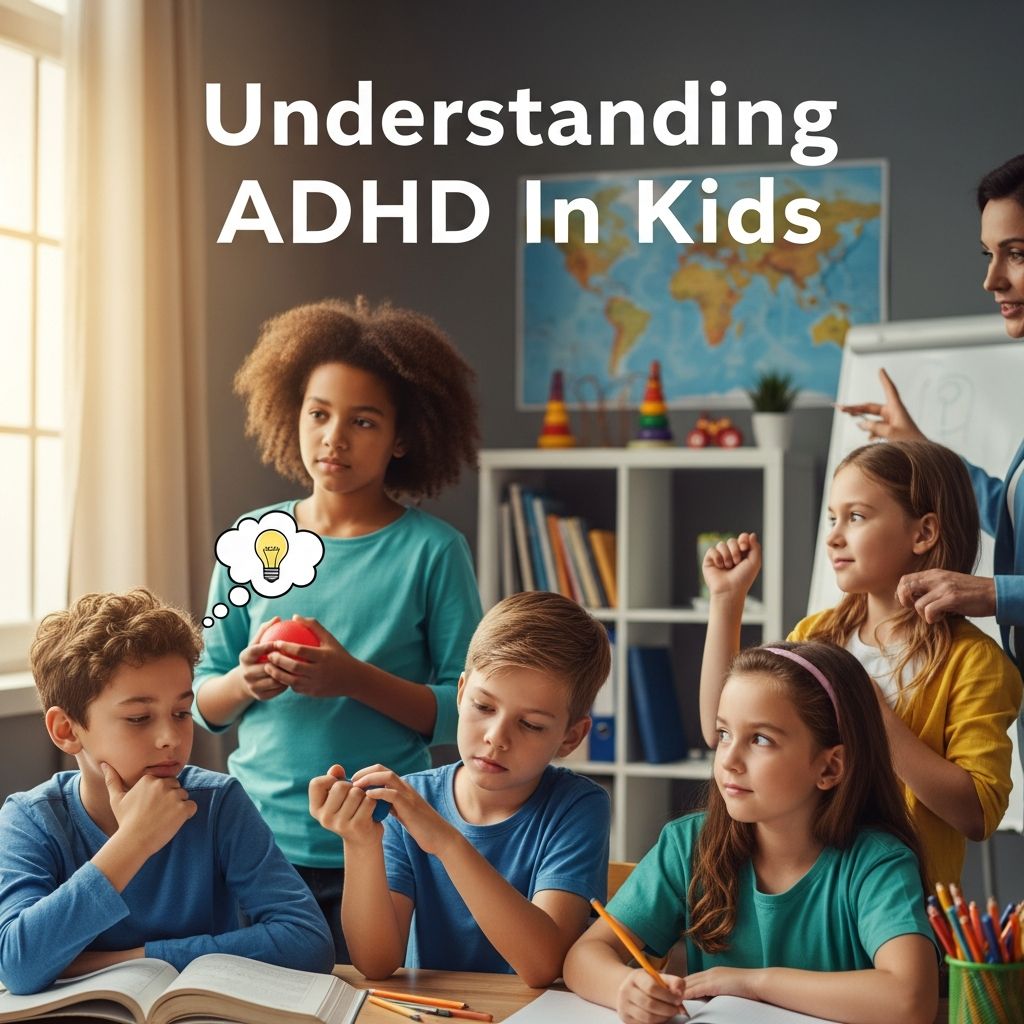
Attention-Deficit/Hyperactivity Disorder (ADHD) affects how children focus, behave, and control impulses, impacting daily life at home, school, and with friends. Recognizing it early helps kids get the support they need to succeed.
Recognizing the Core Signs of ADHD
ADHD shows through patterns of inattention, hyperactivity, and impulsivity that go beyond typical childhood energy. These signs often appear before age 12 and persist across settings like home and school.
Challenges with Focus and Attention
Children may struggle to stay on task, often making careless errors in work or play. They might seem not to listen, lose items frequently, or avoid activities needing prolonged effort.
- Daydreaming frequently during lessons or conversations
- Difficulty organizing belongings or time
- Forgetting daily routines like homework or chores
High Energy and Restless Behavior
Hyperactivity involves excessive movement, like fidgeting or inability to sit still. Kids might run around inappropriately or feel constantly ‘on the go.’
- Squirming in seats or tapping hands/feet
- Talking excessively or blurting answers
- Climbing or running in unsuitable situations
Acting on Impulse
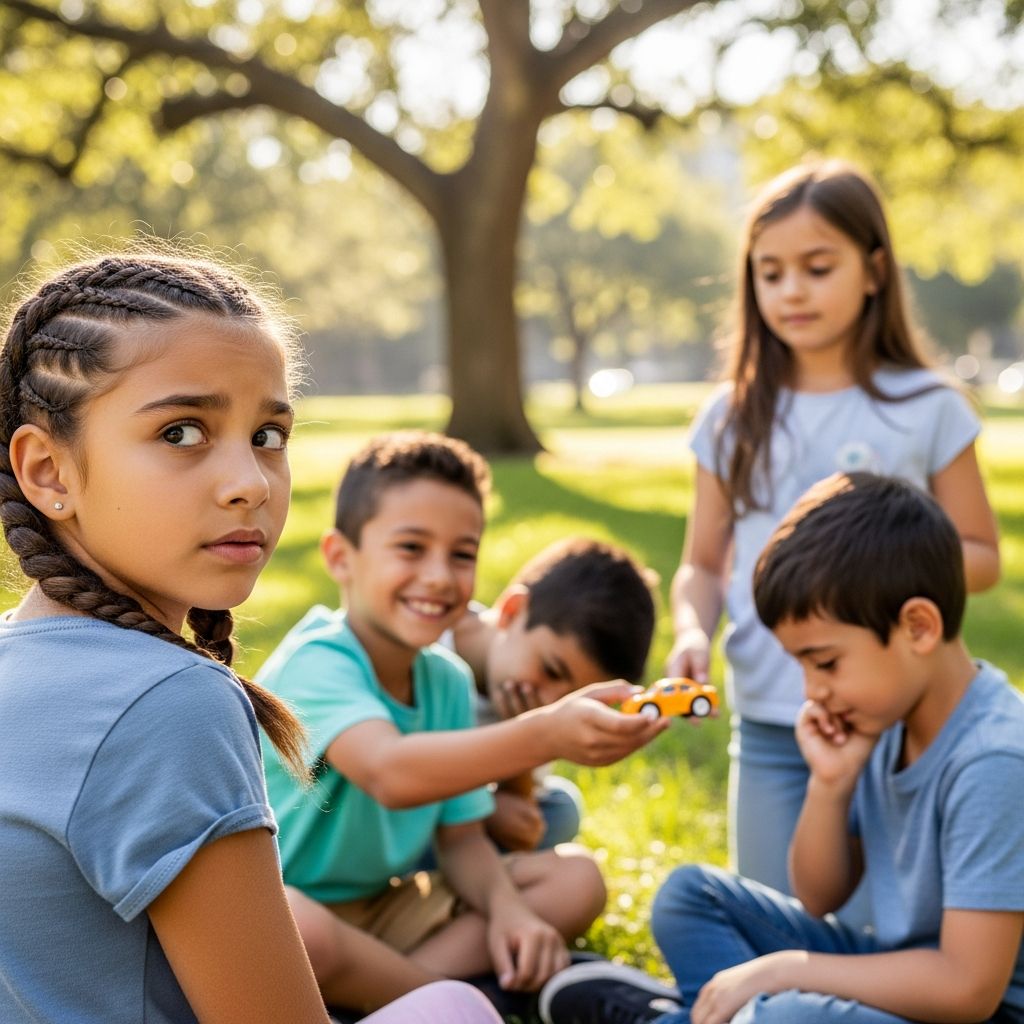
Impulsivity means reacting without thinking, leading to interruptions or trouble waiting turns. This can strain friendships and safety.
- Interrupting games or talks
- Taking risks without considering consequences
- Difficulty sharing or lining up
Types of ADHD: Different Presentations
ADHD manifests in three main types based on dominant symptoms, though many kids show a mix that can shift over time.
| Type | Main Symptoms | Common Challenges |
|---|---|---|
| Predominantly Inattentive | Trouble focusing, forgetful, disorganized | Schoolwork struggles, overlooked in girls |
| Predominantly Hyperactive-Impulsive | Fidgeting, interrupting, restless energy | Disruptive in class, peer conflicts |
| Combined | Mix of inattention and hyperactivity | Broad impacts on learning and behavior |
The inattentive type is subtler, often undiagnosed until later, while hyperactive types draw quicker attention.
When Do These Signs Indicate ADHD?
Not all energetic or distracted kids have ADHD; symptoms must be consistent, severe, and disruptive in multiple environments. They differ from normal development, especially under age 5, where high energy is common.
- Symptoms start early, often by age 3-4, peaking diagnosis around 8-10
- Cause real problems in friendships, grades, or family life
- Not better explained by sleep issues, anxiety, or stress
How Professionals Diagnose ADHD
Diagnosis involves no single test but a full evaluation by doctors, using parent/teacher reports, behavior scales, and ruling out other conditions like learning disabilities (affecting 20-60% of ADHD kids).
- Review symptoms in detail across settings
- Assess history: At least 6 symptoms per category for diagnosis
- Check for co-occurring issues like anxiety or mood swings
Tools include rating scales from DSM criteria. Girls may be underdiagnosed due to inattentive symptoms.
Treatment Approaches That Work
A combo of strategies helps most kids manage ADHD effectively. Medication and behavior therapy are evidence-based mainstays.
Medications for Brain Chemistry Balance
Stimulants like methylphenidate boost focus by adjusting dopamine/norepinephrine. Non-stimulants are alternatives. About 80% respond well, with monitoring for side effects. (Note: Consult pediatricians; this is general info.)
Behavior Therapy and Skills Training
Therapy teaches organization, impulse control, and rewards good behavior. Parent training programs improve home dynamics.
- School accommodations: Extra time on tests, quiet spaces
- Social skills groups for peer interactions
Lifestyle Changes for Better Days
Daily routines, exercise, healthy sleep, and limited screens support brain health. Consistent schedules reduce chaos.
Supporting Your Child at Home
Parents play a key role by creating structure and positivity. Short, clear instructions and positive reinforcement build confidence.
- Break tasks into small steps with timers
- Use charts for chores and rewards
- Encourage physical activity to burn energy
- Model calm responses to frustration
Communicate openly with teachers for united support. Avoid blame; focus on strengths like creativity.
ADHD at School: Partnering for Success
Schools offer IEPs or 504 plans for accommodations. Teachers can use visual aids, movement breaks, and seating choices.
| Strategy | Benefit |
|---|---|
| Pre-teach lessons | Builds focus before class |
| Fidget tools | Channels hyperactivity |
| Daily report cards | Tracks progress home |
Growing Up with ADHD: Long-Term Outlook
Symptoms often evolve; hyperactivity may lessen in teens, but inattention persists, affecting organization. Early intervention boosts outcomes—many thrive as adults in creative fields.
Co-occurring issues like anxiety or learning challenges need addressing. With tools, kids build resilience.
Frequently Asked Questions (FAQs)
Can girls have ADHD too?
Yes, but inattentive types in girls are often missed as they seem quieter.
Does ADHD go away?
Symptoms can change, but many continue into adulthood; management improves life.
Is ADHD caused by bad parenting?
No, it’s neurobiological, influenced by genetics and brain differences.
What if my child has some signs?
Talk to a pediatrician for evaluation; early help matters.
Are medications safe for kids?
When monitored, yes; they help most without long-term harm.
Empowering Kids with ADHD
ADHD brings challenges but also strengths like high energy and innovative thinking. With understanding, treatment, and support, children can excel. Celebrate progress and seek professional guidance.
References
- Recognizing ADHD Symptoms in Children — Portland Pediatric. 2023. https://www.portlandpediatric.com/recognizing-adhd-symptoms-in-children/
- Attention-deficit/hyperactivity disorder (ADHD) in children – Mayo Clinic — Mayo Clinic. 2024-01-25. https://www.mayoclinic.org/diseases-conditions/adhd/symptoms-causes/syc-20350889
- Symptoms of ADHD | CDC — Centers for Disease Control and Prevention. 2024. https://www.cdc.gov/adhd/signs-symptoms/index.html
- ADHD in children and young people – NHS — National Health Service. 2023-10-23. https://www.nhs.uk/conditions/adhd-children-teenagers/
- Attention-Deficit/Hyperactivity Disorder: What You Need to Know — National Institute of Mental Health. 2023-08-07. https://www.nimh.nih.gov/health/publications/attention-deficit-hyperactivity-disorder-what-you-need-to-know
- Attention-Deficit/Hyperactivity Disorder (ADHD) – Pediatrics — Merck Manuals. 2024. https://www.merckmanuals.com/professional/pediatrics/learning-and-developmental-disorders/attention-deficit-hyperactivity-disorder-adhd