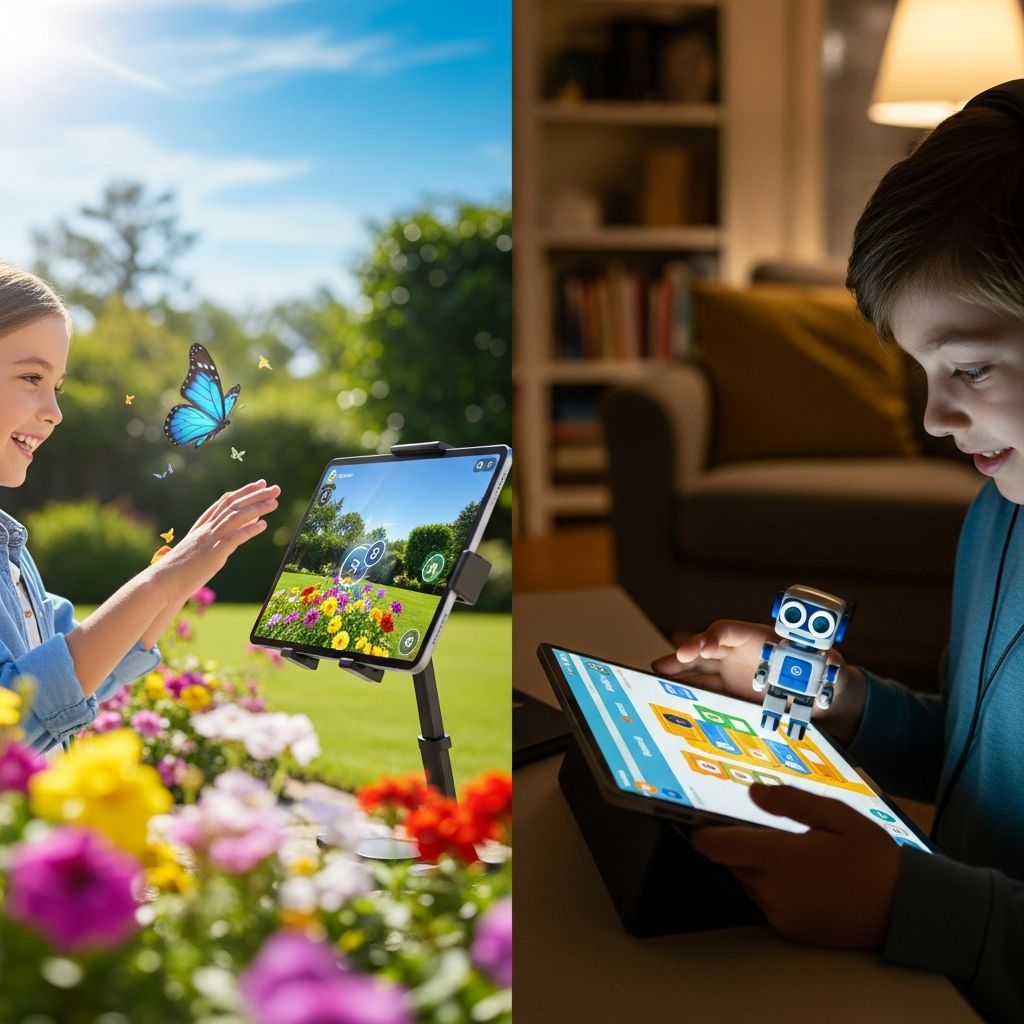
Digital devices have become fixtures in modern childhood, sparking debates about their impact on young minds and bodies. While excessive passive consumption like endless video streaming raises valid concerns, active screen time offers substantial upsides when approached thoughtfully. This form of engagement involves interactive, purposeful activities that stimulate thinking, movement, or creation, turning screens into tools for growth rather than mere distractions. Research consistently shows that the nature of screen use—rather than sheer duration—determines outcomes, with active pursuits linked to enhanced learning, physical health, and emotional resilience.
Defining Active Versus Passive Digital Engagement
To harness benefits, parents must distinguish between passive and active screen activities. Passive use entails one-way consumption, such as watching television shows, scrolling social feeds, or playing mindless games that require minimal input. These often correlate with issues like reduced attention spans, mood dips, and sedentary habits. In contrast, active screen time demands participation: cognitive challenges like puzzle-solving apps or coding platforms, or physical ones via motion-based games that mimic real-world exercise.
A University of Michigan analysis of children aged 4-11 revealed that usage style predicts emotional and social well-being more than time spent online. Similarly, studies categorize active use into physical (e.g., dance apps) and cognitive (e.g., story-building tools), both yielding positive effects. By prioritizing these, families can mitigate risks and amplify developmental gains.
Boosting Physical Health Through Motion-Integrated Tech
One of the most compelling advantages lies in promoting physical activity. Traditional worries paint screens as sedentary traps, yet interactive games counteract this effectively. Systems like motion-sensing consoles or augmented reality apps (e.g., location-based adventures) elevate heart rates comparable to brisk walking or light jogging.
Research from peer-reviewed sources indicates active video games acutely increase moderate-to-vigorous activity levels, especially beneficial post-age 3 when children thrive on fun, imitative formats. A study highlighted short-term boosts in light physical exertion, making these ideal for indoor days or limited outdoor access. Apps guiding yoga sequences or dance challenges further blend fun with fitness, fostering coordination and endurance without leaving home.
| Activity Type | Physical Benefits | Example Apps/Games |
|---|---|---|
| Motion-Controlled Gaming | Increased heart rate, balance improvement | Augmented reality explorers, dance simulators |
| Fitness Tutorials | Flexibility, strength building | Yoga for kids, follow-along workouts |
| Virtual Sports | Coordination, agility | Table tennis sims, obstacle courses |
These tools not only combat inactivity but also instill lifelong movement habits, crucial as childhood obesity rates hover amid digital proliferation.
Enhancing Cognitive and Academic Growth
Active screens excel in sharpening intellect. Educational platforms targeting math, reading, or science through gamified challenges build problem-solving and retention skills. Quality programs from age 2 onward support language acquisition and literacy via interactive narratives, outperforming passive viewing when paired with adult involvement.
Australian research on over 4,000 children found educational screen categories most advantageous, fostering digital literacy, critical thinking, and goal-setting. Interactive apps with immediate feedback—especially co-viewed—strengthen memory and attention, bridging virtual lessons to real-world application. For instance, coding interfaces teach logic sequentially, mirroring computational thinking vital for future careers.
- Math Drills: Adaptive puzzles scaling difficulty for mastery.
- Language Apps: Storytelling with voice recognition for pronunciation.
- Science Sims: Virtual labs experimenting safely with variables.
Oxford analyses of vast adolescent cohorts affirm typical use poses no developmental harm, with structured activities even bolstering academic prowess.
Fostering Creativity and Self-Expression
Screens unlock boundless creative outlets. Digital art suites, music composers, and video editors empower kids to invent without material limits. Producing blogs, animations, or podcasts hones narrative skills and originality, transforming consumers into creators.
Studies link these pursuits to imaginative play boosts, akin to traditional arts but amplified by collaboration features. Children explore global reader communities via e-books or craft multimedia tales, nurturing empathy through diverse perspectives. Such engagement correlates with resilience and resourcefulness, as iterative design teaches perseverance.
Strengthening Social Bonds Digitally
Far from isolating, active screens facilitate connections. Multiplayer games promote teamwork, while video chats sustain family ties across distances. Collaborative platforms teach negotiation and empathy in virtual realms, mirroring real interactions.
Research counters isolation myths, showing shared online experiences enhance communication. For remote relatives, these tools maintain emotional links, vital in fragmented modern families. Parental co-engagement during sessions further amplifies social-emotional learning.
Practical Strategies for Parents
Implementing active screen time requires intention. Curate content using ratings systems, favoring educational over commercial fare. Co-view and discuss, linking digital to tangible experiences for deeper comprehension. Set boundaries blending screens with offline play.
- Assess age-appropriateness: Toddlers benefit from short, interactive bursts.
- Monitor balance: Aim for quality sessions amid varied activities.
- Involve family: Joint play builds bonds and models healthy use.
- Track progress: Note skill gains to refine choices.
Tools like mindfulness apps or empathy-building games round out holistic benefits, supporting mental well-being.
Frequently Asked Questions
What age is ideal for starting active screen time?
From age 2 with supervision, focusing on interactive, educational content; increase complexity as they grow.
How much active screen time is recommended daily?
1-2 hours for school-age kids, emphasizing quality over quantity per guidelines; adjust by individual needs.
Can active screens replace outdoor play?
No, they complement it; motion games add variety but real-world activity remains essential.
Does co-viewing really enhance benefits?
Yes, adult interaction boosts retention, language, and critical thinking significantly.
Are there risks with active screen overuse?
Balance prevents fatigue; monitor for signs like irritability and enforce breaks.
By shifting to active paradigms, parents empower children to thrive digitally. Evidence underscores screens as allies when wielded wisely, cultivating agile, creative thinkers ready for tomorrow’s world.
References
- The Surprising, Research-Backed Benefits of Active Screen Time — EdSurge. 2019-03-01. https://www.edsurge.com/news/2019-03-01-the-surprising-research-backed-benefits-of-active-screen-time
- Screen time and young children: Promoting health and development — PMC (National Library of Medicine). 2018-02-13. https://pmc.ncbi.nlm.nih.gov/articles/PMC5823000/
- Screen Time for Kids: The Research Parents Need to Know — Nurture Academy. Recent (post-2020). https://nurture.is/academy/the-parents-guide-to-screen-time-for-kids-what-research-reveals/
- Benefits of Screen Time for Children — Rachelle Dene Poth (rdene915.com). 2024-05-03. https://rdene915.com/2024/05/03/benefits-of-screen-time-for-children/
- The benefits of screen time for children — Explore Learning. Recent. https://www.explorelearning.co.uk/free-resources/screen-time-benefits/