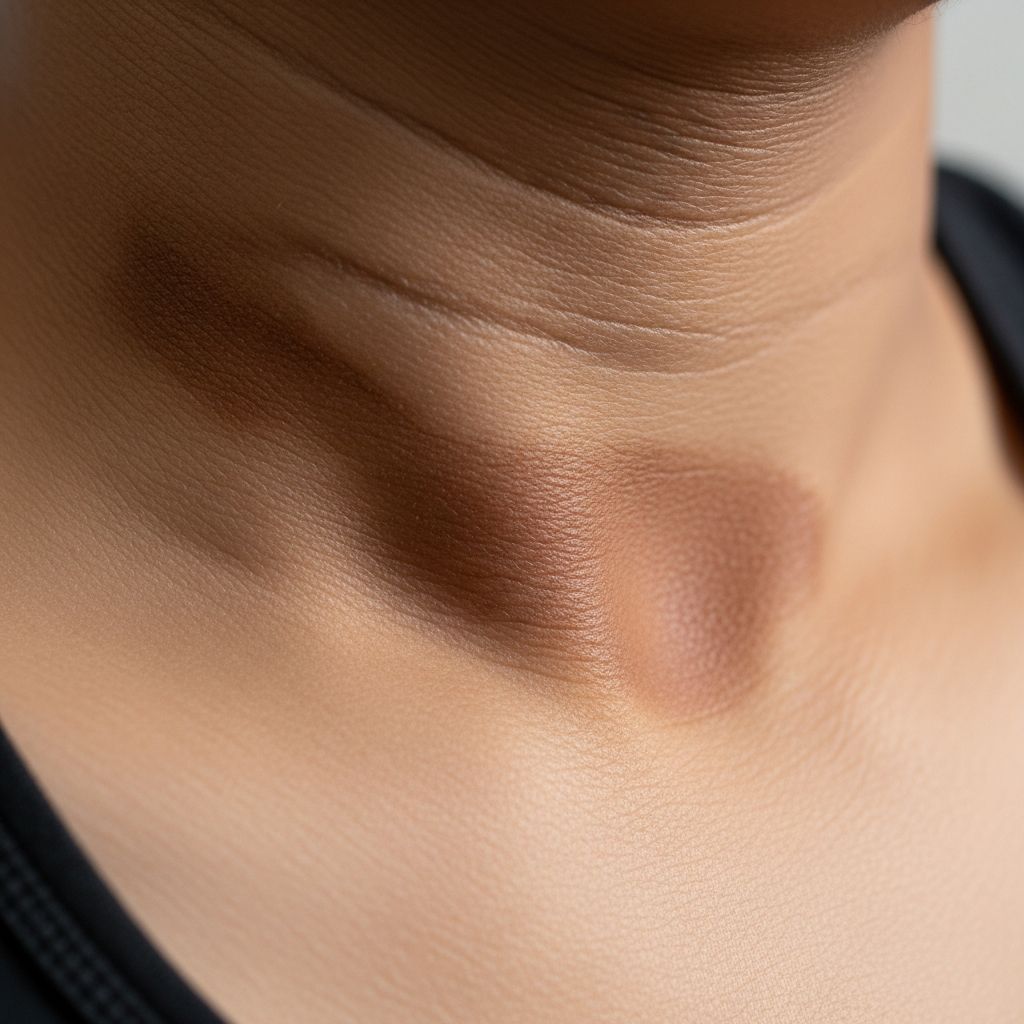
Acanthosis nigricans is a medical term for a specific type of skin change that often appears during childhood or the teen years. It shows up as darker, thicker, and sometimes slightly raised patches, usually in areas where the skin folds or rubs together, such as the back of the neck, under the arms, or in the groin. These patches are not infections or “dirt,” but they can be an important early clue about how the body is using insulin and processing sugar.
What Exactly Is Acanthosis Nigricans?
Acanthosis nigricans (often shortened to AN) is a skin change that happens when skin cells in the top layer of the skin grow more quickly than usual and make extra pigment. This leads to areas that look darker than the surrounding skin and may feel velvety, smooth, or slightly rough to the touch. The color can range from light brown to very dark brown or gray-black, depending on a person’s natural skin tone.
AN itself is not dangerous, contagious, or a type of skin cancer. Instead, it acts like a visible signal that something else may be going on inside the body, most commonly related to hormones, weight, or how the body responds to insulin. For many teens, it is one of the earliest outward signs of insulin resistance, a condition in which the body’s cells do not respond well to insulin.
Where Do These Dark Patches Usually Appear?
The most common places for acanthosis nigricans are areas where the skin folds or experiences friction. These zones tend to stay warmer and more moist, which can make the changes more noticeable. Some people notice just a few small patches, while others have larger areas that spread over time.
Typical locations include the back and sides of the neck, the armpits, skin folds of the abdomen, and the groin area. Less commonly, patches can appear on the elbows, knees, knuckles, under the breasts, or around the belly button. Very rarely, AN can show up on the lips, palms, or other unusual areas, which usually calls for a careful medical evaluation.
| More Common Areas | Less Common Areas | What Teens Might Notice |
|---|---|---|
| Back and sides of the neck | Elbows, knees, and knuckles | Skin looks darker and feels thicker than nearby skin |
| Armpits | Under the breasts or chest folds | Patches may look like they will not wash off with soap |
| Groin and inner thighs | Abdomen folds, belly button area | Occasional mild itch or sensitivity, but often no pain |
Why Does Acanthosis Nigricans Happen?
In many teens, acanthosis nigricans is linked to higher-than-normal levels of insulin in the blood. Insulin is the hormone that helps move sugar from the bloodstream into the cells, where it can be used for energy. When cells stop responding well to insulin, the body produces more and more of it in an attempt to keep blood sugar under control. This state is called insulin resistance.
High insulin levels can stimulate skin cells in certain areas to grow faster and make extra pigment, which leads to the darker, thicker patches seen in AN. Because of this, acanthosis nigricans is often considered a visible early warning sign that a teen may be at increased risk for type 2 diabetes or other metabolic problems in the future, especially if it appears along with excess weight, a strong family history of diabetes, or other risk factors.
Other Possible Triggers
Although insulin resistance and weight-related issues are the most common causes, acanthosis nigricans can sometimes occur for other reasons. Certain hormone imbalances, such as those involving the thyroid glands or adrenal glands, may contribute. In some cases, AN runs in families, meaning a teen may develop it even if their weight and blood sugar are normal.
Some medications, such as high-dose steroids, certain hormone treatments, or medications that affect how the body processes insulin, can also lead to AN. Very rarely, especially in adults, acanthosis nigricans can be linked to cancer inside the body, but this is extremely uncommon in children and teenagers.
Who Is More Likely to Develop It?
Anyone can develop acanthosis nigricans, but some people have a higher chance than others. Teens who have overweight or obesity are at increased risk because extra weight often goes hand in hand with insulin resistance. When the body has to work harder to keep blood sugar stable, insulin levels may rise, and the skin changes may appear over time.
Teens with a strong family history of type 2 diabetes, polycystic ovary syndrome (PCOS), or other metabolic conditions are also more likely to develop AN. It is seen more frequently in people with darker skin tones, including many Black, Hispanic/Latino, Native American, and Asian teens, although it can appear in any ethnic group.
- Having overweight or obesity during childhood or adolescence.
- Family history of type 2 diabetes or insulin resistance.
- Polycystic ovary syndrome (PCOS) or irregular periods in teen girls.
- Use of certain medications that interfere with insulin or hormones.
- Family members who also have similar dark patches on the neck or in skin folds.
What Does Acanthosis Nigricans Feel Like?
For most teens, acanthosis nigricans does not hurt. The skin may feel slightly thicker, smoother, velvety, or a bit rough, but it usually does not cause pain. Some people notice mild itching or sensitivity, especially in warm weather or after sweating, but intense itching, burning, or pain is unusual and should be checked out by a health professional.
The main impact of AN is often emotional rather than physical. Teens may worry that the patches look like poor hygiene, which can be embarrassing, especially if the skin changes are noticeable around the neck or arms. Understanding that AN is a medical sign rather than a cleanliness issue can be very reassuring and can help reduce shame or self-blame.
How Doctors Diagnose Acanthosis Nigricans
Diagnosis usually starts with a simple skin exam. A doctor or nurse looks at the affected areas, feels the texture, and asks about when the patches first appeared, whether they have changed, and if there are any other symptoms like weight changes, thirst, frequent urination, or irregular periods. In most cases, the pattern and appearance of the patches are enough to recognize AN.
Since acanthosis nigricans can signal other health issues, a doctor may order tests to check blood sugar, insulin levels, cholesterol, and sometimes hormone levels. These tests help identify whether insulin resistance, prediabetes, or other conditions are present. Very rarely, if the diagnosis is uncertain or the patches look unusual, a small skin sample (biopsy) may be taken, but this is not needed in most teens.
Can Acanthosis Nigricans Be Treated?
There is no single “magic cream” that cures acanthosis nigricans overnight, because it is usually a sign of an underlying issue rather than a problem with the skin alone. The most effective approach is to address the root cause. For teens with insulin resistance or weight-related AN, this often means working on gradual, sustainable changes in nutrition, movement, and overall lifestyle to help the body use insulin more effectively.
When the underlying problem improves, the patches may gradually fade, soften, or become less noticeable over time. This process can take months or years, and some discoloration may remain. In the meantime, dermatologists or pediatricians may recommend specific lotions or creams that gently remove excess skin, lighten discoloration, or smooth the texture.
Types of Treatments Your Doctor May Suggest
- Moisturizers and keratolytic creams that soften and thin thickened skin.
- Topical retinoids that encourage skin cell turnover and help fade discoloration.
- Prescription creams that target pigment production in the affected areas.
- Occasionally, treatments like chemical peels or laser therapy for stubborn patches.
These treatments need to be used exactly as directed, because the skin in folds is often more delicate and can become irritated if products are too strong or overused. Teens should never use harsh bleaching products or home remedies without medical advice, as these can cause burns, scarring, or worsening discoloration.
Healthy Habits That Support Your Skin and Metabolism
Because acanthosis nigricans often reflects how the body handles insulin and sugar, lifestyle habits can make a significant difference. The goal is not rapid weight loss but long-term health: stronger muscles, better energy, more stable blood sugar, and a more confident relationship with food and movement. Even small changes, if kept up over time, can improve insulin sensitivity and gradually reduce the visibility of AN.
Working with a doctor, dietitian, or other health professional can help create a plan that fits a teen’s culture, schedule, and preferences. Instead of strict diets, the focus is usually on building balanced meals, cutting back on sugary drinks, and staying active in ways that feel enjoyable and realistic.
Food Choices That Help
- Choosing water or unsweetened drinks instead of soda, sports drinks, or large amounts of juice.
- Filling half the plate with vegetables and fruits at most meals.
- Picking whole grains (like brown rice, oats, or whole wheat bread) more often than refined grains.
- Including lean proteins such as beans, lentils, fish, eggs, or poultry.
- Limiting fast food and highly processed snacks to occasional treats instead of daily habits.
Movement and Daily Routine
- Aim for regular physical activity most days of the week, such as walking, dancing, biking, or sports.
- Reduce long stretches of sitting by taking short movement breaks during homework or screen time.
- Protect skin folds during exercise by wearing breathable clothing and gently washing and drying the folds afterward.
- Get enough sleep, since poor sleep can affect hormones related to appetite and insulin.
Emotional Well-Being and Body Image
Seeing dark patches on visible areas like the neck can be stressful, especially during the teen years when appearance and peer opinions can feel very important. Some teens may avoid wearing certain clothes, feel ashamed about being seen in gym class, or worry that others will assume they are “dirty.” These feelings are understandable but based on a misunderstanding of what AN really is.
It can help to remember that acanthosis nigricans is a medical sign, not a reflection of character, hygiene, or worth. Talking to trusted adults, friends, or mental health professionals about body image concerns can make it easier to cope. Schools, families, and healthcare providers can support teens by focusing on health rather than blaming weight and by celebrating progress in behaviors rather than appearance alone.
When to See a Doctor and What to Ask
Any new, unexplained skin change is a reason to talk to a healthcare provider, especially if it appears quickly, spreads fast, or looks very different from the rest of the skin. Teens who notice dark, velvety patches on the neck, armpits, or other skin folds should mention them at a routine checkup or make an appointment. Parents and caregivers can help by taking photos over time to track changes.
During the visit, it can be useful to ask specific questions, such as whether blood tests for blood sugar, insulin, or cholesterol are recommended, whether any medications could be contributing, and what lifestyle steps are most important to focus on first. If a teen is already living with conditions like PCOS, prediabetes, or obesity, asking how acanthosis nigricans fits into the overall treatment plan can provide clarity.
- “Is this definitely acanthosis nigricans, or could it be something else?”
- “Do I need blood tests to check for diabetes or insulin resistance?”
- “Are any of my medications possibly linked to these skin changes?”
- “What are the top three lifestyle changes that would help my health right now?”
- “Are there safe creams or treatments to make the patches less noticeable?”
Frequently Asked Questions About Acanthosis Nigricans
Is acanthosis nigricans contagious?
No. The patches are not caused by germs and cannot be spread from person to person by touching, sharing towels, or using the same shower. AN is a change in the way the skin grows in certain areas, often related to hormones and insulin, not an infection.
Will washing or scrubbing make the patches go away?
No. Because the skin itself is thicker and more pigmented, scrubbing will not remove the patches and may actually irritate or damage the skin. Gentle cleansing with mild soap and water is enough to keep the area clean. Over-scrubbing can cause redness, soreness, or even scarring without improving the discoloration.
Can acanthosis nigricans turn into cancer?
In children and teenagers, acanthosis nigricans itself is almost always a non-cancerous skin condition. In adults, a sudden, severe form of AN can sometimes be linked to cancers inside the body, but this is extremely rare in younger people. If patches appear very quickly, spread widely, or are accompanied by unexplained weight loss or other serious symptoms, a doctor will look more closely for underlying causes.
Will the patches ever disappear?
Many teens see their patches fade or become less noticeable when underlying issues like insulin resistance and excess weight are addressed. This process can take time, and results vary from person to person. Some mild discoloration may remain even after health improves, but medical treatments and lifestyle changes together often lead to visible improvement.
Do only people with overweight get acanthosis nigricans?
No. While AN is more common in people with overweight or obesity, it can appear in people of any body size. Some teens with normal weight develop AN due to genetic factors, hormone imbalances, or certain medications. That is why a medical evaluation is important even if weight does not seem to be an obvious issue.
Is it my fault that I have acanthosis nigricans?
No. AN is influenced by genes, hormones, environment, and many factors that are not under a teen’s direct control. Blame and shame do not improve health; instead, focusing on realistic, supportive changes and getting guidance from healthcare professionals can help the body and skin over time.
Key Takeaways for Teens and Families
- Acanthosis nigricans is a skin sign that often points to how the body is handling insulin and sugar.
- The patches are not caused by poor hygiene and cannot be scrubbed away or spread to others.
- Early recognition gives teens and families a chance to make changes that support long-term health, especially around food choices, physical activity, and medical follow-up.
- Working with healthcare professionals can help identify the underlying cause and choose safe treatments that respect both physical and emotional well-being.