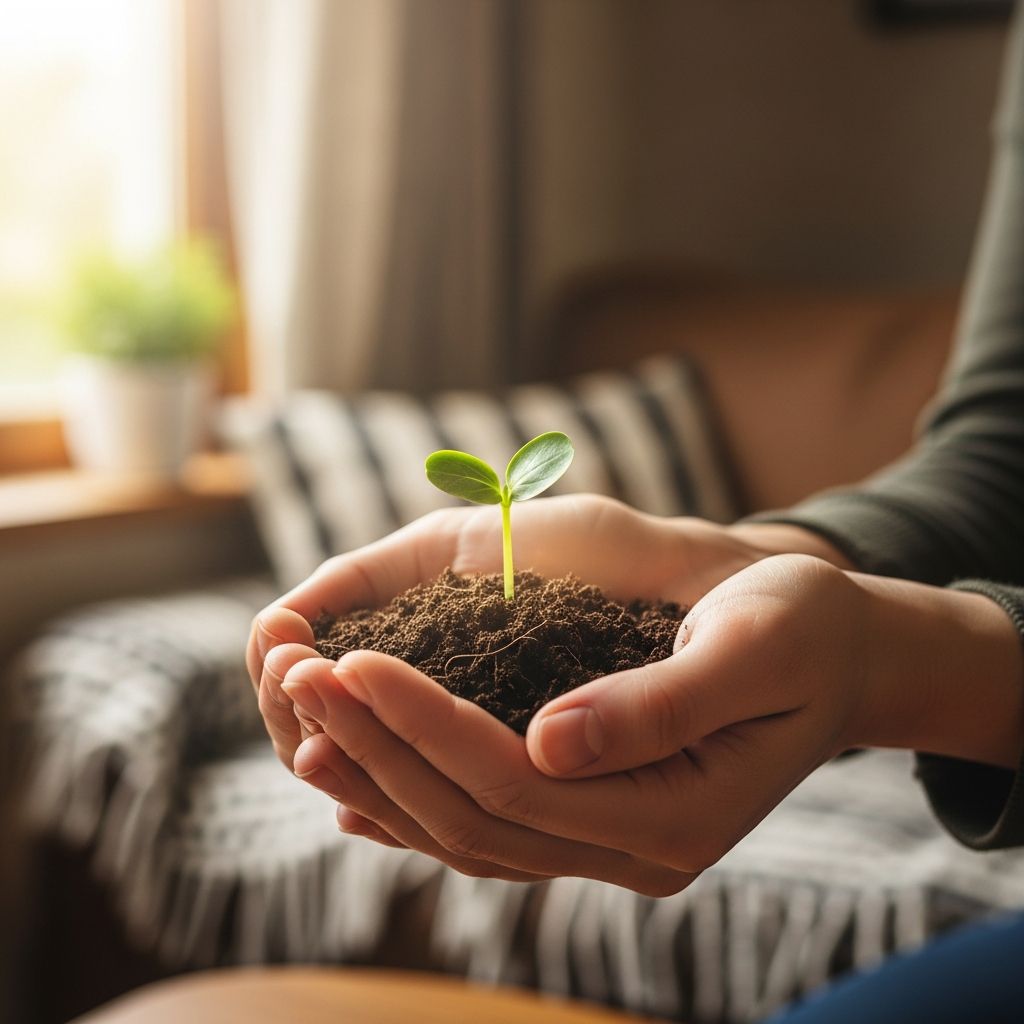
Engaging in small, intentional practices can profoundly impact your overall health by addressing multiple facets of life. These acts promote resilience against stress and cultivate a sense of fulfillment.
Building a Foundation with Physical Nurturing
Physical self-care forms the cornerstone of well-being, influencing energy levels, mood, and cognitive function. Regular movement, such as walking or yoga, enhances sleep quality and reduces anxiety, while balanced nutrition supports brain health.
To integrate this into your routine:
- Start your day with a glass of water and light stretching to hydrate and awaken your body.
- Aim for 7-9 hours of sleep by establishing a consistent bedtime ritual, like dimming lights an hour before rest.
- Incorporate nutrient-dense meals, focusing on whole foods like fruits, vegetables, and lean proteins.
- Spend 20-30 minutes outdoors daily to absorb natural vitamin D and connect with fresh air.
These habits not only strengthen the body but also create a stable base for emotional and mental health.
Cultivating Mental Clarity and Focus
Mental self-care sharpens the mind through activities that stimulate growth and reduce overload. Learning new skills or engaging in puzzles keeps cognitive functions agile and boosts confidence.
| Activity | Benefits | Time Commitment |
|---|---|---|
| Reading personal development books | Expands perspectives and inspires motivation | 15-30 minutes daily |
| Practicing puzzles or chess | Improves problem-solving and concentration | 10-20 minutes |
| Digital detox periods | Lowers screen-related stress | 1 hour evening break |
| Learning a language or skill | Builds accomplishment and neural pathways | 20 minutes via apps |
Consistency in these practices leads to sustained mental sharpness and a greater sense of purpose.
Embracing Emotional Resilience
Emotional self-care involves processing feelings constructively to foster self-acceptance. Journaling clarifies thoughts, while affirmations reinforce positive self-view.
- Dedicate time to solo reflection without distractions to tune into your inner state.
- Write daily entries about emotions, noting triggers and responses for better awareness.
- Use affirmations like “I am capable and deserving of peace” to rewire negative patterns.
- Allow space for tears or expression as a healthy release mechanism.
These steps build emotional intelligence, enabling healthier responses to life’s challenges.
Fostering Meaningful Social Connections
Social self-care replenishes through genuine interactions, combating isolation. Prioritizing time with supportive people strengthens bonds and provides emotional buffers.
Practical ways to nurture relationships:
- Schedule distraction-free hangouts, like coffee chats with friends.
- Send appreciative messages highlighting why someone matters to you.
- Set boundaries with draining influences to protect your energy.
- Join community groups aligned with interests for organic connections.
Regular outreach sustains networks that offer joy and aid during tough times.
Deepening Spiritual Harmony
Spiritual self-care connects you to a larger sense of meaning, often through introspection or nature. Practices like meditation ground the spirit and enhance inner peace.
- Practice breathwork or guided meditation for 10 minutes to center your thoughts.
- Reflect on core values through journaling to align daily actions.
- Engage in yoga or walks in natural settings to feel grounded.
- Cultivate gratitude by listing three daily positives.
These rituals provide purpose and tranquility amid daily demands.
Professional and Environmental Balance
Beyond personal realms, professional self-care prevents burnout by setting work limits, while environmental care creates supportive surroundings.
For work-life harmony:
- Define clear end-of-day routines to transition from professional to personal time.
- Pursue growth through targeted goals without overcommitting.
Environmentally, declutter spaces and incorporate plants for calming atmospheres that aid relaxation.
Financial Stewardship as Self-Care
Managing finances thoughtfully reduces anxiety and empowers future security. Track spending mindfully and set small savings goals to build confidence.
- Review budgets weekly to align with priorities.
- Automate small savings transfers for effortless progress.
This domain ensures stability, freeing mental space for other joys.
Daily Routines for Lasting Habits
Transforming acts into routines requires structure. Start small, schedule slots, and track progress for momentum.
- Assess needs across dimensions weekly.
- Select 2-3 activities per category.
- Pair with existing habits, like mindfulness post-meal.
- Adjust based on energy levels for sustainability.
Consistency yields compounding benefits, turning self-care into a lifestyle.
Overcoming Common Barriers
Time scarcity or guilt often hinders progress. Counter by prioritizing 15-minute slots and reframing self-care as essential maintenance, not indulgence.
Seek accountability through apps or partners, and celebrate small wins to maintain motivation.
Frequently Asked Questions
What if I lack time for self-care?
Begin with micro-habits like deep breathing during commutes; scale up as routines form.
How do I choose the right activities?
Experiment across categories and note what energizes you most.
Is professional help part of self-care?
Yes, therapy complements personal efforts for deeper issues.
Can self-care improve relationships?
Absolutely, as balanced individuals connect more authentically.
How soon will I notice benefits?
Many report reduced stress within weeks of daily practice.
References
- 7 Tips for Practicing Self-Care — Turning Point Care. 2023-05-15. https://turningpointcare.com/blog/7-tips-for-practicing-self-care/
- Strategies for Self-Care — American Society of Transplantation. 2024-02-10. https://www.myast.org/caregiver-toolkit/strategies-self-care
- 8 Areas of Self Care and How to Practice Them — Rocky Vista Health Center. 2023-11-20. https://www.rockyvistahc.com/8-areas-of-self-care-and-how-to-practice-them
- Guide to Self-Care Practices and Their Importance for Mental Health — Monarch NC. 2024-01-08. https://monarchnc.org/guide-to-self-care-practices-and-their-importance-for-mental-health/
- 50 Self-Care Activities to Do When You Don’t Know Where to Start — Mental Health America. 2023-09-12. https://screening.mhanational.org/content/50-self-care-activities-to-do-when-you-dont-know-where-to-start/
- How and Why to Practice Self-Care — Mental Health First Aid. 2024-03-05. https://mentalhealthfirstaid.org/news/how-and-why-to-practice-self-care/