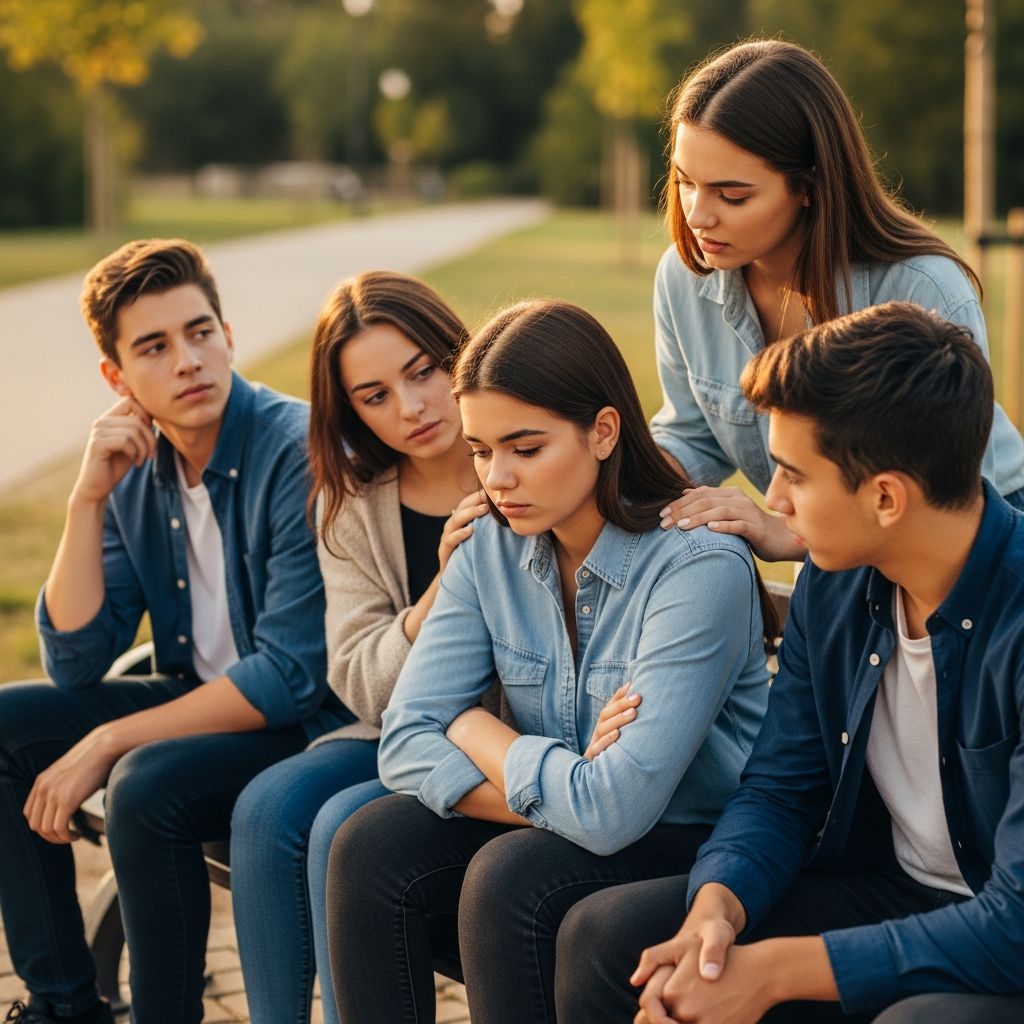
Adolescence marks a pivotal time when social connections profoundly influence emotional growth and identity formation. Parents often observe their teens grappling with intense friendship dynamics, including conflicts, exclusions, and peer pressures that can affect mental well-being. This guide equips parents with actionable insights to help teens cultivate supportive networks while addressing potential pitfalls.
Understanding the Landscape of Adolescent Social Bonds
Teen friendships evolve rapidly, shaped by school environments, digital platforms, and developmental shifts. During middle and high school, peers become central to self-esteem, with relational dynamics introducing complexities like competition and conformity. Social media exacerbates these by magnifying comparisons and instant communications, often leading to misunderstandings or amplified insecurities.
Recognizing normal fluctuations is key: bonds may shift seasonally, with intense highs followed by sudden rifts. This volatility stems from teens testing boundaries and identities, not necessarily signaling deep problems. Parents who view these as growth opportunities can guide without over-intervening.
Spotting Warning Signs in Teen Relationships
Early detection of troubled friendships prevents escalation. Key indicators include:
- Sudden withdrawal from group activities or family interactions.
- Heightened irritability, sadness, or anxiety post-social encounters.
- Persistent negativity toward specific peers or self-deprecating comments.
- Changes in behavior, such as secrecy around phone use or uncharacteristic compliance to group demands.
These cues warrant gentle inquiry. Trust parental intuition; if dynamics feel off, subtle observation clarifies without intrusion.
Characteristics of Healthy Versus Unhealthy Friendships
Distinguishing supportive from detrimental ties empowers teens to choose wisely. The table below contrasts key traits:
| Healthy Friendships | Unhealthy Friendships (Frenemies) |
|---|---|
| Mutual respect and encouragement | Constant criticism or belittling |
| Open, honest communication | Manipulation, gossip, or exclusion |
| Balanced give-and-take | One-sided demands or jealousy |
| Support during challenges | Pressure to conform harmfully |
Healthy bonds uplift and allow individuality, while toxic ones erode confidence and promote isolation.
Parental Strategies for Cultivating Positive Connections
Active involvement fosters resilience. Start by modeling healthy interactions at home, demonstrating empathy and boundary-setting. Encourage participation in interest-based clubs or sports, where natural affinities build authentic ties.
Role-play communication scenarios to build assertiveness. For instance, practice phrases like, “I feel hurt when you exclude me—can we talk about it?” This prepares teens for real conflicts without parental rescue.
Addressing Toxic Dynamics and Frenemies
Frenemies masquerade as allies but inflict emotional harm through subtle meanness. Help teens identify these by discussing exclusion tactics or backhanded compliments. If entrenched, guide boundary enforcement or graceful exits.
For persistent toxicity, rehearse exit strategies: “I’ve realized this friendship doesn’t respect me, so I need space.” Monitor for backlash like bullying, involving schools if needed. Emphasize that ending harmful ties opens doors to better ones.
The Role of Digital Influences in Modern Friendships
Platforms like Instagram and Snapchat intensify drama via curated images and rapid messaging. Teens may internalize FOMO (fear of missing out) or face cyber-exclusion. Advise balanced usage: curate feeds with positive influences and discuss posts’ unreality.
Set family media rules, like device-free dinners, to prioritize face-to-face bonds. Teach digital etiquette, such as avoiding group chats that exclude.
Building Emotional Resilience in Teens
Resilience equips teens to weather social storms. Nurture self-esteem through affirmation of strengths and achievements. Develop critical thinking by questioning peer influences: “Does this align with your values?”.
Normalize rejection as universal, sharing age-appropriate stories. Promote coping tools like journaling or exercise. Over time, this shifts focus from external validation to internal security.
Effective Communication: Creating Safe Dialogues
Open lines prevent isolation. Use non-judgmental prompts: “How are things with your friends?” Listen actively, validating emotions without rushing solutions. Avoid dismissing feelings or criticizing peers directly, as this breeds defensiveness.
Resist impulses to intervene with other parents unless safety’s at stake. Instead, empower problem-solving: “What options do you see?” This builds autonomy.
When to Seek External Support
If issues persist—evidenced by depression, self-harm ideation, or academic decline—professional input is vital. Therapists specializing in adolescents offer tailored tools for social navigation. Schools often provide counselors for peer mediation.
Early intervention correlates with better outcomes, per child development experts.
Fostering Long-Term Social Competence
Beyond crises, instill lifelong skills. Encourage diverse friendships transcending cliques, promoting empathy across differences. Volunteerism or team activities enhance cooperation.
Regular check-ins normalize discussions, framing friendships as evolving journeys. With guidance, teens emerge confident navigators of social worlds.
Frequently Asked Questions
What if my teen refuses to discuss friendship problems?
Patience is key. Share low-pressure times and your availability. Model vulnerability by recounting your experiences, gradually inviting reciprocity.
How do I handle disliking my teen’s friends without alienating them?
Focus on behaviors, not character: “I’m concerned about how that influences your choices.” Guide reflection rather than prohibition to maintain trust.
Is friendship drama worse for girls than boys?
Girls often face relational aggression, like gossip, while boys encounter physical conflicts. Both require tailored support emphasizing emotional skills.
Can social media be completely avoided?
Not realistically, but monitored use teaches responsibility. Prioritize real-world interactions for deeper bonds.
What activities best build teen friendships?
Shared hobbies like arts, sports, or volunteering naturally foster connections based on mutual passions.
References
- Recognizing Red Flags in Teen Friendships — Blume Behavioral Health. 2023. https://blumebh.com/recognizing-red-flags-in-teen-friendships/
- Navigating Teen Friendships: A Parent’s Guide — Grace and Gratitude Counseling. 2024. https://www.graceandgratitudecounseling.com/blog/navigating-teen-friendships-a-parent-s-guide
- How to Handle Teen Girl Friendship Drama: A Parent’s Guide — Ask Dr. Cam Podcast. 2024-10-15. https://www.askdrcam.com/podcasts/parenting-teens-with-dr-cam/episodes/2148998210
- Frenemies & toxic friendships: teenagers — Raising Children Network (Australian Government-funded). 2025-01-10. https://raisingchildren.net.au/pre-teens/behaviour/peers-friends-trends/frenemies
- Insights for Navigating Adolescent Friendships — National Association of Independent Schools. 2025-08-01. https://www.nais.org/resource-center/independent-ideas/august-2025/insights-for-navigating-adolescent-friendships