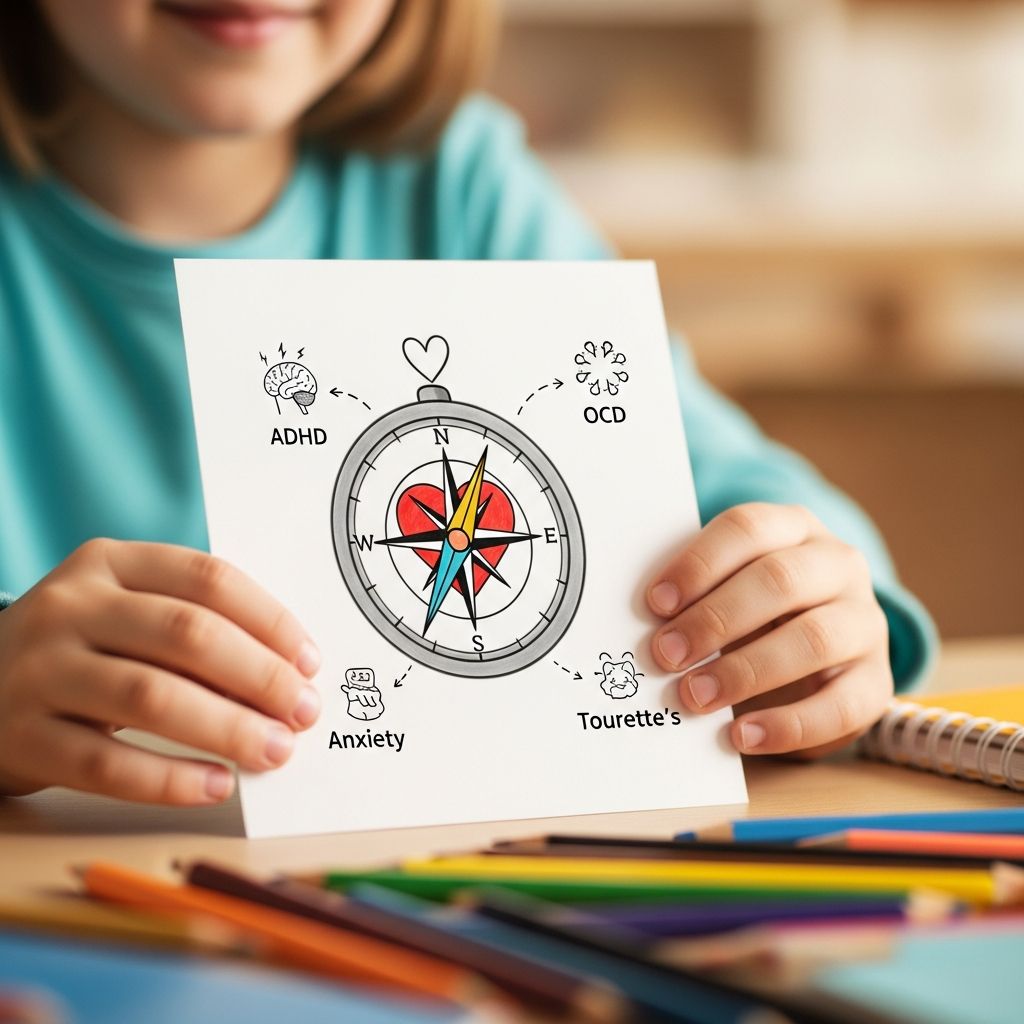
Emotional health is not a luxury for children; it is the foundation for learning, relationships, and long-term well-being. Research shows that social and emotional competence in childhood is linked to better academic success, stronger relationships, and reduced risk of mental health problems later in life. Parents and caregivers play a central role in shaping this foundation every day through small, repeated interactions.
This guide offers a practical, research-informed roadmap to help you support your child’s emotional health from early childhood through the teen years.
What Emotional Health Means for Children
Emotional health in childhood goes beyond “not having a problem.” It describes a child’s overall capacity to understand and manage feelings, relate to others, and cope with challenges in age-appropriate ways.
| Area of Emotional Health | What It Looks Like in Daily Life |
|---|---|
| Emotional awareness | Notices feelings in themselves and others; begins to name emotions like sad, mad, worried, excited. |
| Emotion regulation | Uses strategies (deep breaths, asking for help, taking a break) to calm down after getting upset. |
| Relationships | Can share, take turns, show empathy, and begin to repair after conflict. |
| Self-concept | Has a sense of being loved and capable; can try new things even when unsure. |
| Coping and resilience | Recovers from disappointments, can ask for support, and keeps going after setbacks. |
All children struggle at times. Emotional health does not mean being happy all the time; it means being able to experience the full range of emotions and gradually develop healthy ways to cope.
The Parent–Child Relationship: Core of Emotional Well-Being
Major pediatric and mental health organizations emphasize that a stable, loving relationship with at least one caregiver is the most powerful protective factor for a child’s mental health. Everyday connection is more important than perfect parenting.
Key ingredients of an emotionally safe relationship
- Warmth: Frequent affection, kind tone, and genuine interest in your child’s inner world.
- Responsiveness: Noticing your child’s cues and doing your best to respond, even if not perfectly.
- Predictability: Routines, clear expectations, and follow-through that help children feel secure.
- Repair after conflict: Apologizing, reconnecting, and talking through what happened.
These elements create a sense of safety that allows children to explore, learn, and share their feelings more openly.
Everyday Practices That Build Emotional Strength
You do not need special training to support your child’s emotional health. Small, consistent practices at home make a powerful difference.
1. Model healthy coping and self-care
Children learn how to handle emotions by watching the adults around them. When you take care of your own mental and physical health, you not only feel better—you also show your child what caring for oneself looks like.
Try to:
- Use simple self-talk out loud: “I’m feeling stressed, so I’m going to take a few deep breaths.”
- Show that mistakes are manageable: “I forgot that appointment. I’m disappointed, but I’ll call to reschedule.”
- Build your own support system: friends, relatives, professionals, or support groups as needed.
- Protect basic needs: enough sleep, movement, medical care, and breaks when you feel overwhelmed.
2. Talk about feelings as a normal part of life
Open, non-judgmental conversations about emotions help reduce stigma and make it easier for children to ask for help.
Helpful habits include:
- Label emotions you notice: “You look disappointed that the playdate ended.”
- Share your feelings in simple terms: “I’m a little worried about our big day tomorrow, too.”
- Ask open questions: “What was the hardest part of your day? What was the best part?”
- Validate, even when you set limits: “It makes sense you’re angry about turning off the game. And it’s still bedtime.”
3. Create routines that support emotional balance
Predictable routines provide a sense of security and reduce stress for children, especially in times of change.
Consider steady patterns for:
- Sleep: Consistent bed and wake times; bedtime rituals that calm body and mind.
- Meals: Regular, shared meals when possible, without screens.
- Transitions: Morning and after-school routines with clear steps.
- Connection: Built-in moments, such as five minutes of 1-to-1 time daily.
4. Support mental health through physical health
Physical and emotional health are closely connected. Research shows that adequate sleep, physical activity, and good nutrition support better emotional regulation and mental health outcomes in children and teens.
Helpful basics:
- Encourage daily active play or movement.
- Limit highly sugary drinks and energy drinks, which may worsen mood swings for some children.
- Keep regular medical checkups and share emotional concerns with your child’s pediatrician.
- Protect sleep by limiting stimulating screen time close to bedtime.
Helping Children Learn Emotional Skills Over Time
Emotional skills develop gradually across childhood. What is realistic changes with age, but the basic building blocks remain similar: recognizing feelings, expressing them safely, calming the body, and solving problems.
Building blocks you can teach and coach
- Emotion words: Move beyond “mad” and “sad” to more specific feelings (frustrated, lonely, embarrassed).
- Body awareness: Noticing physical cues like a tight tummy, fast heartbeat, or clenched fists.
- Calming strategies: Slow breaths, sensory tools, movement breaks, drawing, music, or talking to a trusted adult.
- Problem-solving steps: Define the problem, brainstorm options, consider consequences, and choose a plan.
- Perspective-taking: Gradually helping children imagine how others might feel in a situation.
These skills can be woven into everyday life—during play, car rides, homework struggles, or conflicts with siblings.
Recognizing When Your Child May Be Struggling
Ups and downs are a normal part of growing up. However, consistent or intense changes in mood, behavior, or functioning can signal that a child may need extra support. Family guides from schools and mental health organizations point to certain warning signs that warrant attention.
Common warning signs across ages
- Persistent sadness, irritability, or frequent tearfulness that lasts for weeks.
- Loss of interest in activities they used to enjoy.
- Major changes in sleep or appetite.
- Frequent worries, fears, or complaints of physical symptoms (like headaches or stomachaches) without a clear medical cause.
- Withdrawing from friends or family; spending most time alone.
- Big changes in school performance, attendance, or behavior.
- Self-critical talk (“I’m no good,” “Everyone hates me”) or talk about death or self-harm.
Professionals often look at three aspects when they evaluate concerns: how intense symptoms are, how long they last, and how much distress or interference they cause in daily life (home, school, friendships).
How to Talk With Your Child About Mental Health
Conversations about mental health can feel intimidating, but children benefit when adults name what is happening with calm honesty. Several family guides offer similar principles for these talks.
Principles for supportive conversations
- Choose a low-pressure moment: Talk while walking, driving, or doing an activity together, when eye contact is not constant.
- Start with observations, not judgments: “I’ve noticed you’ve been quieter and skipping soccer practice.”
- Ask, then listen more than you speak: Use open questions like “How have you been feeling about things lately?”
- Validate their inner experience: “That sounds really hard,” or “I’m glad you told me.”
- Normalize getting help: Explain that many kids and adults work with counselors or doctors when feelings get very big or heavy.
- Reassure your love and commitment: “We will face this together, and there are adults who know how to help.”
When and How to Seek Professional Support
If your child’s symptoms persist, worsen, or seriously affect daily life, it is important to seek professional help. Early support can reduce distress and improve long-term outcomes.
First steps you can take
- Talk to your child’s pediatrician: Share specific examples, when they started, and how often they occur.
- Connect with the school: A teacher, school counselor, or school psychologist can share what they observe and suggest supports.
- Ask about mental health referrals: Your pediatrician, school, or local mental health agency can point you to child therapists or psychiatrists.
Types of child mental health professionals
Several kinds of specialists may be involved in helping your child.
- Child and adolescent psychiatrists: Medical doctors who can diagnose mental health conditions, provide therapy, and prescribe medications when needed.
- Child psychologists: Professionals who offer testing and therapy but do not prescribe medications.
- Licensed therapists or counselors: Provide ongoing talk therapy, play therapy, or family therapy.
- School-based professionals: School counselors, social workers, or psychologists who support students within the education system.
It is appropriate to ask questions about a provider’s experience with children, their approach to treatment, and how they will involve you in the process.
Partnering With Schools to Support Emotional Health
Schools are important partners in supporting your child’s emotional well-being. Many school systems now promote social and emotional learning (SEL) and mental health initiatives.
You can collaborate with your child’s school by:
- Sharing concerns early with teachers or counselors.
- Asking about available services (school counseling, groups, check-ins).
- Maintaining regular communication about how your child is doing at school and at home.
- Supporting SEL skills at home, such as empathy, self-control, and problem-solving.
Protective Factors That Help Kids Thrive
Protective factors are conditions or skills that make it less likely a child will experience serious mental health problems and more likely they will bounce back from stress.
- At least one stable, caring relationship with an adult.
- Positive self-esteem and a sense of personal strengths.
- Opportunities to contribute (help at home, volunteer, be part of a team).
- Access to activities and peers that are safe and supportive.
- Skills for managing emotions and solving problems learned over time.
Parents can intentionally build these protective factors by offering encouragement, responsibilities that match the child’s age, and chances to succeed and recover from mistakes.
Frequently Asked Questions (FAQs)
Q1: How do I know if my child’s behavior is just a phase or a sign of a deeper issue?
Look at how long the behavior has lasted, how intense it is, and whether it interferes with daily life at home, school, or with friends. If concerning changes last more than a few weeks, get worse, or worry you, it is reasonable to consult your child’s pediatrician or a mental health professional.
Q2: What should I say to my child if we are going to see a therapist?
Use simple, honest language. You might say you are meeting a “feelings helper” whose job is to support kids and families when feelings get really big or confusing. Emphasize that it is not a punishment and that many children and adults see therapists for support.
Q3: Can talking about mental health put ideas into my child’s head or make things worse?
Evidence from mental health organizations indicates that open, age-appropriate conversations do not cause problems; instead, they make children more likely to seek help and less likely to feel ashamed. Avoiding the topic can leave children to manage overwhelming feelings alone.
Q4: How much should I share about my own struggles?
It can be helpful to briefly share that adults also experience hard feelings and get support, as long as you do not lean on your child for emotional care. Keep your sharing age-appropriate and focused on reassurance: “Everyone needs help sometimes, and I am getting mine from adults who can support me.”
Q5: What if my child does not want to talk?
Respect their pace while keeping the door open. Choose low-pressure times, offer gentle invitations (“I’m here whenever you’re ready”), and show consistent care through your actions. Some children open up more through play, drawing, or side-by-side activities than through direct conversation.
References
- Family Guide to Supporting Young People’s Mental Health and Well-Being — California Department of Education / Project Cal-Well. 2023-09-01. https://ca-safe-supportive-schools.wested.org/wp-content/uploads/2023/09/Cal-Well-Family-Guide-to-Supporting-Young-Peoples-Mental-Health-and-Well-Being_FINAL_Accessible.pdf
- Social and Emotional Health: A Guide for Families with Children Birth–8 Years — Michigan Department of Health and Human Services. 2016-01-01. https://www.michigan.gov/mikidsmatter/-/media/Project/Websites/mikidsmatter/partners/A_Guide_for_Families_with_Children_Birth-8_Years.pdf
- A Parent’s Guide to Childhood Mental Health — Chapman University, Attallah College of Educational Studies. 2022-01-01. https://www.chapman.edu/education/_files/research/mental-wellth/mental-welllth-toolkit-parents.pdf
- Parent’s Guide: How to Seek Mental Health Care for Your Child — Virginia Mental Health Access Program (VMAP). 2024-04-16. https://vmap.org/2024/04/16/parents-guide-mental-health-care-child/
- Mental & Behavioral Health Specialists: A Parent’s Guide — American Academy of Pediatrics / HealthyChildren.org. 2022-08-01. https://www.healthychildren.org/English/healthy-living/emotional-wellness/Pages/Mental-Health-Care-Whos-Who.aspx
- You Are Not Alone: For Parents and Caregivers — National Alliance on Mental Illness (NAMI). 2021-01-01. https://www.nami.org/support-education/publications-reports/you-are-not-alone/you-are-not-alone-for-parents-and-caregivers/