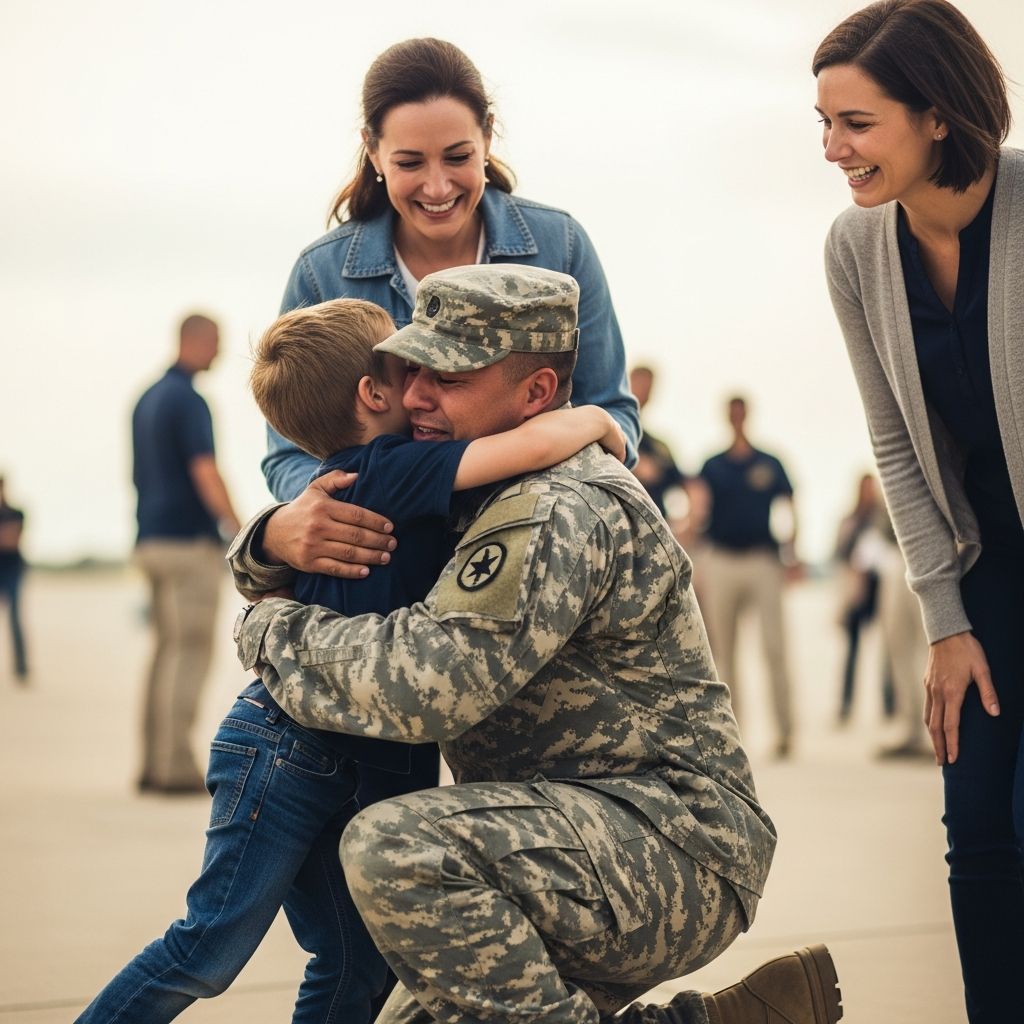
The Journey of Absence and Reunion
Military service demands sacrifice, and one of the most challenging aspects for service members is the separation from their families during deployments. When a child is born during a parent’s deployment, the separation takes on an entirely new dimension. The absence transforms from a general separation into a missed milestone—the inability to hold a newborn, to experience those first days of parenthood, or to be present for the profound moments that define early family life. However, when deployment ends and service members return home, the opportunity to meet their children for the first time creates a powerful and deeply emotional experience that resonates far beyond the immediate family.
Understanding the Emotional Weight
The experience of meeting a child for the first time after months of deployment carries a unique emotional intensity. Service members often describe a complex mixture of anticipation, joy, anxiety, and overwhelming relief. The mother carries her own emotional journey throughout the pregnancy and birth process, managing both the physical demands of pregnancy and the emotional weight of navigating parenthood without a partner. When the reunion finally happens, both parents are experiencing a profound moment—one that combines the joy of finally meeting their child with the reality of lost time and the challenges that lie ahead in adapting to their new family dynamic.
The Power of Professional Documentation
Many military families recognize the significance of these reunion moments and choose to document them through professional photography. These photoshoots capture more than just images; they preserve the raw emotion, genuine reactions, and authentic connections that occur when a father meets his child for the first time. Professional photographers specializing in military family sessions understand the gravity of these moments and approach their work with sensitivity and expertise. The resulting images serve as permanent reminders of a pivotal life event—a visual testament to the sacrifice, resilience, and love that define military family life.
One particularly touching example involves a military family who commissioned a professional photoshoot following the father’s return from a nine-month deployment. During his absence, his wife gave birth to their second son. The photoshoot captured not only the father’s first meeting with his newborn son but also documented the emotional reunion between the newly expanded family. These images reveal unguarded moments of tenderness, joy, and the profound connection that forms instantly between parent and child, despite the time apart.
Navigating the Challenges of Deployment-Related Separations
When a birth occurs during deployment, families face unique challenges that extend beyond the emotional experience of separation. The following considerations impact military families during these periods:
- Logistical coordination of communication across time zones and limited connectivity
- Management of prenatal care and childbirth decisions without the service member’s physical presence
- Emotional support systems and resources available to the expectant mother
- Financial planning and preparation for single-income household management
- Coordination of homecoming logistics and reintegration planning
- Childcare and support systems for the mother during and after pregnancy
- Processing and managing the emotional impact on extended family members
The First Meeting: Psychology and Connection
Research in developmental psychology has shown that bonding between parent and child can develop even when separated by time and distance, particularly with modern communication methods. However, the in-person first meeting represents a critical milestone in establishing physical presence and tactile connection. The first moments of holding a newborn—feeling their weight, hearing their sounds, observing their features—create neurological and emotional imprints that strengthen the parent-child bond significantly.
For military fathers meeting their infants for the first time after deployment, these moments often trigger profound emotional responses. The vulnerability of holding a fragile newborn, combined with the relief of homecoming and the joy of finally being present, creates an intensely memorable experience. Many fathers describe these moments as transformative, reshaping their perspective on what matters most and reinforcing their commitment to their family unit.
Supporting Military Families During Deployment
Recognizing the challenges faced by military families during deployment-related separations, various organizations and support systems have developed to provide assistance:
| Support System | Primary Focus | Key Benefits |
|---|---|---|
| Military Family Support Organizations | Emotional and practical support for spouses and families | Community connection, resources, counseling services |
| Military Health Services | Prenatal care and maternity services | Comprehensive medical support, access to specialists |
| Financial Counseling Programs | Budgeting and financial planning assistance | Stress reduction, economic stability planning |
| Mental Health Resources | Psychological support for families | Counseling, crisis intervention, adjustment services |
| Peer Support Networks | Connection with other military families | Understanding, shared experiences, practical advice |
Stories That Resonate Across Communities
The viral nature of military reunion stories—particularly those documented through photography and video—reflects a broader societal appreciation for the sacrifice inherent in military service. When these images and stories circulate through social media and news outlets, they do more than simply entertain; they validate the experiences of military families and raise awareness about the real costs of military service. These shared narratives help civilian populations understand the emotional complexity of military family life and foster greater empathy and support for those who serve.
The visibility of these reunion stories also provides comfort and encouragement to other military families navigating similar separations. Expectant mothers facing deployment separations can see reflected in these stories the reality that reconnection and bonding are absolutely possible despite the challenges. Service members facing long separations gain perspective and hope by witnessing the successful reunions of their military brothers and sisters.
Preparing for Homecoming as a New Family
Beyond the emotional and logistical aspects of reunion, military families benefit from intentional preparation and planning. Considerations for successful reintegration include:
- Establishing realistic expectations about the newborn’s appearance, behavior, and temperament
- Planning meaningful first activities and bonding time
- Arranging for professional documentation if desired
- Preparing siblings and extended family members for the reunion
- Creating a comfortable, welcoming environment at home
- Scheduling postpartum support and medical follow-ups
- Planning for gradual adjustment to three-person or expanded family dynamics
The Lasting Impact of These Moments
The first meeting between a military parent and a child born during deployment leaves an indelible mark on family history. Photographs capturing these moments become cherished keepsakes that families revisit throughout their lives. Years later, these images serve as tangible reminders of the sacrifice, resilience, and love that characterized the family’s journey. As children grow, these photographs help them understand their family’s unique story—the circumstances of their birth, their parent’s commitment to service, and the joy that marked their parents’ first connection.
Beyond the personal significance, these documented moments contribute to a broader cultural conversation about military service and family sacrifice. They humanize the statistics and provide faces and emotions to the abstract concept of military deployment. In doing so, they foster greater appreciation for military families and can influence policy discussions, resource allocation, and public understanding of military life.
Moving Forward: Building Connection Despite Distance
For military families facing deployment separations, the journey from pregnancy announcement through homecoming reunion represents both challenge and opportunity. While the separation itself cannot be eliminated, the expectation of eventual reunion provides hope and direction. Modern communication technologies, supportive military organizations, and community understanding all contribute to making these separations more manageable than in previous military generations.
The decision to professionally document the first meeting between a military parent and newborn reflects a conscious choice to honor the significance of the moment. These photographs and videos serve purposes far beyond simple record-keeping; they validate the emotional journey, preserve the authenticity of reunion, and create lasting family artifacts that will be treasured for generations.
Frequently Asked Questions
How does military deployment affect pregnancy and childbirth?
Military deployment during pregnancy adds emotional stress and logistical complexity, requiring the expectant mother to navigate medical care, emotional support, and life preparation without the partner’s physical presence. However, military healthcare systems and family support organizations provide comprehensive resources to help manage these challenges.
What support is available to military spouses during deployment?
Military family support organizations, mental health services, financial counseling, peer support networks, and military healthcare systems all provide targeted assistance. Additionally, many communities offer support groups and resources specifically designed for military families.
Can bonding occur between parent and child before the first in-person meeting?
Yes, modern communication methods allow for connection and bonding before the first in-person meeting. However, physical presence and tactile connection during the first meeting represent important milestones in parent-child bonding.
Why do military reunion stories become viral?
These stories resonate because they represent universal themes of love, sacrifice, and reunion while highlighting the unique circumstances of military family life. They validate military experiences and foster broader societal appreciation for military service and family sacrifice.
How should military families prepare for homecoming with a newborn?
Preparation should include realistic expectation-setting, planning for documentation if desired, preparing other family members, creating a welcoming home environment, and scheduling medical follow-ups. Intentional planning can facilitate smoother reintegration and bonding.
References
- Military OneSource Family Support Services — U.S. Department of Defense. 2024. https://www.militaryonesource.mil/
- Military Family Readiness and Support — Veterans Affairs. 2024. https://www.va.gov/family-and-caregiver-health/
- The Impact of Military Deployment on Family Relationships — American Psychological Association. 2023. https://www.apa.org/pubs/journals/fam
- Military Prenatal and Maternal Health Care — TRICARE (U.S. Military Health System). 2024. https://www.tricare.mil/
- Parent-Infant Attachment and Bonding Research — National Institutes of Health. 2023. https://www.nih.gov/health-information/family-health