Understanding the Female Reproductive System: A Man’s Introduction
Many men find the female reproductive system mysterious or confusing, yet understanding how it works is invaluable for supporting a partner, planning a family, or simply deepening your knowledge of human biology. The menstrual cycle governs a woman’s fertility and involves intricate hormonal changes that affect her body throughout the month. By learning how ovulation works and when conception is most likely, you can engage more meaningfully in conversations about family planning, contraception, and reproductive health.
The female reproductive cycle is not arbitrary or unpredictable—it follows a biological rhythm driven by hormones. This guide breaks down the key phases and processes in straightforward language, focusing on what you need to know.
The Architecture of Female Fertility: Your Partner’s Ovaries and Reproductive Organs
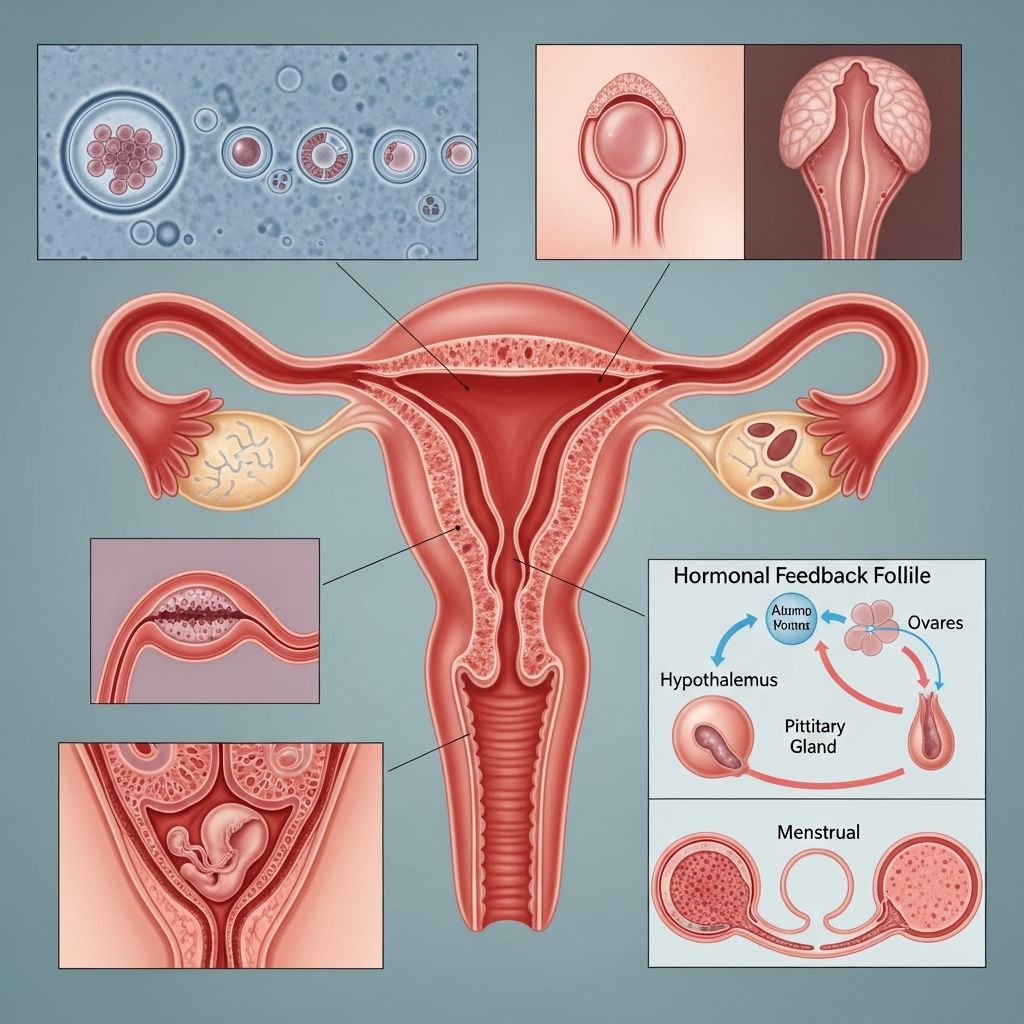
A woman’s reproductive system includes two ovaries, a uterus, fallopian tubes, and the vagina. The ovaries function similarly to your testicles in that they produce sex cells essential for reproduction. However, the process differs significantly. While you continuously produce new sperm throughout your life, women are born with all the eggs they will ever have—typically around one to two million at birth, declining to roughly 300,000 to 400,000 by the time menstruation begins.
During each menstrual cycle, the ovaries release one mature egg in a process called ovulation. This egg travels through the fallopian tube toward the uterus, where it may encounter sperm and become fertilized. If fertilization does not occur, the egg dissolves and is reabsorbed into the body or expelled during menstruation. Understanding this basic architecture helps explain the timing and mechanics of conception.
Breaking Down the Menstrual Cycle: Four Distinct Phases
The menstrual cycle typically lasts 28 days, though normal cycles can range from 21 to 35 days. The cycle consists of four main phases, each with distinct hormonal and physical changes.
Phase One: Menstruation (Days 1–5)
The cycle begins with menstruation, when the uterine lining sheds. During this phase, a woman loses blood and tissue—typically between 30 and 40 milliliters over the course of several days, though some may experience heavier or lighter flow. Menstruation usually lasts three to seven days. Hormonal fluctuations during this phase can trigger cramping, bloating, fatigue, and mood changes. Many women find that understanding these symptoms helps their partners offer appropriate support, whether through pain relief, emotional understanding, or practical assistance.
Phase Two: The Follicular Phase (Days 1–13)
Overlapping with and extending beyond menstruation, the follicular phase is driven by rising estrogen levels. During this phase, the pituitary gland releases follicle-stimulating hormone (FSH), which stimulates the ovaries to develop egg-containing follicles. Estrogen levels climb as the follicles mature, signaling the uterus to begin thickening its lining in preparation for possible pregnancy. This phase is characterized by increasing energy, improved mood, and enhanced sexual desire in many women—though individual experiences vary widely.
Phase Three: Ovulation (Around Day 14)
Ovulation marks the release of a mature egg from the ovary. Typically occurring around the middle of the cycle, ovulation is triggered by a surge in luteinizing hormone (LH). The egg is released into the fallopian tube, where it begins traveling toward the uterus. This phase is brief—the egg survives for approximately 12 to 24 hours—yet it is the most critical window for conception. Some women experience physical signs of ovulation, such as slight temperature elevation, changes in cervical fluid consistency, or mild pelvic discomfort.
Phase Four: The Luteal Phase (Days 15–28)
After the egg is released, the now-empty follicle transforms into the corpus luteum, which produces progesterone. This hormone helps maintain the uterine lining and prepares the body for potential pregnancy. If the egg is not fertilized, progesterone and estrogen levels decline, triggering the start of menstruation and the beginning of a new cycle. Many women experience premenstrual symptoms during this phase, including mood changes, food cravings, breast tenderness, and fatigue.
The Critical Window: Timing Intercourse for Conception
Understanding when conception is most likely requires grasping the concept of the “fertile window.” This seven-day period encompasses the days when pregnancy can occur through intercourse. The window extends from approximately five days before ovulation through one day after ovulation.
Why such a broad window? The answer lies in sperm longevity. While an egg survives only 12 to 24 hours after ovulation, sperm can remain viable in the female reproductive tract for up to five to seven days. This means intercourse several days before ovulation can still result in conception if sperm is waiting when the egg is released. Conversely, intercourse after ovulation has a significantly lower chance of resulting in pregnancy.
Fertility Likelihood by Day
Not all days within the fertile window carry equal probability of conception. Research shows that the highest fertility occurs in the two to three days immediately preceding ovulation. For example, intercourse two days before ovulation carries approximately a 26 percent chance of pregnancy, while intercourse on the day after ovulation drops to roughly one percent. This variation reflects the window of time during which sperm and egg must meet.
Pregnancy Probability and Menstrual Timing
The timing of menstruation relative to ovulation varies among women, which affects fertility calculations. A woman with a regular 28-day cycle typically ovulates around day 14. However, ovulation can occur anywhere from day 10 to day 16 relative to the start of the cycle, and this variability differs significantly from woman to woman.
Women with shorter cycles may ovulate earlier than expected, while those with longer cycles may ovulate later. This variability is crucial: it means that a woman with an irregular or short cycle could theoretically become pregnant even during menstruation if ovulation occurs early. Conversely, calculating fertility based purely on calendar days is unreliable for contraception and less precise for conception planning.
Methods for Identifying Ovulation
Several reliable methods exist for pinpointing ovulation, each with varying levels of accuracy:
- Ovulation prediction kits: These urine-based tests detect the LH surge that triggers ovulation, typically indicating that ovulation will occur within 24 to 36 hours.
- Basal body temperature tracking: A woman’s resting body temperature rises slightly (about 0.5 degrees Celsius) after ovulation due to progesterone release. Tracking daily temperatures reveals the pattern and confirms ovulation—though this method identifies ovulation after it has occurred.
- Cervical fluid observation: Changes in cervical mucus consistency signal approaching ovulation. As estrogen rises, cervical fluid becomes clear, stretchy, and slippery—resembling raw egg whites—indicating peak fertility.
- Calendar-based prediction: For women with highly regular cycles, calculating backward 14 days from the expected next period provides a rough estimate of ovulation. However, this method lacks precision and is unreliable for women with variable cycles.
- Fertility apps and wearables: These tools combine cycle data, temperature readings, and other metrics to predict ovulation, though accuracy depends on consistent data entry and individual cycle regularity.
Pre-Ovulation Intercourse Strategy
For couples aiming to conceive, experts recommend sexual intercourse approximately two times per week during the 14 days leading up to ovulation. This frequency ensures that sperm is present in the reproductive tract when the egg is released, maximizing conception chances without requiring precise ovulation timing.
Starting intercourse early in the fertile window is advantageous because it takes into account the five-to-seven-day sperm survival window. Even if exact ovulation timing remains uncertain, regular intercourse throughout the pre-ovulation phase increases the probability that viable sperm will be present when ovulation occurs.
Conception Probability Across the Cycle
Pregnancy likelihood fluctuates dramatically depending on cycle phase:
During Menstruation
The likelihood of conception during menstruation is negligible. Because the egg from the previous cycle has already dissolved and exited the body, there is no egg available for fertilization. Sperm cannot find an egg that does not exist.
Pre-Ovulation Period
As the cycle progresses toward ovulation, pregnancy probability increases steadily. The week before ovulation represents the most fertile period, with conception chances rising as ovulation approaches. The presence of cervical fluid conducive to sperm survival further enhances fertility during this phase.
Ovulation Window
The 24 to 36 hours surrounding ovulation represent peak fertility. The egg has just been released and is viable, while sperm deposited days earlier may still be alive and capable of fertilization. This narrow window is when conception is most probable, particularly in the hours before and immediately after ovulation occurs.
Post-Ovulation Period
Once ovulation has passed and the egg begins degenerating, conception probability declines sharply. By 24 hours after ovulation, the likelihood of pregnancy drops significantly. As the cycle continues toward menstruation, conception becomes increasingly unlikely unless ovulation was unusually delayed.
Individual Variation and Cycle Unpredictability
While average cycle lengths and ovulation timing provide useful frameworks, individual women experience considerable variation. Some women have cycles that fluctuate by several days month to month, even if their average length is 28 days. Others have naturally shorter (21-day) or longer (35-day) cycles. Stress, illness, exercise intensity, and dietary changes can further affect cycle timing.
This unpredictability has practical implications. For couples using fertility awareness methods to avoid pregnancy, relying on calendar calculations alone is ineffective and carries significant risk of unintended conception. Similarly, for those trying to achieve pregnancy, understanding that ovulation timing can shift helps set realistic expectations and encourages use of more precise detection methods.
Hormonal Control and the Bigger Picture
The menstrual cycle operates through an intricate feedback system involving the hypothalamus, pituitary gland, and ovaries. Hormonal fluctuations throughout the cycle influence not only reproductive readiness but also mood, energy levels, libido, and even appetite. Recognizing that menstruation and ovulation involve complex hormonal cascades helps partners understand why women may experience varied symptoms and emotional states throughout the month.
Progesterone and estrogen affect neurotransmitter production, sleep quality, and emotional regulation. Some women experience premenstrual syndrome (PMS) or more severe premenstrual dysphoric disorder (PMDD) due to hormonal sensitivity. Understanding these connections allows partners to offer informed, compassionate support.
Frequently Asked Questions
How accurate are ovulation predictor kits?
Ovulation predictor kits detect the LH surge with approximately 99 percent accuracy when used correctly. However, they identify the surge after it has begun, meaning ovulation typically occurs 24 to 36 hours later. A positive result indicates peak fertility is approaching but does not pinpoint the exact moment of ovulation.
Can a woman become pregnant during menstruation?A: While unlikely, it is possible for pregnancy to occur during menstruation if a woman has a short menstrual cycle or early ovulation. If ovulation occurs within days of menstruation starting, sperm deposited during menstruation could survive and fertilize the egg. This scenario is uncommon but demonstrates why relying solely on calendar-based calculations for contraception is unreliable.
Q: How long can sperm survive inside the female reproductive tract?
Under optimal conditions, sperm can survive five to seven days in the fallopian tubes and uterus. This extended viability is why the fertile window extends several days before ovulation. However, sperm survival depends on the quality of cervical fluid and the health of the reproductive environment.
What is the average menstrual cycle length?
The average menstrual cycle lasts 28 days, but normal cycles range from 21 to 35 days. Some women have even shorter or longer cycles. Cycle length can also vary from month to month, making individual tracking more reliable than population averages.
How can I best support my partner during different cycle phases?
Understanding cycle phases allows partners to anticipate and respond to changing needs. During menstruation, offering pain relief support and emotional understanding is valuable. During the follicular phase, partners may notice increased energy and mood. During the luteal phase, recognizing potential mood changes and food cravings helps demonstrate awareness and care. Open communication about how each partner feels during different phases strengthens relationships.
What factors can affect ovulation timing?
Ovulation timing can be influenced by stress, significant weight changes, extreme exercise, illness, travel, sleep disruption, and certain medications. Even normal cycle variation means ovulation may occur several days earlier or later than expected. This variability is why women trying to conceive should not rely on a single prediction method.
References
- Periods and fertility in the menstrual cycle — National Health Service (NHS). 2024. https://www.nhs.uk/conditions/periods/fertility-in-the-menstrual-cycle/
- When in the month are women and men most fertile? — British Fertility Society. 2024. https://www.britishfertilitysociety.org.uk/fei/when-are-women-men-most-fertile/
- Understanding Ovulation: A Simple Guide for Men — Oreate AI. 2024. https://www.oreateai.com/blog/understanding-ovulation-a-simple-guide-for-men/
- The Manly Guide to Menstruation — Clue App (Hello Clue). 2024. https://helloclue.com/articles/sex/manly-guide-to-menstruation
- A Guy’s Guide to Periods | Understanding and Supporting — Lil-Lets. 2024. https://www.lil-lets.com/za/en/hub/a-guys-guide-to-periods/