Many babies become suddenly clingy, tearful, or upset around 9 months when a parent leaves the room. This shift can be confusing and exhausting, but it is a normal step in emotional and cognitive development. With a bit of understanding and some consistent strategies, families can move through this phase with more confidence and less stress.
What Is Separation Anxiety in a 9-Month-Old?
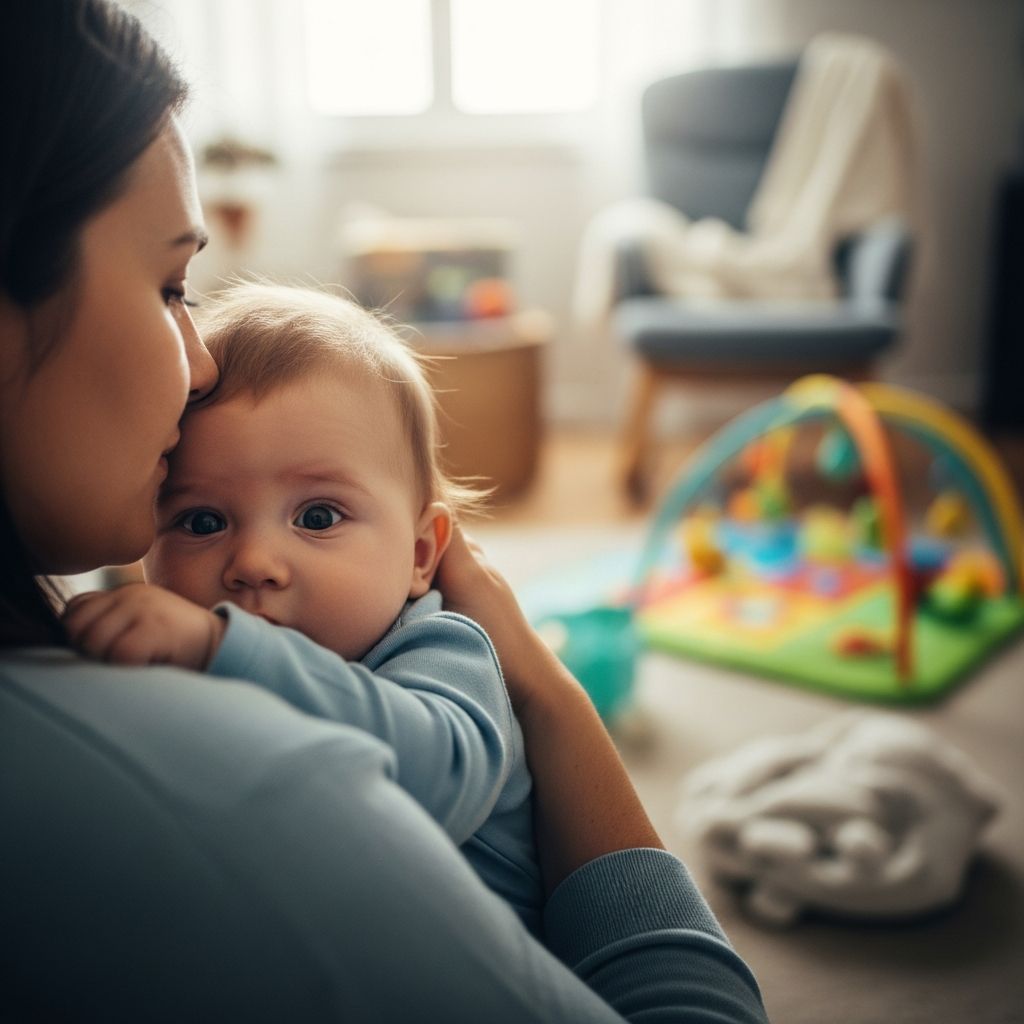
Separation anxiety is an emotional response that appears when a baby becomes distressed by being apart from a primary caregiver, even for brief periods. Around 9 months, many babies begin to protest strongly when a parent walks away, hands them to someone else, or leaves for work. This reaction usually reflects healthy attachment, not misbehavior.
At this age, a baby recognizes familiar faces, prefers favorite caregivers, and is starting to understand that people and objects exist even when out of sight. That new awareness makes absence more meaningful and more upsetting, which is why a previously easygoing baby may suddenly cry at goodbyes.
Why Separation Anxiety Peaks Around Nine Months
The shift that happens around 9 months is driven by rapid brain development and growing emotional awareness. Several changes converge at once, making this a particularly intense time for separation worries.
- Object permanence: Your baby is learning that a parent still exists even when not visible, but does not yet fully trust that the parent will return.
- Sense of self: A 9-month-old is beginning to understand that they are a separate person from their caregivers, which can feel both exciting and frightening.
- New mobility: Crawling, pulling up, or cruising can increase physical distance from caregivers, adding to feelings of uncertainty and vulnerability.
- Stranger awareness: Babies usually become more cautious around unfamiliar people in this period, which can heighten clinginess to preferred adults.
Because these changes all unfold together, a baby may respond by holding on more tightly to familiar caregivers, especially in new environments or during transitions.
Common Signs of Separation Anxiety at 9 Months
Every baby shows distress differently, but there are several common signs that suggest separation anxiety is at play rather than general fussiness. Recognizing these patterns can help caregivers respond with empathy instead of frustration.
- Intense crying, fussing, or reaching when a caregiver leaves the room.
- Clinging tightly to a parent in unfamiliar settings or around new people.
- Refusing to be held by or interact with less familiar caregivers, even those the baby previously tolerated.
- Increased waking at night, especially requiring a parent’s presence to fall back asleep.
- Difficulty settling for naps when a parent walks away after putting the baby down.
- Less interest in independent exploration when the parent is out of sight.
A baby may show some of these behaviors strongly for a few days, then seem fine, only for the anxiety to reappear during illness, big changes, or developmental leaps. Fluctuations are normal.
How Long Does This Phase Usually Last?
There is no single timeline that fits all babies, but separation anxiety often starts between 7 and 9 months, intensifies over several weeks or months, and gradually eases as the child gains confidence. Many families notice improvement as communication skills and memory strengthen in the second year.
Rather than a straight line, this process tends to come in waves. The anxiety may increase when routines change, a caregiver returns to work, or a baby is hungry, tired, or not feeling well. The goal is not to eliminate all distress instantly but to help the baby feel safe and supported while learning that separations are temporary.
Gentle Strategies to Ease Separation Anxiety
Responding consistently and calmly can reduce the intensity of separation struggles over time. The following strategies are designed to balance comfort with gentle encouragement toward independence.
1. Build Predictable Goodbye Rituals
Babies feel safer when they know what to expect. A simple, repeated goodbye routine teaches a baby that there is a clear beginning and ending to separations, and that the parent always returns afterward.
- Create a short, consistent routine such as a hug, a few reassuring words, and a wave at the door.
- Use the same phrase each time, like “See you after snack” or “I’ll come back after your nap.”
- Avoid stretching out goodbyes, which can increase anxiety instead of easing it.
2. Practice Mini-Separations at Home
Small, low-stakes separations help a baby learn that people leave and come back many times a day. This practice builds a foundation for longer goodbyes, such as daycare drop-off or evenings with a sitter.
- Step into another room for a brief moment and then return with a warm smile.
- Call out while you are out of sight so the baby can hear your voice.
- Use games like peek-a-boo to reinforce the idea that “gone” does not mean “gone forever.”
3. Offer Comfort Without Over-Rescuing
It is healthy to soothe a distressed baby, but constantly preventing all discomfort can make transitions harder over time. Aim to acknowledge feelings while signaling confidence in the child’s ability to cope.
- Pick up and comfort the baby if the crying is intense, then try placing them back down once calmer.
- Use a calm, steady tone rather than an anxious or apologetic one.
- Avoid sneaking away; instead, make departures clear but brief.
4. Strengthen the Bond With Alternate Caregivers
Separation feels less overwhelming when the baby trusts the person they stay with. Investing in the relationship between the baby and other caregivers can make goodbyes smoother.
- Invite the future caregiver to play with the baby while you remain nearby at first.
- Gradually increase the time you spend in another room while that person cares for the baby.
- Send familiar items, like a soft toy or a small blanket that smells like home, when the baby is with someone else.
5. Align Separations With Baby’s Rhythms
Timing can greatly affect how a baby handles separation. Fatigue, hunger, and overstimulation all make emotions bigger and regulation harder.
- Plan departures after naps and feedings whenever possible.
- Avoid introducing a new caregiver for the first time at the end of a long, busy day.
- Use calm, predictable routines before leaving, such as a short playtime or a simple song.
Separation Anxiety and Sleep at 9 Months
Even babies who previously slept well may start waking more often or protesting bedtime during a separation-anxiety phase. For a baby, nighttime often feels like a very long separation, which can trigger more crying or resistance.
Balancing comfort with consistent routines helps babies feel secure enough to fall asleep and return to sleep after brief wake-ups. The goal is to show that caregivers remain available and responsive while still encouraging independent sleep skills.
Practical Sleep Tips
- Keep a stable bedtime routine (for example, bath, pajamas, short story or song, then into the sleep space).
- Offer a brief, predictable response to nighttime waking, such as a quick check-in or gentle touch, instead of entirely changing the routine.
- If a baby is very distressed, provide extra comfort, but try to return to the usual sleep plan as soon as possible.
| Challenge | What It Looks Like | Helpful Response |
|---|---|---|
| Bedtime protests | Crying when placed in the crib, pulling up or reaching toward the door. | Stay calm, use a brief reassurance phrase, and stick to a consistent routine. |
| Frequent night waking | Multiple awakenings, settling only when a parent appears. | Offer short, soothing check-ins or comfort, then encourage returning to sleep in the usual sleep space. |
| Naps only on caregiver | Refusing crib naps, sleeping only while being held. | Gradually transition by starting with contact naps, then placing the baby down partway through the nap when drowsy. |
Starting Daycare or a Nanny During This Phase
Many families begin childcare around the same age that separation anxiety intensifies, which can make the transition feel emotionally charged. Thoughtful planning, clear communication, and collaboration with caregivers can ease the shift.
- Schedule a few short, gradual visits where the parent remains for part of the time before leaving briefly.
- Share the baby’s routines, likes, and calming strategies with the caregiver or center.
- Keep drop-off routines consistent each day so the baby learns what to expect.
- Reassure yourself that brief tears at drop-off often fade quickly once the parent is gone and the baby is engaged.
Requesting regular updates or a quick message after drop-off can help parents stay calm, which in turn supports the baby’s adjustment over time.
Supporting Your Own Emotions as a Parent
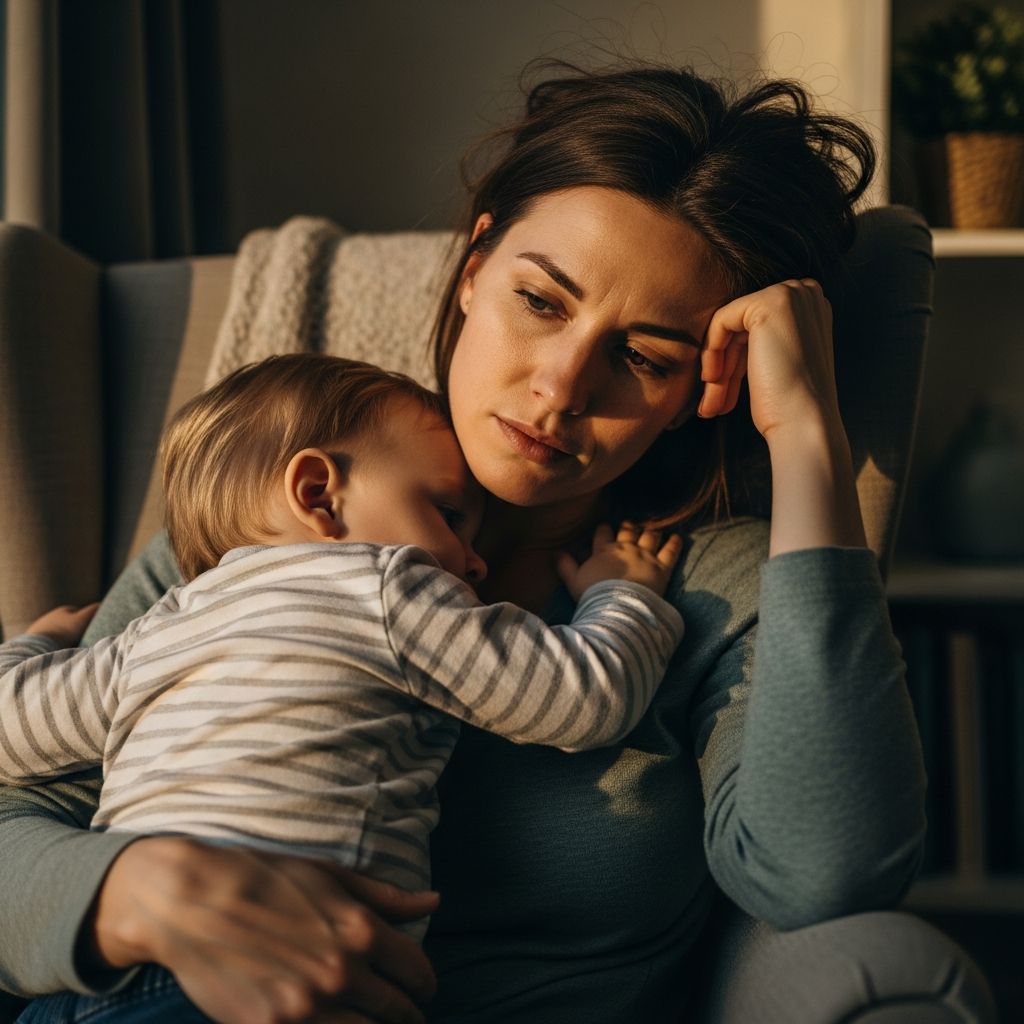
Watching a baby scream or cling as you walk away can feel heartbreaking, guilt-inducing, or frustrating. Acknowledging those feelings is important; they are a natural response to seeing a child in distress. Taking care of your own emotional health ultimately helps you provide steadier support to your baby.
- Remind yourself that separation anxiety usually reflects strong attachment rather than a parenting failure.
- Talk with trusted friends, family, or professionals about your worries and experiences.
- Build small pockets of self-care into the week, even if just a quiet walk, a short call with a friend, or an early bedtime.
- Avoid second-guessing every boundary; consistent, loving limits help babies feel secure.
When parents remain calm and grounded, they send a powerful message that the world is safe and separations are manageable, even when they feel difficult.
When to Talk With a Pediatric Professional
Most separation anxiety around 9 months is developmentally typical and gradually eases. Still, caregivers sometimes sense that something more might be going on or feel unsure about how to respond. Trusting those instincts and asking questions is always appropriate.
- Reach out to a professional if the baby’s distress is extremely intense and does not lessen at all over several weeks despite consistent routines.
- Seek guidance if anxiety seems to interfere with feeding, sleep, growth, or general health.
- Discuss any concerns about developmental milestones, hearing, or vision, as these can affect how a baby relates to caregivers.
- Mention strong parental anxiety or low mood, as caregiver well-being also shapes the baby’s environment.
Early conversations rarely lead to drastic interventions; they more often provide reassurance, practical suggestions, and monitoring over time.
Frequently Asked Questions About 9-Month Separation Anxiety
Is separation anxiety at nine months a good or bad sign?
Separation anxiety can be emotionally challenging, but in most cases it is a sign that a baby recognizes and prefers familiar caregivers, which is a healthy developmental milestone. The distress simply reflects that the baby does not yet have the skills or experience to manage strong feelings about absence.
Will responding to my baby’s crying make them more clingy?
Responding consistently and kindly tends to increase security rather than clinginess over time. When babies learn that their caregivers are reliable, they feel safer to explore and tolerate short separations. The key is combining responsiveness with predictable routines instead of frequently changing the plan in response to every cry.
Should I sneak out to avoid upsetting my baby?
Leaving without saying goodbye may seem easier in the moment but can increase anxiety in the long run. Babies notice sudden disappearances and may become more vigilant or distressed next time. A brief, predictable goodbye teaches that separations are expected, not mysterious.
How can I encourage independence without ignoring my baby’s feelings?
Independence grows best in a context of safety. Offer short periods of independent play nearby, gradually increasing distance while staying available for comfort. Acknowledge that goodbyes are hard while keeping your tone calm and confident, showing trust in your baby’s ability to cope.
Does separation anxiety mean there will be long-term anxiety problems?
For most children, this phase is temporary and does not predict long-term anxiety disorders. A supportive environment, clear routines, and responsive caregiving help babies build resilience and confidence as they grow.
Separation anxiety at 9 months is a powerful reminder of how deeply babies depend on the adults who care for them. By combining empathy with gentle structure, caregivers can guide their little ones through this emotional milestone while laying the groundwork for future independence and trust.