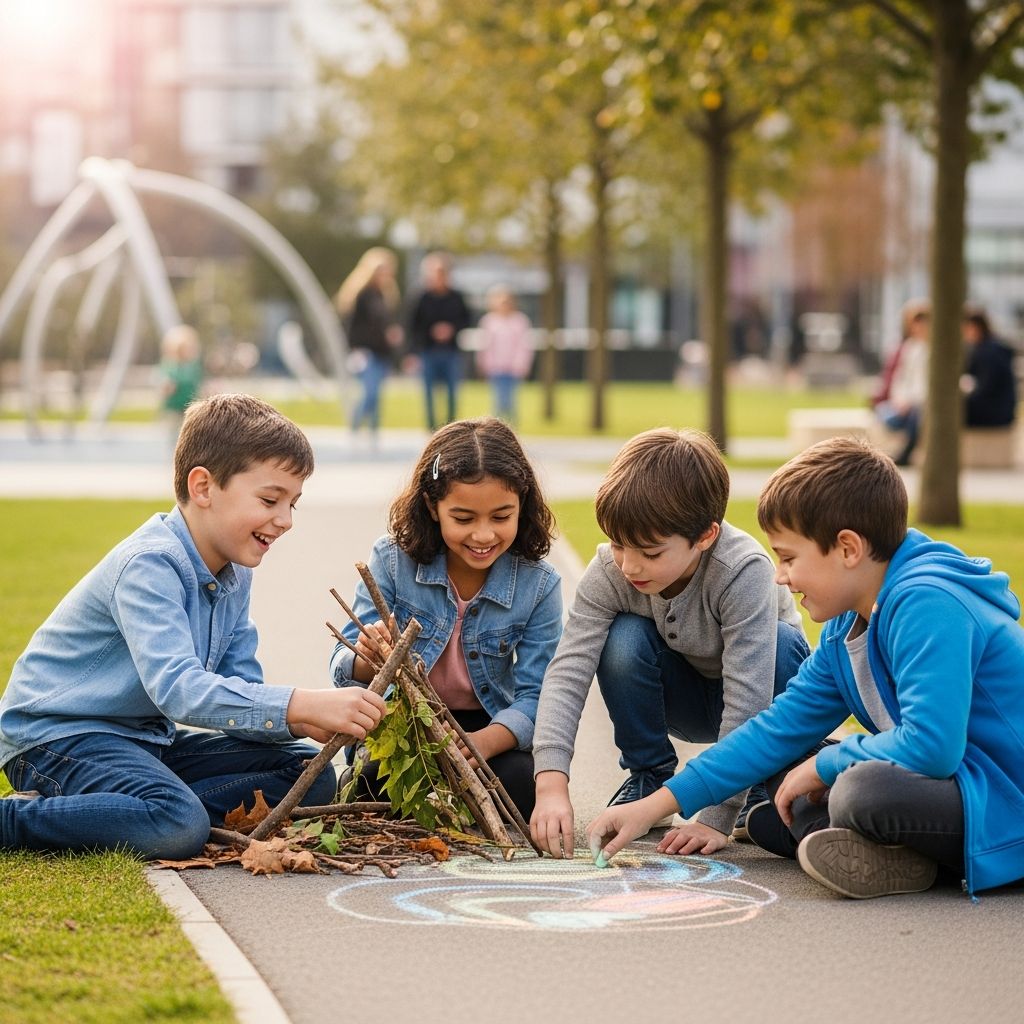
At age 8, children enter a dynamic phase of development marked by rapid advancements in multiple areas. They gain greater independence, refine motor skills, expand their intellectual capacities, and navigate more complex social dynamics. Understanding these changes helps parents foster a supportive environment that encourages healthy progress.
Physical Advancements and Motor Abilities
Eight-year-olds experience steady physical growth, typically increasing in height by about 2-2.5 inches and weight by 4-7 pounds annually. This growth supports enhanced coordination and strength, enabling participation in sports and active play.
Key physical milestones include:
- Improved balance and agility, such as riding a two-wheeled bike confidently or performing somersaults and basic gymnastics.
- Greater proficiency in throwing and catching a ball accurately with one hand.
- Complete independence in daily self-care tasks like dressing, grooming, brushing teeth, and tying shoelaces.
- Skill in using simple tools or engaging in hobbies like drawing detailed shapes, including diamonds, or sketching a person with at least 16 distinct features.
During this stage, children lose baby teeth as permanent ones emerge, often leading to complaints of minor aches. Parents should monitor oral hygiene and dental visits to ensure proper development. Active lifestyles promote bone health and prevent issues like growing pains, which may arise from heightened body awareness.
Cognitive and Learning Progress
Cognitive abilities sharpen significantly around age 8, with children demonstrating logical thinking, better memory, and problem-solving skills. They grasp concepts like cause-and-effect, reversibility in math (e.g., understanding that 2+4=6 implies 6-4=2), and basic fractions.
| Skill Area | Expected Milestones |
|---|---|
| Mathematical Understanding | Counts backwards, knows days/months in order, performs simple addition/subtraction, understands money value. |
| Reading and Writing | Reads independently for pleasure/content, writes stories or emails, distinguishes multiple word meanings. |
| Logical Reasoning | Organizes thoughts logically, plans ahead, differentiates fantasy from reality. |
Attention spans lengthen, allowing focus on complex tasks like following multi-step instructions or homework. Children enjoy collecting items and pursuing interests, reflecting organized thinking. If delays appear, such as persistent reading difficulties, consult educators early.
Language and Communication Skills
Language development at this age reaches near-adult conversational levels. Children use richer vocabulary—learning up to 20 new words daily—express ideas fluidly, tell animated stories, and appreciate jokes or puns due to understanding nuances like double meanings.
- Engages in extended discussions, voices opinions confidently.
- Follows detailed directions and recounts experiences descriptively.
- Enjoys wordplay, exaggeration for humor (e.g., “I can eat 10 burgers! “).
- Writes coherently about daily events or follows simple recipes.
Pronunciation clarifies, and speech impediments often resolve. Reading evolves from decoding to comprehension, fueling curiosity through books.
Social Interactions and Peer Relationships
Socially, 8-year-olds prioritize friendships, spending significant time with peers and forming lasting bonds. They cooperate in groups, negotiate rules, and handle competition gracefully, though bossiness may emerge as independence grows.
Typical social behaviors:
- Thrives in team games, clubs, or organized activities; dislikes solitary play.
- Manages peer pressure, develops sportsmanship in winning/losing.
- Mixes more freely with opposite sex, showing subtle interests.
- Sensitive to others’ opinions, seeks approval.
They distinguish right from wrong, using compromise in conflicts. Encourage group involvement to build empathy and resilience.
Emotional Maturity and Self-Awareness
Emotionally, children better articulate feelings, though impatience and quick mood shifts persist. A strong need for love and understanding drives their quest for validation. Moral awareness strengthens, internalizing rules and fairness.
- Expresses emotions verbally, shows empathy.
- Develops self-concept through achievements and feedback.
- Exhibits occasional rule-testing like fibbing, part of boundary exploration.
- Balances independence with family time importance.
Support emotional growth by validating feelings and modeling coping strategies. Watch for stress signs like withdrawal, which could indicate bullying or anxiety.
Daily Independence and Routines
Independence flourishes: children manage hygiene, chores, and decisions like clothing choices. They voice preferences on rules and ethics, enjoying responsibilities that build confidence.
Promote autonomy with age-appropriate tasks:
- Household chores like setting tables or simple cleaning.
- Managing pocket money or small collections.
- Planning playdates or hobbies independently.
Despite this, parental guidance remains vital for safety and emotional security.
Potential Concerns and When to Seek Help
Most 8-year-olds meet these milestones, but variations occur. Red flags include persistent academic struggles, social isolation, extreme emotional swings, or motor delays. Track progress and collaborate with teachers or pediatricians if concerns arise.
Regular check-ups ensure overall health, addressing vision, hearing, or nutrition impacting development.
Frequently Asked Questions
What if my 8-year-old struggles with reading?
Reading challenges may need evaluation; early intervention like tutoring helps. Monitor for dyslexia signs and consult school specialists.
How much physical activity do they need?
Aim for 60 minutes daily of moderate-vigorous activity, mixing sports, play, and structured exercise for coordination and health.
Is it normal for them to test rules?
Yes, occasional lying or cheating reflects social learning; consistent, calm guidance teaches accountability without shame.
How can I support their friendships?
Facilitate playdates, discuss conflicts, and model kindness to nurture strong peer bonds.
What about screen time limits?
Balance with guidelines: no more than 2 hours recreational daily, prioritizing interactive play and sleep.
References
- 8 Year Old Child Developmental Milestones — WebMD. 2024. https://www.webmd.com/parenting/child-8-milestones
- 6-8 years: child development — Raising Children Network. 2024. https://raisingchildren.net.au/school-age/development/development-tracker/6-8-years
- Developmental Milestones for Grade Schoolers (6–12-Years) — Coral Care. 2024. https://www.joincoralcare.com/developmental-guides/milestones-grade-schoolers-6-12-years
- Social and Emotional Development: Ages 8-10 — KidCentral TN. 2024. https://www.kidcentraltn.com/development/8-10-years/social-and-emotional-development-ages-8-10.html
- Milestones for 8-Year-Olds — MyHealth Alberta. 2024-10-24. https://myhealth.alberta.ca/Health/pages/conditions.aspx?hwid=ue5720
- Milestones for 8-Year-Olds — Kaiser Permanente. 2024. https://healthy.kaiserpermanente.org/health-wellness/health-encyclopedia/he.milestones-for-8-year-olds.ue5720
- CDC’s Developmental Milestones — Centers for Disease Control and Prevention. 2024. https://www.cdc.gov/act-early/milestones/index.html