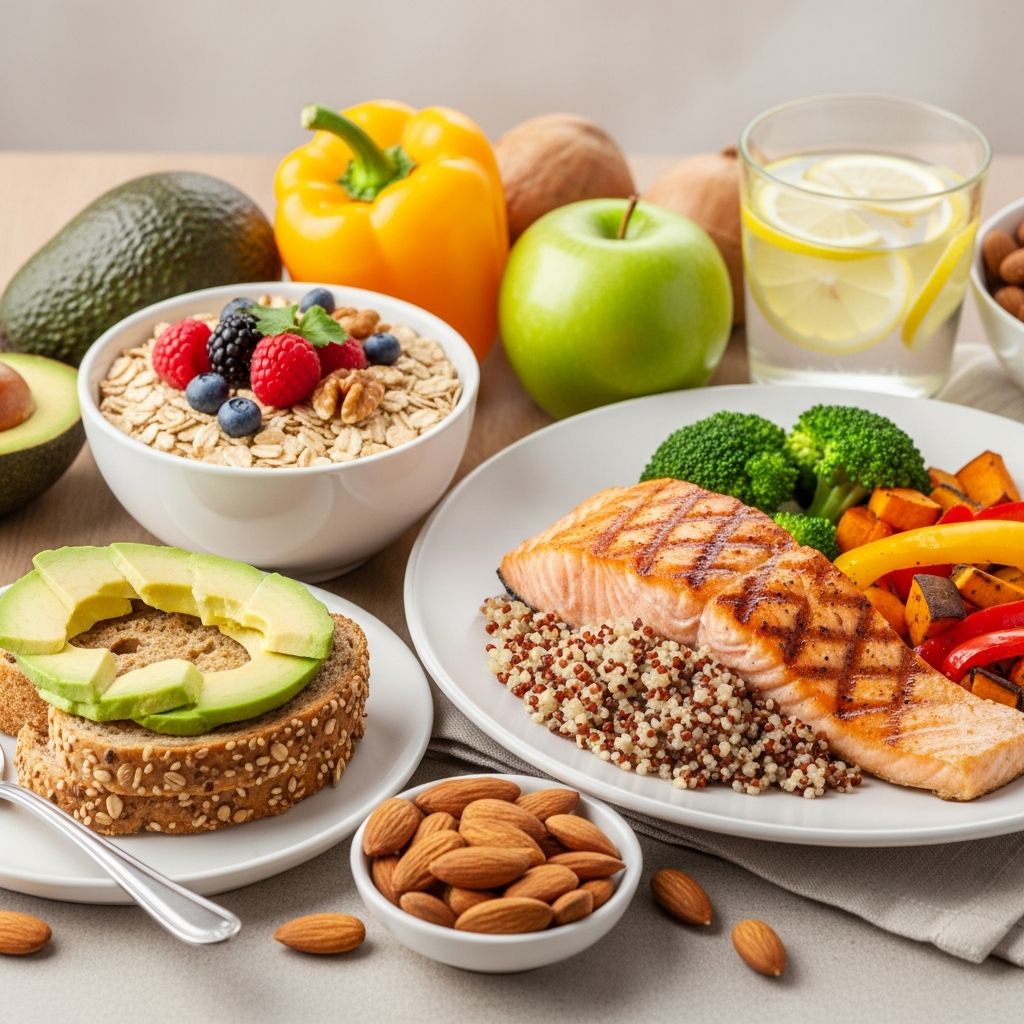
Managing blood sugar is not only important for people living with diabetes; it also matters for anyone who wants more stable energy, better focus, and long-term heart and metabolic health. The good news is that you do not need exotic ingredients or complicated diets. Many ordinary pantry foods can help gently stabilize blood sugar when you eat them regularly as part of a balanced eating pattern.
This guide explains how blood sugar works, then highlights everyday foods—like beans, oats, berries, yogurt, nuts, and greens—that research links with better glucose control. It also includes practical tips, meal ideas, and FAQs so you can start making small, realistic changes today.
How Food Affects Blood Sugar: The Short Version
When you eat carbohydrates, your body breaks them down into glucose, which enters the bloodstream. Insulin, a hormone made by the pancreas, helps move that glucose into your cells for energy or storage. If this system becomes less efficient—often called insulin resistance—blood sugar can stay higher than is healthy over time, increasing the risk of type 2 diabetes and cardiovascular disease.
Certain foods and food combinations can help by:
- Slowing digestion so glucose enters the bloodstream more gradually.
- Providing fiber, especially soluble fiber, which helps blunt blood sugar spikes.
- Adding protein and healthy fats that steady appetite and keep you full longer.
- Supplying antioxidants and plant compounds that may support insulin sensitivity and metabolic health.
Key Nutrients That Help Steady Blood Sugar
While there is no single “magic” food, several nutrient patterns show up again and again in research on blood sugar control.
| Nutrient or Feature | How It Helps Blood Sugar | Common Food Sources |
|---|---|---|
| Soluble fiber | Slows digestion and carbohydrate absorption, reducing post-meal spikes. | Oats, beans, lentils, apples, berries |
| Protein | Slows stomach emptying and helps stabilize blood sugar when eaten with carbs. | Eggs, yogurt, beans, fish, poultry, tofu |
| Healthy fats | Blunt rapid increases in blood sugar and improve satiety. | Nuts, seeds, avocado, olive oil |
| Low glycemic index (GI) | Foods that raise blood sugar more slowly and modestly. | Non-starchy vegetables, most berries, legumes, intact whole grains |
1. Beans and Lentils: Slow Carbs With Staying Power
Beans and lentils are one of the most reliable everyday foods for more stable blood sugar. They are rich in:
- Soluble fiber, which slows the release of glucose into the bloodstream.
- Resistant starch, a type of carbohydrate that is digested slowly and can improve post-meal glucose response.
- Plant protein and magnesium, nutrients associated with better glycemic control.
Research has shown that adding beans or chickpeas to a high-carb meal (like white rice) can significantly reduce the rise in blood sugar compared with eating the starch alone.
Easy ways to use beans and lentils:
- Add black beans or kidney beans to salads, burrito bowls, or soups.
- Use lentils as a base for stews or as a side in place of white rice.
- Try hummus as a dip with raw vegetables or whole-grain crackers.
2. Oats and Other Intact Whole Grains
Whole grains that keep their bran and germ—such as oats, brown rice, barley, and quinoa—contain more fiber and nutrients than their refined counterparts. Oats, in particular, are high in beta-glucan, a type of soluble fiber that can reduce both fasting blood glucose and longer-term measures like HbA1c when eaten regularly.
Older controlled trials and meta-analyses have found that oat intake can modestly improve blood sugar and cholesterol levels compared with refined grain foods.
Smart grain swaps:
- Choose steel-cut or old-fashioned oats instead of instant flavored packets.
- Replace some white rice with brown rice, barley, or quinoa in stir-fries and grain bowls.
- Pick whole-grain bread or tortillas most of the time, watching overall portion sizes.
3. Berries and Whole Fruit (Not Juice)
Berries—such as blueberries, strawberries, and raspberries—offer a valuable combination of fiber, vitamins, and antioxidant compounds that may support insulin sensitivity and reduce inflammation. Compared with sweets or fruit juice, whole fruit generally has a much lower impact on blood sugar because the fiber slows digestion.
Studies have linked berry intake with improved markers of cardiovascular and metabolic health in people with or at risk for type 2 diabetes.
Fruit tips for steadier blood sugar:
- Favor whole fruit over fruit juice or sweetened smoothies.
- Pair fruit with protein or fat (for example, berries with yogurt or an apple with peanut butter) to further slow glucose absorption.
- Keep portions modest, especially if you are monitoring carbohydrate intake.
4. Nuts and Seeds: Small Snacks With Big Impact
Nuts and seeds are naturally low in carbohydrates and provide a mix of healthy fats, fiber, protein, magnesium, and other minerals. This combination helps reduce the blood sugar rise from carbohydrate-containing meals and snacks.
In people with type 2 diabetes, adding nuts such as almonds or peanuts to meals has been associated with lower post-meal blood sugar levels and improved longer-term control when they are part of an overall healthy diet.
Nut and seed ideas:
- Snack on a small handful of unsalted almonds, walnuts, pistachios, or mixed nuts.
- Sprinkle chia seeds, flaxseeds, or pumpkin seeds over oatmeal, yogurt, or salads.
- Use natural nut butters on whole-grain toast or sliced fruit.
5. Yogurt and Fermented Dairy
Plain, unsweetened yogurt, particularly Greek-style yogurt, offers a high-protein, relatively low-carb base that can be combined with fiber-rich toppings like fruit and nuts. Large cohort studies have found that regular consumption of yogurt is associated with a lower risk of developing type 2 diabetes, possibly due to its nutrient profile and the presence of beneficial bacteria.
Dietary guidelines for people with diabetes often include low-fat or fat-free dairy as a source of protein and calcium, though full-fat options can fit in moderate amounts depending on overall calorie and saturated fat intake.
How to choose yogurt wisely:
- Look for plain yogurt with little or no added sugar; sweeten lightly with berries or a small amount of fruit.
- Check the protein content—Greek yogurt typically has more protein per serving.
- Avoid dessert-style yogurts that function more like candy than a blood-sugar-friendly snack.
6. Leafy Greens and Other Non-Starchy Vegetables
Leafy greens like spinach, kale, collards, and arugula are extremely low in digestible carbohydrates and calories but rich in vitamins, minerals, and plant compounds. They help bulk up meals without increasing blood sugar significantly and provide antioxidants that may support metabolic and cardiovascular health.
Larger diabetes guidelines emphasize filling at least half the plate with non-starchy vegetables—including leafy greens, broccoli, peppers, cucumbers, green beans, and others—as a cornerstone strategy for blood sugar control.
Ways to add more greens and veggies:
- Add a side salad or cooked greens to lunch and dinner.
- Use spinach or kale in omelets, soups, and grain bowls.
- Snack on raw vegetables with hummus or yogurt-based dips.
7. Healthy Fats: Avocado, Olive Oil, and Fatty Fish
While fats do not directly raise blood sugar, the type of fat you eat matters for heart health, which is closely linked to diabetes risk. Monounsaturated and polyunsaturated fats—found in foods like avocado, nuts, seeds, olive oil, and fatty fish—can help improve cholesterol levels and support overall metabolic health when they replace saturated and trans fats.
Official diabetes and heart-health guidelines encourage including these fats in moderation as part of a balanced eating pattern, often modeled on Mediterranean-style diets.
Simple fat upgrades:
- Cook with olive or canola oil instead of butter most of the time.
- Add avocado slices to salads, tacos, and sandwiches.
- Include fatty fish like salmon, sardines, or trout once or twice a week.
8. Smart Meal-Building Tips for Better Blood Sugar
The overall pattern of your meals often matters more than any single food. Experts recommend focusing on structure:
- Balance your plate: Include non-starchy vegetables, a lean protein source, and a modest portion of high-fiber carbs at most meals.
- Pair carbs with protein or fat: Eating carbohydrates alongside protein and healthy fats slows digestion and helps prevent sharp spikes.
- Mind portion sizes: Even healthy carbs can raise blood sugar if portions are very large.
- Limit sugary drinks: Replace soda and sweetened beverages with water, sparkling water, or unsweetened tea or coffee.
- Stay consistent: Regular meals and snacks, rather than long gaps followed by very large meals, can support more stable blood sugar throughout the day.
Sample Day of Blood-Sugar-Friendly Meals
This simple example shows how to combine the foods discussed above. Adjust portions and timing based on your energy needs and medical advice.
- Breakfast: Plain Greek yogurt topped with blueberries, chia seeds, and a small sprinkle of oats.
- Mid-morning snack: A small handful of mixed nuts and an apple.
- Lunch: Large salad with leafy greens, black beans, chopped vegetables, avocado, and grilled chicken or tofu, dressed with olive oil and vinegar.
- Afternoon snack: Carrot sticks and bell pepper strips with hummus.
- Dinner: Baked salmon, a side of lentils or quinoa, and roasted non-starchy vegetables (such as broccoli or Brussels sprouts).
Remember, this is only an example, not a one-size-fits-all prescription. People using insulin or other glucose-lowering medications should work with their healthcare provider or dietitian when making significant dietary changes.
Frequently Asked Questions (FAQs)
Do I have to give up carbohydrates completely to lower my blood sugar?
No. Major diabetes organizations emphasize choosing higher-fiber, minimally processed carbohydrates, managing portions, and pairing carbs with protein and healthy fats rather than eliminating carbs altogether. Whole grains, beans, lentils, fruits, and vegetables can all fit into a blood-sugar-friendly plan.
Are whole fruits safe if I am watching my blood sugar?
For most people, whole fruit in moderate portions is appropriate, because the fiber slows digestion and helps prevent rapid spikes. Fruit juice, in contrast, is concentrated in sugar and lacks fiber, so it raises blood sugar much more quickly.
What is one simple change I can make this week?
An easy starting point is to add beans or lentils to one meal per day or to swap refined grains for oats or brown rice a few times a week. These changes increase fiber and can gently improve your post-meal glucose response.
How fast will I notice changes in my blood sugar from food?
Individual responses vary, but some people notice fewer post-meal spikes and steadier energy within days or weeks of emphasizing high-fiber foods and balanced meals. Longer-term markers like HbA1c reflect average blood sugar over about three months, so improvements there take more time and consistent habits.
Should I change my medication dose if I change my diet?
Never adjust prescribed medications on your own. If you use insulin or other glucose-lowering drugs, discuss planned diet changes with your healthcare team so they can help monitor your readings and adjust treatment safely if needed.
References
- 17 Foods to Lower Your Blood Sugar — Healthline. 2025-09-26. https://www.healthline.com/nutrition/foods-to-lower-blood-sugar
- The 5 Best Foods to Help Regulate Your Blood Sugar Levels — St. Mary’s Health Care System. 2023-06-01 (approx.). https://www.stmaryshealthcaresystem.org/blog-articles/5-best-foods-help-regulate-your-blood-sugar-levels
- What are the Best and Worst Foods to Balance Blood Sugar? — UnityPoint Health. 2023-04-10 (approx.). https://www.unitypoint.org/news-and-articles/what-are-the-best-and-worst-foods-to-balance-blood-sugar
- 6 Tips to Stop Blood Sugar Spikes After Meals — Baylor Scott & White Health. 2022-08-15 (approx.). https://www.bswhealth.com/blog/6-simple-ways-to-prevent-blood-sugar-spikes-after-meals
- How to Control Blood Sugar With Diet — Mass General Brigham. 2024-02-12. https://www.massgeneralbrigham.org/en/about/newsroom/articles/how-to-control-blood-sugar-with-diet
- Diabetes Diet: Create Your Healthy-Eating Plan — Mayo Clinic. 2023-01-18. https://www.mayoclinic.org/diseases-conditions/diabetes/in-depth/diabetes-diet/art-20044295
- What Superstar Foods Are Good for Diabetes? — American Diabetes Association. 2022-11-05 (approx.). https://diabetes.org/food-nutrition/food-and-blood-sugar/diabetes-superstar-foods