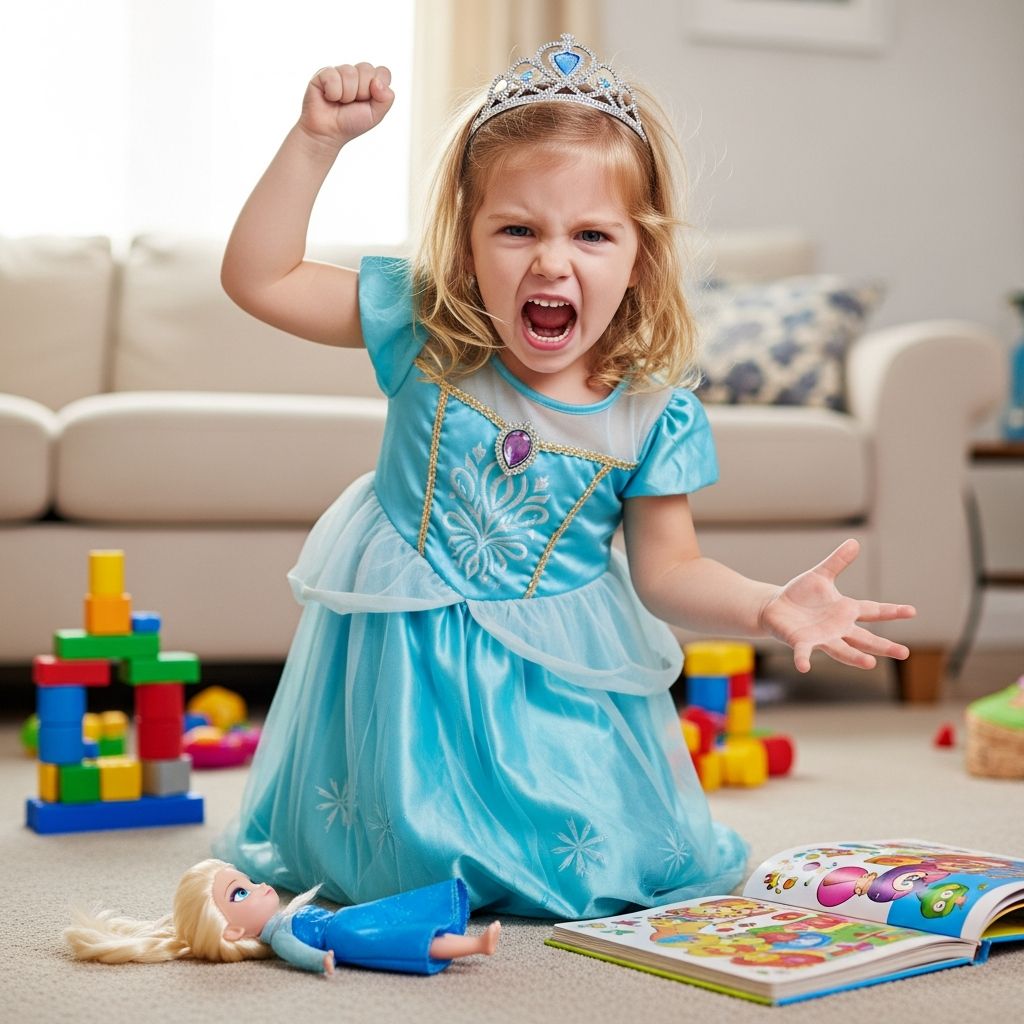
Every parent has a story about a meltdown that would be tragic if it weren’t so unexpectedly funny. A little girl’s epic rage about Elsa — the beloved ice queen from Disney’s Frozen — is exactly that kind of moment, equal parts comedy and crash course in child development. This kind of intense reaction is surprisingly normal in early childhood, especially when kids attach their big feelings to a favorite character or storyline.
Instead of seeing these outbursts as pure misbehavior, many parenting experts suggest treating them as windows into a child’s emotional world. In the case of Elsa, the character’s dramatic story and powerful song often become a safe target for kids’ own frustration, anxiety, and sense of unfairness.
Setting the Scene: A Little Girl, Big Elsa Feelings
The basic scenario is instantly recognizable: a young girl, totally devoted to Elsa, suddenly explodes in rage when something about Elsa feels wrong, unfair, or not under her control. Maybe the costume isn’t right, the show is paused, a sibling is “being Elsa wrong,” or the child is simply overwhelmed after a long day. What looks like a silly overreaction is, to a young child, a very real crisis.
Parents often laugh — quietly, or later — because the intensity is so out of proportion to the situation, yet so honest and unfiltered. The contrast between the child’s tiny size and enormous emotions creates the kind of humor that is deeply relatable for families living through the toddler and preschool years.
Why Kids Fixate on Characters Like Elsa
Elsa is more than a cartoon princess to many children; she represents power, independence, and the ability to change a situation with a single gesture or song. Young kids who lack that kind of control in real life can become emotionally attached to her story. They project their own wishes and frustrations onto her, and that attachment can sometimes show up as rage when things do not go as they imagined.
- Elsa’s dramatic emotions make it easy for kids to mirror similar intensity in their own reactions.
- The repetition of the movie and songs reinforces the character as a central part of a child’s internal world.
- Conflicts over costumes, toys, or pretend play can quickly feel like “Elsa is being ruined,” triggering outsized anger.
From a developmental standpoint, this kind of fixation can actually help children practice expressing and organizing strong emotions, as long as adults guide them toward healthy ways of doing so.
Toddler Rage: What’s Really Going On?
To an adult, screaming about Elsa might seem ridiculous, but for a toddler or preschooler, the rage is often a mixture of basic needs and growing complexity. Fatigue, hunger, overstimulation, or transitions (like leaving a favorite activity) can all amplify a child’s reaction to even a small disappointment involving a beloved character.
At this age, children’s brains are still learning how to connect emotional surges with logical thinking, language, and self-control. That is why a minor Elsa issue can rapidly snowball into a full-scale meltdown, especially if the child does not yet have the words or skills to explain what feels wrong.
Why Parents Find These Meltdowns So Funny
Parents often report feeling torn between empathy and amusement in moments like an Elsa rage episode. On one hand, they recognize their child’s suffering; on the other, the exaggerated seriousness of the complaint can feel like a scene from a comedy sketch. The child might be passionately arguing about dress color, hair placement, or a line in a song as if it were a life-or-death issue.
Humor becomes a coping tool for adults who deal with these emotional roller coasters day after day. Laughing gently, especially out of the child’s line of sight, can help release parental stress. It can also create fun memories that take some of the sting out of these tantrum-heavy stages once everyone has calmed down.
Laughing Without Mocking: Respecting Big Feelings
There is an important difference between finding the situation funny and mocking the child. Respectful humor focuses on the absurdity of the moment, not on shaming the child for having feelings. Parents who balance compassion with lightheartedness tend to preserve their connection while keeping their own stress levels manageable.
- Avoid imitating or exaggerating the child’s distress in a way that might feel mean or belittling.
- Share the funny side later, once the child is regulated, framing the story as a family anecdote rather than a joke at their expense.
- Validate the core emotion, even if the specific trigger seems silly from an adult point of view.
This approach allows parents to honor the child’s developmental stage while still embracing the very real humor of raising young kids.
How to Respond in the Moment
When a child is in full Elsa-rage mode, rational explanations rarely work right away. The focus should be on safety, emotional containment, and calm presence. Parents can offer simple choices and soothing language instead of launching into long reasoning or debates about what is or isn’t possible.
- Stay physically close, with a calm body and voice, signaling that the child is safe even while upset.
- Offer a brief reflection of the feeling, such as acknowledging anger or disappointment in simple terms.
- Set firm but kind limits if the rage includes hitting, throwing, or hurtful language toward others.
Once the emotional storm passes, there is more room for conversation, problem-solving, and humor. Many families find that revisiting the moment later, with everyone regulated, helps the child slowly build better coping skills.
Teaching Emotional Vocabulary Through Elsa Moments
Big reactions to fictional characters can become powerful teaching tools. When a child melts down over Elsa, parents can gradually help them put words to complicated feelings like jealousy, unfairness, or embarrassment. Using the character as a reference point often feels safer and less personal for the child.
- Ask gentle questions later, such as, “Were you more mad, sad, or worried when that happened with Elsa?”
- Connect the story: “Remember when Elsa felt scared and angry at the same time? Sometimes that happens to us, too.”
- Practice simple calming strategies tied to the character — for example, pretending to “freeze” the anger and then “let it go.”
This kind of playful language transforms an over-the-top rage into a bridge toward emotional literacy and self-awareness.
Family Rules, Boundaries, and Screen Time
Episodes of rage about Elsa or any other character often highlight broader family questions about rules and screen time. Children may want continuous access to favorite movies, songs, or costumes, and react fiercely when limits are enforced. Clear routines and consistent boundaries help reduce the frequency and intensity of power struggles.
| Trigger | Child Experience | Helpful Adult Response |
|---|---|---|
| Turning off the movie | Sudden loss of comfort and predictability | Give advance warnings, use timers, and offer a fun next activity |
| Sharing Elsa toys | Fear of losing control of a prized object | Practice turn-taking with short turns and lots of praise |
| Costume not available or damaged | Feeling that identity and fantasy are threatened | Empathize, then brainstorm creative alternatives together |
| Sibling “being Elsa wrong” | Frustration with others not matching internal script | Encourage flexible play, model compromise, and rotate roles |
Parents who hold firm to reasonable boundaries while still acknowledging how hard they can feel create a sense of safety and predictability. Over time, kids learn that disappointment is survivable and that family rules do not erase their love for Elsa or any other favorite character.
Turning Viral Moments Into Teachable Memories
Videos of children ranting passionately about favorite characters often spread quickly online because so many families see themselves in the chaos. When parents choose to share, the intention is usually to highlight the humorous side of child-rearing, not to embarrass the child. Still, it is worth considering privacy, consent as the child grows, and how the story will feel to them later.
Within the family, these moments can evolve into “remember when” stories that everyone laughs about together. Over time, the once-overwhelming Elsa rage becomes part of a shared narrative about growing up, learning self-control, and surviving the dramatic preschool years.
Lessons for Parents Hidden in Elsa Rage
Although an Elsa-themed meltdown might feel like a small parenting crisis, it also offers useful insights. The intensity of the reaction can alert adults to underlying stressors, such as lack of sleep, changes in routine, or social tensions at school or daycare. It can also reveal a child’s temperament, including sensitivity, persistence, and imagination.
- Highly sensitive children may react more strongly to minor disruptions involving beloved characters.
- Kids with powerful imaginations often blur the line between fantasy and reality, especially in emotionally charged play.
- Parents’ own stress levels influence how they interpret and respond to these explosive moments.
Recognizing these patterns gives caregivers a chance to adjust routines, expectations, and support strategies so that future meltdowns feel more manageable for everyone involved.
Practical Tips for Handling Character-Driven Meltdowns
Parents can take specific steps to make the next Elsa-style rage a little less overwhelming. Preparation, connection, and clear boundaries all play a role in smoothing out emotional spikes while preserving the fun and magic of favorite stories and characters.
- Build predictable routines around screen time and play, so kids know when to expect transitions.
- Practice calming tools when everyone is already calm — deep breaths, stretching, or singing a “cool-down” song.
- Keep communication short and simple during a meltdown, then expand later when the child is ready.
- Use humor gently, such as pretending to be a “calm Elsa coach,” instead of laughing directly at the child’s distress.
- Notice patterns: time of day, environment, and triggers that often precede rage episodes.
These habits help transform chaotic outbursts into opportunities for growth, reducing stress while preserving the joy that characters like Elsa bring into family life.
FAQs About Toddler Rage and Favorite Characters
Is it normal for my child to scream and cry over a movie character?
Yes, it is very common for toddlers and preschoolers to react intensely to fictional characters. Their emotional systems are still developing, and they often experience stories as if they are real, especially when they feel deeply attached to a character.
Should I limit Elsa or similar content if it seems to cause meltdowns?
Moderation and consistency are more effective than sudden bans. Creating clear rules around when and how your child can watch or play, combined with plenty of real-world activities, usually reduces emotional overload without requiring you to remove the character entirely.
How can I help my child calm down during an Elsa-related tantrum?
Stay close, keep your voice calm, and acknowledge their feelings in simple language. Once the child begins to settle, you can offer comfort, a drink of water, a cuddle, or a shift to a quieter activity, and later talk briefly about what happened.
Is it okay to think the meltdown is funny?
Finding the situation funny is a natural response, especially when the complaint seems minor in adult terms. The key is to avoid making the child feel mocked; save the laughter for private moments or later retellings that gently include the child once they can laugh along with you.
What if my child’s rage seems out of control or constant?
If intense meltdowns happen very frequently, interfere with daily life, or include self-harm or aggression that feels unmanageable, it may be helpful to consult a pediatrician or child mental-health professional. They can screen for developmental, sensory, or emotional factors and guide you toward tailored support.
From Tiny Rages to Big Resilience
In the end, a funny little girl’s rage about Elsa is more than just a viral clip or a family story; it is a snapshot of a child learning how to be a person in a big, confusing world. With patient guidance, respectful humor, and consistent boundaries, these dramatic moments become stepping stones toward emotional resilience.
Parents who can see both the comedy and the developmental significance of such episodes are better equipped to support their children — and themselves — through the stormy but unforgettable early years.