Turning seven is a milestone: kids are more independent, full of opinions, and ready for more complex games and themes. This guide walks you through original, practical birthday ideas so you can throw a party that feels special without feeling overwhelmed.
Understanding Seven-Year-Olds: What Makes a Great Party?
Seven-year-olds sit at a fun crossroads. They are old enough to follow rules and enjoy team games, but still young enough to dive fully into imaginative play and simple activities. The best parties for this age balance structure with freedom, leaving space for kids to run around, be silly, and create their own fun.
- Keep activities simple to explain and quick to set up.
- Mix high-energy games with calmer, creative stations to avoid meltdowns.
- Plan for 2–3 hours of party time, which is usually the sweet spot at this age.
Step-by-Step Planning Timeline
Even the most creative party becomes stressful if it is all done the night before. Use this planning outline as a flexible guide rather than a strict rulebook.
| Time Before Party | Main Tasks |
|---|---|
| 4 weeks | Set budget, choose theme, book venue if needed, draft guest list. |
| 3 weeks | Send invitations, brainstorm games and activities, start DIY decor ideas. |
| 2 weeks | Buy or order decorations, favors, and nonperishable supplies; finalize menu. |
| 1 week | Confirm RSVPs, create game schedule, prepare any printed materials (signs, score sheets, clue cards). |
| 1–2 days | Prep food that can be made ahead, set up decor where possible, organize game supplies into labeled bins. |
| Party day | Finish decorations, arrange food and activity stations, keep schedule flexible but visible. |
Theme Ideas That Spark Imagination
You do not need an elaborate Pinterest-perfect setup to impress a group of seven-year-olds. Choose a theme that reflects your child’s current interests and build a simple plan around colors, a few props, and one or two themed activities.
- Backyard Explorer Adventure: Think magnifying glasses, leaf rubbings, bug hunts (with toy insects if you prefer), and a “field journal” for each child.
- Mini Makers Lab: Set up stations for building with recyclables, simple science experiments, or LEGO challenges.
- Cozy Book Nook Party: Guests come in pajamas, listen to a fun read-aloud, decorate bookmarks, and build blanket forts.
- Color Splash Party: Pick one or two bold colors and carry them through balloons, tableware, and a simple art project like spin art or sponge painting.
- Sports & Skills Camp: Turn your yard into a mini camp with rotating stations: dribbling, relay races, obstacle course, and a silly “coach” (maybe a grown-up in a whistle and cap).
Indoor Party Ideas for Any Weather
Indoor parties work well for winter birthdays, small spaces, or when you want more control over the schedule. Focus on activities that do not require a huge area but still feel active and engaging.
- DIY Game Show: Create teams and play quick rounds of age-appropriate trivia, picture guessing, or charades. Use a whiteboard or paper score sheet and give simple prizes like stickers.
- Craft Studio Session: Offer 2–3 choices, such as decorating tote bags, designing friendship bracelets, or personalizing pencil cases. Lay down a plastic tablecloth for easy clean-up.
- Build-It Challenge: Provide building bricks, wooden blocks, or magnetic tiles and set short challenges, for example “build the tallest tower” or “design a bridge for toy cars.”
- Indoor Obstacle Course: Use pillows, chairs, masking tape lines, and hula hoops to create a simple course. Time kids individually or cheer them through as a group.
- Home Cinema Experience: Show a favorite movie after cake time with popcorn cups, dimmed lights, and cozy blankets. Keep it short so there is still time for free play.
Outdoor Parties Packed With Energy
If you have access to a yard or park, seven-year-olds can happily spend most of the party outside. Plan a handful of structured games, then allow a free-play window at the end when everyone is warmed up and comfortable.
- Backyard Carnival: Set up simple stations: ring toss, beanbag throw, “knock down the cups,” or a balloon target game. Kids win tickets that they exchange for small prizes.
- Field Day Fun: Organize relay races, sack races, a three-legged race, and a silly parade. Play upbeat music and keep the score system lighthearted.
- Water Play Bash: For warm days, offer sprinklers, sponge toss, and small water tables. Establish a clear “no spraying faces” rule and have towels ready.
- Nature Quest in the Park: Create a scavenger hunt list: “something smooth,” “something yellow,” “a Y-shaped stick.” Kids can work in pairs to encourage teamwork.
- Bike & Wheels Party: If your location is safe, invite guests to bring bikes, scooters, or skates. Mark a simple course with chalk and run a “parade of wheels.”
Low-Prep Games Kids Never Get Tired Of
You do not need a massive stash of supplies to entertain second-graders. A few familiar games with small twists can fill big chunks of time and encourage everyone to join in.
- Treasure Walk: Hide small items around one room and give kids a picture list instead of words for early readers. They check off each object as they spot it.
- Balloon Challenges: Try “keep the balloon in the air,” balloon volleyball over a string, or balloon relay races balanced on a spoon.
- Freeze & Go: Play music and have kids dance or act out animals. When the sound stops, everyone freezes in place until it starts again.
- Pass the Parcel with Tasks: Wrap a small prize in many layers of paper. Between each layer, place a silly action (e.g., “roar like a lion”) instead of additional prizes.
- Shape Hunt Bingo: Make bingo cards with simple shapes or colors. Kids walk around the party space trying to find matches and mark off their cards.
Creative Activities and Take-Home Keepsakes
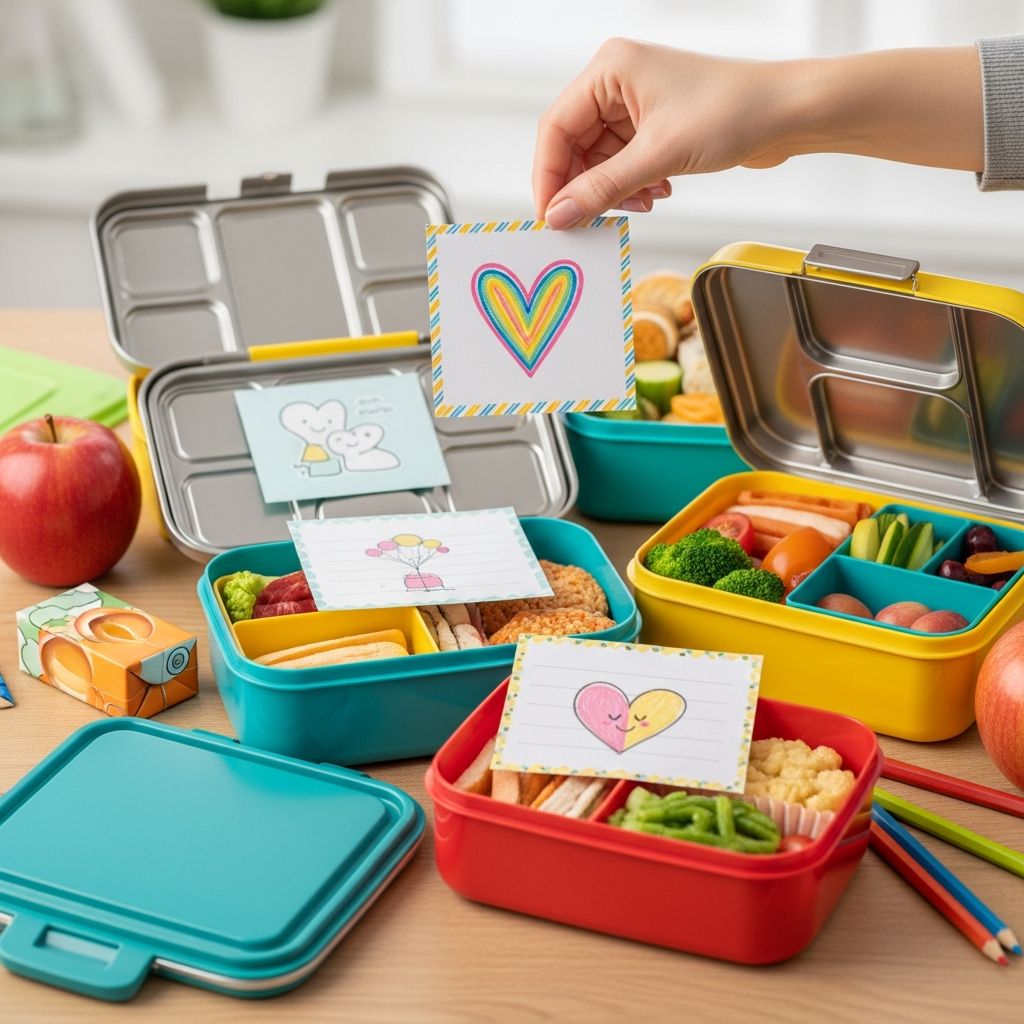
At this age, kids love taking home something they made themselves. Skip expensive goody bags full of trinkets and let one thoughtful project double as both an activity and a party favor.
- Decorate-Your-Own Party Hat: Provide plain paper hats, stickers, markers, and washi tape. Take a group photo once everyone is finished.
- Personalized Water Bottles: Give each child a blank bottle and adhesive letters, foam shapes, or paint pens suited to plastic. These make practical souvenirs.
- Mini Canvas Art: Set out small canvases, paint, and smocks. Encourage kids to paint their favorite animal, food, or dream house.
- Story Starter Booklets: Fold and staple a few pages into a booklet with a fun prompt on the first page. Kids draw or write the rest of the story.
- DIY Slime or Putty Bar: With supervision, help kids make simple slime or putty and store it in labeled containers to take home.
Simple Food Ideas Kids Actually Eat
Seven-year-olds are often hungry but easily distracted. Finger foods and simple choices tend to work better than elaborate dishes. Keep allergy considerations and any school or venue rules in mind as you plan.
- Build-Your-Own Snack Trays: Offer small compartments of crackers, sliced cheese, veggies, fruit, and dips. Kids can assemble their own plates.
- Mini Mains: Think mini sandwiches, small wraps, or bite-sized pizza squares that are easy to hold and eat quickly.
- Fruit Rainbow Platter: Arrange colorful fruit in rows across a large platter and add yogurt or chocolate dip on the side.
- DIY Dessert Topping Station: Serve plain cupcakes, brownies, or ice cream with a few toppings like sprinkles, crushed cereal, or fruit pieces.
- Hydration Station: Set up pitchers of water and one or two juice options with cups labeled by name to limit waste.
Budget-Friendly Party Strategies
Memorable does not have to mean expensive. With a little planning and creativity, you can host a party that feels special while staying well within your budget.
- Limit the guest list to what feels manageable for your space and your wallet.
- Choose one or two standout elements (such as a themed cake or a photo backdrop) and keep the rest simple.
- Repurpose items you already own: sheets as backdrops, jars as centerpieces, or toys as themed decor.
- Host the party between main meals so you can serve snacks instead of a full lunch or dinner.
- Team up with another family celebrating a birthday close in date and share costs and responsibilities.
Party Schedule Example for a 7th Birthday
Every family is different, but having a loose plan for the party helps keep things moving while still giving kids room to play. Adjust timing and activities to suit your child’s energy and the number of guests.
| Time | Activity |
|---|---|
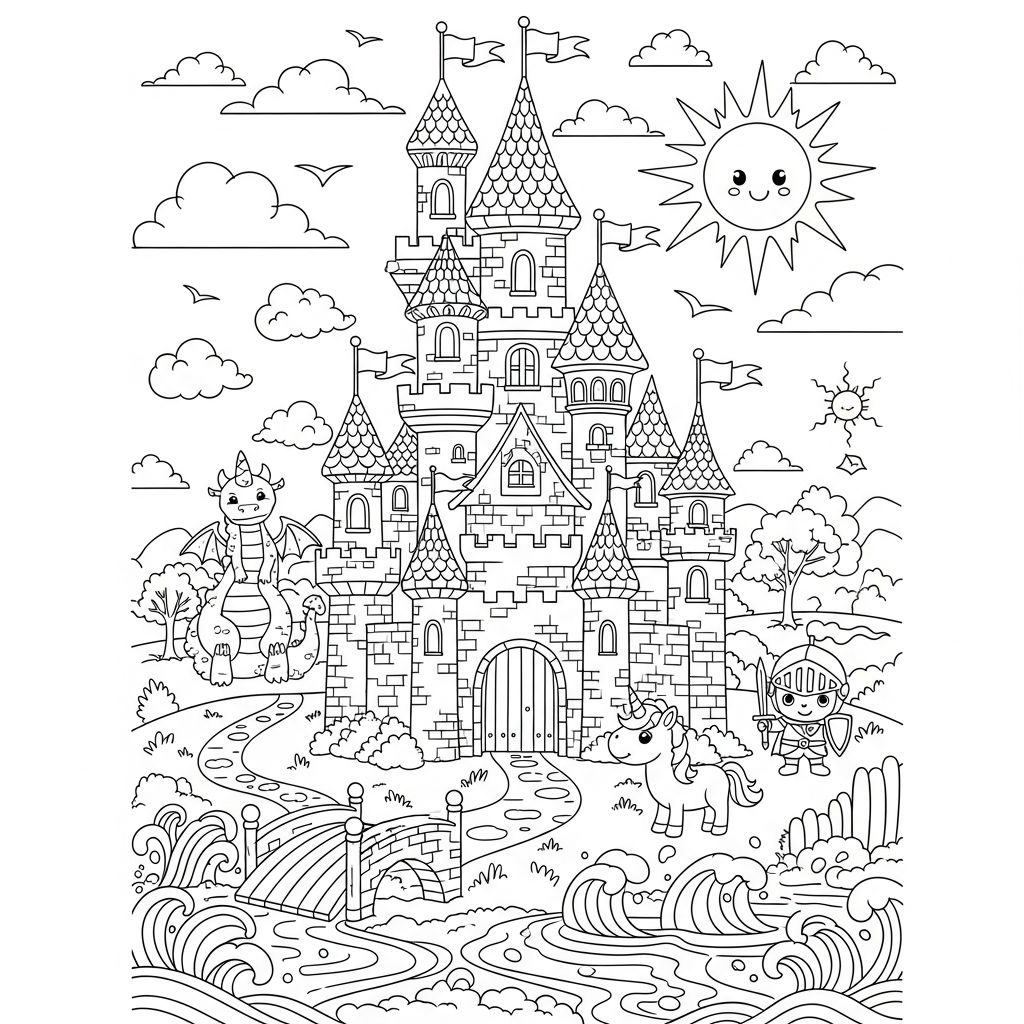
| 0:00–0:15 | Guests arrive, free play or simple coloring/activity sheets. |
| 0:15–0:35 | Icebreaker game and one active group game. |
| 0:35–1:05 | Main activity or craft tied to the party theme. |
| 1:05–1:25 | Food and drinks, casual conversation, background music. |
| 1:25–1:40 | Cake, birthday song, and photos. |
| 1:40–2:00 | Final game or outdoor play, hand out favors as guests leave. |
Safety and Sensory Considerations
At seven, some children are still sensitive to loud noise, crowded spaces, or intense competition. A few thoughtful adjustments can make the celebration more inclusive and comfortable for everyone.
- Offer a small “quiet corner” with books, puzzles, or soft toys for anyone who needs a break.
- Use music at a moderate volume and avoid constant loud sound effects.
- Balance competitive games with cooperative challenges where the group works toward a shared goal.
- Ask caregivers in advance about allergies, medical needs, or sensory sensitivities.
Making the Birthday Child Feel Special
Beyond decorations and games, the true heart of the party is the birthday child feeling seen and celebrated. A few small rituals can make this seventh birthday feel truly meaningful.
- Let your child help choose the theme, cake flavor, and one game or activity.
- Create a simple “birthday interview” board with questions about their favorite things at age seven.
- Give them a small role during the party, such as announcing games or handing out favors.
- End the day with a quiet family moment, like reading messages from guests or looking through photos together.
Frequently Asked Questions About 7th Birthday Parties
How long should a 7th birthday party last?
Most seven-year-olds do best with a party that lasts about two to three hours. Shorter than that can feel rushed, while much longer can lead to tired, overstimulated kids and stressed parents.
How many kids should I invite?
The right number depends on your space, budget, and comfort level, but many families choose somewhere between 6 and 12 guests. You can also use a simple guideline like inviting one or two friends for each year of your child’s age, then adjusting as needed.
Do I need to invite the whole class?
Inviting the entire class is not required unless your school or community has a specific expectation or policy. If you decide to keep the list small, be discreet with invitations and pickups so no one feels left out.
Should parents stay at the party?
At seven, some families are comfortable dropping kids off, while others prefer to stay. You can indicate your preference clearly on the invitation and plan for at least one adult for every four to five children for safety and smooth hosting.
Is it okay to skip goody bags?
Absolutely. Many families now choose one meaningful take-home item instead, such as a craft, a small book, or a photo from the party. The main goal is to thank guests for coming, not to send them home with a bag of items they may not use.
What if the weather ruins my outdoor plans?
Always have a simple indoor backup plan, even if you do not fully set it up in advance. A few board games, a movie, and a craft station can easily replace outdoor activities if the weather changes.
With a little planning and a focus on what your seven-year-old truly enjoys, you can create a birthday celebration that feels personal, joyful, and manageable. Choose a few ideas that fit your family, stay flexible, and remember that connection and laughter matter far more than perfection.