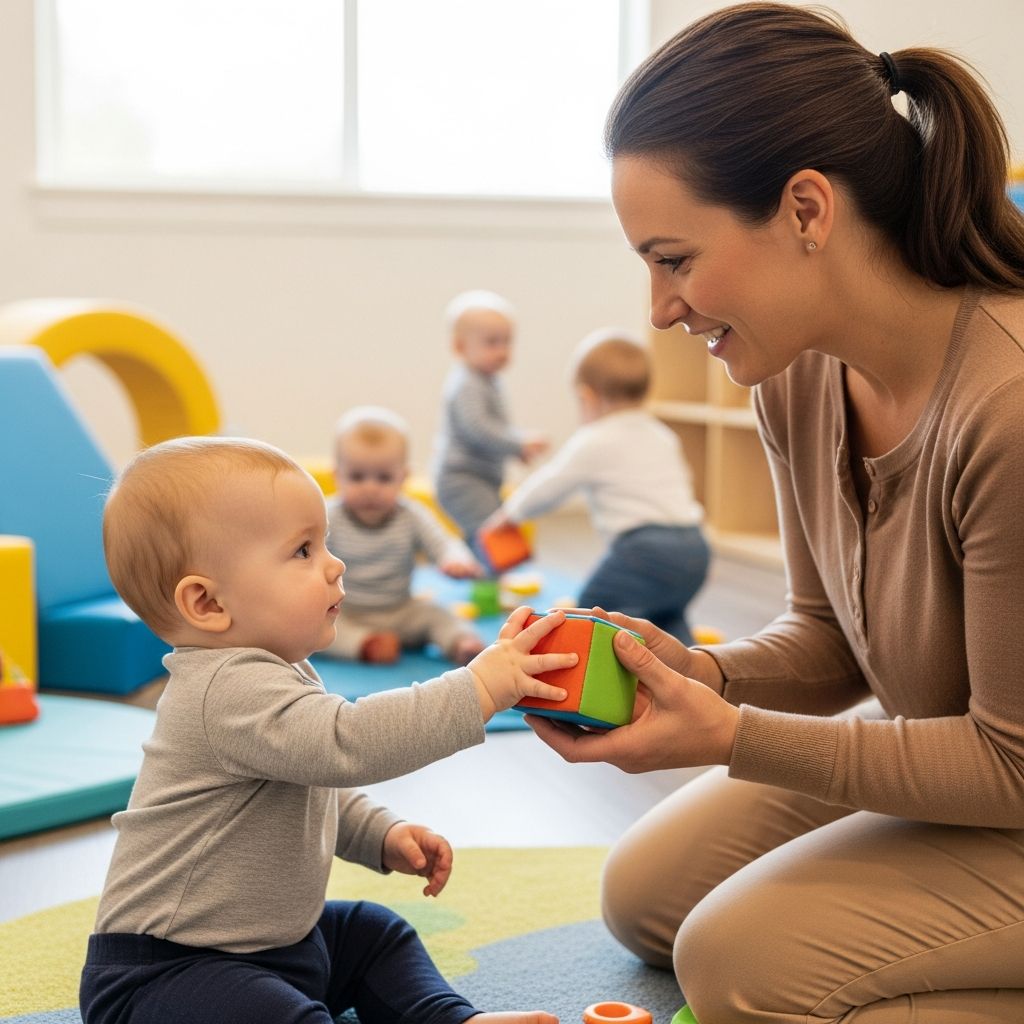
Parenting brings profound rewards alongside daily hurdles. Cultivating specific habits empowers parents to experience greater fulfillment while nurturing thriving children. These practices, rooted in psychological research, emphasize balance, connection, and self-awareness.
Embracing Balance in Your Parenting Approach
The foundation of joyful parenting lies in approaching responsibilities with dedication yet flexibility. Parents who commit fully to their role without succumbing to perfectionism report higher satisfaction levels. This mindset allows space for spontaneity and reduces burnout.
Research from the University of California at Berkeley highlights how balanced parenting fosters resilience in children, enabling them to adapt to life’s changes effectively. By modeling this equilibrium, parents demonstrate that seriousness about growth does not require rigidity.
- Commit to core values like empathy and growth without rigid schedules.
- Allow room for play and unplanned moments to recharge family energy.
- Reframe setbacks as learning opportunities rather than failures.
Implementing this habit starts with daily reflection: What went well today? What can adjust tomorrow? Over time, this builds a lighter, more sustainable parenting style.
Cultivating Authentic Integrity at Home
Living true to one’s principles strengthens parental confidence and models vital behavior for children. Integrity means aligning actions with values, even in small decisions, creating a cohesive family environment.
Happy families exhibit commitment where members feel valued and supported, sticking together through challenges. Parents who embody this through consistent, value-driven choices inspire trust and security in their kids.
| Daily Choice | Impact on Family |
|---|---|
| Saying no to distractions | Increases quality time together |
| Honoring promises | Builds reliability and trust |
| Admitting mistakes | Teaches humility and repair |
To practice integrity, identify three non-negotiable family values weekly—such as kindness, honesty, or perseverance—and weave them into routines. This authenticity reduces internal conflict and amplifies joy.
Building Emotional Connections Through Attunement
Emotionally attuned parents sync with their children’s feelings, creating secure attachments. This ‘radar’ for emotions helps kids feel understood, a cornerstone of joy-filled upbringing.
Neuroscience supports that attuned parenting enhances brain development for emotional regulation. Parents meet children where they are emotionally, rather than expecting kids to read parental cues.
- Observe nonverbal cues like body language or tone shifts.
- Reflect back feelings: “You seem frustrated—want to talk?”
- Prioritize presence over problem-solving initially.
For infants, attunement involves responsive caregiving; for teens, active listening during conflicts. Consistent practice deepens bonds and equips children for healthy relationships.
Fostering Resilience with Supportive Recovery
Helping children recover from upsets builds ‘bounce’—the ability to rebound emotionally. Parents guide this process relationally, turning distress into growth opportunities.
Studies show kids in supportive families develop superior adaptability, bouncing back from hardships more effectively. Positive emotions act as ‘nutrients’ for physical and mental health.
Key strategies include:
- Staying engaged during emotional lows without rushing fixes.
- Using phrases like “It’s okay to feel this; it’ll pass.”
- Celebrating small recoveries to reinforce capability.
This habit varies by age: co-regulation for young ones, coaching for older kids. Parents benefit too, as modeling resilience enhances their own emotional strength.
Growing Through Gentle, Visionary Guidance
Correction delivered with care—after attunement and bounce—focuses on growth rather than shame. Parents lead with vision for their child’s good, maintaining relational warmth.
Effective guidance disciplines with engagement, helping kids internalize positive behaviors across life stages. This approach outperforms punitive methods, promoting long-term self-regulation.
| Age Group | Correction Style |
|---|---|
| Infants/Toddlers | Redirection with comfort |
| School-Age | Explain rules, natural consequences |
| Teens/Adults | Collaborative problem-solving |
Practice by pausing before reacting: Attune, support bounce, then guide. This sequence ensures corrections build up rather than tear down.
Nurturing Joy Via Positive Interactions
Happy families amplify positives, with interactions favoring encouragement over criticism at a 3:1 ratio or higher. Celebrations, communication, care, and cuddles form the bedrock.
- Celebrate: Cheer small wins daily, attend events enthusiastically.
- Communicate: Listen device-free, value all voices.
- Care: Use courteous words, show thoughtfulness routinely.
- Cuddle: Offer age-appropriate affection to convey love nonverbally.
These micro-habits compound, creating resilient, healthy family dynamics. Parents who prioritize them report deeper satisfaction and stronger bonds.
Maintaining Personal Well-Being as a Parent
Joyful parenting requires parental self-care. Habits like boundary-setting and memory-making prevent resentment and sustain energy.
Connect more by yelling less; affirm yes to meaningful activities. Working with personal strengths tailors parenting effectively.
Daily integration:
- Schedule solo recharge time weekly.
- Create family rituals for lasting memories.
- Align routines with family strengths.
This holistic approach ensures parents model joy, inspiring children to carry it forward.
Frequently Asked Questions
Can these habits work for single parents?
Yes, attunement and bounce are adaptable to any family structure, focusing on quality connections over quantity.
How long until I see changes?
Noticeable shifts in family dynamics often emerge within 4-6 weeks of consistent practice.
What if my partner doesn’t participate?
Lead by example; individual efforts influence the whole family positively over time.
Are these habits backed by science?
Absolutely, drawn from neuroscience and positive psychology research on attachment and resilience.
How to handle high-stress periods?
Double down on attunement and self-care; simplify routines to maintain core practices.
Integrating Habits for Lifelong Family Harmony
These interconnected practices—balance, integrity, attunement, resilience, guidance, positivity, and self-care—form a robust framework. Start small, track progress, and adjust. Families adopting them report not just happiness, but deep, sustainable joy.
Parenting transforms through intentionality. Embrace these keys to unlock fulfillment today.
References
- Blocks’ Research on Resilience in Children — Jeanne and Jack Block, University of California at Berkeley. 1990s (seminal study, foundational for resilience field). https://psychcentral.com/lib/5-habits-of-happy-families
- The 4 Habits of Raising Joy-Filled Kids Overview — Dr. Marcus Warner, Deeper Walk International. 2023. https://www.youtube.com/watch?v=kDcsh3cfvZA
- Positive Emotions as Nutrients — Bethany Kok and Barbara Fredrickson, University of North Carolina. 2017 (peer-reviewed, key positive psychology source). https://psychcentral.com/lib/5-habits-of-happy-families
- 4 Habits of Raising Joy-Filled Kids — Chris Coursey and Marcus Warner. Recent publication. https://4habits.org/4-habits-of-raising-joy-filled-kids/
- Habits of a Happy Family Resource — Build Your Best Family. Ongoing. https://www.buildyourbestfamily.com/happyfamily