At age six, children transition into more structured school environments, showing remarkable advances in coordination, thinking, and relationships. This stage marks a pivotal shift where kids gain independence while refining foundational skills for lifelong learning.
Physical Advancements in Movement and Coordination
Six-year-olds exhibit enhanced gross motor abilities, enabling them to participate confidently in playground activities and sports. They typically run smoothly, skip alternately, and jump with both feet leaving the ground simultaneously. Balance improves, allowing them to walk on a line or balance on one foot for several seconds.
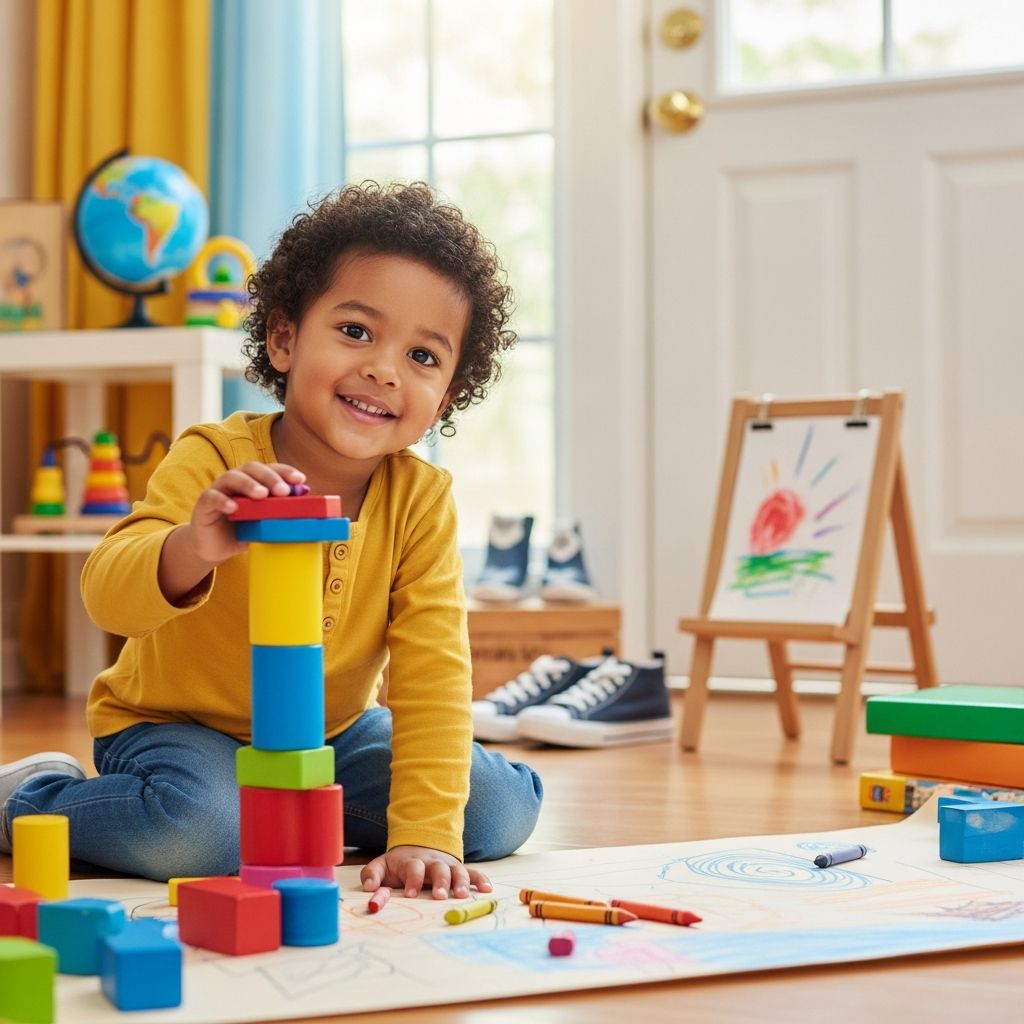
Fine motor skills also progress, with children using scissors safely to cut straight lines and drawing detailed figures, such as people with at least six body parts including facial features. Handwriting becomes legible as they copy shapes and write their names with increasing accuracy.
- Mastery of skipping rope or hopping on one foot
- Improved ball handling: throwing, catching, and kicking with control
- Dressing independently, managing buttons and zippers more reliably
- Growth spurt: averaging 2-3 inches and 4-6 pounds annually
These changes support active lifestyles, but parents should encourage daily physical activity to build strength and prevent obesity risks associated with sedentary habits.
Cognitive and Learning Achievements
Cognitively, six-year-olds grasp basic concepts like numbers, time, and directions. They count to 10 or higher, recognize common shapes, and understand positional words such as ‘under’ or ‘behind.’ Reading begins with simple words and sight vocabulary, while they decode unfamiliar terms using phonics.
Attention span extends to 15-20 minutes on engaging tasks, fostering school success. They solve simple addition and subtraction problems mentally and categorize objects by attributes like color or size.[10]
| Skill Area | Expected Milestone | Support Strategies |
|---|---|---|
| Math | Counts objects accurately up to 10; basic addition/subtraction | Use manipulatives like blocks or counters |
| Reading | Reads simple sentences; recognizes 50+ sight words | Daily read-aloud sessions and phonics games |
| Memory | Repeats 3-4 digits forward/backward | Memory matching games and sequencing activities |
These milestones align with first-grade curricula, emphasizing logical thinking and problem-solving.
Language and Communication Progress
Language explodes at this age, with full sentences of 6-8 words spoken clearly and grammatically correct most times. Six-year-olds describe events, retell stories, and enjoy wordplay like rhymes or puns, signaling emerging humor.
They follow multi-step directions, such as ‘Pick up your toys, wash your hands, then sit for snack,’ and engage in conversations, asking ‘why’ questions to explore the world.
- Spells simple words like their name
- Understands jokes and multiple word meanings
- Narrates picture books coherently
- Uses future tense appropriately
Encourage vocabulary by discussing daily experiences and limiting screen time to promote verbal interactions.
Social Dynamics and Friendship Building
Socially, children prefer peer play over solitary activities, forming best friendships and understanding group rules. They cooperate in games, take turns, and show empathy by comforting upset friends.[10]
Imagination fuels role-play, like pretending to be teachers or superheroes. While family remains central, admiration for teachers or coaches grows.
Challenges include occasional conflicts over sharing or rules, teaching negotiation skills. Organized sports introduce teamwork, boosting confidence.
Emotional Regulation and Self-Awareness
Emotionally, six-year-olds name feelings like happy, sad, or angry, expressing them verbally rather than through tantrums. Independence surges as they dress, groom, and tidy up with minimal prompting.
They understand consequences, showing pride in achievements and mild frustration with failures. Bedtime routines solidify, with preferences for familiar rituals.
- Develops self-esteem from successes
- Manages minor disappointments
- Shows concern for others’ emotions
- Prefers routine for security
Foster resilience by praising effort over innate talent, helping them build a growth mindset.[10]
Daily Routines and Self-Care Habits
Independence shines in hygiene: brushing teeth twice daily, bathing without supervision, and choosing outfits. Losing baby teeth begins, with first permanent molars erupting—emphasize consistent oral care.
Nutrition supports growth; offer balanced meals with fruits, veggies, proteins, and whole grains. Sleep needs: 10-12 hours nightly for optimal brain development.
Screen guidelines: no more than 1-2 hours recreational daily, prioritizing active play.
Potential Concerns and When to Seek Help
Most six-year-olds meet these benchmarks, but variations occur. Consult a pediatrician if your child struggles with: reading readiness, frequent clumsiness, extreme shyness, or aggression.
- Difficulty following 2-3 step instructions
- Persistent speech unclear to strangers
- Avoids peer interactions
- Regression in skills like potty training
Early intervention via programs like those from CDC can address delays effectively.
Parenting Strategies for Nurturing Development
Support growth through play-based learning: outdoor adventures for physical skills, board games for cognition, and storytelling for language. Model positive behaviors, as kids imitate adults.
Set clear limits with consistent consequences. Encourage questions to spark curiosity. Balance structure with free play for creativity.
| Activity Type | Benefits | Examples |
|---|---|---|
| Physical | Builds strength, coordination | Bike riding, soccer, yoga |
| Cognitive | Enhances problem-solving | Puzzles, science experiments |
| Social | Fosters empathy, cooperation | Playdates, team sports |
Frequently Asked Questions (FAQs)
Is my 6-year-old on track if they can’t read fluently yet?
Yes, reading varies; focus on phonics and enjoyment. Most achieve fluency by end of first grade. Monitor progress with teachers.
How much exercise does a 6-year-old need daily?
At least 60 minutes of moderate-vigorous activity, mixing structured sports and free play.
What if my child is overly shy around peers?
Gradual exposure via small groups helps. If persistent, discuss with pediatrician for social skills support.[10]
Should I worry about picky eating?
Common at this age; offer variety without pressure. Growth remains steady despite preferences.
How can I help with homework focus?
Create a quiet space, break tasks into 15-minute chunks, and use timers for breaks.
References
- Developmental Milestones for Grade Schoolers (6–12-Years) — Coral Care. 2023. https://www.joincoralcare.com/developmental-guides/milestones-grade-schoolers-6-12-years
- 6 Year Old Child Developmental Milestones — WebMD. 2023-10-15. https://www.webmd.com/parenting/child-at-6-milestones
- Developmental Milestones — Children’s Hospital of Philadelphia (CHOP). 2024. https://www.chop.edu/primary-care/developmental-milestones
- 6- to 8-year-olds: Ages and stages of youth development — Michigan State University Extension (MSU). 2022-05-10. https://www.canr.msu.edu/news/6_to_8_year_olds_ages_and_stages_of_youth_development
- Milestones for 6-Year-Olds — Kaiser Permanente. 2024. https://healthy.kaiserpermanente.org/health-wellness/health-encyclopedia/he.milestones-for-6-year-olds.ue5723
- CDC’s Developmental Milestones — Centers for Disease Control and Prevention (CDC). 2025-01-10. https://www.cdc.gov/act-early/milestones/index.html
- Growth & Development: 6 to 12 Years (School Age) — CHOC Children’s. 2024. https://choc.org/ages-stages/6-to-12-years/