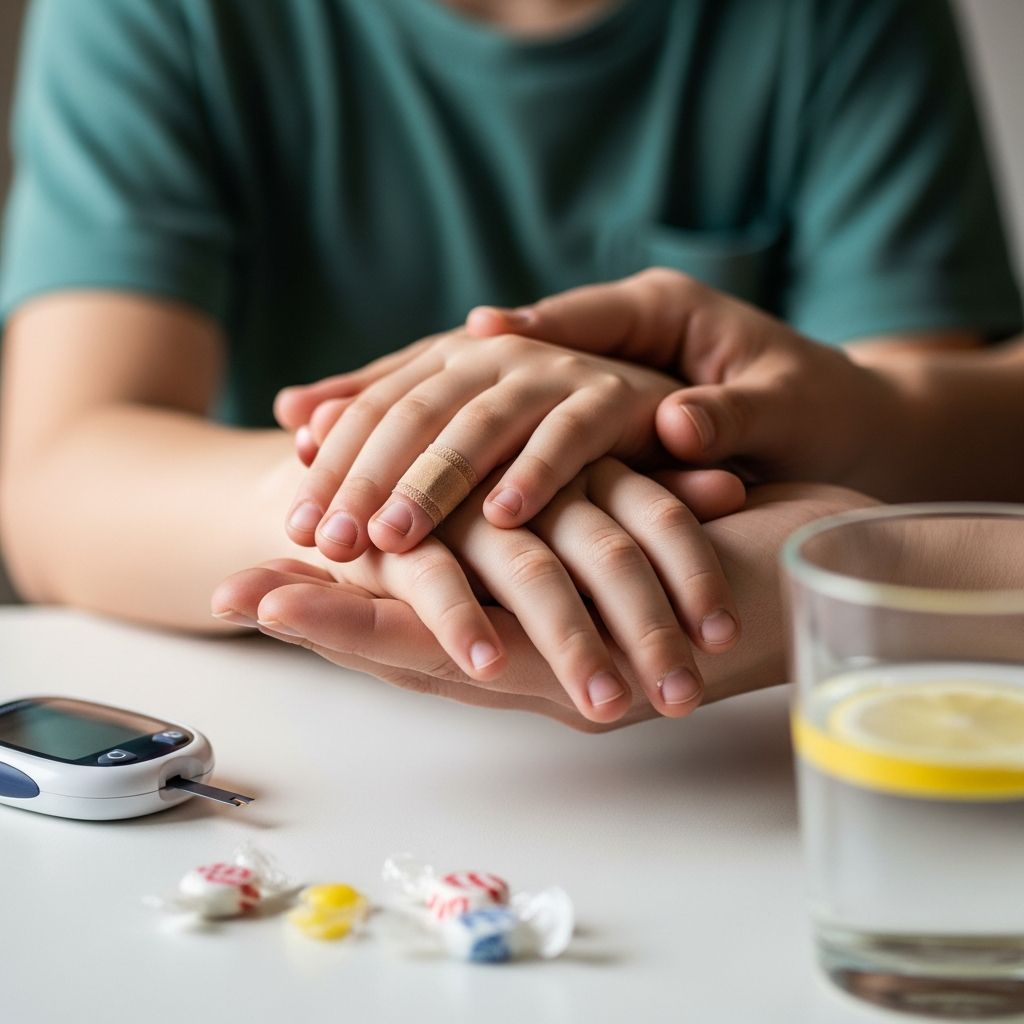
Your child’s 6-year-old checkup is a pivotal health milestone, typically aligning with the start of first grade. This annual well-child visit allows pediatricians to assess physical growth, developmental progress, and overall well-being while administering necessary vaccinations and screenings. Parents play a crucial role by preparing questions and observations about their child’s school experiences, social interactions, and daily habits.
Understanding the Purpose of the Visit
At age 6, children transition from preschool to formal schooling, bringing new challenges like academic pressures and peer dynamics. The checkup evaluates how well your child is adapting, identifying any issues early. Pediatricians follow guidelines from organizations like the American Academy of Pediatrics (AAP), ensuring comprehensive care that includes emotional health alongside physical checks.
This visit builds on prior appointments, focusing on kindergarten readiness and long-term health foundations. Expect discussions on sleep patterns, eating habits, screen time, and family dynamics to gauge holistic development.
Physical Examination and Vital Checks
The core of the visit is a thorough physical exam. Doctors measure height, weight, and body mass index (BMI) to plot growth curves, ensuring your child follows a healthy trajectory. Blood pressure screening may occur, especially if risk factors like family history exist.
Vision and hearing tests are standard, as school demands sharp sensory skills. Instrument-based tools or chart readings detect issues like nearsightedness or hearing loss early. An oral health evaluation checks teeth for cavities, alignment, and hygiene, often applying fluoride if no recent dental visit.
Other checks include examining heart, lungs, abdomen, and extremities for anomalies. If risks are present, tests for lead exposure, cholesterol (dyslipidemia), or anemia might be ordered.
Immunization Schedule Highlights
Vaccinations protect against serious diseases as immunity wanes. At 6 years, expect these boosters:
- DTaP (5th dose): Guards against diphtheria, tetanus, pertussis.
- IPV (4th dose): Polio prevention.
- MMR (2nd dose): Measles, mumps, rubella.
- Varicella (2nd dose): Chickenpox.
- Influenza: Annual flu shot, timed for season.
Schools require proof; obtain records from your pediatrician. Catch-up shots for hepatitis A/B, Hib, or pneumococcal may apply if missed. COVID-19 updates depend on guidelines. Use distraction techniques like deep breaths to ease shot anxiety.
Tracking Developmental Milestones
By 6, children refine gross and fine motor skills, language, and cognition. Pediatricians observe or query about:
| Domain | Expected Milestones |
|---|---|
| Gross Motor | Hopping, balancing on one foot, riding a bike without training wheels |
| Fine Motor | Drawing detailed pictures, writing name, using utensils proficiently |
| Language | Clear speech, storytelling, understanding jokes |
| Social/Emotional | Making friends, following rules, empathy expression |
| Cognitive | Counting to 100, recognizing time concepts, simple problem-solving |
Direct questions to the child reveal school adjustment and emotional health. Behavioral assessments screen for issues like anxiety or ADHD precursors.
Nutrition and Healthy Eating Habits
Balanced nutrition fuels growth spurts and brain development. Aim for:
- Fruits/Vegetables: 2-3 servings fruits (e.g., 1/2 fresh piece), 1-2 vegetables (1/4 cup cooked).
- Dairy: 2-3 servings for calcium (1,000 mg/day), like 1/2 cup milk or 1 oz cheese.
- Proteins: 2 servings, e.g., 1 oz meat or 1/3 cup beans.
- Whole grains, limited sugars/juices.
Encourage family meals, breakfast routines, and hunger cues. School lunches should prioritize veggies, fruits, and water.
Promoting Physical Activity and Sleep
Children need 60 minutes daily moderate-to-vigorous activity: running, biking, sports. Limit sedentary screen time to 2 hours outside schoolwork.
Sleep 9-12 hours nightly in a dark, quiet room. Consistent bedtimes support focus and mood.
Safety Measures for School-Age Kids
Safety talks cover home, school, neighborhood:
- Car/Seatbelts: Rear-facing or booster as needed; always back seat.
- Bike/Street: Helmet, look left-right-left crossing, adult supervision.
- Water/Playground: Swim lessons, no unsupervised pools, fenced areas.
- Stranger Danger: No touch rules, know trusted adults.
- Firearms: Locked/unloaded if present.
Supervise play; 6-year-olds aren’t ready for independent cooking or babysitting.
Oral Health and Hygiene Essentials
Twice-yearly dentist visits recommended. Daily: brush 2x with fluoride toothpaste (smear for under 3, pea-size after), floss once. Limit sugary snacks/drinks; assist if needed.
How Parents Can Prepare Effectively
Before the visit:
- Record growth measurements, symptoms, school reports.
- Note diet, activity, sleep logs.
- List questions on behavior, friends, safety.
- Update vaccination history.
Bring school forms. Involve child in discussions for comfort.
Common Parental Concerns Addressed
Worries include growth lags, picky eating, bullying. Doctors provide tailored advice, referring specialists if needed (e.g., speech therapy).
Follow-Up and Next Steps
Next visit at 7 years. Annual checkups continue through age 20. Watch for red flags: persistent fevers, weight changes, breathing issues—seek immediate care.
Frequently Asked Questions (FAQs)
What vaccines are given at the 6-year checkup?
Typically DTaP (5th), IPV (4th), MMR (2nd), Varicella (2nd), and flu annually.
Does my child need vision/hearing tests?
Yes, standard to support school learning.
How much should a 6-year-old eat daily?
Balanced plates: fruits/veggies, dairy, proteins; 1,000mg calcium.
Is 60 minutes of exercise required daily?
Yes, for physical and mental health.
When to worry about development?
If milestones lag; discuss with doctor.
References
- Your Checkup Checklist: 6 Years Old — HealthyChildren.org (American Academy of Pediatrics). 2023. https://www.healthychildren.org/English/ages-stages/Your-Childs-Checkups/Pages/your-checkup-checklist-6-years-old.aspx
- 6-Year-Old Comprehensive Health Guide — Powers Pediatrics. 2024. https://powerspediatrics.com/blog/6-year-physical-powers-development-guide
- 6-Year-Old Well Child Check — Interlachen Pediatrics. 2023. https://www.intpeds.com/patient-education/child-development/developmental-stages/6-year-old-well-child-check
- How Often Should Your Child Have a Physical? Age-Based Guidelines — Northwoods Pediatrics. 2024-12-20. https://www.northwoodspediatric.com/2024/12/20/how-often-should-your-child-have-a-physical-age-based-guidelines/
- Children’s Health: Well-Child Checkup and Vaccinations — Aetna Better Health. 2025. https://www.aetnabetterhealth.com/health-wellness/childrens-health-care.html
- Make the Most of Your Child’s Visit to the Doctor (Ages 5 to 10 Years) — Office of Disease Prevention and Health Promotion (ODPHP). 2025-01-31. https://odphp.health.gov/myhealthfinder/doctor-visits/regular-checkups/make-most-your-childs-visit-doctor-ages-5-10-years