At six months, babies enter an exciting phase of rapid development, marked by newfound strength, curiosity, and interaction with their world. This period bridges infancy toward more independent mobility and communication, with significant advances in physical, cognitive, and social domains.
Physical Achievements and Motor Progress
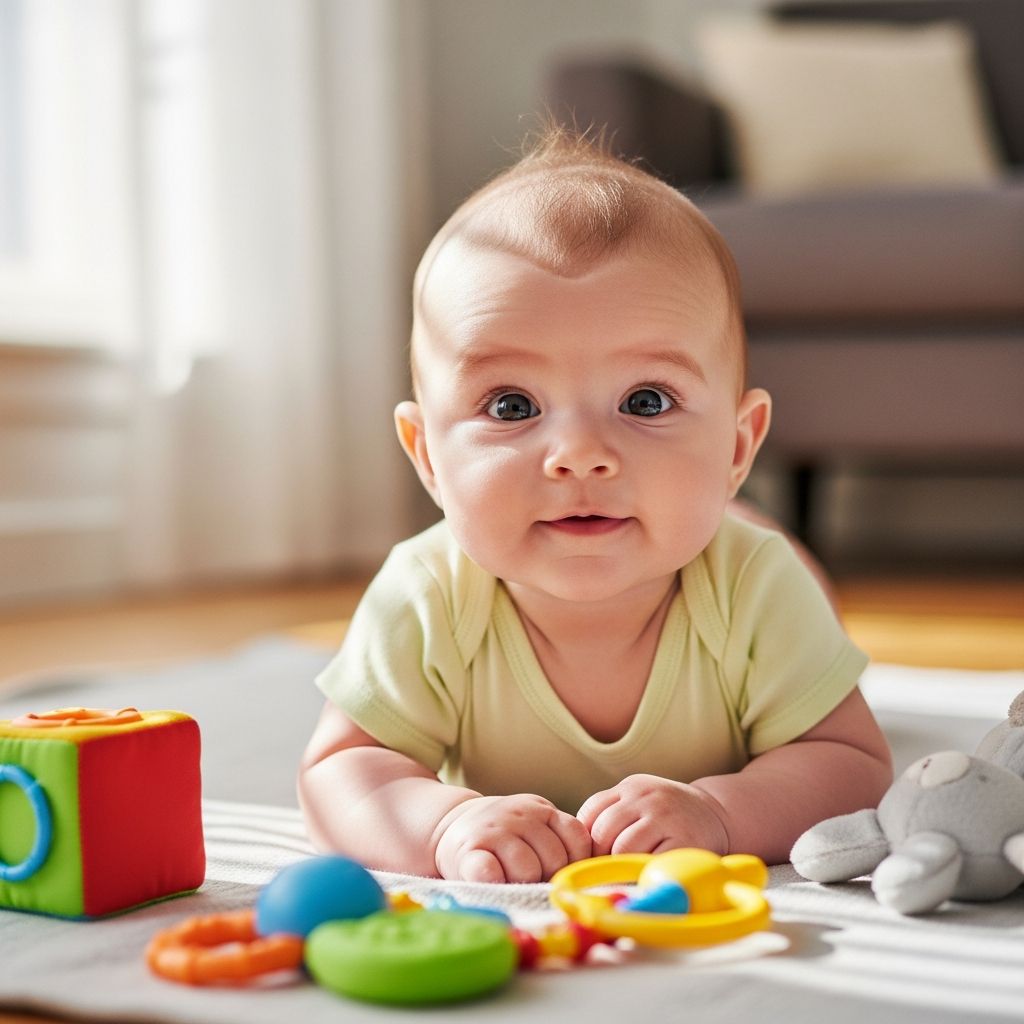
By six months, your baby’s body has grown remarkably stronger, enabling key motor milestones that lay the foundation for crawling and walking. They typically roll over from tummy to back and often in both directions, demonstrating improved coordination between muscle groups. When placed on their stomach, they push up using straight arms, lifting their chest and head while bearing weight on hands—a sign of robust upper body strength.
Sitting becomes more stable; many infants can sit upright without support for brief periods, leaning on their hands for balance, though a rounded back with support is common earlier. Leg strength emerges as they support nearly full body weight when held in a standing position, pushing down on firm surfaces. Hand-eye coordination shines through passing objects hand-to-hand, reaching for toys, and grasping dropped items, often exploring them by mouthing.
Weight gain is notable: birth weight often doubles by this age, with steady increases in length and head circumference reflecting healthy nutrition absorption.
Strength Milestones Table
| Milestone | Description | Source |
|---|---|---|
| Rolls over | From tummy to back and vice versa | |
| Pushes up | Straight arms on tummy | |
| Sits unsupported | Briefly, leans on hands | |
| Bears leg weight | When standing supported | |
| Transfers objects | Hand to hand |
Cognitive and Sensory Advancements
Cognitive growth accelerates as the brain’s hemispheres connect more effectively, fostering problem-solving and awareness. Babies grasp object permanence, understanding dropped toys still exist and can be retrieved, and they locate sounds away from ear level. Vision sharpens to 20/60–20/40, with full color perception and interest in complex patterns or moving parts.
Sensory exploration peaks: infants reach for desired toys, put items in their mouths to ‘taste’ textures, and respond to their name or familiar voices by turning. They recognize parents distinctly, showing stranger awareness, and may fuss when play ends or objects vanish temporarily.
- Enjoys self in mirrors, cooing or squealing.
- Imitates sounds and actions, like clapping or facial expressions.
- Understands basic cause-effect, e.g., toy drop makes noise.
Communication and Social Milestones
Vocalizations evolve from coos to babbles resembling ‘ba-ba’ or ‘da-da’, with squeals, laughs, and raspberries (lip trills). Babies take conversational turns, mirroring caregiver sounds, and express joy or frustration vocally. Socially, they hold out arms to be picked up, smile responsively, and react to parental emotions, building attachment bonds.
Peekaboo delights them, reinforcing object permanence, while they prefer familiar faces and may cry at strangers.
Feeding and Oral Development
Teething often begins, causing drooling and gum sensitivity, though not always linked. Feeding shifts: babies close lips to signal fullness, move food back for chewing, and show readiness for purees by opening for spoons. Breastfed infants nurse 8+ times daily; formula-fed take 6 ounces every 4 hours. Solids introduce iron-rich foods, but milk remains primary.
- Doubles birth weight by 6 months.
- Self-feeds finger foods if interested.
- Increased drool aids teething exploration.
Sleep Patterns and Daily Routines
Sleep consolidates: 6–8 hour nighttime stretches become routine, with 2–3 daily naps totaling 1–3 hours each. Total sleep: 12–16 hours daily. Rocking on hands-and-knees prefigures crawling, often at nap times.
Play Activities to Boost Development
Interactive play is vital. Provide safe, large toys with sounds/movement, unbreakable mirrors, tearable paper, and bubbles. Read aloud, sing, name body parts, and imitate babble to spur language. Body games like ‘This Little Piggy’ teach cause-effect.
- Peekaboo for permanence.
- Tummy time with toys for strength.
- Hand transfer games for dexterity.
- Use ‘no’ sparingly; model clear speech.
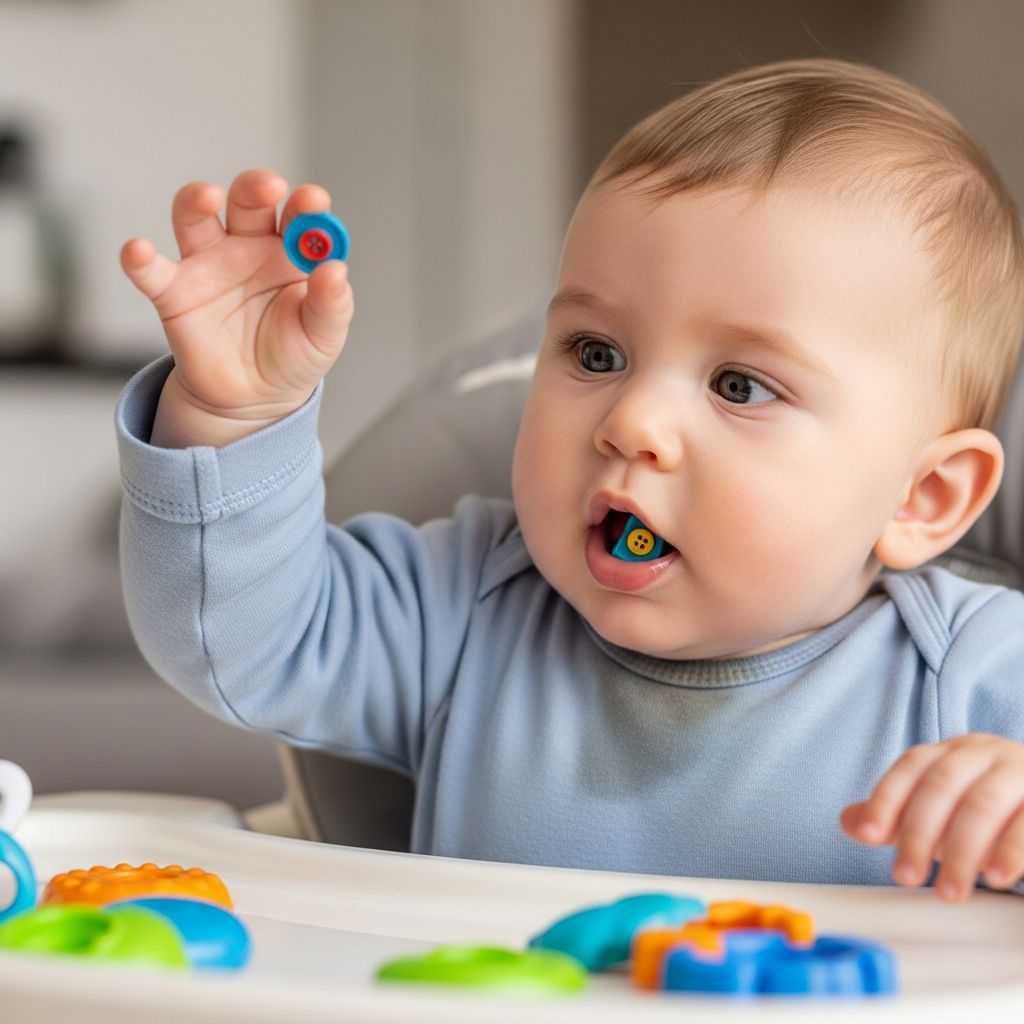
Avoid small parts to prevent choking.
Safety Essentials for Active Babies
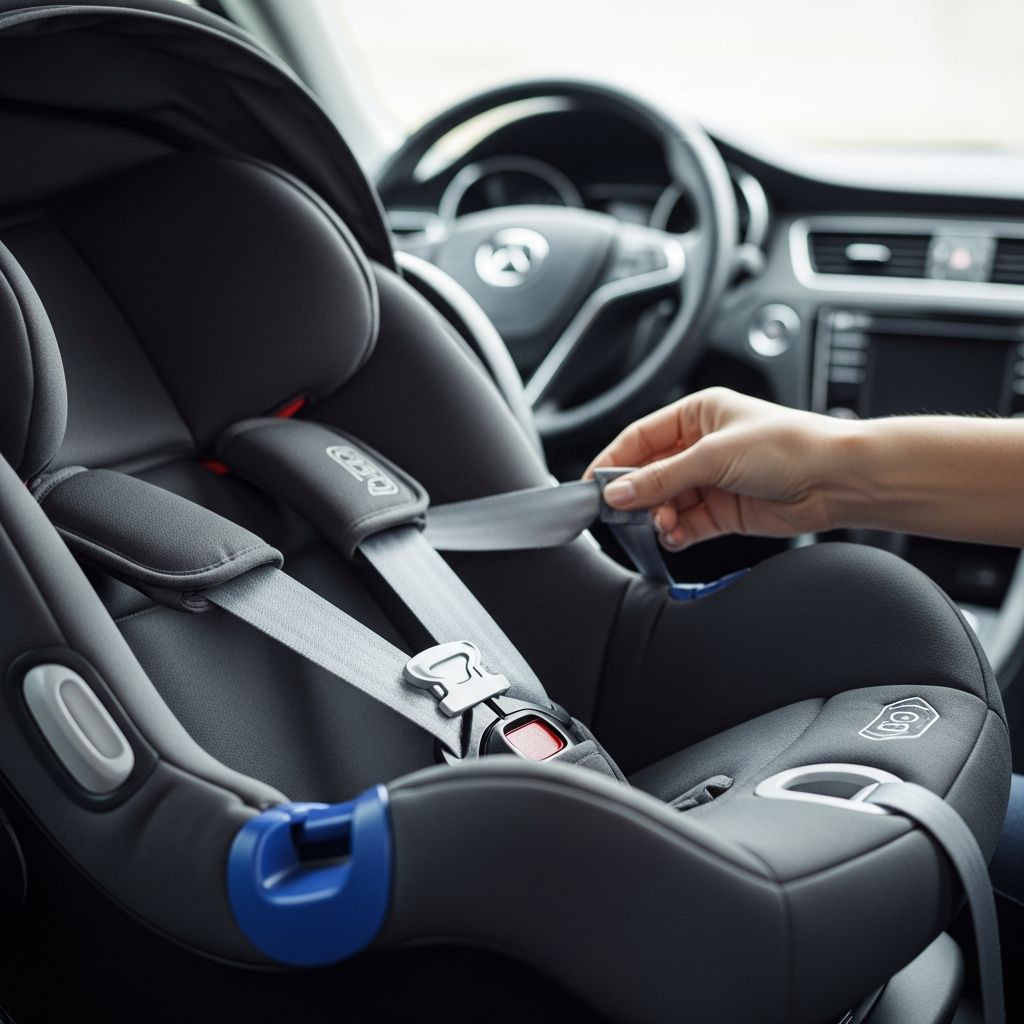
Mobility demands vigilance: secure furniture, gate stairs, never leave unattended on elevated surfaces. Use rear-facing car seats; babyproof outlets. Supervise water; learn infant CPR. Soft, age-appropriate toys only—no hard edges.
Health Checkups and Red Flags
6-month well-visit assesses milestones. Vaccines protect against diseases. Track growth curves.
Consult pediatrician if:
- No rolling or pushing up.
- Doesn’t babble or respond to name.
- Can’t grasp/pass toys.
- Persistent fussy crying or poor weight gain.
Vaccines and checks ensure timely interventions.
Frequently Asked Questions
Does my 6-month-old need solids yet?
Yes, many show readiness by sitting with support and interest in spoons. Start with single-ingredient purees; milk is primary nutrition.
How much should a 6-month-old sleep?
About 12–16 hours total, including 6–8 hours nightly and naps.
When do babies sit up alone?
Around 6 months, briefly unsupported; full control by 7–8 months.
Is drooling always teething?
Often, but increased saliva production is normal for exploration.
What if my baby skips milestones?
Variation is normal, but discuss delays with your doctor for early support.
Supporting Your Baby’s Journey
Celebrate small wins with responsive caregiving. Tummy time (15–30 min daily), varied textures, and loving interaction fuel holistic growth. Track progress via apps or journals; share concerns promptly.
Every baby develops uniquely, influenced by genetics and environment. Patience and stimulation optimize potential.
References
- Developmental milestones record – 6 months — MedlinePlus (U.S. National Library of Medicine). 2023-10-01. https://medlineplus.gov/ency/article/002008.htm
- Baby Development at 4-6 Months — CHOC Children’s. 2024-05-15. https://choc.org/ages-stages/4-to-6-months/
- Developmental Milestones for Infants (0-6 months) — Coral Care. 2024-02-20. https://www.joincoralcare.com/developmental-guides/milestones-0-6-months-infants
- Infant development: Milestones from 4 to 6 months — Mayo Clinic. 2023-11-10. https://www.mayoclinic.org/healthy-lifestyle/infant-and-toddler-health/in-depth/infant-development/art-20048178
- Milestones by 6 Months | Learn the Signs. Act Early. — CDC. 2024-08-01. https://www.cdc.gov/act-early/milestones/6-months.html
- Baby Developmental Milestones By Month — Cleveland Clinic. 2023-12-05. https://my.clevelandclinic.org/health/articles/22063-baby-development-milestones-safety
- CDC’s Developmental Milestones | Learn the Signs. Act Early. — CDC. 2024-07-15. https://www.cdc.gov/act-early/milestones/index.html