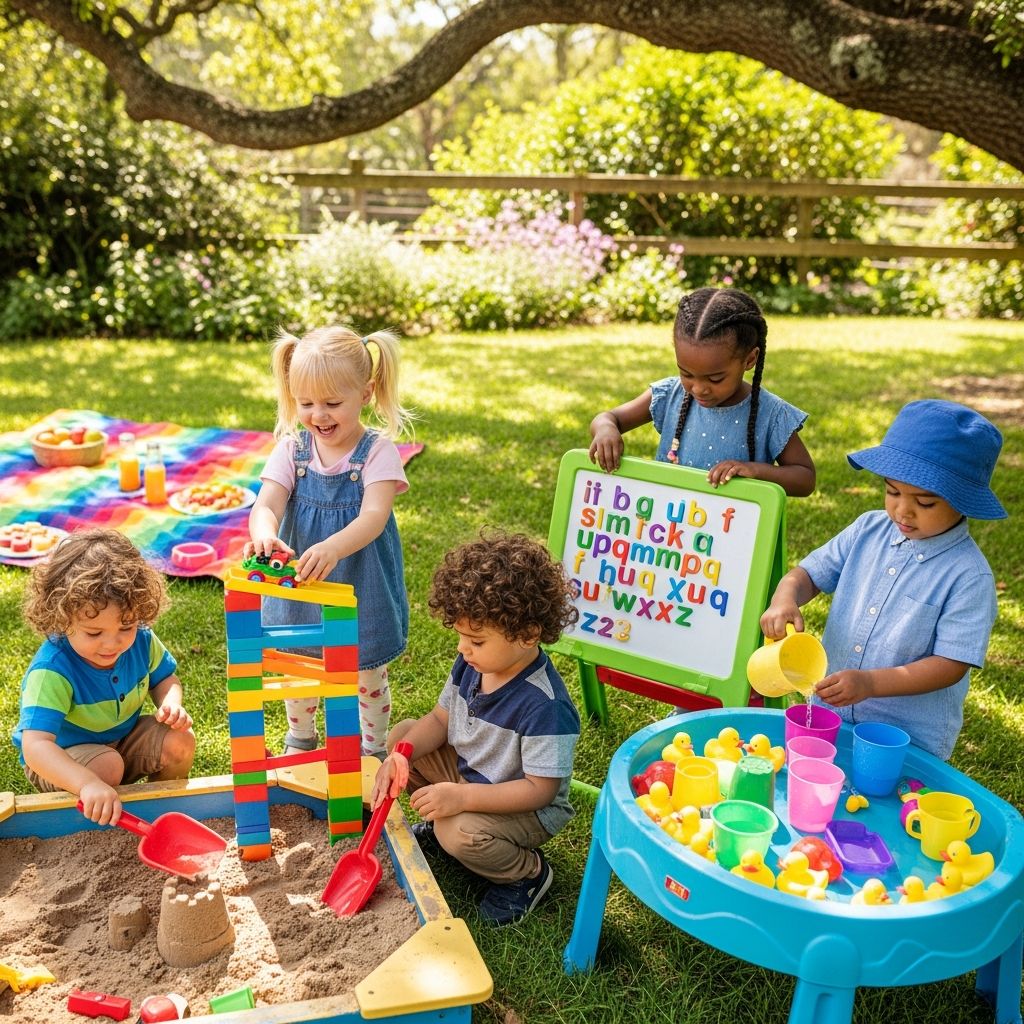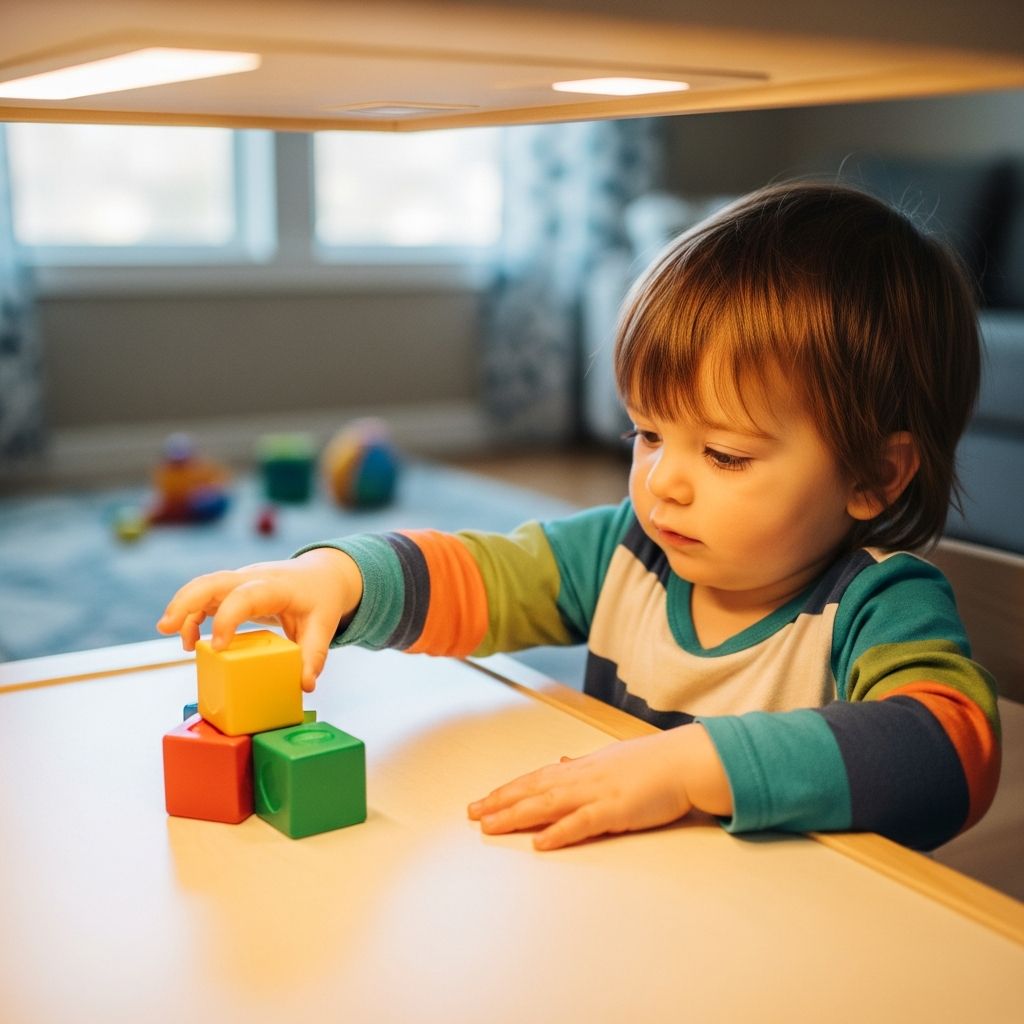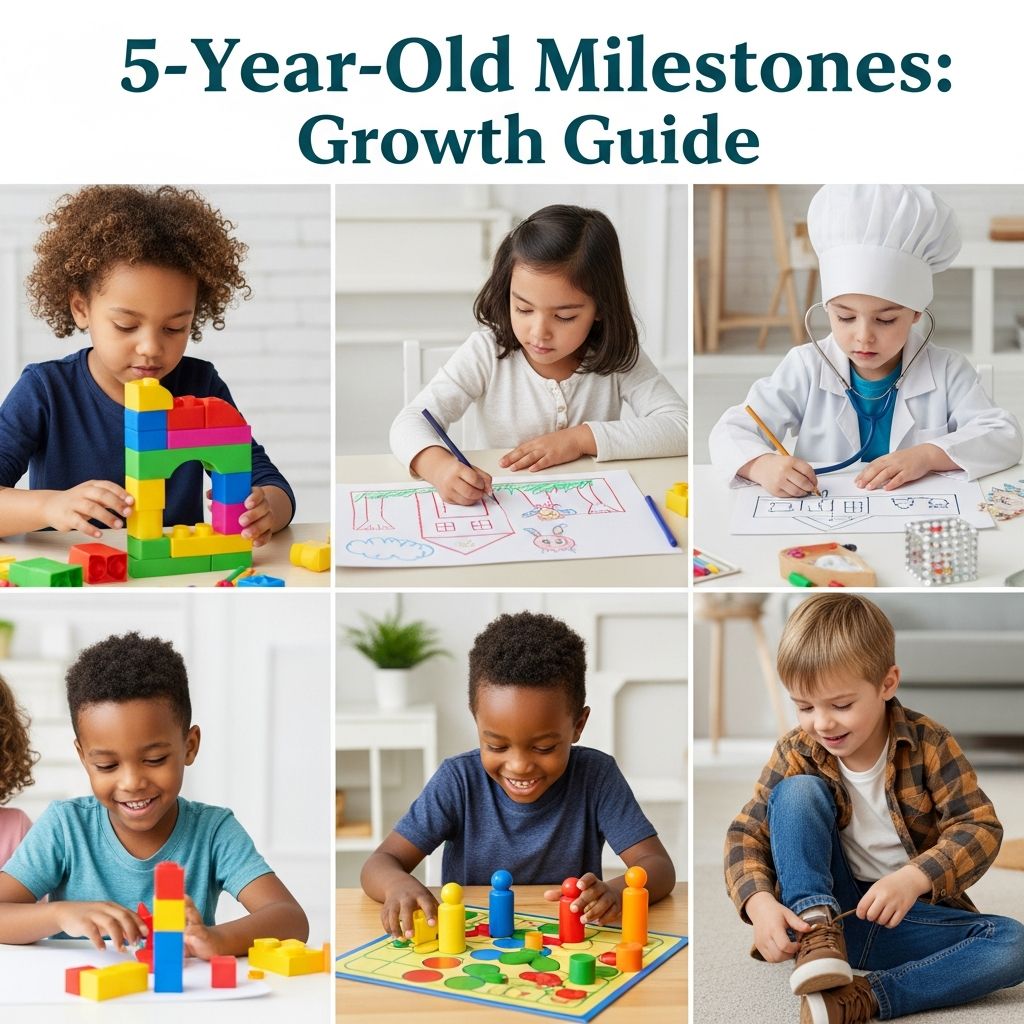
At age five, children transition from preschoolers to school-age kids, showing remarkable advances in multiple areas of development. This stage marks increased independence, curiosity, and social awareness, setting the foundation for formal education and lifelong learning.
Physical Growth and Motor Abilities
Five-year-olds exhibit refined gross and fine motor skills, enabling more complex physical activities. They typically achieve greater coordination, balance, and strength, which supports active play and self-care tasks.
- Balance on one foot for 5-10 seconds or longer
- Jump rope or skip with emerging skill
- Walk backward heel-to-toe effortlessly
- Stand on tiptoes and hop on one foot
- Catch and throw a large ball accurately
Fine motor development allows for precise hand-eye coordination. Children can use scissors safely, draw detailed shapes like triangles and diamonds, and copy their name or basic letters. They often begin tying shoelaces, fastening buttons, and zipping clothing independently.
Daily physical activity fosters these skills. Encourage outdoor play, biking, or sports to build endurance and agility. Most 5-year-olds lose baby teeth, signaling ongoing growth.
Cognitive and Problem-Solving Progress
Cognitive leaps at this age include understanding time, counting, and logical thinking. Children grasp concepts like ‘yesterday’ and ‘tomorrow,’ name days of the week, and count to at least 10.
| Skill | Typical Achievement |
|---|---|
| Counting | Counts 10+ objects accurately |
| Shapes & Drawing | Draws person with 6+ body parts, triangle, diamond |
| Memory & Attention | Pays attention 5-10 minutes, remembers story parts |
| Everyday Knowledge | Knows address, phone, coins, basic money |
Problem-solving shines in play: completing 3-4 piece puzzles, building tall block towers, and predicting story outcomes. They distinguish ‘same’ vs. ‘different,’ sort colors, and follow multi-step directions like ‘Put toys away then wash hands’.
Support cognition through board games, reading, and real-world tasks like cooking. This builds confidence and prepares for kindergarten.
Language and Communication Advances
Language explodes with clear speech, complex sentences (6-8 words), and storytelling. Five-year-olds speak intelligibly to strangers, use future tense (‘I will go’), and recount events with 2+ sequences, like ‘The dog ran then jumped’.
- Recites alphabet, names letters/numbers
- Uses rhymes (bat-cat), asks/answers questions
- Conversaions with 3+ exchanges
- Names familiar items in books
- Full sentences, tells simple stories
Vocabulary expands to include colors (4+), body parts, and emotions. They enjoy word games, singing, and retelling stories, enhancing listening and expression. Interactive reading boosts this; discuss books to deepen comprehension.
Social and Emotional Maturation
Socially, 5-year-olds cooperate, follow rules in games, and show empathy, like comforting a sad peer. They form friendships, take turns, and separate from parents easily for school. Emotional regulation improves: expressing wide feelings, good manners, and eagerness to please.
Key traits include independence in dressing/chores, enjoying group play, and comparing family rules with peers’. Make-believe play is creative, often role-playing family or professions.
- Plays cooperatively with peers
- Shows concern for others
- Understands sharing ‘mine’ vs. ‘yours’
- Handles routine changes better
- Develops real vs. fantasy distinction
Nurture emotions via playdates, emotion naming, and consistent routines. Praise cooperation to reinforce positive behaviors.
Daily Living and Self-Care Skills
Independence peaks: dressing fully, simple chores (matching socks, setting table), and hygiene like brushing teeth with minimal help. They grasp time concepts, helping with schedules.
Promote responsibility by assigning age-appropriate tasks, fostering pride and capability.
Activities to Boost Development
Engage in enriching play:
- Physical: Bike rides, sports, dance for coordination
- Cognitive: Puzzles, counting games, shape sorting
- Language: Storytelling, rhymes, book discussions
- Social: Group play, role-play, turn-taking games
Limit screens; prioritize interactive, hands-on fun.
Red Flags and When to Consult a Professional
Monitor for delays. Act early if your child:
- Can’t jump, balance, or use scissors
- Speaks unclearly or uses short phrases
- Ignores peers, no make-believe play
- Struggles with 2-3 step directions, colors/shapes
- Loses previously gained skills
Consult pediatricians via screenings like CDC’s checklists. Early intervention maximizes outcomes. Variations exist; celebrate individual paces.
Frequently Asked Questions
How much should a 5-year-old weigh and measure?
Average: 40-50 lbs, 42-46 inches, but ranges vary. Track via growth charts.
Is my child ready for kindergarten?
Most with these milestones are; check social, self-care, basic academics.
How to handle emotional outbursts?
Validate feelings, teach coping like deep breaths; model calm.
What if milestones are delayed?
Discuss with doctor; programs like early intervention help.
How to encourage reading interest?
Read daily, let choose books, discuss plots for engagement.
This guide empowers parents to track and nurture 5-year-old growth holistically. Celebrate small wins as your child thrives.
References
- Developmental Milestones: 4 to 5 Year Olds (Preschool) — CHOC. Accessed 2026. https://choc.org/ages-stages/4-to-5-years/
- Developmental Milestones for Children Age 2 – 5 Years — Early Childhood Lane. Accessed 2026. https://www.earlychildhoodlane.org/blog/developmental-milestones-for-children-age-2-5-years-yx3a5-hxay8
- Milestones by 5 Years | Learn the Signs. Act Early. — CDC. 2023-01-01. https://www.cdc.gov/act-early/milestones/5-years.html
- Developmental Milestones: Birth to 5 years! — Stanford Medicine. Accessed 2026. https://med.stanford.edu/content/dam/sm/pediatricsclerkship/documents/5-Developmental-Milestones-MedU.pdf
- 5-6 years: child development — Raising Children Network. Accessed 2026. https://raisingchildren.net.au/school-age/development/development-tracker/5-6-years
- Milestones for 5-Year-Olds — MyHealth Alberta. Accessed 2026. https://myhealth.alberta.ca/Health/pages/conditions.aspx?hwid=ue5316