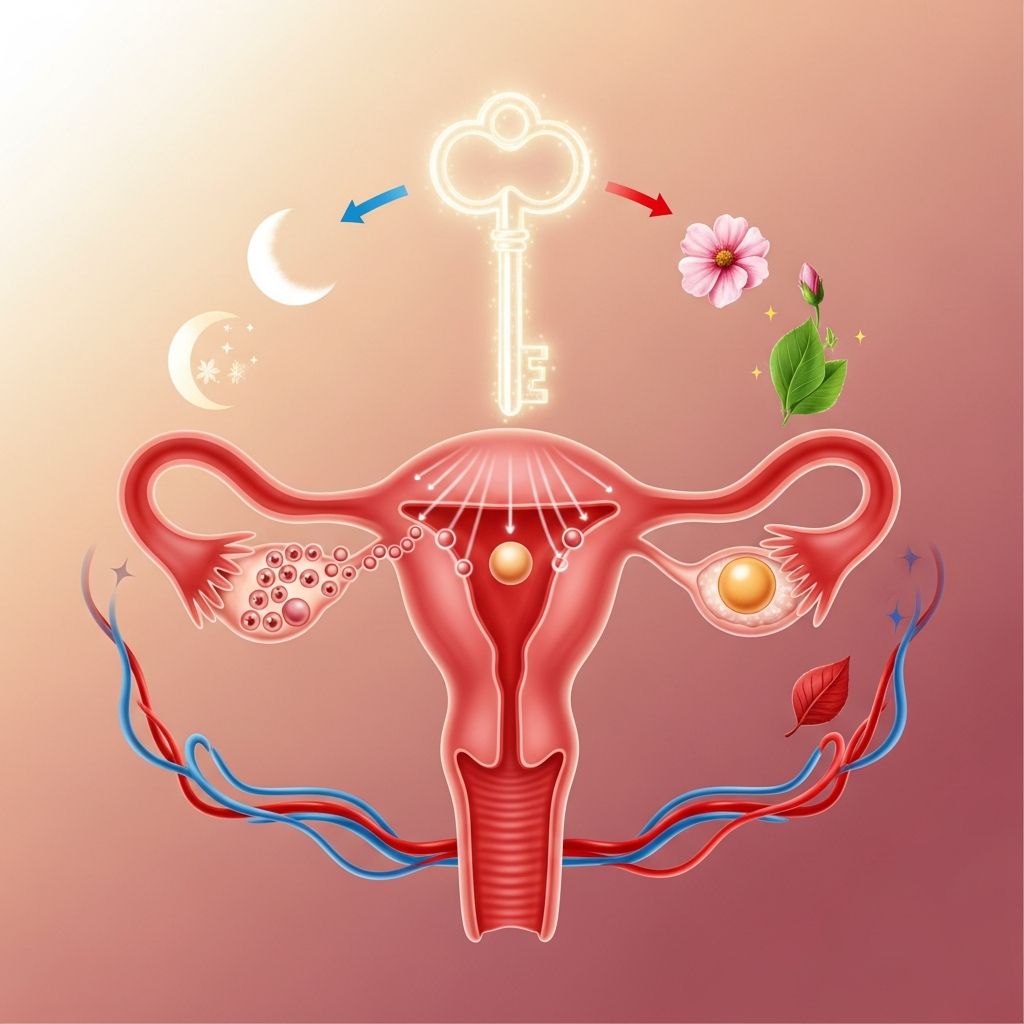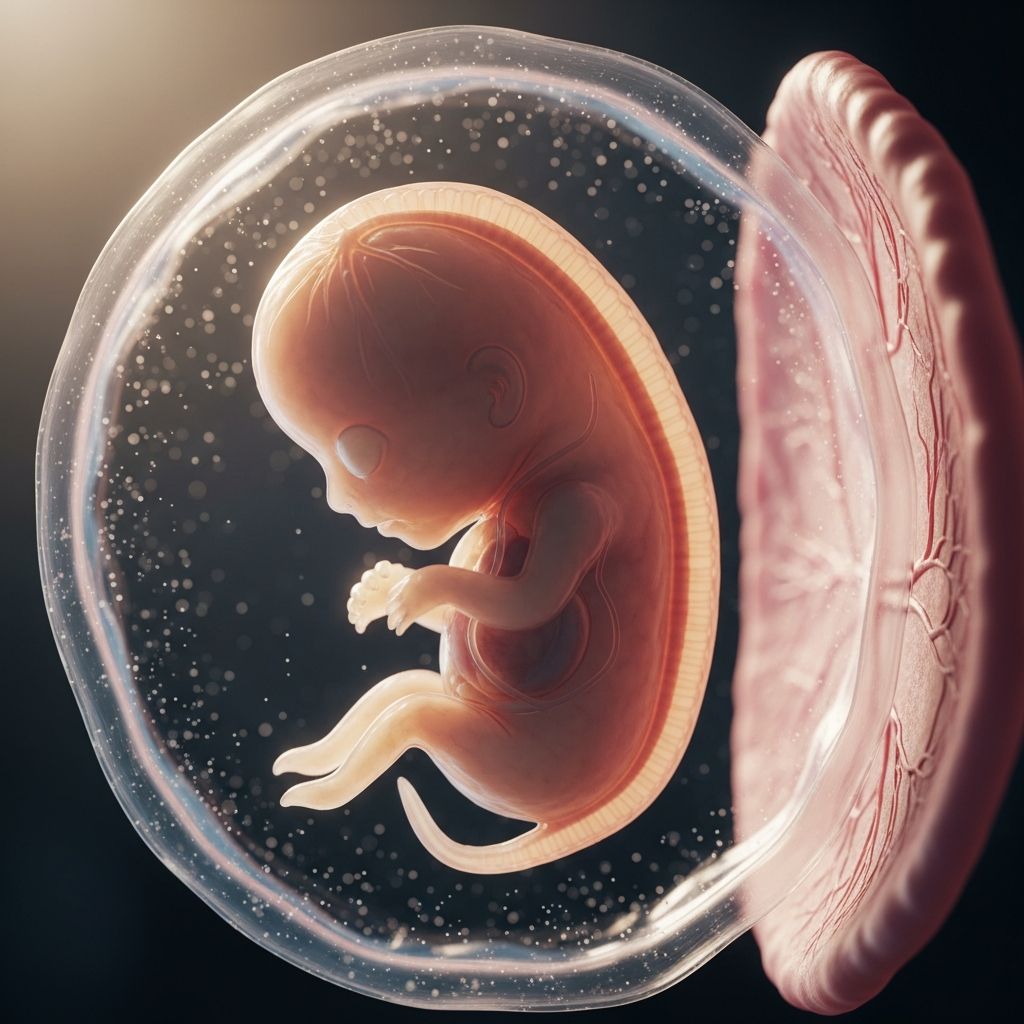
In the fifth week of pregnancy, your embryo undergoes transformative changes, transitioning from a cluster of cells to a structured form with foundational organs. This period lays the groundwork for all major body systems, making it a pivotal time for both embryonic development and maternal health awareness.
Embryonic Transformations at Week 5
By week 5, the embryo, roughly the size of a sesame seed or apple seed, has implanted into the uterine wall and is officially termed an embryo. Cells divide rapidly, forming distinct layers that will differentiate into organs and tissues.
The neural tube, precursor to the brain and spinal cord, begins closing along the embryo’s length. This critical process must complete accurately to prevent neural tube defects.
A central bulge emerges, signaling the heart’s formation. Primitive blood vessels develop, and the heart starts pulsing, marking the first circulatory activity detectable via ultrasound in some cases.
- Embryo length: Approximately 2-3 mm.
- Key structures: Neural tube, early heart tube, yolk sac for initial nutrition.
- Placental beginnings: Chorionic villi form to facilitate nutrient exchange.
These developments occur amid surging hormones like hCG, which sustains the pregnancy by preventing menstruation.
Maternal Physical Changes and Symptoms
Many women confirm pregnancy around week 5 due to a missed period. Rising hCG and progesterone trigger early signs, varying by individual.
Common symptoms include:
- Fatigue: Progesterone relaxes smooth muscles, slowing metabolism and inducing tiredness.
- Breast tenderness: Increased blood flow and glandular growth cause soreness.
- Nausea: Often called morning sickness, it stems from hormonal shifts affecting digestion; affects up to 80% of pregnancies.
- Frequent urination: Uterine expansion presses on the bladder.
- Mood swings: Hormonal fluctuations influence neurotransmitters.
The uterus enlarges slightly, though not yet palpable abdominally. Some experience mild cramping or spotting from implantation, but heavy bleeding warrants immediate medical attention.
Nutrition Essentials for Week 5
Optimal nutrition supports rapid embryonic growth and mitigates risks like neural tube defects. Focus on nutrient-dense foods while avoiding teratogens.
| Nutrient | Role in Week 5 | Food Sources |
|---|---|---|
| Folic Acid | Neural tube closure | Leafy greens, fortified cereals, legumes |
| Iron | Blood volume expansion | Lean meats, spinach, beans |
| Protein | Cell division and tissue building | Eggs, nuts, dairy |
| Omega-3s | Brain development support | Fatty fish (low-mercury), walnuts |
| Calcium | Bone foundation | Yogurt, broccoli, almonds |
Aim for 300 extra daily calories from whole foods. Hydrate with 8-10 glasses of water to combat fatigue and support amniotic fluid formation. Limit caffeine to under 200mg daily.
Prenatal Care Initiation and Screenings
Schedule your first prenatal visit around weeks 6-8, but week 5 is ideal for early confirmation if high-risk. Expect blood tests for hCG levels, blood type, and infections; urine analysis; and possibly an ultrasound.
Early ultrasound may reveal:
- Gestational sac: Fluid-filled structure housing the embryo.
- Yolk sac: Nutrient provider before placenta fully functions.
- Fetal pole: Early embryo outline; heartbeat visible from 5.5-6 weeks.
Discuss lifestyle: Quit smoking, alcohol, and illicit drugs, as they impair neural development. Maintain a healthy weight with doctor-guided exercise like walking.
Emotional Well-being in Early Pregnancy
Hormonal surges can amplify emotions, leading to anxiety or joy. Common concerns include miscarriage risk (about 10-20% in first trimester, highest weeks 4-6) and developmental viability.
Strategies for balance:
- Journal thoughts and share with a partner or support group.
- Practice mindfulness or prenatal yoga.
- Connect with healthcare providers for reassurance via early scans.
Seeing the heartbeat often provides profound relief, affirming progress.
Common Concerns and When to Seek Help
While most pregnancies progress smoothly, vigilance is key. Contact your doctor for:
- Severe cramping or bleeding.
- Persistent vomiting preventing eating.
- Dizziness or severe headaches.
- No symptoms after confirmed pregnancy (normal for some).
Ectopic pregnancy symptoms like one-sided pain require emergency care.
Daily Lifestyle Adjustments
Rest 7-9 hours nightly; nap if needed. Eat small, frequent meals to ease nausea—crackers, ginger, or peppermint help. Wear supportive bras and avoid toxins like cleaning chemicals.
Track symptoms in a journal for prenatal discussions.
Looking Ahead: Transition to Week 6
Week 6 builds on week 5: Arm/leg buds appear, facial features emerge, and heartbeat strengthens. Symptoms may intensify, but so does reassurance from viable scans.
Frequently Asked Questions
Can I see the heartbeat at week 5?
Possibly via transvaginal ultrasound around 5.5-6 weeks; it’s a flickering motion at 90-110 bpm.
Is no nausea normal in week 5?
Yes, 20-30% of women have symptom-light pregnancies; hCG levels vary.
What if I had alcohol before knowing I was pregnant?
One-time exposure early on rarely causes harm; abstain now and consult your doctor.
How accurate are home pregnancy tests at week 5?
Over 99% if used post-missed period; retest if negative but symptoms persist.
Should I start prenatal vitamins now?
Yes, especially folic acid (400-800mcg daily) from conception ideally.
References
- Weeks 5 & 6 of Pregnancy: Key Developments in Early Growth — Amnion Pregnancy Center. 2023. https://amnionpregnancycenter.com/weeks-5-6-of-pregnancy-key-developments-in-early-growth/
- Pregnancy at week 5 — Pregnancy Birth & Baby (Australian Government-funded). 2023. https://www.pregnancybirthbaby.org.au/pregnancy-at-week-5
- Pregnancy Calendar: Week 5 — Nemours KidsHealth. 2024. https://kidshealth.org/en/parents/week5.html
- 5 weeks pregnant guide — NHS UK. 2024. https://www.nhs.uk/best-start-in-life/pregnancy/week-by-week-guide-to-pregnancy/1st-trimester/week-5/
- Your pregnancy: 5 to 8 weeks — Kaiser Permanente. 2024. https://healthy.kaiserpermanente.org/health-wellness/maternity/first-trimester/weeks-5-8